
%201.svg)


Painted Brick Homes: What to Know Before You Paint Brick
Key Takeaway
Painted brick homes offer dramatic curb appeal, but exterior brick must be evaluated for moisture, mortar condition, and breathability before any coating is applied. The Brick Industry Association favors mineral silicate paint for opaque looks because it bonds chemically while keeping walls vapor-permeable. Traditional film-forming paints can trap moisture and need recoating every 3 to 5 years, while mineral finishes often last 15 to 30-plus years.
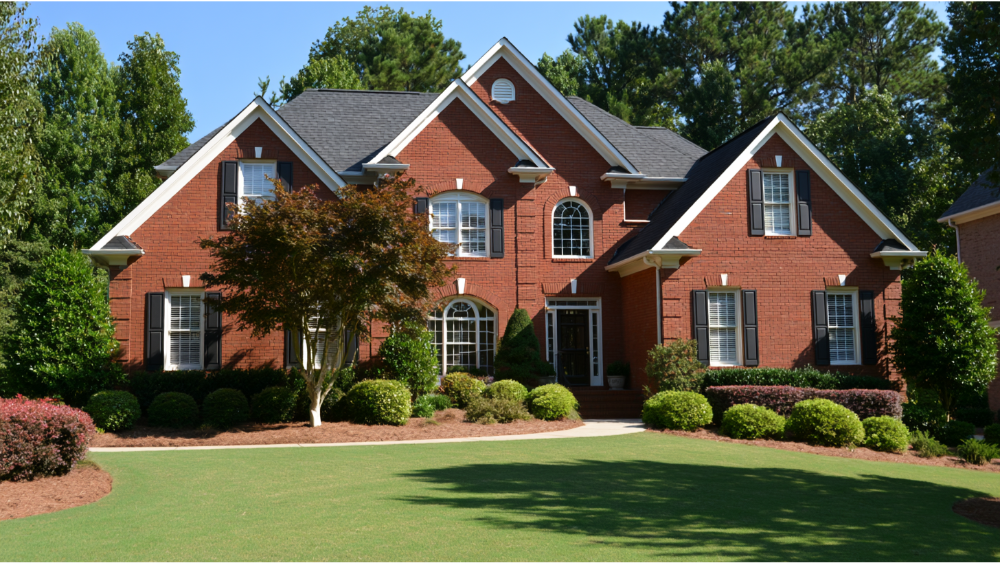
A painted brick house can look clean, fresh, and modern, and a good paint job can lift a tired exterior in a big way. But exterior brick shouldn't be painted until the brick, the mortar, and the moisture conditions have been evaluated and prepped correctly. Brick is naturally porous. It breathes, absorbing and releasing moisture through the day. The safest long-term approach is a breathable, masonry-compatible finish paired with real surface prep, not a heavy film-forming paint that seals moisture behind the wall and starts peeling in a couple of years.
If you're weighing a paint project and you want lasting results instead of a redo down the road, this is written for you. We'll walk you through a decision framework: when painting brick houses makes sense, when it doesn't, which finishes work, and how to prep so the finish holds.
Why Painted Brick Homes Are So Popular Right Now
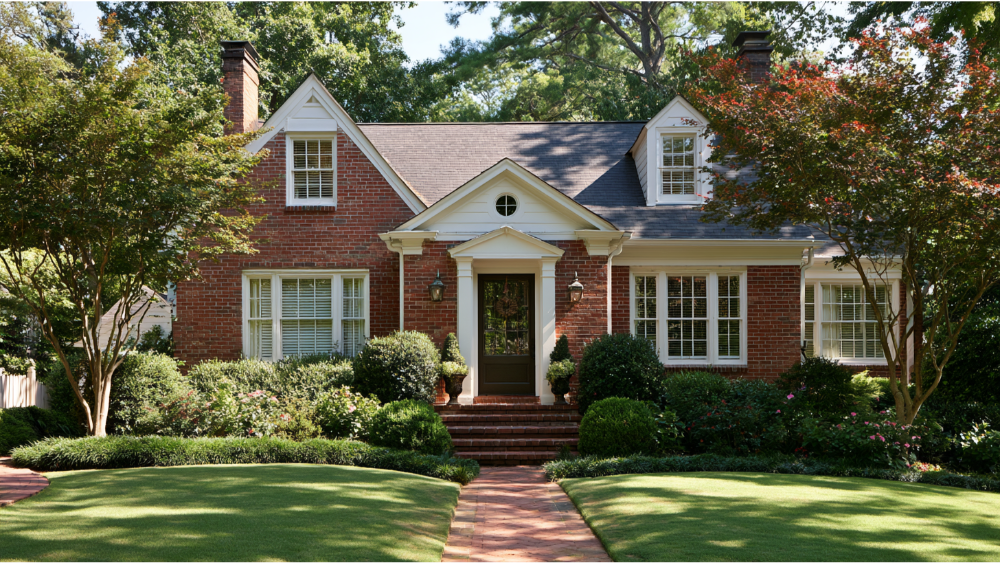
The appeal is easy to understand. A painted brick house gives you color control you simply don't have with raw brick, and a fresh coat can pull a dated or patchy exterior into something that reads current. Even the porch, the brick steps, and the low garden wall out front can be tied together into one cohesive look.
White paint has driven much of the trend. A crisp white or soft off-white can turn a heavy, orange-toned house into something lighter and more architectural. Scroll through any home design feed and the standout photo is almost always a white house set against dark windows and a clean front street view. But it isn't only about going painted white. Paint lets you unify a house where brick meets siding and other materials, trim, and later additions that never quite matched.
For older brick houses especially, a paint makeover is one of the more dramatic changes available. The look changes completely. That's why it shows up so often in neighborhood updates and curb appeal projects. Just remember that popularity isn't the same as suitability. Whether the idea is right for your home depends on the brick itself.
The Main Risk: Moisture Trapped Behind the Paint
Here's the single most important thing to understand before you have any exterior brick painted. Brick isn't just a surface. It's part of a masonry system that manages water by absorbing it and letting it evaporate back out. When a coating blocks that evaporation, moisture gets stuck inside the wall, and that's where problems start.
The technical term is vapor permeance, measured in "perms." The Brick Industry Association (BIA) classifies materials as vapor impermeable at 0.1 perm or less, semi-impermeable from 0.1 to 1.0, semi-permeable from 1.0 to 10, and permeable above 10 perms. Treatments made for brick commonly report somewhere between 20 and 85 perms depending on the product and how it's tested. The catch: piling on multiple heavy coats drops that number. So a film-forming paint applied thick can turn a breathable wall into one that traps water, removing the barrier that lets the wall dry.
BIA is direct about this. Most brick deterioration comes from unaddressed moisture problems, and a coating that seals moisture in makes those problems worse. In climates with real humidity and freeze-thaw cycles, trapped water can lead to peeling, blistering, and spalling, where the face of the brick flakes off. None of this is a reason to panic. It's a reason to evaluate the wall and choose a breathable finish, which is exactly what we do before recommending any coating.
When Does Painting Brick Houses Actually Make Sense?
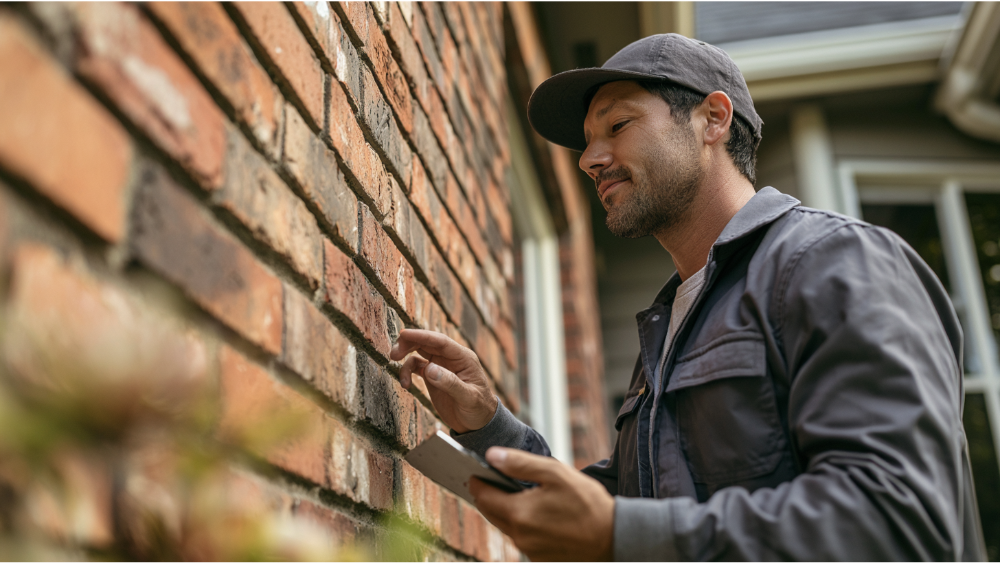
Getting brick painted can be a great choice when the wall is a good candidate and the prep is handled the right way. Look for these green lights:
- The brick is in sound condition and suitable for exterior exposure.
- Any moisture sources (flashing, leaks, grading) have been identified and repaired first.
- A breathable, masonry-compatible coating is selected, not a generic film-forming paint.
- You understand that a painted brick house is an ongoing maintenance commitment.
- A sample panel or mock-up is approved before the whole house gets coated.
When those boxes are checked, a quality masonry coating can give you the color you want while still letting the wall breathe and shrug off UV and rain. The goal is protection that works with the brick, not against it.
When Painting Brick Is a Bad Idea
Some situations call for a hard pause. Think twice, or step away entirely, if any of these apply:
- Historic or very old masonry that may rely on its current state to manage moisture.
- Damp walls, active leaks, or visible efflorescence (that white, powdery salt residue).
- Failing mortar or cracked brick that hasn't been repaired.
- Glazed brick, whose hard, glossy, moisture-impermeable surface won't let coatings bond.
- Brick pavers, floors that would need floor paint, and functioning fireboxes.
- Any plan where the point is to hide damage instead of fixing it.
- A likelihood you'll want natural brick back someday, since a painted brick house is very hard to reverse.
Painting over a problem doesn't solve the problem. It hides it for a while and often makes it worse. If your brick is telling you something's wrong, listen to it before you reach for a brush.
Paint vs. Limewash vs. Masonry Stain vs. Mineral Paint
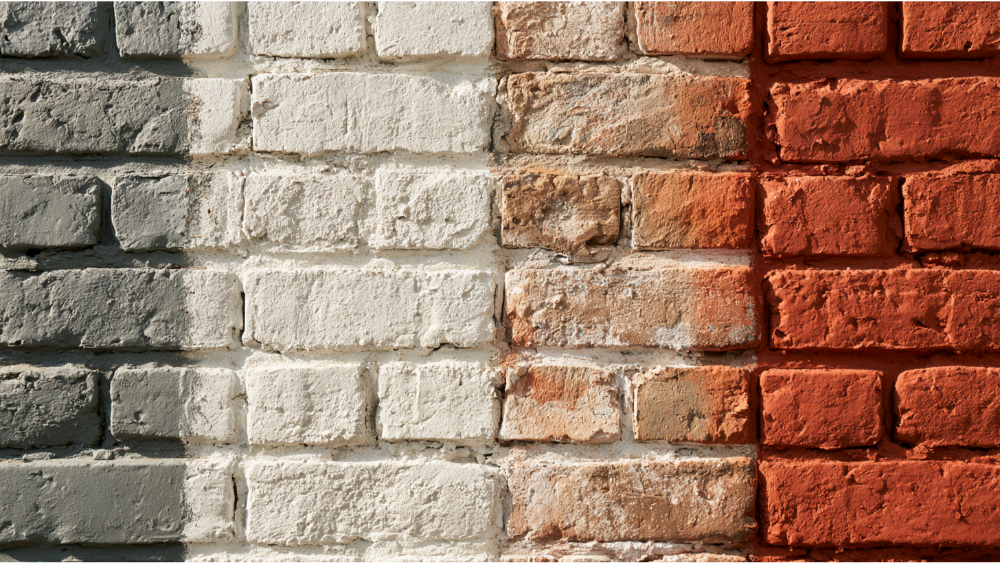
"Painting brick" covers several very different finishes. Here's how the main options compare, using BIA's categories.
BIA generally does not recommend traditional film-forming paint on brick, because those paints can trap moisture and need recoating every few years. When homeowners want a fully opaque painted brick look, BIA points to mineral silicate paint, which bonds chemically to the masonry and keeps the wall vapor-permeable. A German smear treatment is another breathable, mortar-based option that leaves a rustic, cottage-style finish. Breathable masonry products exist for exactly this reason (Romabio's Masonry Flat is one example of the category). The finish you pick should match both the look you want and how your wall needs to handle water.
The Pre-Paint Brick Inspection Checklist
Before any coating touches the wall, the brick gets a close look. Here's what we check:
- Brick condition and whether it's rated for exterior exposure.
- Mortar condition, including any soft, missing, or crumbling joints.
- Cracks wider than a business card in brick or mortar (hairline cracks not visible from 15 to 20 feet can stay if the units are set securely).
- Efflorescence, which signals moisture moving through the wall.
- Biological growth like mold, mildew, or algae.
- Loose or damaged units.
- Flashing and weep holes that let trapped water escape.
- Any prior coatings and how they're holding up.
- Signs of water penetration inside or out.
- Adjacent wood trim, fascia, and siding that may need attention or rot repair.
One honest note: if the inspection turns up failing mortar, damaged flashing, clogged weeps, or historic masonry concerns, those need a qualified mason or restoration specialist. That's masonry work, not paint work. Where we can help directly is the wood around the brick. Rot repair, siding, and carpentry on trim, fascia, and siding are part of our full-service exterior work, so those adjacent components get handled by the same team before the finish goes on.
Surface Prep and Application: First Coat, Second Coat, and Everything Before
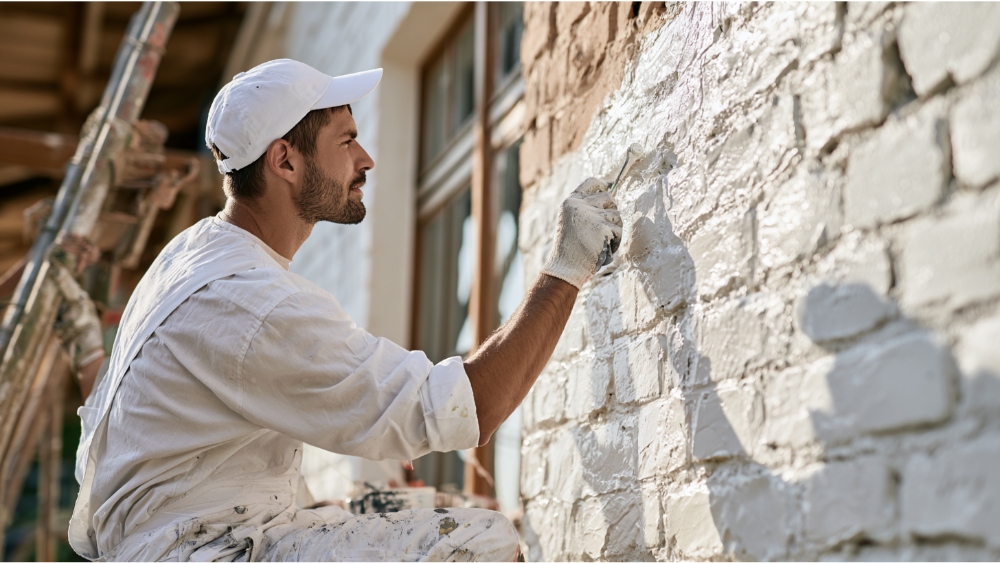
Prep is everything here. A perfect coating over a dirty or damp wall still fails. The sequence matters as much as the paint.
Start with the least aggressive cleaning that works, usually a stiff non-metallic brush with heavy-duty soap and water, or low-pressure washing. Improper pressure washing can carve into brick and mortar and cause permanent damage, and muriatic acid can leave staining that never comes out, so we avoid both unless conditions clearly call for a specific method. Pay attention to horizontal surfaces like the porch floor and brick steps, since they collect grime and take the most foot traffic.
Then comes drying. New or repaired masonry should cure and dry at least 30 days before any treatment. After cleaning, wait at least 24 hours, longer in rain or high humidity. BIA describes a simple check: tape a 4-mil plastic sheet to the brick, seal the edges, and leave it 16 hours. Moisture under the plastic means the wall needs more time.
A few application points that protect the result:
- Use a masonry-designated or alkaline-resistant primer, since mortar is chemically basic (a concrete and masonry primer such as Loxon is the general category).
- Work the first coat into the mortar joints, not just across the faces.
- Caulk gaps after the first coat, including around windows and any holes left by old fixtures.
- Apply the second coat after about 4 hours of drying.
- Spraying paint is faster and more even than rolling on textured brick.
- Only paint when it's at least 40°F and the surface stays more than 5°F above the dew point.
- Approve a sample panel before committing to the full exterior.
What Maintenance Should You Expect From a Painted Brick House?
Painted brick is a commitment, not a one-time cosmetic fix. Traditional paint typically needs recoating roughly every 3 to 5 years, per BIA. Mineral finishes last far longer, which is a big reason they're preferred for opaque looks. Your actual timeline depends on the product, sun and weather exposure, prep quality, wall type, and climate. No single number fits every home.
Painted surfaces also tend to show dirt, mildew, and mold more than raw brick, so expect occasional gentle cleaning. That's especially true on a light or white paint finish, and on the porch and brick steps where dust and debris settle. Watch for peeling, bubbling, efflorescence, new cracks, or water stains. Those are early signals of a moisture issue, and catching them early keeps a small fix from becoming a big one.
Choosing Colors for a Brick Home: White Paint, Sherwin Williams Shades, and Beyond
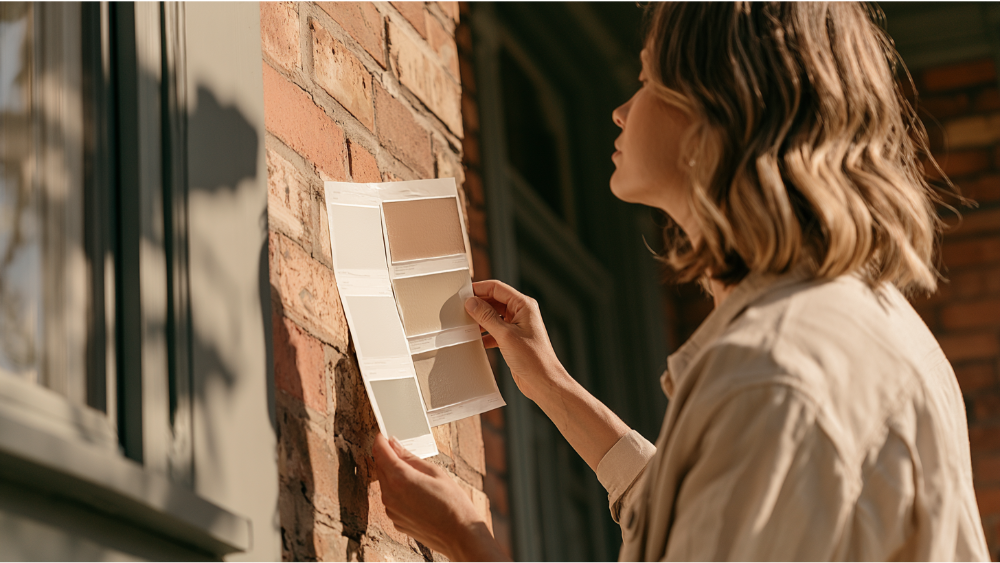
Start with what you can't change. The roof, windows, stone, hardscape, trim, shutters, landscaping, and any HOA requirements set the frame. A quick spin around a color wheel helps you see which tones sit next to your fixed elements without clashing. Pick a brick color that works with those, then refine from there. It helps to snap a photo of the house at different times of day so you can compare shades against the light.
A few palette families tend to work well on brick houses:
- Creamy off-whites and true white paint for a classic look that's softer than stark white (an example in this range sits around an LRV of 82). Richmond White is one soft white often cited in this family.
- Warm greiges, khakis, and brown-leaning beige neutrals that soften a home's lines and hide dust better than pure white.
- Grays and charcoals, from a light, cool gray to a deep, dramatic dark gray. Repose Gray from Sherwin Williams is one widely referenced shade in this family.
- Moody dark greens whose undertones shift with the light for a rich, elegant feel.
Colors like Seapearl, Revere Pewter, Pale Oak, Iron Mountain, and Black Forest Green come up often as illustrations of these families, not as the specific paints we use. A bold accent, even a deep plum or purple on the front door, can add character when the body stays neutral. A common idea is to keep the body a soft gray or white and let the shutters and front door carry a bolder, cool contrast that matches your home's style. Whatever direction you lean, test real samples on the wall and look at them in both sun and shade before deciding. Think about how the finish will blend with existing furniture and porch pieces you can see from the entry, too. A free color consultation with your estimate is the practical way to land on the right one and create a look you'll be happy with for years. Done right, the result can be genuinely stunning from the street.
A Note for Older and Pre-1978 Homes
Two cautions matter here. First, lead safety. The federal government banned consumer lead-based paint in 1978, so homes built before then are more likely to contain it. The EPA says 87% of homes built before 1940 have some lead-based paint, dropping to 24% for homes built between 1960 and 1978. Disturbing that paint creates hazardous dust, which is why we're EPA Lead-Safe (RRP) Certified and follow proper containment on older brick houses.
Second, historic masonry deserves real respect. The National Park Service warns that wrong cleaning or coating methods are a leading cause of damage to historic brick, and that waterproof or elastomeric coatings should almost never go on historic masonry above grade. This is different from brick that's already stood for decades under a sound coating, where an existing layer may even be part of how the building manages moisture. Don't strip or repaint historic brick casually. The same care applies to stucco and other older wall systems that breathe.
Should You DIY or Hire a Professional?
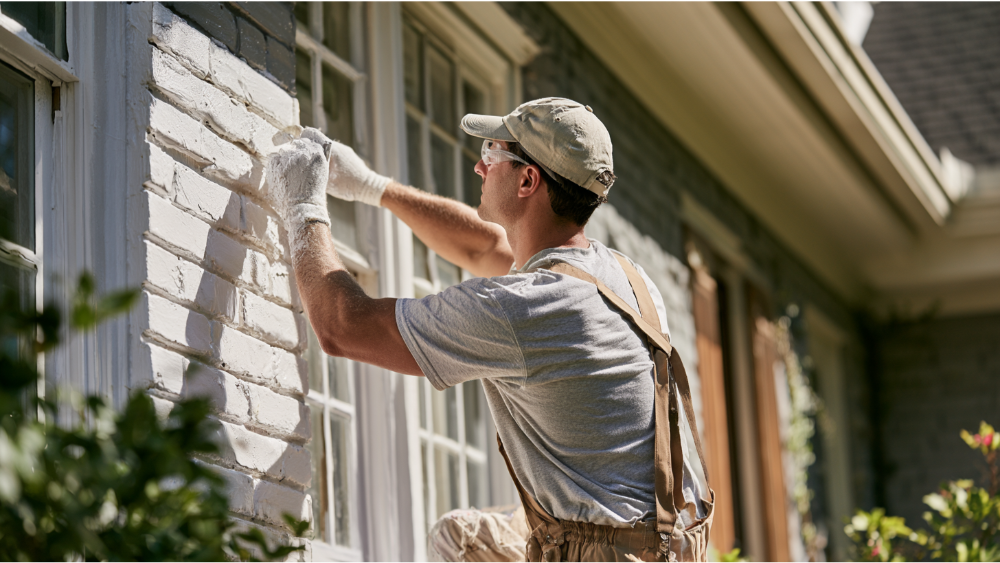
Painting exterior brick is a bigger job than painting siding or drywall. Between ladders and scaffolding, moisture evaluation, breathable product selection, and sequencing repairs before paint, there's a lot that determines whether the finish lasts a couple of years or twenty. Take a bit of time up front to decide whether this is a project you want to own or hand off. A professional should walk your wall, keep a level head about what's realistic, explain the plan in plain language, and give you a clear scope and transparent estimate before any work begins.
That's how we work. We lead with prep, use premium products backed by strong warranties, and keep communication clear from start to finish so you know exactly what your project involves. A well-planned makeover of a painted brick home lifts curb appeal in a real way. Start with a free estimate and we'll tell you honestly whether your brick house is a good candidate before anyone picks up a brush. Call 206-222-0435 or reach out through our site.
Is painting brick bad for a house?
Not on its own. It becomes a problem when a film-forming paint traps moisture in the wall or when it's applied over damp, damaged, or unprepped brick. A breathable masonry finish on sound, dry brick is a safer approach for a painted brick house.
How long does painted brick last?
It depends on the finish. Traditional paint often needs recoating every 3 to 5 years, while mineral silicate paints commonly carry warranties of 15 years or more, with some projects going 30-plus years without a recoat.
What is the best finish for exterior brick?
For an opaque painted look, BIA favors mineral (silicate) paint because it bonds chemically and keeps the wall vapor-permeable. Limewash and masonry stain are strong breathable options when you want a softer or more natural finish.
Can you paint brick if it has efflorescence?
Not yet. Efflorescence is a sign of moisture moving through the masonry. The moisture source has to be identified and corrected, and the wall cleaned and fully dried, before any coating goes on. Skipping that step is a bad idea.
Can you paint a bric house from before 1978?
Yes, but assume lead-based paint may be present. Work should follow EPA Lead-Safe (RRP) practices to contain dust safely, which is why hiring an RRP-certified contractor matters for older homes.
