



Painted Brick Fireplace: What You Can Paint, What You Shouldn't, and the Prep That Makes It Last

Key Takeaway
A painted brick fireplace surround can last for years when you repair mortar, deep clean all soot, let the brick dry at least 24 hours, and apply a masonry bonding primer before painting. Never paint the inside of a functioning firebox. Two coats of quality acrylic masonry paint over a bonding primer is the standard approach for a durable, clean finish.
Can You Paint a Brick Fireplace? The Short Answer
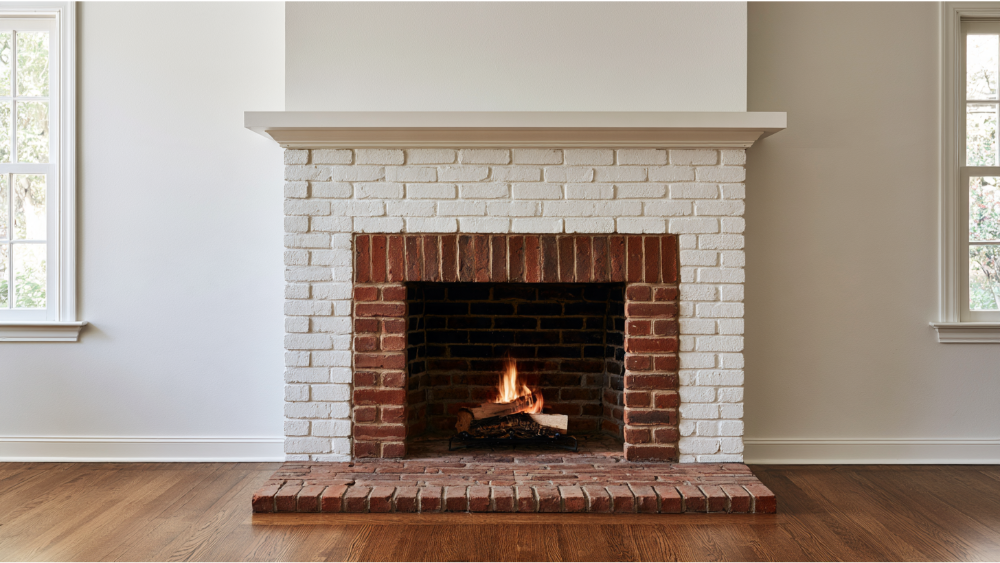
Yes, a brick fireplace surround can be painted with clean, long-lasting results. The finish only holds up when you repair the masonry first, deep clean away the soot, let the brick dry, and use a coating made for masonry. Skip any of those steps and the paint peels, usually within a couple of years. There's one hard rule worth stating up front: never paint the inside of a functioning firebox. That surface sees open flame and needs to stay uncoated unless the manufacturer specifically approves a treatment. If you're contemplating painting and want a result that lasts, we've laid out exactly what to paint, what to leave alone, and how to prep it right in this step by step guide.
Should You Paint Your Brick Fireplace? Benefits and Drawbacks
Painting a brick fireplace brightens a room and gives a dated space a cleaner, more modern look. For many homes it turns the fireplace into the focal point instead of a dark corner, and a fresh coat gives an old brick fireplace new life with relatively little effort. Natural brick, on the other hand, keeps a classic character and needs almost no upkeep, though it can clash with a lighter, contemporary style.
The honest tradeoff is permanence. Paint penetrates the pores of the brick, and removing it later is difficult without damaging the masonry. A painted brick fireplace also shows dust and dirt more than raw brick and needs occasional touch-ups over time. None of that makes painting a bad idea. It just means you should be sure. Paint a sample panel on a hidden section, live with it for a few days, and look at it in daylight and lamplight before you commit to the whole surround.
Know What You're Painting: Fireplace Surfaces Explained
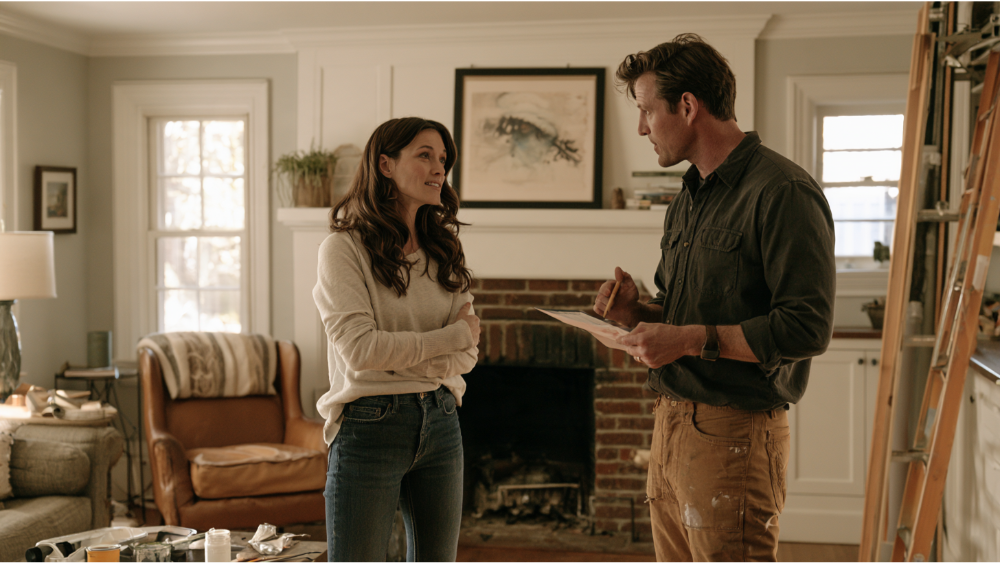
"Paint the fireplace" is where a lot of projects go wrong. A fireplace is several surfaces with different heat exposure and different coating rules. Name the exact one before you reach for a brush. Brick is porous and, near the firebox, sees high temperatures, so high-temperature-safe materials matter in those spots. Some older fireplaces also include decorative tile on the surround or hearth, and tile takes a different approach than brick.
The Brick Industry Association advises against applying surface treatments to functioning fireboxes exposed to open flame. A coating that works fine on the outer face is not automatically safe inside.
When You Should NOT Paint Your Fireplace Yet
Paint hides color. It doesn't fix problems, and sometimes it makes them worse. Run through this list before you prep anything:
- Loose or missing mortar
- Loose or damaged bricks
- Cracks wider than the thickness of a business card
- Efflorescence or a white mineral residue on the surface
- Recurring soot or water staining
- Glazed brick
- An unknown or failing previous coating
The wrong coating over a moisture problem traps water inside the brick and accelerates the damage. The Brick Industry Association warns that coatings can worsen masonry defects when the moisture source isn't addressed first. So diagnose the cause instead of sealing over the evidence. Cracks get masonry caulk or patching compound, and loose mortar gets repaired before any treatment goes on. This is also where full-service capability helps: we handle the masonry and rot repair and the painting with one team, so you're not coordinating two trades on your own.
A Special Warning for Pre-1978 Homes
If your brick is already painted and the job involves scraping or sanding, the federal EPA Renovation, Repair and Painting (RRP) Rule generally applies to paid work in most homes built before 1978. Paint preparation is a covered activity. The minor-repair exception usually applies only when no more than 6 square feet of interior paint per room is disturbed and no prohibited practices are involved. Unless the surface is documented as lead-free, a covered contractor has to follow the rule's certification and work-practice requirements. Cover Pro Painting is EPA Lead-Safe (RRP) Certified, which matters most on older, already-painted fireplaces that need coating removal.
Paint vs. Limewash vs. Masonry Stain vs. Mortar Wash
Different finishes give very different results. Match the product to the look you actually want. These are good ideas to compare before you pick a single paint color.
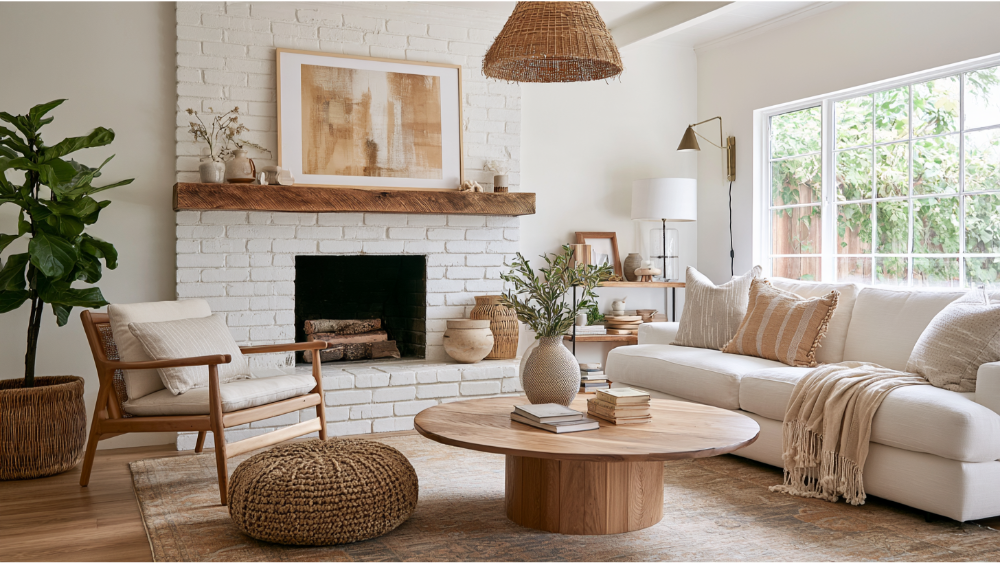
Mineral paints and limewash generally keep more water-vapor permeability than a solid acrylic coat, which can matter for masonry health. Among the best paints for a true, bright, modern look, opaque masonry paint wins. For something softer and more lived-in, stain or limewash is the better fit. A brick fireplace painted white is one of the most popular choices, though a deep dark grey reads sleek and dramatic against lighter walls.
How to Clean and Prep a Brick Fireplace for Paint
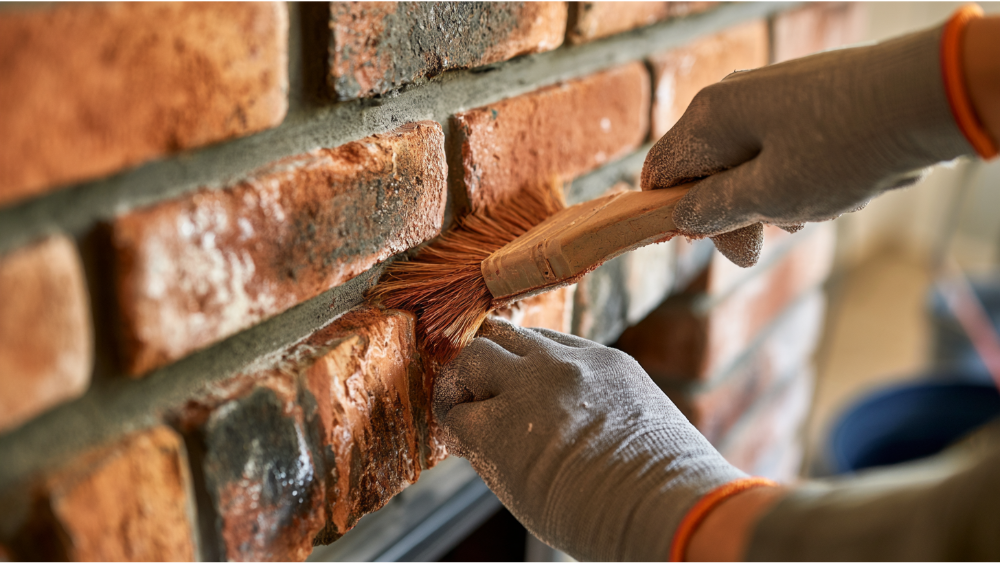
Prep is what separates a finish that lasts from one that flakes. Most peeling traces back to a surface that was never properly cleaned. A real deep clean is the foundation of the whole paint project. Work through it in order:
- Protect the space. Mask the mantel and hearth edges with painter's tape and put down drop cloths to shield the floor.
- Dry brush the loose soot and debris with a stiff wire brush substitute (see the note below).
- Vacuum the loosened material with a shop vacuum.
- Pre-wet the brick, then wash with a grease-cutting detergent and a sponge. Step up to trisodium phosphate (TSP) only if soot remains.
- Test any cleaner on a small, inconspicuous area first to check for discoloration.
- Rinse carefully so no dirt or residue stays behind, leaving a clean surface for primer.
A quick note on brushes
Plenty of how-to guides tell you to use a stiff wire brush. Current masonry-industry guidance for fireplace surrounds specifically recommends a non-metallic, stiff-bristled brush instead, since a wire brush can leave metal traces and scratch the surface. We follow the masonry guidance here.
How Long Should Brick Dry Before Priming?
Brick absorbs water, so it needs to dry completely after cleaning. Wait at least 24 hours after cleaning before priming, and longer in humid conditions. If the masonry is new or was just repaired, give it at least 30 days to cure before any treatment. To check whether the brick is dry enough, tape a 4-mil plastic sheet flat against it and seal the edges for at least 16 hours. If moisture collects under the plastic, the brick needs more time. This is why we don't promise a universal "one weekend" timeline. Repairs, previous coatings, and site conditions all move the schedule.
Choosing the Right Primer, Interior Paint, and Sheen for Brick

Primer does two jobs on brick: it gives the topcoat something to grip on a porous surface, and it blocks soot and stains from bleeding through later. A masonry bonding primer handles both, and on a brick fireplace it's the step that makes or breaks adhesion. Primer selection should account for the brick's porosity, alkalinity, any staining, and whatever coating may already be there. If your tile or trim is bare, prime those too so the whole surround takes paint evenly.
Sheen is a judgment call, not a fixed rule. A matte finish and other lower sheens hide surface variation and keep a natural look, while a semi gloss wipes clean more easily but tends to highlight every defect in the texture. Ordinary regular paint isn't built for masonry, so reach for a product made for the job. We use premium interior paint products backed by lifetime manufacturer warranties, and a free color consultation comes with the project so the paint color and sheen suit your room before anything goes on the walls.
Step-by-Step: Painting a Brick Fireplace
Once the primer is dry, you can begin painting, and painting a brick fireplace follows a simple order.
- Tape off the mantel, walls, and hearth edges with fresh painter's tape.
- Prime the surround and let it dry fully.
- Apply paint into the mortar lines first with a brush. These recesses are easy to miss with a roller.
- Roll or brush the brick faces, keeping coverage even.
- Let the first coat dry per the product instructions, then apply the second coat. Two coats are usually necessary for durability and even color.
- Avoid heavy film buildup. Thick, repeated coats reduce the brick's vapor permeability.
Two well-applied coats beat four heavy ones every time, and the same color goes further when the primer underneath is even. Matching the wall color to the brick gives the entire room a calm monochromatic look, while a contrasting shade lets the fireplace stand apart in your living space.
How to Repaint an Already-Painted Brick Fireplace
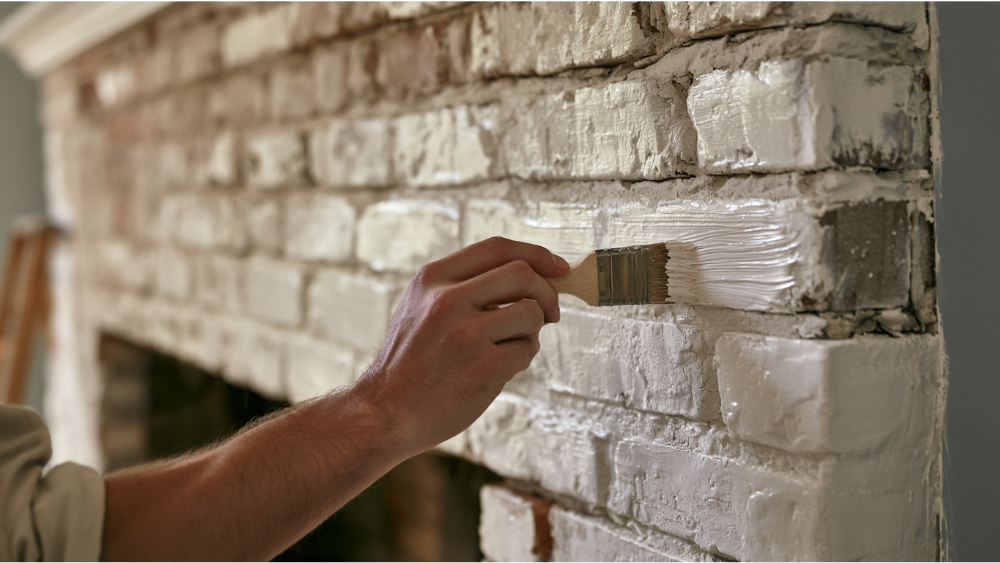
Start by assessing the existing coating. Look for flaking, blistering, or chalking. If the old paint is sound, you can often clean it, spot-repair trouble areas, and repaint in the same color or a new one. If it's failing across the surface, you may need more extensive removal, and taking paint off brick is slow work that risks damaging the masonry. We'll cover that in a dedicated paint-removal article soon. And the pre-1978 lead-safe reminder applies here too: scraping or sanding old paint is covered work.
Dry Time, Cure Time, and When You Can Use the Fireplace Again
Three different clocks are running, and people confuse them. Dry-to-touch means the surface feels dry. Recoat time is when the first coat is ready for the second. Full cure is when the paint has reached its final hardness, and that takes longer than either. Wait for full cure per the product instructions before you build a fire near the painted surround. Give the mantel special attention, since wood trim near the heat can take longer to cure than the brick. And the firebox itself stays uncoated regardless.
Cleaning and Maintaining a Painted Brick Fireplace
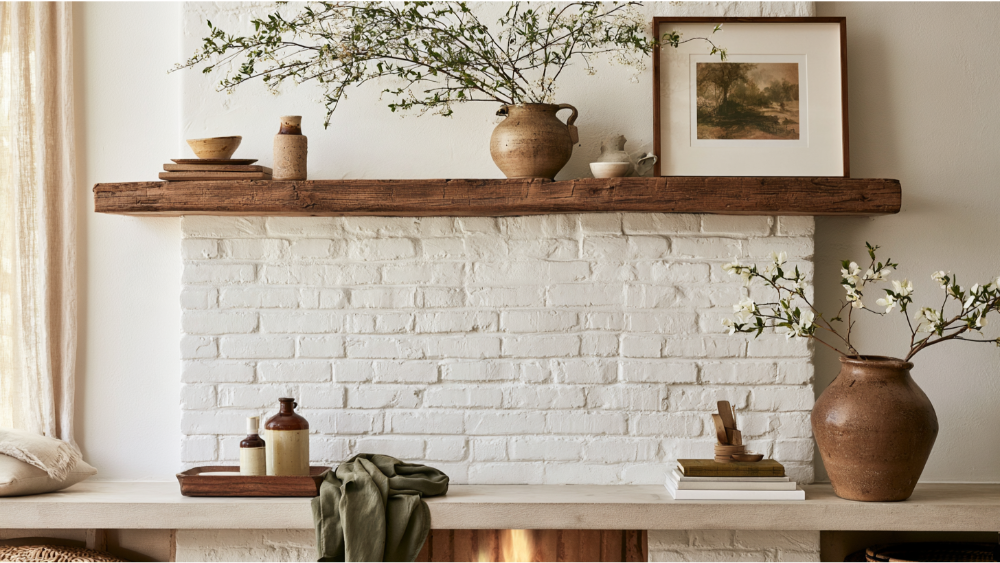
A painted brick fireplace shows dust and dirt more than raw brick, so plan on light dusting across the entire process of ownership. Clean it with a soft cloth or a damp sponge. Keep your leftover paint sealed and labeled, because painted brick does need the occasional touch-up where it gets bumped or scuffed over a few years.
DIY or Hire a Professional, Plus More Ideas to Consider
DIY is reasonable for a sound, unpainted surround that just needs cleaning and a careful coat. Lean toward a professional when there's rot or masonry damage, a previously painted pre-1978 surface, recurring soot or moisture, or when you want a warrantied finish. If you're seeing cracking, smoke leakage, or black staining that keeps coming back, inspect before you paint. The CPSC recommends a professional inspection of fuel-burning fireplaces and their venting once each year, and its 2026 guidance estimates fireplaces and chimneys were involved in an average of 15,400 fires, 30 deaths, and 90 injuries per year over 2020 to 2022. Beyond paint, more ideas worth exploring are refinishing the mantel in a complementary style, updating the tile, or repainting the surrounding walls so the whole room reads as one. You can even carry a coordinating color out to a covered patio so the living area and the outdoor space feel connected. With a full-service team, the painting and any rot or carpentry work come from the same crew, and the rest of the project stays on one schedule. The goal is a finish that looks great from the ceiling down to the floor.
Get a Free Estimate from Cover Pro Painting
Cover Pro Painting is a founder-led team with over 13 years in business and more than 100 years of combined painting experience. We're licensed, bonded, and insured in Washington State, EPA Lead-Safe (RRP) Certified, and we back exterior projects with a five-year warranty using premium products. Interior and exterior painting, plus rot repair and carpentry, all handled by one team so you're never managing two contractors. Want to know exactly what your fireplace project involves? Get My Free Painting Estimate: call 206-222-0435 or request one online.
Frequently Asked Questions
Is painting a brick fireplace a good idea? For a sound, unpainted surround, yes, as long as the prep is done right. Just weigh the permanence and the light upkeep before you commit, since paint is hard to remove from porous brick.
What is the best paint color for a brick fireplace? Neutrals like white and gray are the most common because they brighten the space and suit most interiors. A bold shade creates striking contrast and a clear focal point. It comes down to your preference and the look you want.
What type of paint do you use on a brick fireplace? A quality acrylic or masonry paint over a masonry bonding primer. Never use ordinary interior paint inside the firebox, which stays uncoated unless the manufacturer approves a treatment.
Can you paint over previously painted brick? Yes. Assess adhesion first, address any flaking or blistering, and follow EPA lead-safe steps if the home was built before 1978.
