



Moisture-Resistant Paint for Bathrooms: What Actually Works?
Key Takeaway
Moisture resistant paint for bathrooms is a premium acrylic or latex coating with built-in mildew inhibitors that handles everyday humidity and condensation, not direct water or leaks. Satin is the safest default finish for walls, and semi gloss works best on trim and splash zones. Pair the right paint with a properly vented exhaust fan, since bathrooms can hit near 100% humidity after a hot shower, and the finish will realistically last five to seven years.
For most full bathrooms, the best paint is a premium water-based acrylic or latex coating that's labeled for bathrooms and high moisture areas and carries mildew resistance. Satin is the safest all-around wall finish, and semi gloss handles trim and splash-prone spots. This guide is for homeowners planning (or redoing) a bathroom repaint who want results that hold up, not a finish that peels in two years. Here's the part most guides skip: the best bathroom paint is one piece of a moisture-management system, not just a sheen. Get the whole picture right and the coating lasts.
What "Moisture Resistant Paint for Bathrooms" Actually Means
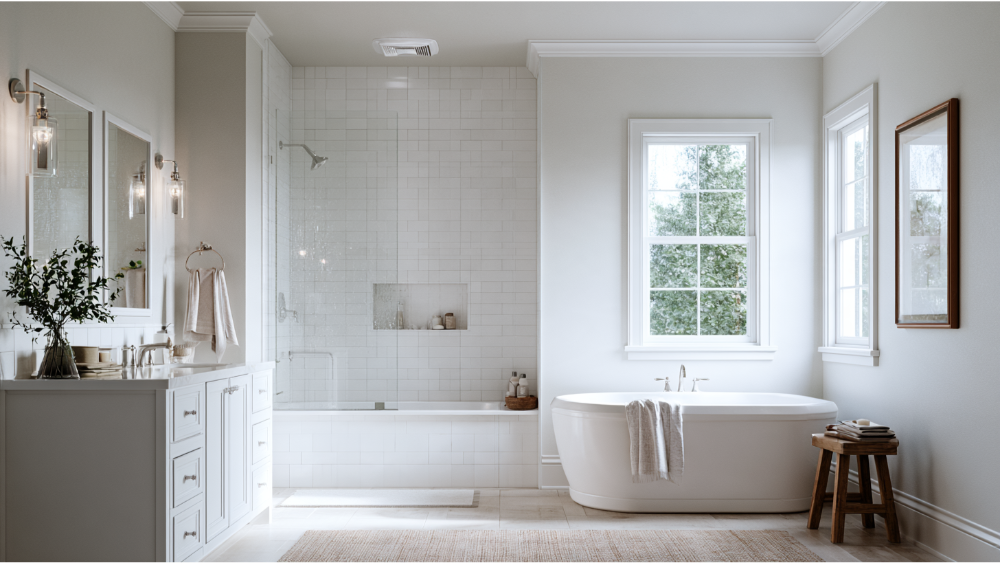
Moisture resistant paint for bathrooms is built to shed humidity and condensation, wipe clean without breaking down, and carry a mildew-inhibiting additive baked into the cured film. That additive helps keep painted walls and ceilings cleaner between repaints and does real work to prevent mold from settling in. It's a clear advantage over regular interior paint and ordinary flat paint, which tend to absorb moisture and can give mold and mildew a place to take hold.
Be clear about what this paint type does not do. It won't repair a leak, remove mold that's already there, or protect damp drywall hidden behind the coating. Paint is the last step, not the fix. If moisture is still getting in, even the best bathroom paint fails from behind.
Moisture Resistance vs. Mildew Resistance vs. Waterproof Paint
These three terms get used interchangeably, and that confusion causes real problems. Here's the honest breakdown.
This matters because a high humidity bathroom can hit close to 100% humidity after a hot shower. Bathroom wall paint is not a shower lining. Technical data sheets for purpose-made bathroom paints explicitly exclude shower enclosures, steam rooms, saunas, and surfaces with constant moisture or prolonged water contact. Inside the shower you need an approved waterproofing system, not a coat of satin. Moisture resistance in paint is about the everyday humidity that fills the room, not direct spray.
Why the Exact Formula Matters More Than the Finish Name
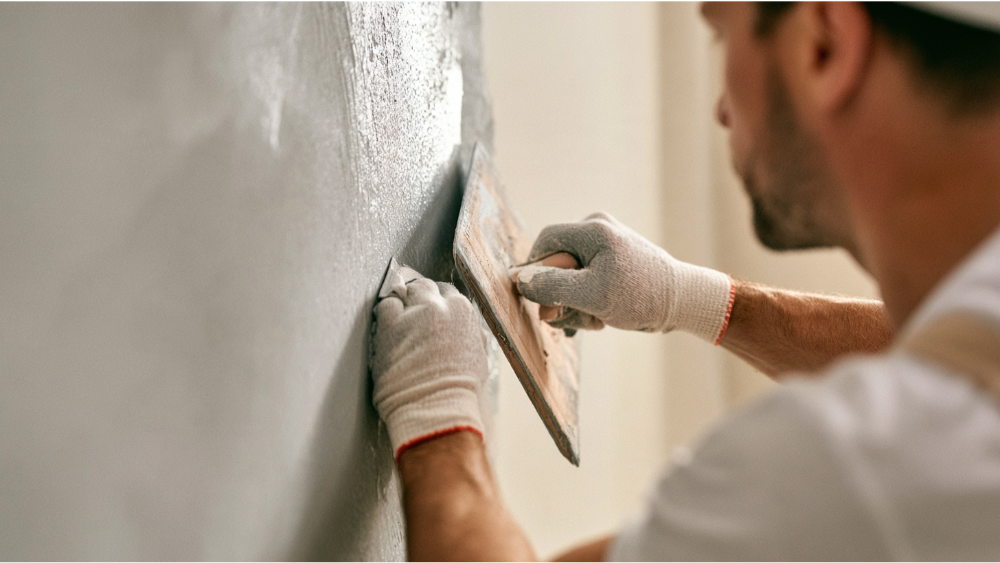
Picking "satin" isn't the decision that counts. What counts is whether the exact product is rated for high humidity bathroom use. Some specialty matte coatings are engineered and approved for baths. Some ordinary flat paint options are not approved for high humidity at all. The label tells the truth, not the sheen name.
A premium acrylic or latex coating formulated for humid environments is where lasting quality starts. In a small bathroom, a low-VOC, low-odor formula also makes a noticeable difference to the air you breathe while it cures. We use premium paint products backed by lifetime manufacturer warranties, because the right coating paired with proper surface prep is what delivers results that actually hold.
What Is the Best Paint Finish for Bathroom Walls?
Higher sheen creates a tighter film, and a tighter film helps paint resist moisture penetration and wipes down more easily. The tradeoff is that higher sheen shows wall imperfections more. Here's how the sheens stack up for a bathroom.
- Matte: Only if the product is explicitly bathroom-rated. Standard matte finishes absorb moisture and should be avoided in a full bath.
- Eggshell: A soft sheen that's more flexible for a powder room with no shower. Moderate cleanability.
- Satin: The all-around default and best option for full bathroom walls. Resists moisture, easy to clean, forgiving on the eye.
- Semi gloss: A semi gloss finish is best for trim, high-splash areas, and walls that get scrubbed often.
Skip ordinary flat paint unless the label specifically permits high-humidity use. In most high moisture areas it absorbs moisture and invites mold and mildew issues.
Bathroom Paint Recommendations by Surface
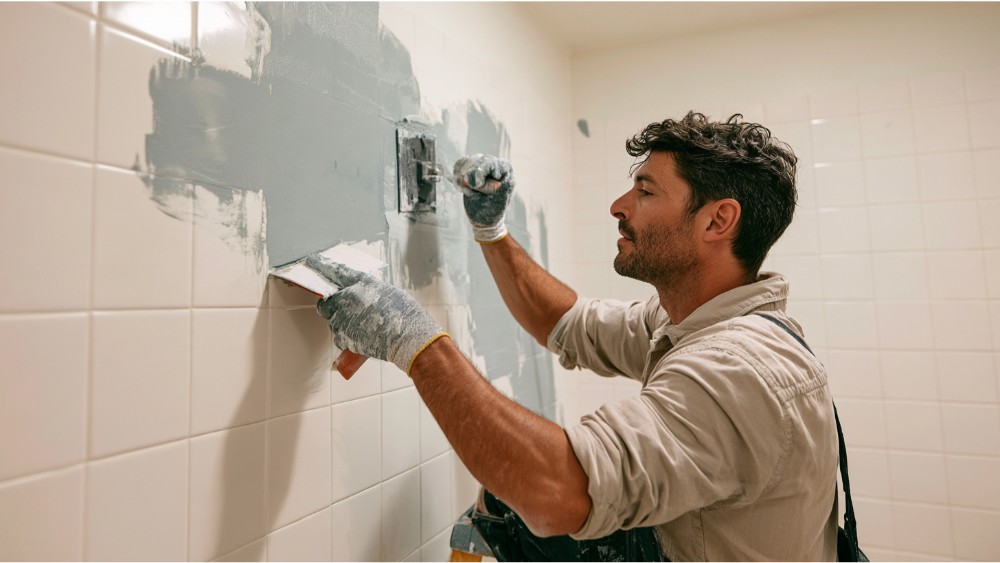
Different surfaces face different exposure, so they call for different coatings. Walls above the tile, the area around the toilet, and any spot exposed to splashes each have their own demands.
A Word on Bathroom Ceilings
Bathroom ceilings take the brunt of rising steam, so they're prone to mold and mildew issues even when the walls look fine. A moisture resistant paint rated for high humidity belongs up there, not a builder-grade flat paint left over from another room in the house. If you want a lower sheen on the ceiling for a softer look, confirm the label approves that paint type for damp rooms first.
Don't Paint Yet If You See These Warning Signs
Painting over an unsolved problem just buys you a faster failure. Stop and address the cause first if you see any of these:
- An active leak
- Soft or swollen drywall
- Peeling or bubbling paint
- Persistent condensation that won't clear
- A musty odor
- Visible mold or mildew
- Soft or deteriorated wood
The EPA advises against painting over mold. Remove it, fix the moisture source, and dry the surface first. These are exactly the situations where full-service capability matters. When moisture has softened drywall, damaged trim, or caused rot, the repair comes before the paint, and we handle rot repair and carpentry as part of the same job.
Surface Prep for Clean, Long-Lasting Results
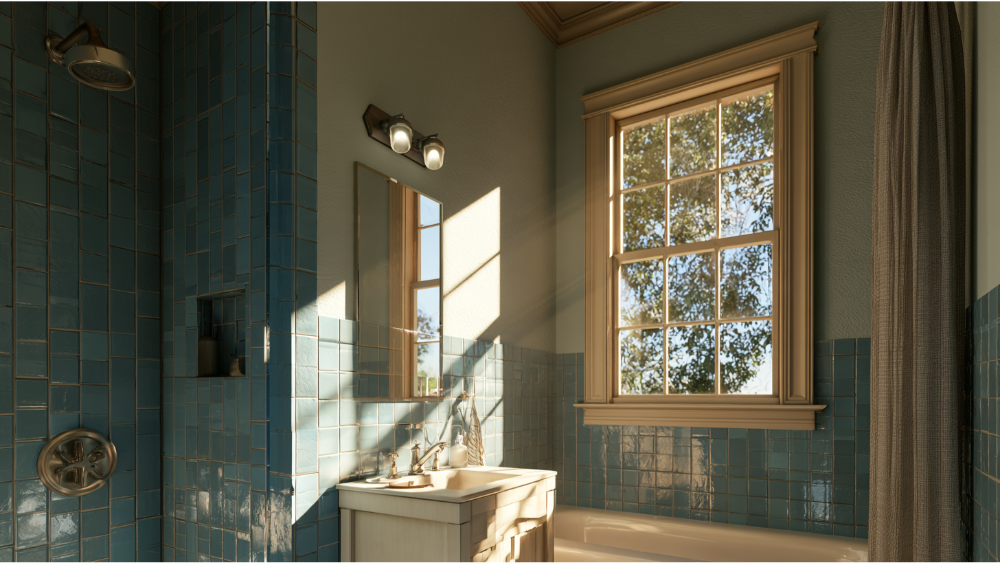
Prep is where lasting results are won or lost. A premium coating over a dirty or damaged surface still fails. Here's the order that holds up:
- Clean first. Wash away soap film and residue with water and a mild detergent, then rinse.
- Remove loose paint. Scrape and sand any peeling or flaking areas back to a sound surface.
- Repair defects. Fill cracks and holes, and replace damaged drywall or trim before you prime.
- Address mold at the source. The EPA notes that mold under about 10 square feet can usually be handled by a homeowner in most cases. Dry any damp materials within 24 to 48 hours to limit regrowth.
- Dry everything completely. Moisture trapped under paint is a guaranteed peel.
One safety note: scraping or sanding in a home built before 1978 can release lead dust. Cover Pro Painting is EPA Lead-Safe (RRP) Certified, so older-home prep is handled with the right containment and attention to detail.
Do Bathroom Walls Need Primer?
Not always, and not never. The right answer depends on what you're painting over:
- Prime bare or freshly patched drywall.
- Seal persistent stains after you've fixed what caused them.
- Use an adhesion primer over glossy or difficult surfaces.
- Over sound existing paint, a quality self-priming bathroom coating may be enough on its own.
Where conditions call for it, a dedicated moisture-blocking primer adds adhesion and long-term protection. Follow the coating's own label for substrate requirements. It's written for the exact product you're using.
Proper Ventilation Protects the Finish
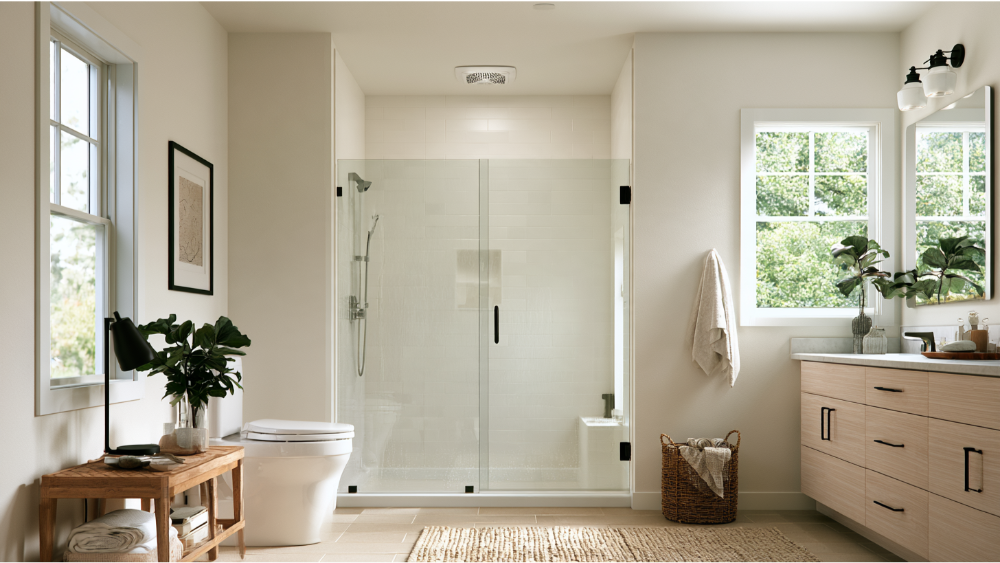
Moisture control is the real strategy for mold prevention, and it does more for your paint than the paint does for itself. The exhaust fan has to vent outdoors, not into the attic, where it just moves the problem. Run that fan during and after every shower, and crack a window if you have one. The EPA recommends keeping indoor relative humidity below 60%, and ideally between 30% and 50%. A hot shower can push a bathroom toward 100% humidity, so the fan is working harder than you think. Pairing proper ventilation with moisture resistant paint for bathrooms is the combination that actually keeps a finish clean and limits mold growth.
A few other habits help too. Leaving the fan running an extra ten minutes, keeping the light and fan on the same switch so you don't forget, and wiping down a steamy mirror all shave humidity out of the room. Ventilation also matters during painting. The new coating needs airflow to cure, and trapped moisture slows everything down. No paint can make up for poor ventilation.
Drying, Curing, and Returning the Bathroom to Service
Dry-to-touch, recoat-ready, and fully cured are three different milestones, and they're not interchangeable. A wall can feel dry long before the film is tough enough for frequent cleaning. Follow the product's stated recoat, shower-return, and cleaning times rather than any one-size-fits-all rule. High humidity, low temperature, weak airflow, and a heavy coat all slow curing. On a professional job, that timing is built into the plan, so the bathroom goes back to normal use without risking the finish.
When a Professional Painter and Repair Make Sense
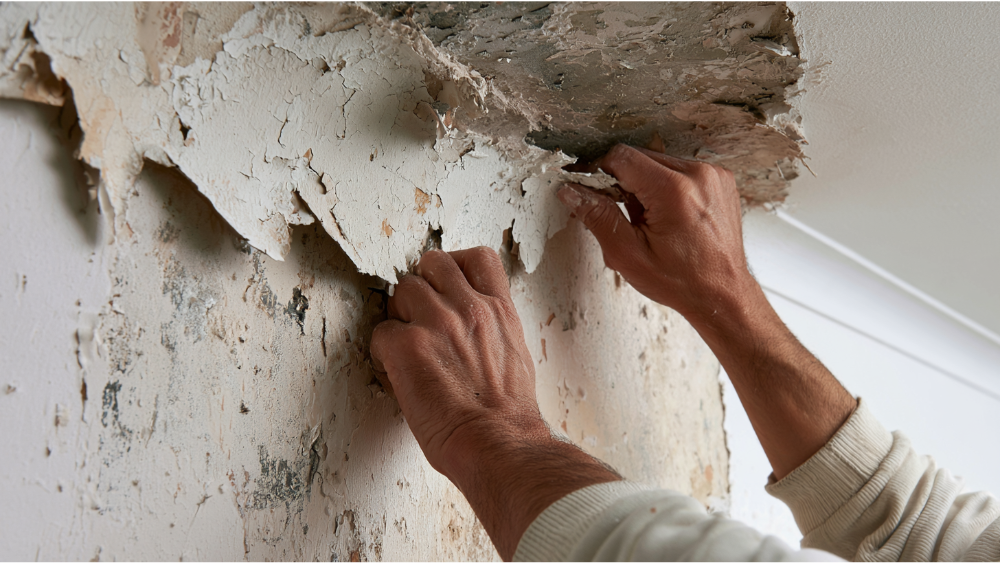
Plenty of bathrooms are a straightforward DIY repaint. Others aren't. It's worth bringing in a professional painter when you're dealing with repeated paint failure, an older home, or damaged drywall, trim, or wood that needs repair before a brush ever touches it. Coordinated repair and painting, tricky ceilings, and high-detail work also reward experience. Most people find their baths typically need repainting every five to seven years, and doing the prep right stretches that timeline while protecting durability. Because we handle rot repair, siding, carpentry, and painting as one founder-led team, you're not managing multiple contractors to get the paint job done.
Get a Free Estimate from Cover Pro Painting
Cover Pro Painting is a founder-led team that's licensed, bonded, and insured in Washington State and EPA Lead-Safe Certified. We use premium paint products, keep communication clear from start to finish, and give you a transparent estimate before any work begins. We serve Edgewood and the greater Seattle-Tacoma area. First-time customers get 10% off, and 0% APR financing is available through Paint Now, Pay Later. Ready to start? Get My Free Painting Estimate by calling 206-222-0435.
What is the best paint type for a high humidity bathroom?
A premium acrylic or latex coating rated for bathrooms and high humidity areas, with built-in mildew resistance. Satin is the safest default for walls, with a semi gloss finish for trim and splash zones.
Frequently Asked Questions
Is bathroom paint waterproof?
No. Bathroom paint is moisture resistant, meaning it handles humidity and occasional condensation. It is not a shower waterproofing system, and manufacturer data sheets specifically exclude shower enclosures and prolonged water contact.
Does mildew resistant paint stop mold?
It inhibits mildew growth on the cured paint film, which keeps the painted surface cleaner and helps prevent mold from taking hold. It does not kill existing mold or fix the moisture source behind the wall. Remove mold and correct the cause before you paint.
Do bathroom walls always need primer?
No, it depends on the surface. Bare or patched drywall, persistent stains, and glossy surfaces call for primer. Over sound existing paint, a quality self-priming bathroom coating may be enough. Always follow the product label.
What is the best paint finish for bathroom ceilings?
A bathroom-rated coating designed to resist moisture in high humidity. A specialty matte can work on ceilings and give a softer look without too much shine, but only if the label explicitly approves that paint type for high-humidity use.
