
%201.svg)


Expert Methods to Fix Uneven Paint Coverage in Your Edgewood Home
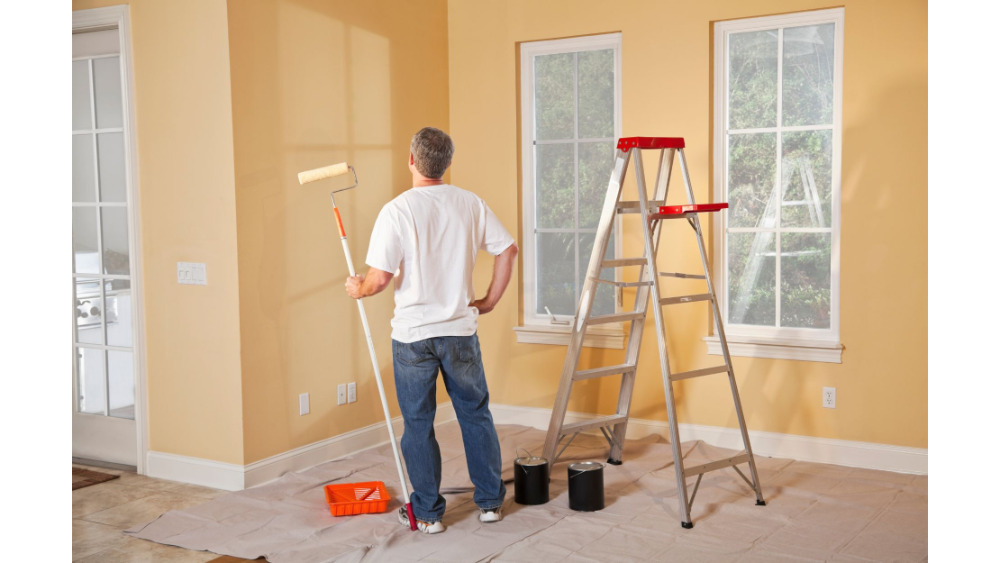
Uneven paint coverage isn’t just an eyesore. It undermines the entire look of a room or exterior, making even fresh paint jobs appear rushed or unfinished. For homeowners in Edgewood, where summer months bring longer daylight hours and more sun exposure, surface flaws become even more obvious. Whether it’s patchy walls, streaks, flashing, or noticeable color differences, these issues can be frustrating, especially after taking the time to have the home painted or touched up.
Over time, these paint imperfections not only affect the visual appeal but can also lead to deterioration. Inconsistent coverage leaves some areas less protected against moisture and sun, which can damage siding, trim, or interior walls. Fixing the problem means getting to the root of what caused it and applying trusted professional methods to correct it. For local residents using painting services in Edgewood, learning about the key causes and solutions can help decide when to take the next step toward correcting and protecting their homes properly.
Common Causes Of Uneven Paint Coverage In Edgewood Homes
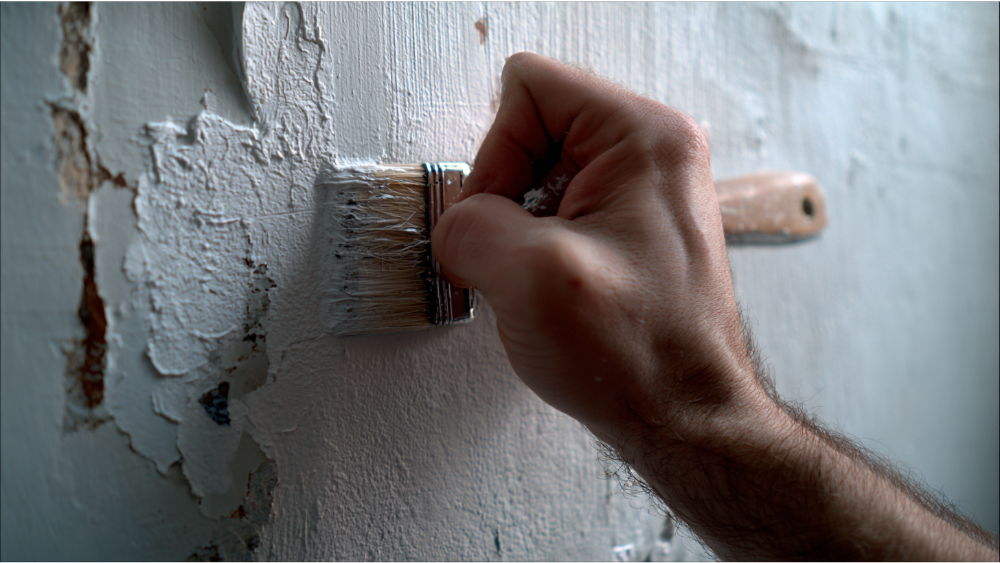
Uneven paint coverage often starts with what’s underneath the surface or what wasn’t done before picking up a brush or roller. The most common cause is poor surface prep. If the walls or exterior were dirty, peeling, or covered in old paint, even the best paint will not go on evenly. Skipping important steps like cleaning, scraping, or sanding makes it hard for paint to stick and spread properly.
Temperature and humidity in Edgewood also play a part. During summer, high temperatures and quick drying times can lead to lap marks and patchy spots, while humid conditions may prevent the paint from curing evenly. If paint is applied in direct sun, it may dry before it can be spread correctly, leaving visible lines and inconsistent coverage.
Using the wrong tools is another factor. Cheap rollers can leave behind lint or fail to hold enough paint. Brushes that are too stiff or too soft for the type of paint or surface can lead to streaks. Applying paint too thin or without overlapping each stroke can also contribute to an uneven look. Low-quality paint may require more coats than expected, so stopping at one coat often results in a patchy appearance.
Here are a few key reasons uneven paint jobs happen in Edgewood homes:
1. Skipped or rushed surface preparation such as sanding or priming
2. Painting under poor weather conditions like high humidity or excessive sunlight
3. Using the wrong type of brush or roller for the surface
4. Applying only one coat of paint when multiple coats were needed
5. Painting over glossy finishes without dulling or priming first
In many cases, homeowners will not notice the issue until after everything dries. At that point, color inconsistencies and lap marks become much more obvious, especially near windows, corners, or large open walls where light hits uneven surfaces directly. Fixing it means more than applying another coat of paint. It requires a proper evaluation and the correct remediation steps.
Expert Techniques To Fix Uneven Paint
Once the uneven areas are identified, correcting them the right way involves proper preparation and application. One effective method is to lightly sand the affected area to smooth out blurry edges or buildup from too much paint. This helps merge the uneven section with the rest of the wall for a more uniform look. It is important to clean the surface after sanding to remove all dust.
Priming is often necessary before repainting. A good primer strengthens the bond between the surface and the new coat while helping the new paint blend with the surrounding areas. Skipping primer can worsen the issue and create more noticeable differences in color or finish.
Consistent application techniques are key. Our professionals follow standard practices when addressing uneven paint coverage:
1. Keeping a wet edge. Always painting into a still-wet area reduces lap marks and lines.
2. Using consistent strokes. Rolling in the same direction with steady pressure prevents uneven layering.
3. Working in small sections. Dividing larger surfaces into manageable sections allows for better control.
4. Applying multiple thin coats. A thick, single coat may not solve coverage problems. Two or more thin coats offer better results.
Matching the exact paint color and sheen is equally important. If the original product is no longer available or was custom mixed, applying a patch of new paint that is even slightly off in tone will be clearly visible once dry. Using stored leftover paint can work well if it has been preserved correctly. Testing matching paint on a small area first can save time and materials.
Correcting poor coverage is not just about how the paint looks. It is about providing lasting protection and consistency, especially during long, bright summer days when imperfections show up more clearly.
Preventative Measures to Ensure Even Paint Coverage
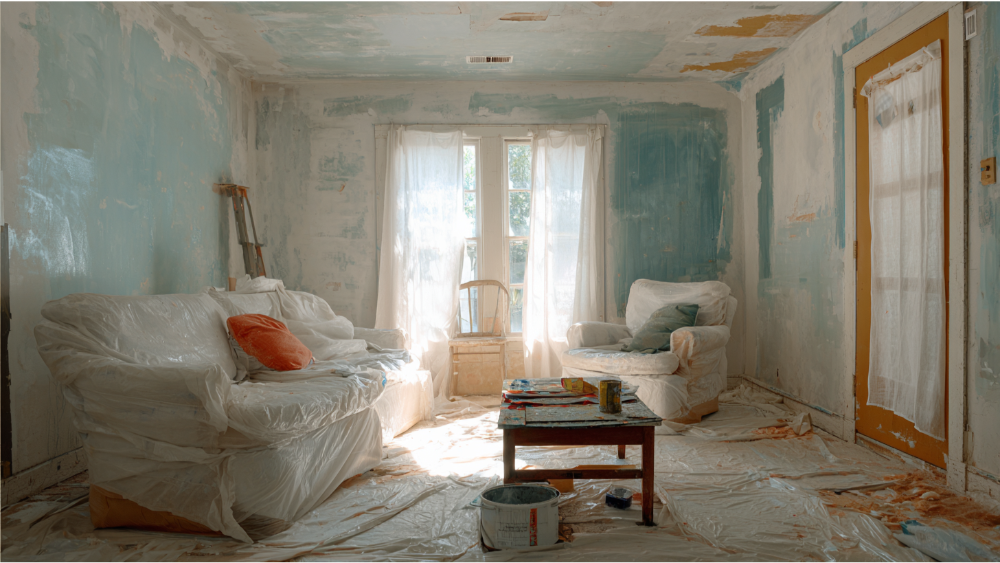
After resolving existing paint issues, preventing uneven coverage in future projects becomes the next focus. Homeowners in Edgewood benefit from understanding what to do—and what to avoid—before their next paint job begins.
Professional work always starts with an inspection. On interior walls, surfaces should be cleaned of dirt, oils, and past paint residue. On exteriors, old paint, mildew, and dust need to be fully removed. Shortcutting these steps leads to weak adhesion and patchy results. Some areas may even require minor repairs to address water or sun damage before moving on to painting.
Using the right materials adds long-term reliability. For instance, selecting flat or matte paint in a high-traffic area might seem like a good idea at first but may trap smudges or marks. Later touch-ups could produce inconsistent results if the product is not chosen correctly from the beginning. Matching paint type to room activity and lighting helps preserve uniform appearance and performance.
Ongoing maintenance also plays a role. Here are several ways to extend paint job life and prevent unevenness:
1. Watch for early signs of peeling, bubbling, or fading
2. Clean painted surfaces with gentle cleaners and soft cloths to avoid scratching or stripping
3. Avoid bleach-based solutions or abrasive tools that may affect the finish
4. Schedule professional inspections annually in high-moisture rooms such as bathrooms and kitchens
Stopping issues early through regular care will delay the need for repaints. Professional-level prep and precision from the start remain the best way to ensure even results.
Local Expertise Matters in Edgewood Homes
Homes in Edgewood deal with specific painting challenges throughout the year. Bright and prolonged sun during summer means exterior walls can dry too quickly, making it difficult to achieve uniform appearance. Indoors, older surfaces, detailed trim, or varying textures add to the challenge. Each condition demands expert handling.
Our professionals are familiar with Edgewood’s seasonal conditions. In south-facing areas, sunlight impacts how fast paint dries, making it critical to apply paint section by section. On shaded exterior walls, moisture retention becomes a concern, especially after rainfall. These surfaces often require longer drying periods and specialty primers.
Edgewood homes also vary in construction details. Textured surfaces or detailed wood trim are more common in older homes and require careful preparation and coating. Uneven surfaces like stucco or aged siding need more than just a repaint. We may need to smooth or fill areas, apply a bonding agent or primer, and proceed using paint types designed for unique substrates.
One local case involved a hallway in Edgewood that appeared glossier near the front entry than along the rest of the wall. After inspecting the area, our team found the section had been missed during priming and over-rolled in sunny conditions. We resolved it by sanding the glossy section, reapplying primer only in that area, and repainting the whole surface using proper sectioning and lighting to confirm consistency. The finish was clean, and the surface looked brand new.
Painting homes in Edgewood requires more than just technical skill. It demands an understanding of the town’s climate, residential design features, and daily exposure patterns. Our professionals take every one of these into account.
Trust Cover Pro Painting for Your Edgewood Home’s Painting Needs
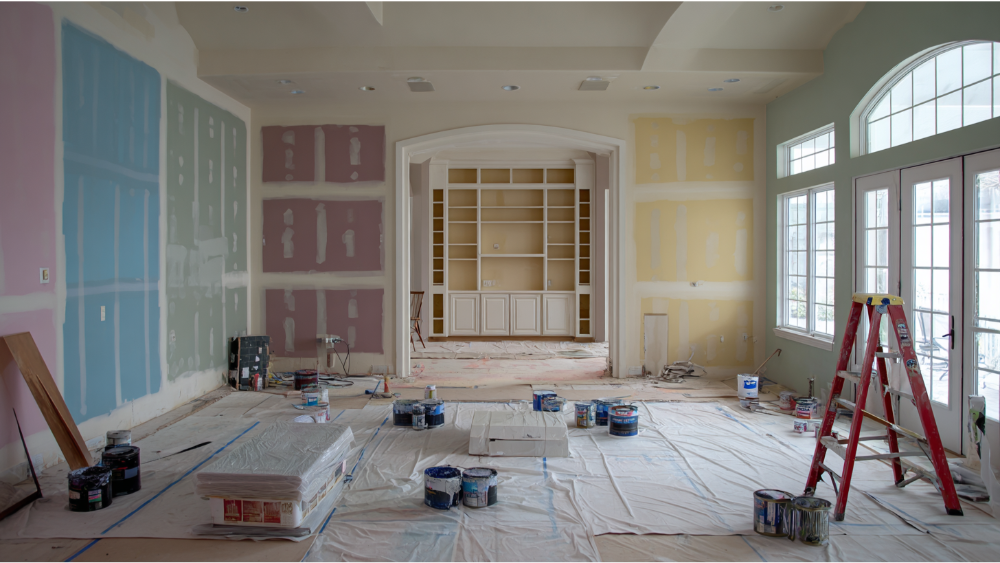
Correcting uneven paint coverage does not stop with applying another coat. It starts with understanding what went wrong and how to fix it properly. From exterior siding to high-traffic interior walls, consistent coverage improves both the appearance and protection of your home.
Our technicians bring the right blend of product knowledge, application experience, and local awareness to each job. Whether it's repairing a poor paint job or starting fresh with high-quality materials, we focus on long-term value and satisfaction. Let our professionals take the guesswork out of the process and deliver reliable, even results for your Edgewood home.
Ready to ensure your home has smooth, even paint coverage using proven techniques and quality materials? Cover Pro Painting invites you to learn more about our painting services in Edgewood to achieve long-lasting, professional results. For a quick estimate or to book a service visit, please contact us today.
