


Metal Primer Paint: How to Choose the Right Primer for Any Metal Surface

Key Takeaway
Metal primer paint is a base coat that bonds finish paint to metal and blocks rust using active anti-corrosive chemicals. No single primer works on every surface: rust-inhibitive formulas suit bare iron and steel, while galvanized and aluminum metals require non-ferrous or zinc-compatible systems. Always match the primer label to your exact substrate and topcoat for lasting results.
What Is Metal Primer Paint?
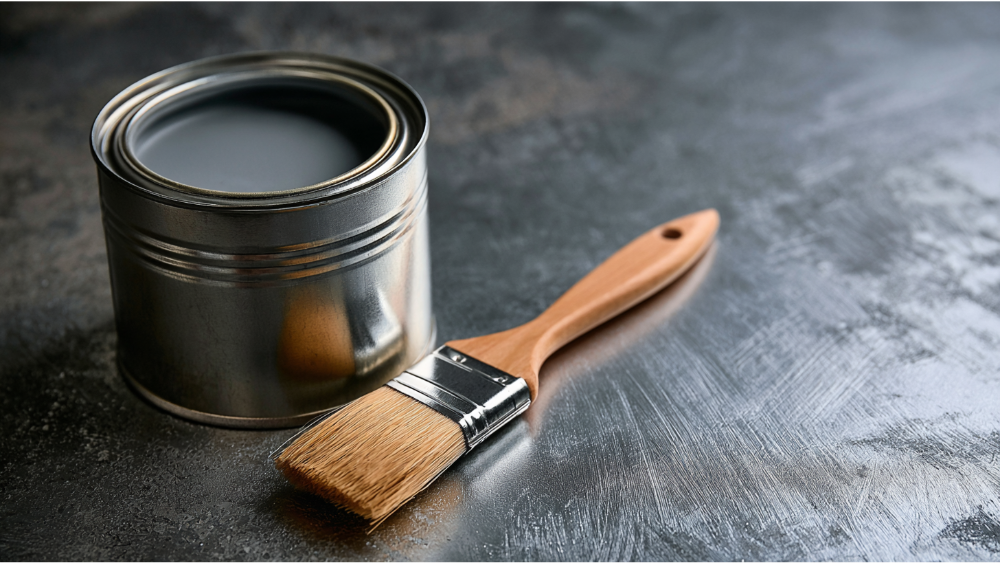
Metal primer paint is a base coat applied before the finish coat. It helps paint bond to the metal and protects the surface from rust and corrosion, using active anti-corrosive chemicals built into the formula. Here's the part most guides skip: no single primer works reliably on every metal, so the right coating depends on the exact surface you're painting. Whether you're deciding to tackle a railing yourself or hand off a larger job, the rule holds. Choose by the surface, not the label on the front of the can.
Do You Need Primer Before Painting Metal?
Most of the time, yes. Bare metal needs priming to drive adhesion and inhibit rust, because finish paint doesn't grip smooth metal well on its own. A sound existing coating can be recoated with a compatible system. Factory finishes should be tested first, since ordinary primer may not stick. Direct-to-metal (DTM) products can sometimes act as both primer and finish, but only on the substrates the label lists and only after proper surface prep.
Don't treat "paint-and-primer in one" as a shortcut. That category is usually designed for recoating sound, previously painted surfaces, not for covering bare or rusted metal. The safest way to think about it: your primer and topcoat are one coating system, and they have to be compatible with each other.
How to Choose Primer by Metal Type and Condition
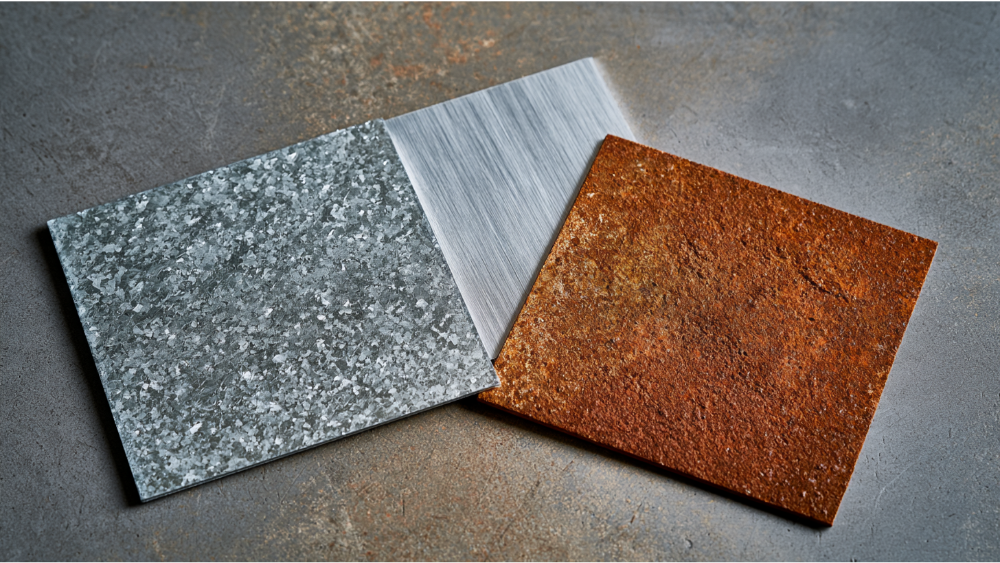
Different metals react differently to moisture and chemical bonding. Match the product to the surface.
Galvanized metal is the biggest trap, and the reason is simple: that zinc coating reacts badly with the wrong chemistry. Don't assume any self-etching primer will give you superior adhesion. Use a label that specifically lists galvanized steel. Cast iron has its own quirk: old pieces hold rust deep in the casting, so clean thoroughly before any coating goes on.
The Main Types of Metal Primer
- Rust-inhibitive primers for iron and steel
- Waterborne acrylic metal primers
- Alkyd primers for appropriate ferrous substrates
- Epoxy primers for demanding, high performance exposure
- Zinc-rich primers
- Wash or self-etching primers that use mild acid to bite into slick surfaces
- Direct-to-metal primer/finish systems
Some of these are high solids coatings built for harsh conditions, where a thicker film, once applied, creates a more durable barrier against moisture. Chemistry alone doesn't confirm compatibility, so always check that the label lists your metal and your topcoat. Staff at good paint stores can offer advice on matching a system to your surface, but the printed label is the final word.
How to Prepare and Prime Metal the Right Way

Surface prep decides whether a coating lasts or fails. We lead with it on every job, and you should too.
- Inspect for structural damage and moisture sources.
- Check whether pre-1978 lead-paint rules may apply.
- Remove oil, grease, dirt, and salt with detergent or solvent.
- Wire-brush loose rust, scale, and failed paint.
- Dull glossy coatings or create the required profile.
- Wipe away dust and residue for a clean surface.
- Let the surface dry fully.
- Prime promptly, within the label's window, using thin coats to avoid runs.
Dew point matters more than people expect. A surface can look dry and still hold condensation. Around the greater Seattle-Tacoma area, cool, damp, rainy conditions narrow the exterior application window, so timing is part of the job. Check the product's safety data sheet before you start, and follow the recommended coat count and dry times printed on the can.
Can You Prime Over Rust, and When Is It Repair Instead?
It depends on the rust. Light, tightly adhered surface rust can sometimes be coated with a product rated for sound rust after proper prep. Loose or scaling rust has to be removed. Pitted metal tends to fail first right where it's pitted. Perforation, failed fasteners, unstable joints, or rust from active leaks or dissimilar-metal contact means repair or replacement, not paint over the problem. Coating is cosmetic and protective. It cannot restore metal thickness or structural stability.
When to Call a Professional
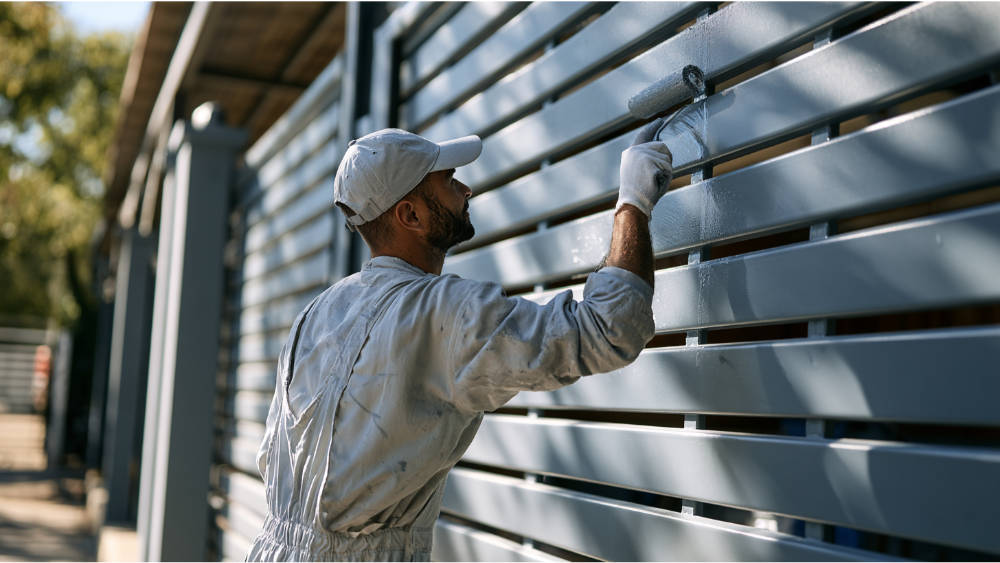
Some projects are worth handing off: large exterior metal on a house, complex railings, recurring corrosion, powder-coated or unknown factory finishes, and pre-1978 painted metal like steel windows, doors, radiators, gutters, and trim where lead-safe practices apply. Metal next to damaged siding, trim, or rot is another one, and so is spraying near occupied or neighboring areas.
We're a founder-led, EPA Lead-Safe (RRP) Certified team, licensed, bonded, and insured in Washington State. Because we're full-service, painting and repairs like rot repair, siding, and carpentry run through one team, backed by proper surface prep and our warranties. The recommended disposal note for our part of the country: Washington's PaintCare accepts architectural paint and primer in containers five gallons or smaller, while aerosols and specialty coatings go to a hazardous-waste program.
Start with a free estimate and get a clear view of exactly what surface prep, repairs, primer, and finish system your project will involve. Call us today at 206-222-0435 from our Edgewood home base, serving the greater Seattle-Tacoma region.
Frequently Asked Questions
Does metal need a primer before painting?
Usually yes, especially for bare, rusted, or factory-finished metal, since priming drives adhesion and corrosion protection. Some DTM coatings self-prime on listed substrates, but surface prep is still required.
What is the best primer for metal?
There's no single best. The right primer depends on the exact metal, its condition, interior versus exterior exposure, and the topcoat going over it. Match the label to your surface, and when in doubt ask for advice before you buy.
Which primer is best for bare metal?
A rust-inhibitive system for bare iron or steel or cast iron, and a non-ferrous or zinc-compatible coating for aluminum or galvanized metal. Prime promptly after cleaning to prevent flash rust and get a durable bond.
What is a good primer for metals?
One whose current label lists your exact substrate and is designed to be compatible with your finish coat. Treat the primer and topcoat as one system for the best appearance and longest life.
