
%201.svg)

Metal Primer Paint: How to Choose the Right One for Your Surface
Key Takeaway
Metal primer paint is a base coat that bonds finish paint to metal and blocks corrosion, but the right type depends on your specific surface: rust-inhibitive primers for iron and steel, self-etching or zinc-compatible primers for galvanized metal and bare aluminum. Surface prep matters more than primer brand. Clean, dry, rust-free metal is what makes a coating last.
Metal primer paint is a substrate-specific base coat that helps finish paint bond to metal and protects the surface against corrosion. The right one depends on what you're painting: steel or iron, galvanized, aluminum, rusted, or already coated. Lasting results come down more to surface prep and primer/topcoat compatibility than to whatever primer is in stock at the paint counter. If you're painting a metal door, railing, fence, gutter, or garage door, here's how we decide what to buy and how to prep it.
Do You Need Primer Before Painting Metal?
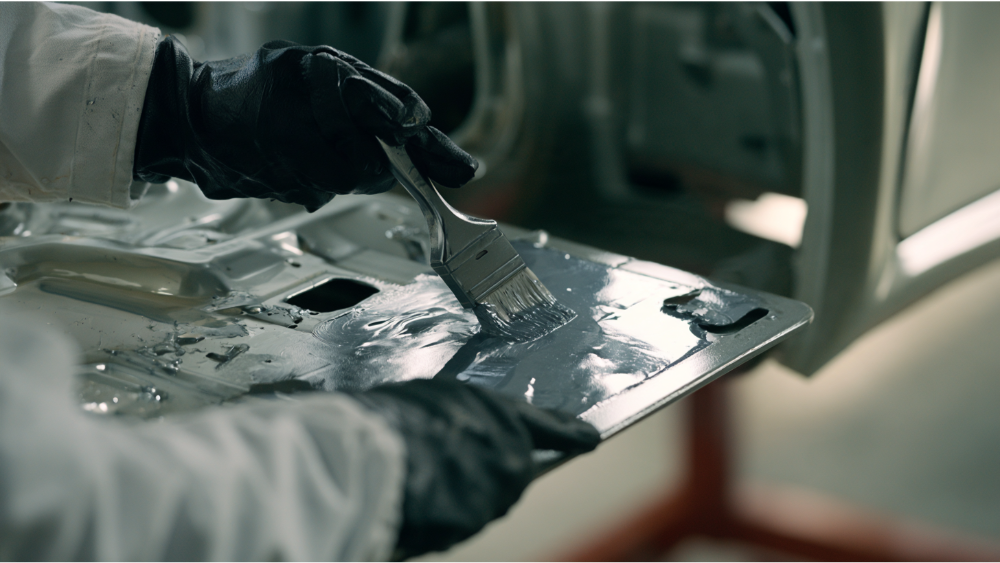
Usually, yes. Bare, rusted, galvanized, aluminum, and glossy factory-finished metal all need a primer to get a good bond and keep paint from peeling, chipping, or flaking. The exception is a product expressly labeled direct-to-metal (DTM), meaning it's engineered to go onto prepared metal without a separate primer. That's a product capability, not permission to skip prep. Sound, well-bonded existing paint is sometimes a good candidate for a direct recoat, as long as the gloss is dulled and the coatings are compatible.
Choosing Metal Primer Paint by Metal Type and Condition
Ferrous metals (iron and carbon steel) rust. Non-ferrous metals like aluminum, copper, and zinc coatings don't rust the same way, but they oxidize and give paint very little to grip. Freshly sanded aluminum grows a dull white oxide film within minutes, and galvanized steel stored wet can show a powdery white bloom called white rust. Galvanized and bare aluminum share one problem: they're too smooth and too chemically active for ordinary steel primer. A magnet is one clue, not a diagnosis: galvanized steel is still steel, and it's still magnetic.
The Main Types of Metal Primer
How to Prepare Metal Before Applying Primer
Surface prep is where the job is won. Good prep means metal that is clean, dry, and free of oil, grease, rust scale, salts, and failed coatings before anything is applied.
- Inspect for perforation, deep scale, and failed fasteners.
- Address possible lead paint on pre-1978 components before sanding or scraping.
- Degrease and wash off dirt, oil, salts, and soot, using the cleaners or solvents the primer label calls for.
- Remove loose rust, scale, and failed paint.
- Dull the gloss or create a profile on hard, slick coatings.
- Rinse and let the surface dry fully.
- Prime promptly.
That last step matters. Clean metal doesn't stay clean, and federal specifications for blast-cleaned steel call for priming within hours of cleaning.
Can You Apply Metal Primer Over Rust?
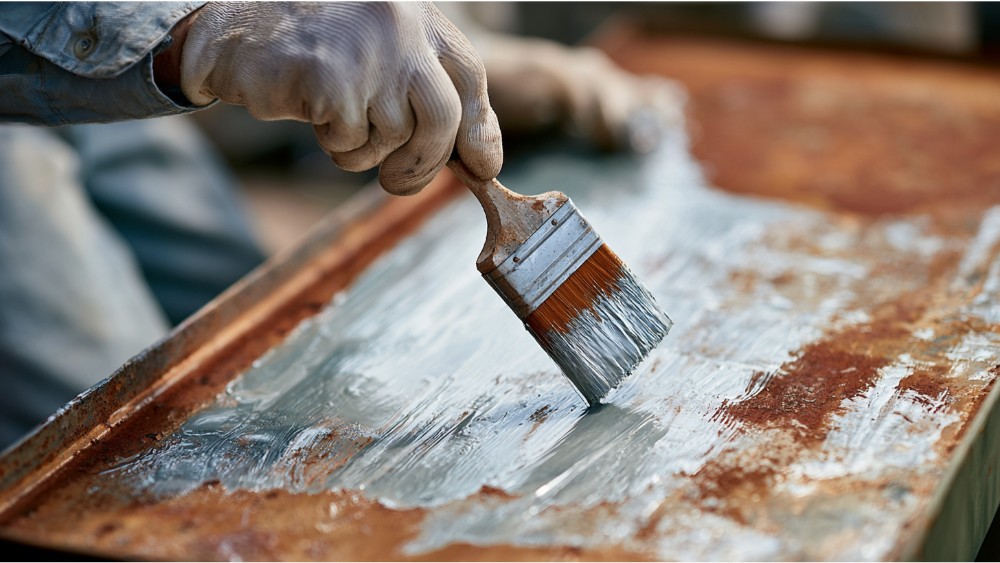
Some primers are labeled for sound, tightly adhered rust. If it won't come off with a stiff wire brush, that's a good sign. Loose rust, flaking scale, peeling paint, grease, and dirt still have to go.
Do not prime yet if:
- The metal is perforated or a screwdriver pushes through it
- Scale flakes off in sheets
- Fasteners have failed or the connection moves
- Rust keeps returning from an active leak
Primer doesn't fix water intrusion, failed joints, or lost metal thickness. That's a structural issue, not a coating issue.
Applying Metal Primer: Coats, Drying Time, and Topcoat
Spray gives the most even film on railings, grilles, and intricate metalwork, whether you're using a spray gun or a stock aerosol can. A brush is still better for edges, fasteners, welds, and crevices, which is where coatings fail first, so many crews spray and then back-brush those details while the primer is wet. Keep coats thin and follow the film-thickness requirement on the label.
Know the milestones: dry-to-touch, recoat time, maximum recoat window, and full cure. A primer that dries to the touch in half an hour can still be hours from ready for topcoat, and it dries slower in cool, damp air. Real-world topcoat windows run from about one hour to roughly 24 hours depending on chemistry, so the current label and technical data sheet control. Professional coating guidance keeps the metal's surface temperature at least 5°F (3°C) above the dew point, because dry-looking metal can hold invisible condensation. Most primers still need a finish coat for color, sheen, and UV resistance unless the label says primer/finish, and two products can share a shelf without being compatible.
Moisture drives most coating failures in the Pacific Northwest. Rain, overnight condensation, and the salty air around Puget Sound are especially hard on exposed steel and iron, so timing, surface dryness, and matching the primer to the specific metal matter even more on exterior work here.
Why Metal Paint Peels or Rusts Again
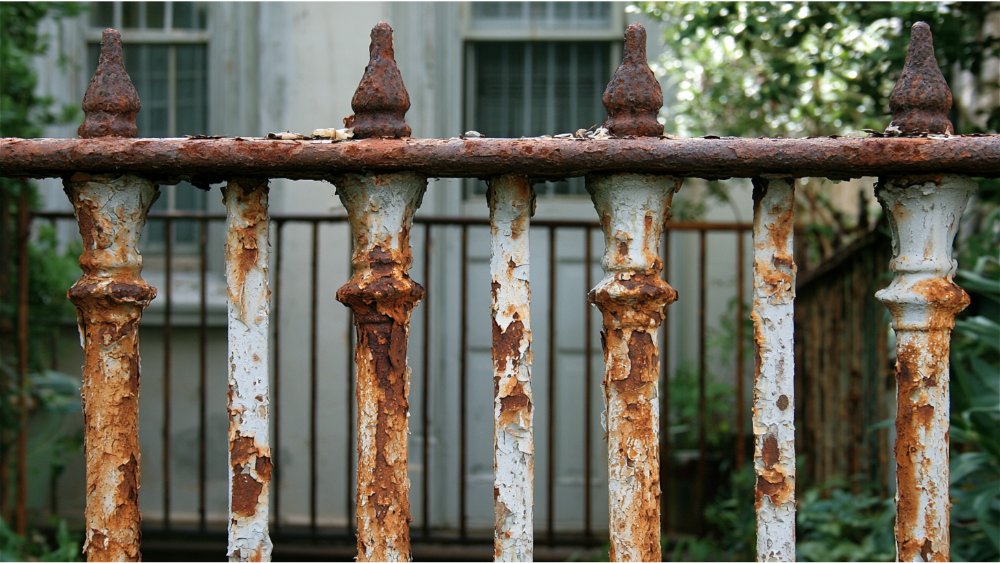
- Contaminants left on the surface
- Loose rust painted over instead of removed
- Ordinary steel primer applied over zinc, where white rust and a too-smooth surface work against adhesion
- Primer applied over overnight dew or condensation
- Incompatible primer and topcoat
- Primer applied too thickly, so it dries skinned over and soft underneath
- Edges, welds, and fasteners missed
- Ordinary primer left exposed with no finish coat
Most of these failures share one root cause: good prep got skipped.
Restoring metal is about more than how the surface looks the day we finish. We want to know why the coating failed and correct as much of it as possible first: more rust removal, specialized primers, detailed prep at welds and fasteners, or coordinated repairs to adjacent wood or siding. The goal is a coating system that can hold up, not a fresh coat over an old failure.
When to Call a Professional
Lead safety first: homes built before 1978 are more likely to have lead-based paint on metal railings, windows, doors, and trim, and sanding or scraping creates hazardous dust. The federal minor-repair exception generally covers no more than 6 square feet of disturbed interior surface per room or 20 square feet outside. EPA recommends hiring a lead-safe certified contractor for covered work.
Also call for recurring corrosion, hard-to-access metalwork, unknown powder-coated finishes, large spray applications, and rust tied to leaks or damaged siding.
Frequently Asked Questions
What is the best primer for metal?
There isn't one. Match the primer to the metal and its condition, then confirm the topcoat is compatible. A primer that performs beautifully on bare steel can peel off galvanized steel within a year, no matter how good it is.
What is a good primer paint for metal?
By category: rust-inhibitive primers for iron and steel, self-etching or zinc-compatible primers for galvanized metal and bare aluminum, and waterborne acrylic primers for interior work on non-ferrous metal.
What paint can I use directly on metal without primer?
Products expressly labeled direct-to-metal or primer/finish for your substrate. Cleaning, rust removal, and profiling still apply, and it still has to be applied within the label's temperature and film-thickness limits.
Get the Prep Right the First Time
We're based in Edgewood, WA, and we paint metal across the greater Seattle-Tacoma region, where a primer that dries on a bright afternoon can pick up dew before morning. Every project starts with surface prep, a free color consultation, and premium products backed by lifetime manufacturer warranties, plus a five-year warranty on exterior painting projects. We're licensed, bonded, and insured in Washington State, and EPA Lead-Safe (RRP) Certified. If corroded metal sits next to rotted trim or failing siding, rot repair, siding, and carpentry share the same crew and schedule. Share a few photos with us and call 206-222-0435 for a free estimate.
