
%201.svg)


Latex vs Oil Based Paint for Your Home's Exterior
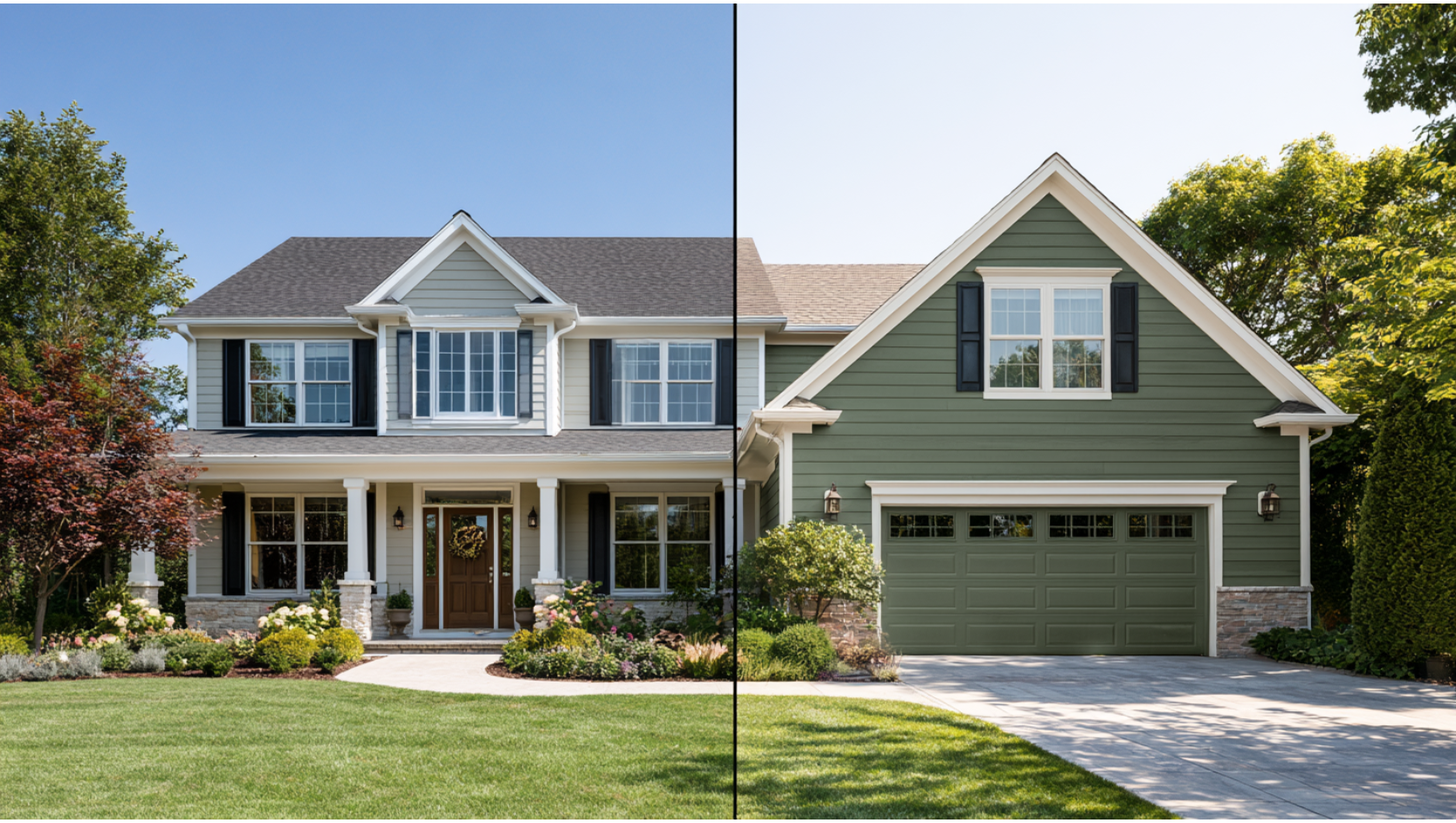
Key Takeaway
For most home exteriors, premium 100% acrylic latex paint outperforms oil-based paint as a topcoat in the latex vs. oil-based paint comparison. It stays flexible through seasonal expansion and contraction, holds gloss and color longer, and cleans up with water. Research shows a properly primed acrylic latex system can last more than 10 years on smooth wood, with some three-coat systems reaching 20 years.
Latex vs Oil Based Paint for Your Home's Exterior: The Direct Answer

For most modern home exteriors, a high quality paint built on 100% acrylic latex is the better topcoat. It stays more flexible than oil based paint, handles sun and weather well, holds its gloss and color longer, and cleans up with water. Oil based paint, sometimes called alkyd, still has a few specialty roles, mostly in primers and certain problem surfaces, but it is no longer the default for siding. That is also where the market has gone: about 83% of architectural coatings sold today are water based. If you are one of the many homeowners planning a repaint and you want a result that lasts, here is the part most guides skip. The paint on the can is only one piece. Lasting quality comes from the full system, including prep, repairs, primer, and timing.
Quick Comparison: Latex vs Oil Based Exterior Paint at a Glance
Here is how the two compare on the things that actually affect how your exterior paint holds up.
What "Latex," "Acrylic Latex," "Oil Based," and "Alkyd" Actually Mean

These terms trip people up, so let's clear them up before we go further. "Latex" itself is something of a generic term in the coatings world.
Latex paint doesn't contain natural rubber. In coatings language, it is a water based product built on polymer resins like acrylics or vinyl acrylics. As the water evaporates, those polymer particles knit together and form the paint film. Oil based paint, often called alkyd, cures through a different chemical process and needs solvents for cleanup. The EPA uses this same shorthand: water based paints are the "latex" family, oil based paints are the "alkyd" family. So when someone asks whether you should use oil or latex, they are really asking about two different chemistries.
Is acrylic latex different from regular latex paint?
Yes, and the difference matters. "Latex" covers a range of resin qualities. Acrylic latex uses a higher-performance acrylic resin, which is why premium latex exterior paint is almost always 100% acrylic. That resin is what gives the paint its flexibility and weather resistance for a durable finish. There is also a hybrid called waterborne alkyd that blends some oil paint qualities with water cleanup, but for most siding jobs, premium acrylic latex is the workhorse. Modern paint technology has narrowed the performance gap that once favored oil.
Why Latex Exterior Paint Is Usually Best for Any Architectural Style
A few real properties make acrylic latex the right topcoat for most homes, no matter the architectural style.
It stays flexible. Siding expands and contracts with heat and cold. Because acrylic latex keeps its flexibility, it moves with the wood and seldom develops the cross-grain cracking that stiffer oil based paint is prone to as it ages.
It handles sun and weather. Latex exterior paint resists weathering and holds gloss and color better than oil based exterior paint, which tends to lose its sheen within a year or two and get brittle. Under strong UV, that difference shows up as a finish that still protects the surface and keeps its curb appeal years later.
It is lower VOC and easier to clean up. Water based paint is generally lower in VOCs, safer to handle, and cleans up with water instead of solvents. For homeowners who want an environmentally friendly option, low VOC latex is widely available.
It resists mildew and mold. Quality latex formulas offer good mildew resistance, which helps hold off the mildew growth and mold that show up on shaded, damp walls. Higher quality paints typically include better additives for this.
It performs as part of a primed system. USDA Forest Products Laboratory testing found two coats of acrylic latex over a properly applied primer can last more than 10 years on smooth wood, with some three-coat systems reaching 20 years. That is research potential, not a promise, and it only happens with solid prep and premium products behind it. In the long run, that primed system is what earns its keep.
When Does Oil Based Paint or Primer Still Make Sense?
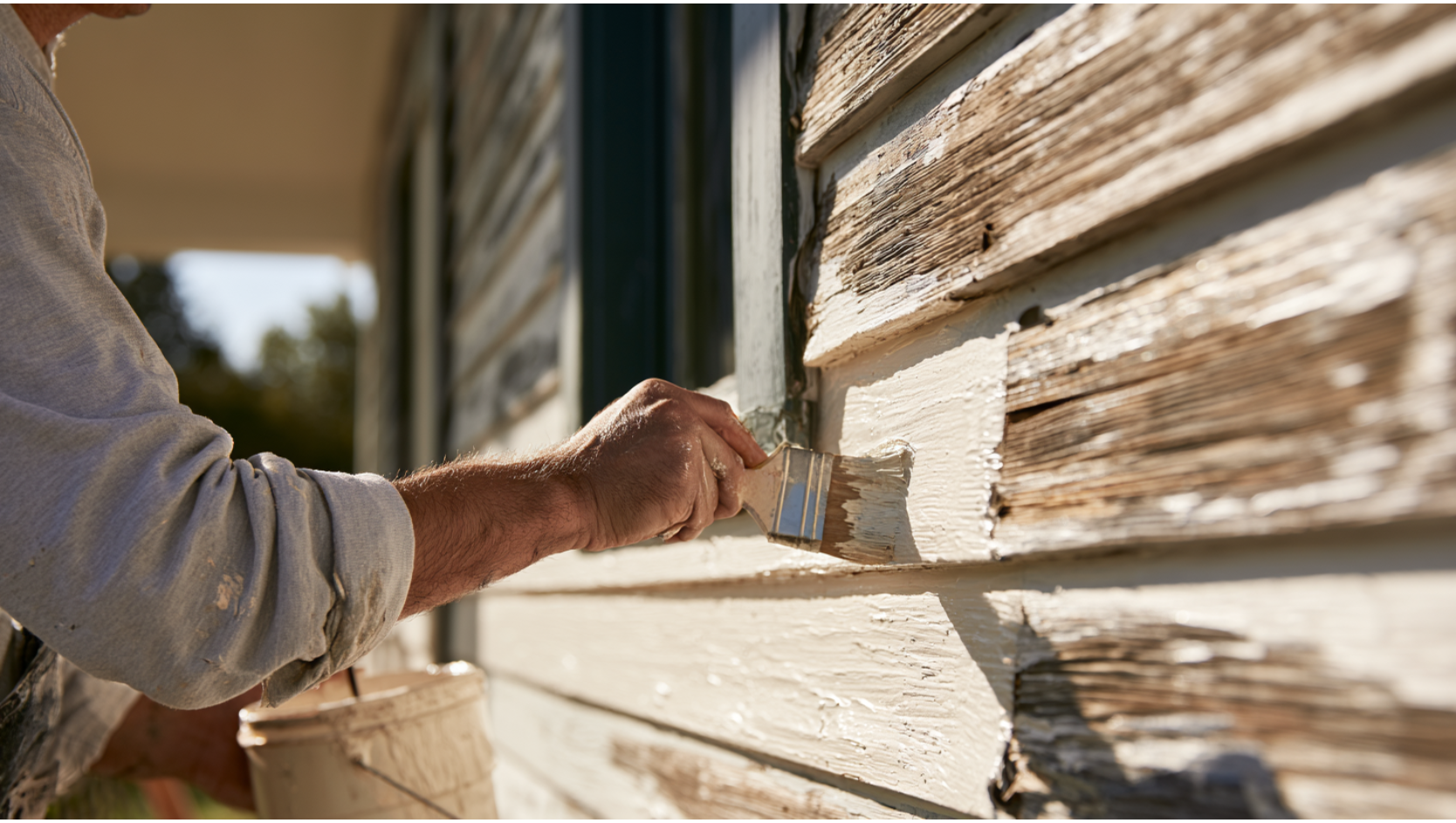
Oil isn't the villain here. It is a specialty tool that still earns its place in specific situations, usually as a primer rather than a topcoat. Oil based paints tend to penetrate deeper and block stains, which is why oil based options still hang around.
When should you use oil based primer outside?
Oil based primers block water absorption into end grain better than latex and penetrate bare wood well. That makes them a good choice for:
- Tannin- or extractive-rich woods like redwood and western redcedar, where an oil based primer historically does a better job blocking bleed-through stains. Some acrylic latex stain-blocking primers are also formulated for this, and they should dry 24 to 48 hours before the topcoat.
- End grain and spot-priming where blocking water is the priority.
- Rust-prone metal, when the product label supports that use.
- Previously oil painted surfaces that need a bonding system to hold the new coat.
The manufacturer's label always governs. Match the primer to the surface, then bring the flexible acrylic latex on top.
Can You Paint Latex Over an Oil Based Painted Surface?
Yes, you can, and acrylic latex topcoats go over oil based primers without a problem. What you can't do is brush a fresh coat of latex straight onto a glossy, dirty, or failing oil based painted surface and expect it to hold. Here is the reliable way to do it:
- Wash the surface clean.
- Dull the gloss by sanding so the new paint has something to grip.
- Scrape off any failing or loose paint.
- Test adhesion on a small area before committing.
- Use a compatible bonding primer.
One caution: latex over a thick buildup of old oil based paint can still cause trouble, so a sound base matters. Going the other direction, oil over latex, is less common and needs its own compatibility check. And before you disturb any old paint, read the lead-safety section below.
How to Tell What Paint Is Already on Your House
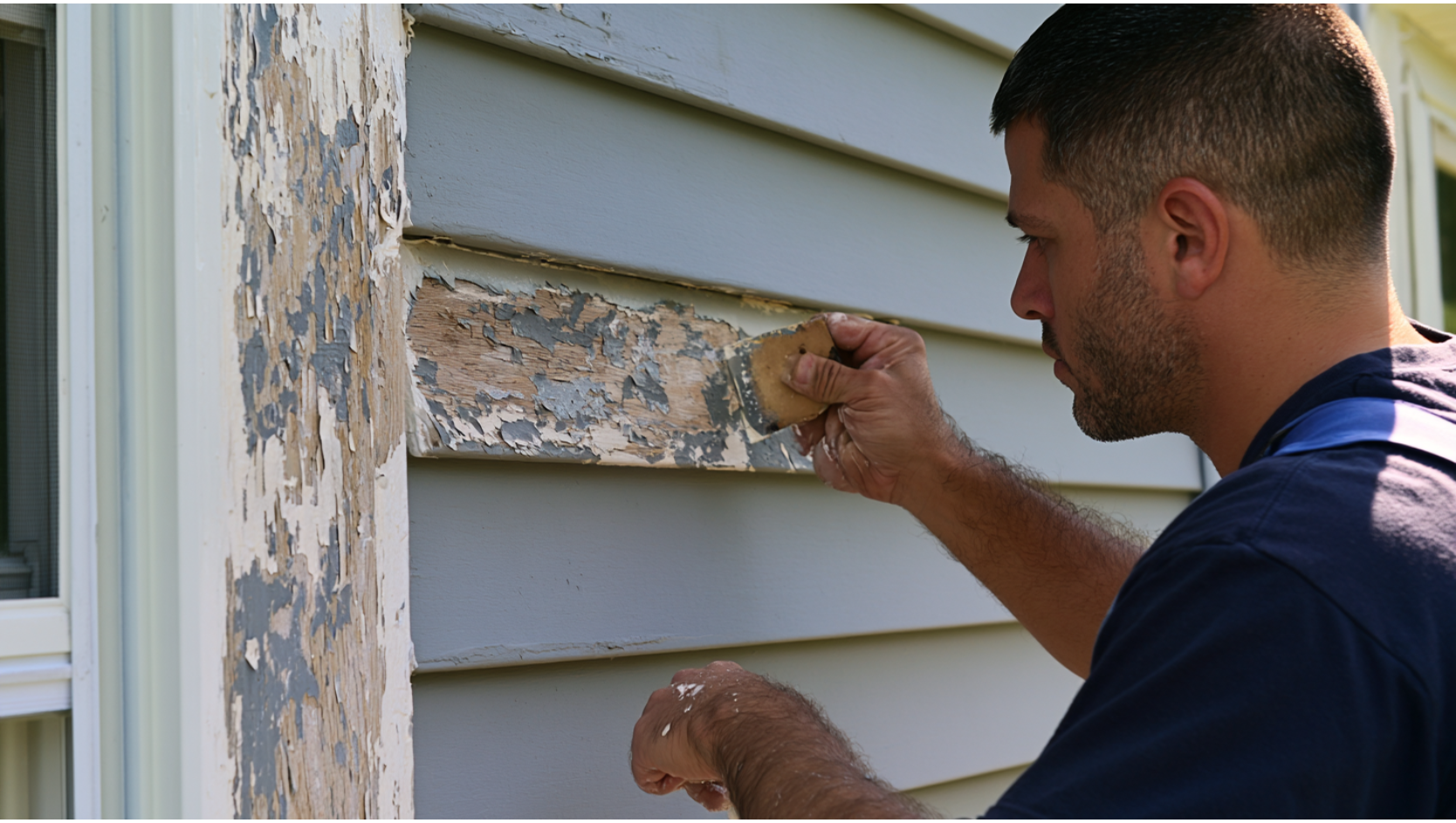
You can identify the existing coating on your house with two quick tests:
- Chip flexibility: Latex chips tend to bend; oil based paint chips crack and snap because they are more brittle.
- Alcohol rub: Rub a rag dampened with denatured alcohol on a hidden spot. Latex softens and transfers color onto the rag. Oil paint resists it.
Visual clues help too: brittleness, cracking, and heavy chalking often point to older oil based paint. One serious caution: if your home might have lead based paint, do not sand or scrape to test it. Get it tested first.
Prep Matters More Than the Label on the Can: Expert Advice
You can buy the most expensive paint made and still get a two-year finish if the prep is skipped. Proper surface preparation is where a lasting job is won. The order looks like this:
- Wash the exterior so paint bonds to a clean surface, not dirt.
- Remove loose and failing paint.
- Feather-sand edges where it is safe. For smooth, flat-grain wood, a scuff with 50 to 80 grit improves adhesion.
- Repair rot and siding damage first. No paint bridges rotten wood or failing siding. We handle rot repair, siding replacement, and carpentry before a brush touches the house, so you are not managing separate crews.
- Prime bare and problem areas. On smooth wood, primer covers roughly 250 to 300 square feet per gallon.
- Apply the topcoats. On smooth-planed wood, a primer plus two topcoats builds to about 0.10 to 0.13 mm (4 to 5 mils) dry film thickness, which is what protects the surface. New smooth-planed wood should get its first coat within two weeks of installation for good adhesion.
The right paint on a properly prepped surface also lays down with a smoother finish and far fewer brush marks than the same product rushed onto a dirty wall.
Substrate-by-Substrate Decision Guide
Not every surface takes the same approach. Quick guidance by material:
- Wood siding: Primer plus two acrylic latex topcoats on smooth wood; saw-textured wood may need only primer plus one.
- Trim: Latex exterior paint holds up and stays flexible through seasonal movement.
- Doors: A durable finish in acrylic latex or a bonding-primer system for high-touch surfaces.
- Fiber cement / composite: Acrylic latex over the manufacturer-specified primer.
- Masonry / stucco: Acrylic latex formulated for masonry.
- Metal railings, gutters, accents: Rust-preventative primer where the label calls for it, then a compatible topcoat.
- Extractive-rich woods (redwood, cedar): Use an extractive-blocking primer, often oil based, to stop bleed-through.
- End grain: A water-blocking primer.
- Porch floors and high traffic areas: A dedicated floor or porch coating; epoxy where a hard, wear-resistant surface is the goal.
Weather Conditions and Application: Getting the Timing Right
Even the right exterior paint applied at the wrong time still fails, so weather conditions matter as much as product choice. Water based paint should go on when it is at least 50°F (10°C) and expected to stay above that for 24 hours. Oil based paint can be applied down to about 40°F (4°C), though you should always check the manufacturer's range because products vary. Skip hot surfaces in direct sun, and don't paint late in the afternoon if heavy dew is coming. Dew or partial curing can cause wrinkling, fading, gloss loss, and streaking. A reliable crew waits for the right window instead of rushing, which is one reason exact timelines depend on weather and prep.
VOC, Cleanup, and Leftover Paint Disposal
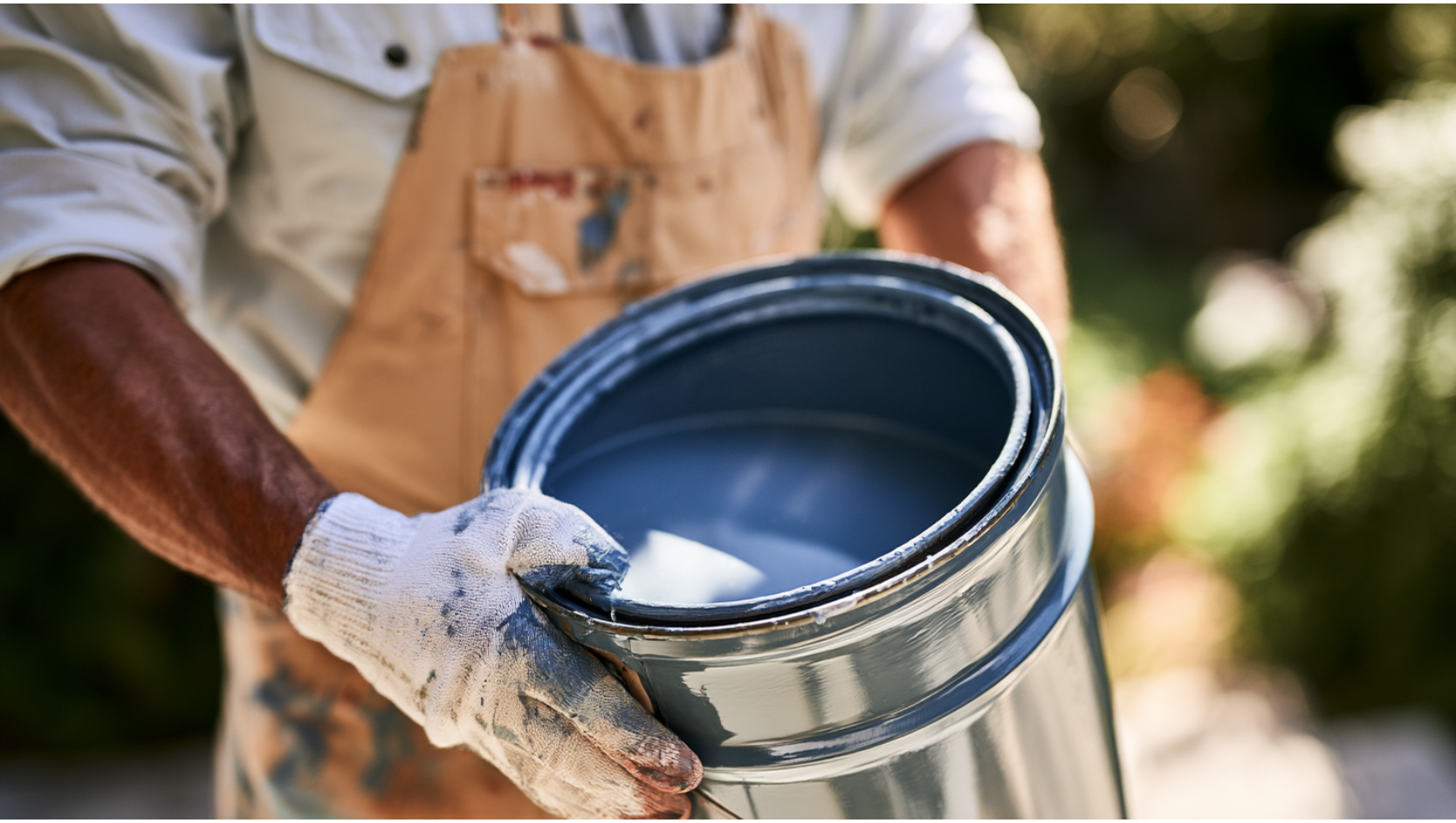
Water based acrylic latex is generally lower VOC, safer to handle, cleans up with water, and creates fewer hazardous waste concerns than solvent-based products, which makes it the more eco friendly choice for most homes and lightens its environmental footprint. Federal architectural coating limits set the ceiling: 250 g/L for exterior flat, 380 g/L for exterior nonflat, 350 g/L for primers and undercoaters, and 400 g/L for rust-preventative coatings. State, regional, or local rules can be stricter and can change. Premium low VOC products are widely available today. For leftovers, PaintCare accepts many latex, oil based, and alkyd coatings in original containers 5 gallons or smaller where its programs operate, though it doesn't take aerosols or solvents, and availability varies by region.
Older Homes and Lead-Safe Exterior Painting
If your home was built before 1978, this section matters most. Paints containing 0.009% or more lead by weight are banned hazardous products under CPSC rules, but older homes were painted before that limit existed. Sanding or scraping lead based paint carelessly spreads dust that is genuinely hazardous. The EPA's Renovation, Repair and Painting (RRP) Rule requires firms disturbing paint in pre-1978 homes and child-occupied facilities to be certified and to use lead-safe work practices. Cover Pro Painting is EPA Lead-Safe (RRP) Certified, so on older homes the prep is done in a way that protects your family, not just the finish.
Bottom Line: Choose the Right System, Not Just the Paint

For most modern home exteriors, premium latex exterior paint is the right paint choice for the topcoat. Oil based paint stays useful as a specialty tool, mainly in primers and specific problem surfaces. But the paint type is only the last decision. Choosing an exterior painting project can feel overwhelming, but an informed decision comes down to diagnosing the existing coating, repairing rot and siding first, choosing the correct primer, timing the weather, and building the right film thickness. Higher quality latex also gives better coverage in fewer coats, so a single coat may look close while the second coat is what truly protects. That is the difference between a paint job that looks good for a season and one that holds up for years and protects your curb appeal in the long run. A reliable, full-service contractor protects the home rather than simply putting paint on it.
Start with a free estimate so you know exactly what your exterior needs before any work begins. Call Cover Pro Painting at 206-222-0435.
Frequently Asked Questions
Is latex paint better for exterior house paint, or oil based?
For most exteriors, premium latex exterior paint is the better choice because it stays flexible, resists weathering, and holds color longer. Oil based paint is generally reserved for specialty roles like certain primers and problem surfaces.
Do painters use oil based paint anymore?
Yes, mainly as primers on specific surfaces such as tannin-rich wood, end grain, or rust-prone metal. A professional painter will still reach for it when the surface calls for it, though the industry has shifted heavily to water based products, which now make up around 83% of architectural coatings sales.
What are the downsides of using latex paint?
Latex paint can struggle when applied over a thick buildup of old oil based paint, and it needs proper prep plus a temperature window of 50°F or warmer. It isn't the right answer for every problem surface without the correct primer underneath.
What is the best exterior house paint?
A high quality 100% acrylic latex, applied as part of a full system with proper prep, the right primer, and good weather timing. A more expensive paint from a reputable line usually flows on with better hide, letting each next coat build protection efficiently. You can pick one up at any hardware store, but the prep and repairs beneath it decide how long the result lasts.
