
%201.svg)


Is "Waterproof" Paint Actually Waterproof?
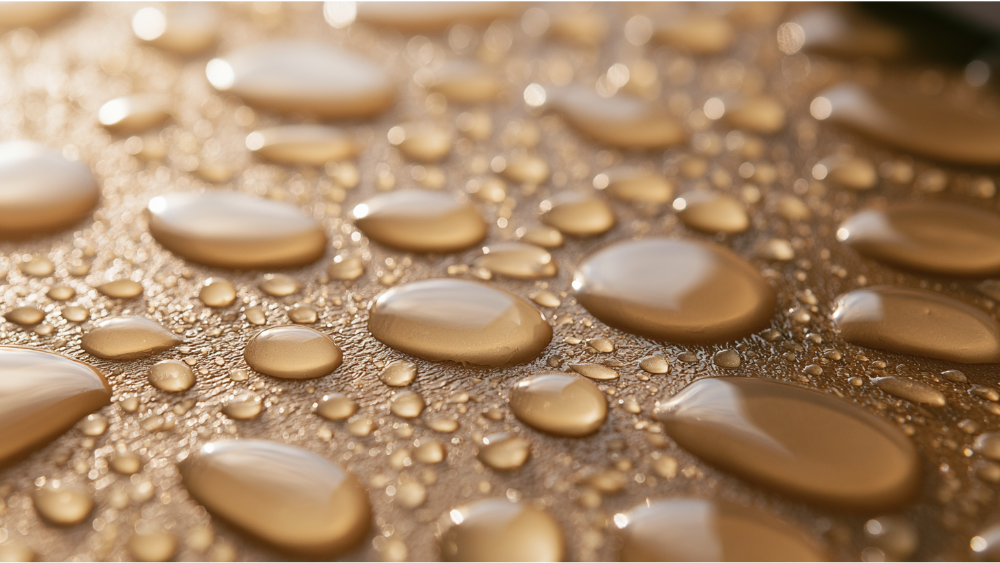
Key Takeaway
Waterproof paint is not truly waterproof in the way most homeowners expect. It can block liquid water on a sound, well-prepped surface, but no paint stops active leaks, hydrostatic pressure, or flooding. Some specialty masonry coatings resist up to roughly 15 PSI in lab tests, yet surface prep and fixing the water source determine whether any coating lasts.
Usually not, at least not in the way most homeowners mean. Some specialty masonry coatings can resist limited water pressure under controlled test conditions, but paint cannot fix an active leak, trapped moisture, rot, failed siding, bad flashing, or flooding. The water source and the surface prep have to be handled first, or the paint fails no matter what the label promises. If you're staring at peeling paint, a damp basement wall, a humid bathroom, or rain-worn siding and hoping the best waterproof paint solves it, the honest answer depends on one question we'll come back to throughout this piece: what kind of water are you actually trying to stop? Different problems need different fixes, and paint is only one of them.
What does "waterproof paint" actually mean?
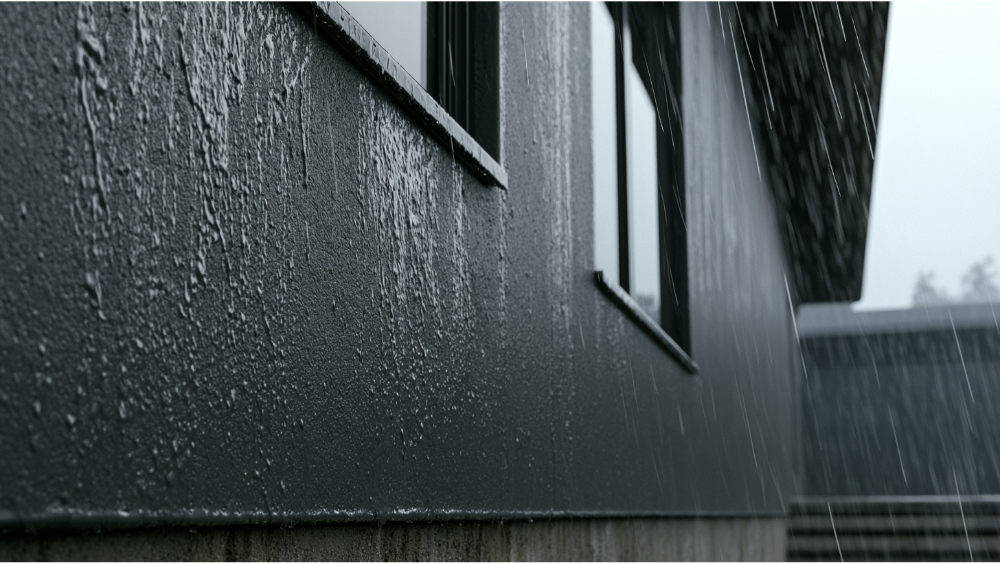
"Waterproof paint" isn't one product. The phrase covers a handful of very different waterproof coatings, each built for a different surface and a different moisture load. Lumping them together is where most confusion starts.
- Moisture-resistant interior paint: bathroom and laundry formulas that shrug off humidity and scrub clean.
- Exterior weather-resistant paint: protects sound siding and trim from rain and is often UV resistant.
- Masonry waterproofing coatings: made for concrete, brick, and block, and built to bond tightly to those surfaces.
- Elastomeric coatings: thick, flexible films that stretch to bridge hairline cracks on exterior masonry.
- Epoxy and garage-floor coatings: abrasion-resistant, UV resistant finishes for concrete floors.
- Polyurethane and oil-based clear finishes: tough films often used on wood, furniture, metal, and even boats, where a hard, water-shedding topcoat matters.
- True waterproofing systems: membranes, drainage, and flashing that go far beyond anything in a paint can.
Most of these coatings work by forming a continuous film that blocks liquid water while still letting water vapor pass through. That vapor part matters more than it sounds. A bathroom wall, wood siding, a stucco wall, a concrete basement, and a garage floor each face a completely different kind of moisture. No single "waterproof" product handles all five well, which is exactly why the waterproof-versus-water-resistant distinction is worth understanding before you buy anything.
Waterproof vs. water-resistant: the difference that matters
These two words get used interchangeably on product labels, but they describe different levels of protection.
Water-resistant paint sheds or slows moisture. It buys a sound surface time against splashes, humidity, and wind-driven rain. It doesn't claim to stop water from passing through under pressure.
Waterproof, honestly defined, means blocking liquid water from passing through under the specific conditions that surface faces, up to a limit. Masonry waterproof coatings can resist a measured amount of negative or positive water pressure, but every one of them has a ceiling. Push past it and water finds a way.
Here's the part that trips people up: most "waterproof" paints block liquid water while still allowing water vapor to move through. Good building science calls this "liquid water closed, vapor open." A quality exterior or masonry coating should keep rain out while letting the wall dry from the inside. That drying ability is a feature, not a flaw. A coating that seals a wall completely can trap moisture and cause more damage than it prevents. That's why layering on extra coats of the wrong product rarely helps; more film on a wet wall just traps more water. Stacking too many layers of an impermeable product only makes the problem worse.
A real waterproofing system is bigger than any can of paint. It's membranes, drainage paths, flashing, crack repair, and structural details working together. Paint sits on top of that system. It doesn't replace it.
When can waterproof coatings actually help?
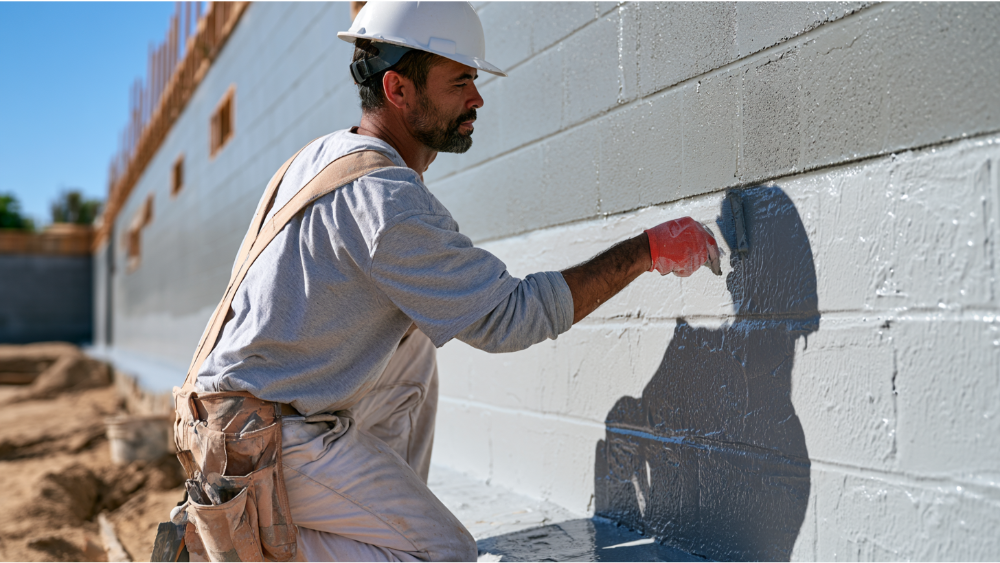
Used in the right place, on a surface that's been properly prepped, these coatings do real work. Here's where paint earns its keep.
On interior walls in a bathroom, a good moisture-resistant paint or a clear polyurethane topcoat over trim and cabinetry handles day-to-day humidity and wipes clean without breaking down. For genuine below-grade masonry products in basements, look for real testing rather than just the word "waterproof." ASTM D7088 is a standard practice for evaluating how well a coating resists water passing through concrete block under simulated hydrostatic pressure. Some manufacturers cite specific numbers: a masonry waterproofer like Zinsser Watertite claims resistance to about 15 PSI when tested to ASTM D7088, which the maker describes as roughly a 33-foot column of water. Those figures come from lab conditions, not from your basement in a heavy storm, so treat them as a ceiling, not a promise. A product's abrasion resistance and whether it stays non yellowing over time matter too, especially on floors and surfaces you look at every day. Elastomeric coatings deserve a mention as well, since they can stretch over hairline cracks on exterior masonry that other paints would split across. The right coating in the right spot protects. The wrong one just hides a problem for a season.
When is waterproof paint the wrong fix?
There are situations where no paint, no matter how it's marketed, is the answer. If any of these describe your home, paint comes later, if at all.
- Active leaks or water actively coming through
- Standing water or flooding
- Water pooling at the wall-to-floor joint
- Cracks that move or keep leaking
- Efflorescence (that white chalky residue) that keeps returning
- Moldy surfaces
- Soft or rotted wood
- Failed siding or trim
- Bad flashing or clogged gutters and downspouts
- Existing paint that's already peeling
The reasons paint loses these fights are physical. Hydrostatic pressure pushes water through masonry from outside. Capillary action wicks moisture up through porous material. Vapor drive and condensation move water inside the wall where you can't see it. Trapped moisture, poor adhesion over old or dirty coatings, and skipped surface prep all defeat the film before it dries. Even the right coating will chip and fail if it can't get a clean grip on the surface.
Two hard truths stand out. First, applying an impermeable coating over a wet or damp wall can trap moisture and make the damage worse, causing bubbling, blistering, and peeling. The EPA is direct about mold: clean and dry the surface first, because paint over a moldy surface is likely to peel. Second, paint is not floodproofing. FEMA and WBDG guidance holds that flood-resistant materials must survive direct contact with floodwater for at least 72 hours without significant damage. Paint can't deliver that. Fix the water source and repair the substrate before any coating goes on.
Exterior homes in rainy climates: paint protects, but the wall manages water

In the greater Seattle-Tacoma region, moisture is a genuine concern. NOAA's climate normals put annual precipitation around 39.34 inches spread across roughly 156 rainy days a year. That's a lot of water hitting the outside of your home, and it's exactly why homeowners here shouldn't over-trust a "waterproof" label.
Exterior paint protects a sound surface and improves curb appeal, but it is not your wall's hidden water-control layer. Washington's residential code expects at least one water-resistive barrier behind the cladding, plus a way to drain any water that gets past the siding. The wall itself is a drainage system, with small gaps built in behind lap siding, stucco, and brick veneer to let water escape and the assembly dry out. Paint sits on the outside of all of that.
Driving rain is the single largest moisture source for above-grade walls, so durable exterior results depend on the whole picture: sound siding, tight trim, good caulking and flashing, working gutters and downspouts, and rot repair where the wood has gone soft. Get those right, then apply the correct coating. Skip them, and the best paint in the world buys you a couple of years at most. A cheaper coating slapped over unprepped siding almost always costs more in the long run once you factor in redoing the work.
What to do before painting a damp or weathered surface (and how we handle it)
Whether the coating lasts comes down to what happens before the brush touches the wall. Here's the prep that actually matters.
- Find where the water is coming from and stop it at the source.
- Fix leaks, drainage, gutters, siding gaps, and failed caulking or flashing.
- Check for rot or soft wood and address it before anything else.
- Remove failed or peeling paint with clean scraping and sanding.
- Handle mold safely: clean and dry the surface, never paint over it.
- Patch cracks and repair damaged substrate.
- Confirm the surface is dry and compatible before application. Some masonry coatings require a bare, uncoated surface and can void their warranty if applied over old paint, and new concrete may need roughly 28 to 30 days to fully cured before you coat it.
- For homes built before 1978, use lead-safe work practices when scraping or sanding old coatings.
We don't treat paint as a cover-up. We start with surface prep, and because we're a full-service team, we handle rot repair, siding replacement, and carpentry in the same engagement, so you're never managing multiple contractors to solve one moisture problem. Whether the right answer for your space is a decorative interior finish, a solvent free floor coating, or a hard-working exterior blend built to shrug off the elements, the choice follows the surface and the moisture load, not the color chart. Founder Alex personally oversees each project. We're EPA Lead-Safe (RRP) Certified for older homes and licensed, bonded, and insured in Washington State, so the work meets the standard the situation calls for.
If you're not sure what kind of water you're dealing with, start with a free estimate. You'll get a clear, transparent estimate of the cost before any work begins, our five-year exterior warranty, and premium paint products backed by lifetime manufacturer warranties. Get a free estimate by calling 206-222-0435, or visit our website to reach out. We're based in Edgewood and serve the greater Seattle-Tacoma region. Don't see your city listed? Contact us to confirm service availability.
Frequently asked questions about waterproof paint
Is waterproof paint actually waterproof?
Not in the way most people expect. It blocks liquid water on a sound, well-prepped surface, but it isn't fully impermeable and it fails under active leaks or high water pressure. Effectiveness depends heavily on prep and application.
What is the best waterproof paint for interior walls in a bathroom?
The best waterproof paint for a bathroom is typically a moisture-resistant formula made for high humidity, and a clear polyurethane can protect trim, furniture, and woodwork in the same room. Colour choice is up to you, but the finish matters more than the shade, since a scrubbable film sheds moisture and cleans up easily. A cool blue or any other tone holds up fine as long as the coating stays stuck to a properly prepped surface.
Can waterproof paint stop a leak?
No. Paint can slow minor seepage on masonry, but it can't stop an active leak or repair a structural crack. You have to fix the source first, then coat the surface.
Can I paint over mold with waterproof paint?
No. The EPA advises cleaning and drying moldy surfaces before painting, because paint applied over mold is likely to peel. The real fix is moisture control, not a coating.
Can waterproof paint be applied over old paint?
It depends on the product. Some masonry waterproofers require a bare, uncoated surface and will void their warranty if applied over existing paint. Old paint in poor condition should be removed first either way, and layering fresh coats over failing layers only sets up the next failure.
Does waterproof paint work on decks, balconies, and terraces?
It can, when the surface is sound and the product suits the exposure. Decks, balconies, and terraces take direct sunlight, foot traffic, and standing water, so an oil-based or specialty coating rolled on evenly with the right roller resists cracking and wear better than a general-purpose paint. Prep still decides how long the finish lasts.
When should I call a painter instead of trying waterproof paint myself?
Call a professional when you see peeling, rot, failed siding, returning efflorescence, or dampness you can't trace. A proper assessment tells you whether repairs come first, and that's where lasting results start. There's no benefit and real risk in coating over a problem you can't see, and a company that leads with prep helps you save money by getting it right the first time. We've felt the pride homeowners have when a home looks new again, and that steady growth from referrals is the report card we hope to keep earning.
