



Interior Painting Cost Calculator: Measure the Real Scope of Your Project
Key Takeaway
An interior painting cost calculator estimates your paintable wall area, paint volume, and rough budget, but it cannot price the prep work that drives most of the cost. Labor typically runs 70 to 85 percent of a project, and a standard 12x12 room with 8 ft walls has about 400 sq ft of wall area. Use it for planning, then get an on-site estimate for an accurate price.
Trying to figure out how much it will cost to paint the inside of your home? An interior painting cost calculator is a good place to start. It can help you estimate paintable wall area, account for ceilings, trim, doors, and windows, and get a rough idea of how much paint you'll need. What it can't do is see the condition of your walls, identify repairs, or account for all the little details that affect labor. Think of it as a budgeting tool, not a substitute for an actual estimate. Before putting a price on a project, you need to understand exactly what's involved.
How an Interior Painting Cost Calculator Actually Works

A good calculator measures total paintable surface area in sq ft, then separates three things a real estimate also separates: labor, material volume, and prep. Labor is where the money goes. Across the industry, labor typically runs 70 to 85 percent of a painting project's cost, which means prep and complexity matter far more than how much paint ends up in the can.
You'll see broad national figures quoted as a painting cost per square foot in 2026. Treat those as market reference points, not a quote for your home. A calculator can measure your walls. It can't see a failed patch, a water stain bleeding through, or trim that needs rebuilding. For the real price, we route you to a free estimate.
Floor Plan Square Footage vs. Paintable Wall Area
This is the single biggest reason online numbers disagree. Floor area from your floor plan and paintable wall area are not interchangeable, and some tools quietly use one while labeling it as the other.
For a simple rectangular room:
- Wall area = 2 × (length + width) × wall height
- Ceiling area = length × width
- Baseboard length = room perimeter
A standard 12×12 room with 8 ft walls gives you about 400 sq ft of wall area, far more than its 144 sq ft of floor. Ceiling height changes that math quickly, so a room with taller walls scales up fast. Subtract openings: a 3×7 ft door removes roughly 21 sq ft, and a typical window removes about 12 to 15 sq ft. Irregular rooms should be measured wall by wall and added together, not guessed from floor size. That's how the paintable area in each room is calculated.
How Many Gallons of Paint Do You Need?
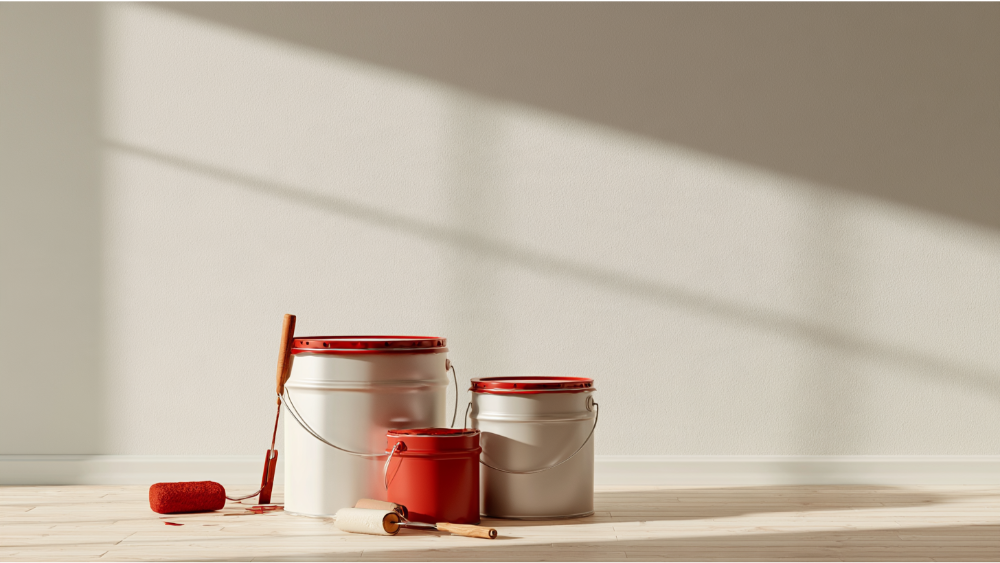
The formula is straightforward: (paintable sq ft × coats) ÷ coverage = gallons. For planning, one gallon of paint covers roughly 350 to 400 sq ft, a quart about 100 sq ft, and primer closer to 200 to 300 sq ft per gallon.
Coverage is a planning assumption, not a guarantee. Texture, porosity, and a big color change all pull actual coverage down, so always check the product label or technical data. Most projects need at least two coats, which doubles the area you're covering, so set two coats as a default and adjust rather than treating it as a universal rule. One coat is rarely enough on a real repaint, especially over a color change. A flat finish behaves differently than a satin or semi gloss, and that sheen choice affects how many gallons the job calls for. Premium paint products give you better coverage and a more durable, longer-lasting result, which is why we don't cut corners there.
Which Surfaces Belong in the Estimate: Walls, Ceilings, Trim, Windows, and Doors
Walls are not the whole job. Each of these surfaces gets scoped separately, and each carries its own labor:
- Walls and accent walls
- Ceilings (often an added $1 to $2 per square foot in the market)
- Baseboards, crown molding, and window and door casings
- Interior doors and both door sides
- Window frames and sashes
- Closets, built-ins, and millwork
- Stairways, rails, and spindles
A kitchen often brings cabinets into the picture, and those are their own category entirely, often $5 to $11 per square foot in national ranges. We scope and handle each surface so you're not managing the interior piecemeal.
Why Surface Prep Is the Biggest Cost Factor
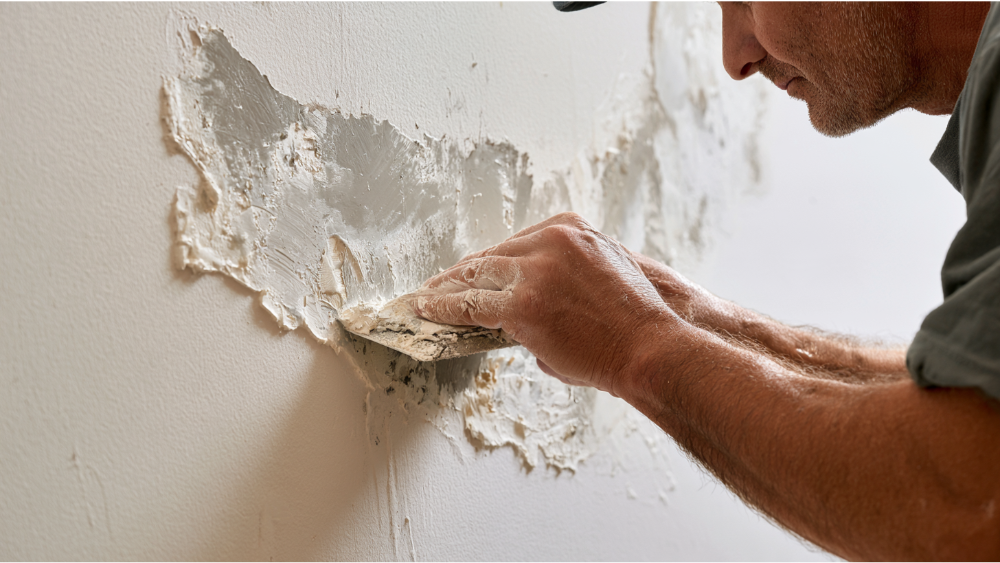
Prep comes before paint. Overlooking necessary prep work will directly impact the adhesion quality and staying power of the paint. We often say, the paint is only as good as the material underneath it. Walls that need extensive repair raise both labor and materials, and labor is the bulk of your cost. Patching holes and cracks, sanding edges smooth, and leaving a clean surface are what let the finish hide imperfections rather than highlight them. Here's how prep, one of the main factors in any quote, usually breaks down:
- Light: minor nail holes and scuffs
- Moderate: several patches, cracks, failed caulk, or stains
- Extensive: widespread damage, peeling coatings, wallpaper removal, texture work, water damage, or carpentry
A calculator can't price prep accurately because it can't see hidden damage or failed patches. That's the whole reason an on-site look matters, and why no two projects cost the same even at identical square footage. When the prep turns up rot or damaged siding, our full-service team handles the repair in the same engagement, so you're not chasing a second contractor.
Why Two Online Calculators Give You Different Answers
A number is only as good as its assumptions. Two tools disagree because they start from different ones:
- Floor area versus paintable wall area
- Walls-only versus the whole job
- Different coat counts
- Different window and door deductions
- Generic "prep included" versus detailed prep tiers
- National averages versus local labor rates, which vary by market
- Materials-only versus a complete professional scope
Pre-1978 Homes and Lead-Safe Prep
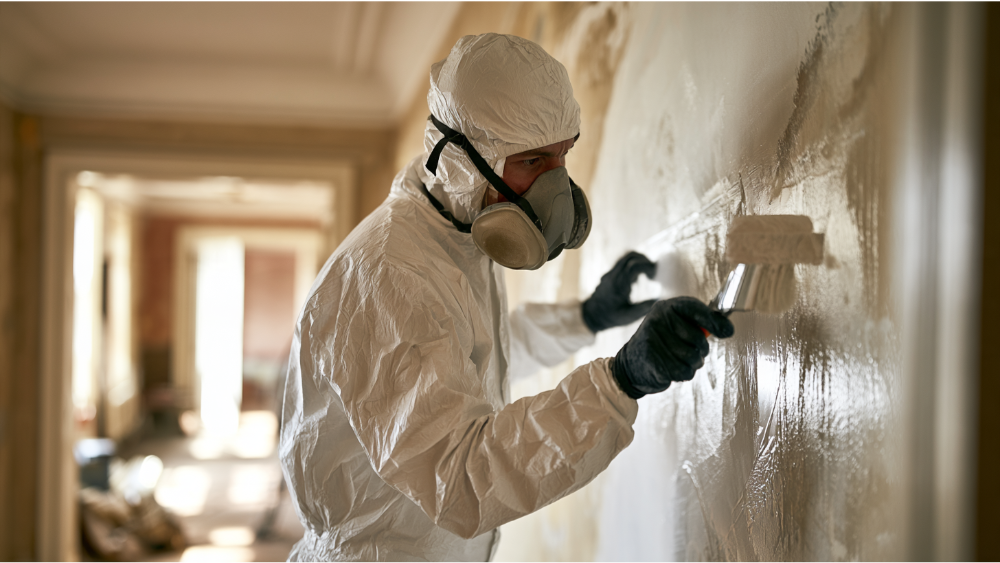
If your home was built before 1978, the build year changes the job. Older surfaces are more susceptible to lead paint concerns. The EPA's Renovation, Repair and Painting rule generally covers paid work that disturbs painted surfaces in pre-1978 housing. The minor-repair thresholds are 6 sq ft per room indoors and 20 sq ft outdoors, subject to exceptions, and sanding or scraping can trigger certification and containment requirements. Online calculators don't account for any of this. Cover Pro Painting is EPA Lead-Safe (RRP) Certified, so this work is handled to code.
How to Compare Professional Estimates Per Square Foot
The FTC advises comparing scope, not just picking the lowest bid. Two estimates can differ by a wide margin and still both be fair, if one includes far more work. A low per square foot price often just means less prep or fewer coats. Run each estimate through this checklist:
- Same surfaces included, walls, ceilings, trim, and windows?
- Same level of prep?
- Same coat count and primer assumptions?
- Furniture protection and cleanup included?
- Repairs included or excluded?
- Clear start and completion expectations?
- Taxes included?
- Written warranty?
- A defined change-order process?
A clear written estimate, not a generic branded estimate PDF, gives you the number before work begins, and it reflects the quality you're actually buying. Ours includes a 2-year workmanship warranty on interior projects and a 3-year workmanship warranty on exterior projects, with premium products, so you can see what good terms actually look like.
Ready for an Accurate Interior Painting Estimate?
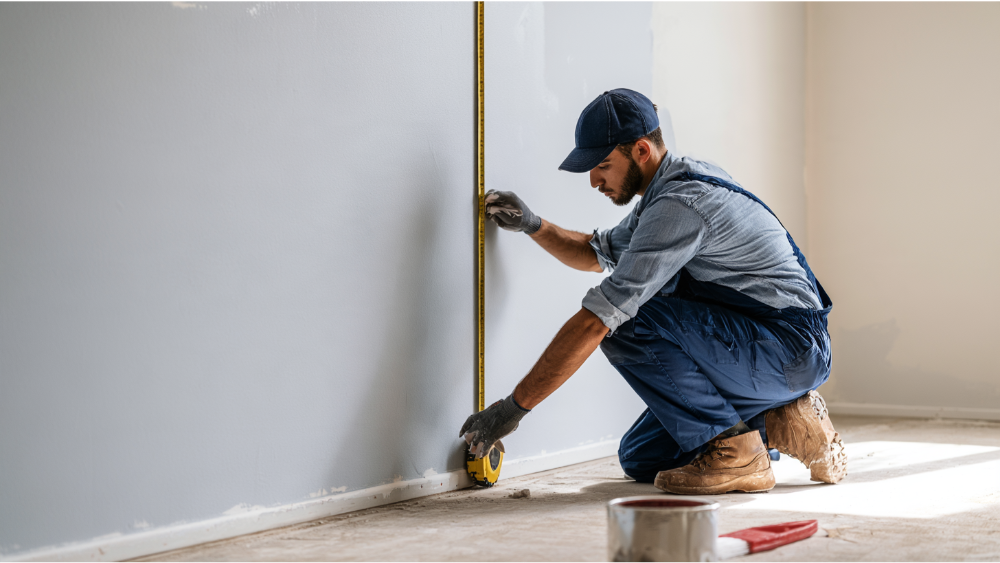
An online calculator can help you get a feel for the size of your project, but the actual cost comes down to the surfaces, their condition, and the work needed to get them ready for paint. That's why we prefer to see the space before putting together an estimate. At Cover Pro Painting, we take the time to walk through the project with you, explain what's included, and provide a clear breakdown of the work. We're based in Edgewood and serve homeowners throughout the Seattle-Tacoma area. If you're considering an interior repaint, we'd be happy to take a look and help you understand your options.
Get My Free Painting Estimate. Or Call Us Today: 206-222-0435.
Frequently Asked Questions
How much should it cost to paint the interior of a 2,000 sq ft house?
National ranges vary widely based on which surfaces are painted, the prep required, and your local labor market. For example, a house with high ceilings and extensive patching will land well above one with simple walls. The only accurate price comes from an on-site estimate of your actual home, where scope and condition are measured room by room.
What is the average cost to have a 12×12 room painted?
Broad market ranges land roughly $300 to $1,000 depending on ceilings, trim, windows, coat count, and prep. Use it as a planning reference only, not a quote.
How much do interior painters usually charge?
Labor is typically 70 to 85 percent of the total, and rates vary by region and scope. A clear written estimate tells you far more than a per-hour or per square foot figure. The one band of cost you can't shortcut is prep.
Can a free online painting calculator give an exact price?
No. It estimates scope and how many gallons of paint you'll need, but surface condition requires an on-site look before anyone can give you a firm number on the whole job. When the numbers turn out higher than expected, it's almost always the prep.
