



Interior Painting Cost Calculator
Key Takeaway
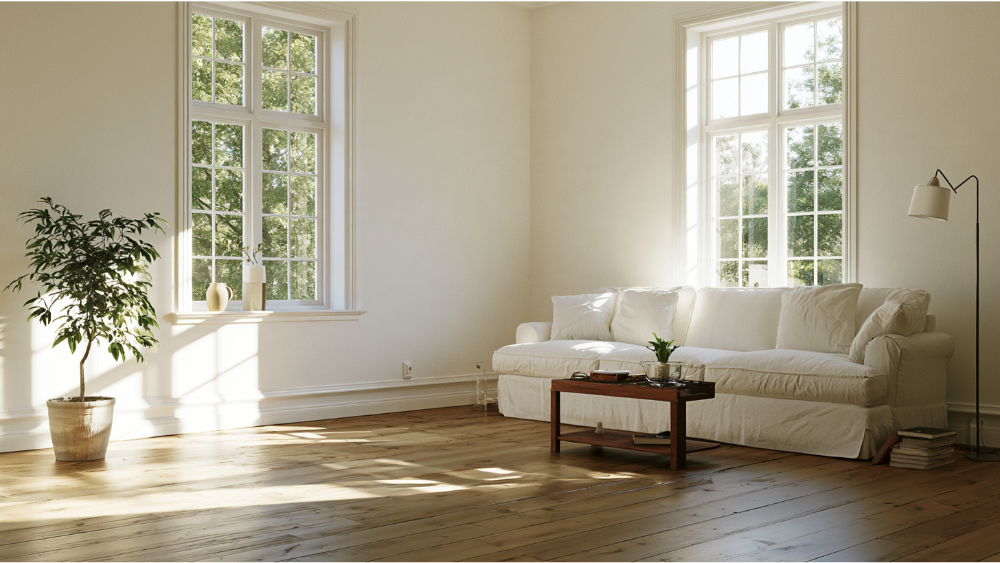
An interior painting cost calculator estimates your project by measuring paintable wall area, not floor square footage, then adding coats, prep, and surface condition. For two coats on smooth walls, plan roughly one gallon per 350 sq ft per coat. Labor drives the final bill more than paint, and factors like lead-paint rules, difficult access, and surface repairs can shift costs significantly.
An interior painting cost calculator gives you a planning estimate, not a price. It builds a figure from paintable wall area, ceilings, trim, coats, and surface condition. The measurement that matters is paintable wall area, not floor space.
What an Interior Painting Cost Calculator Actually Measures
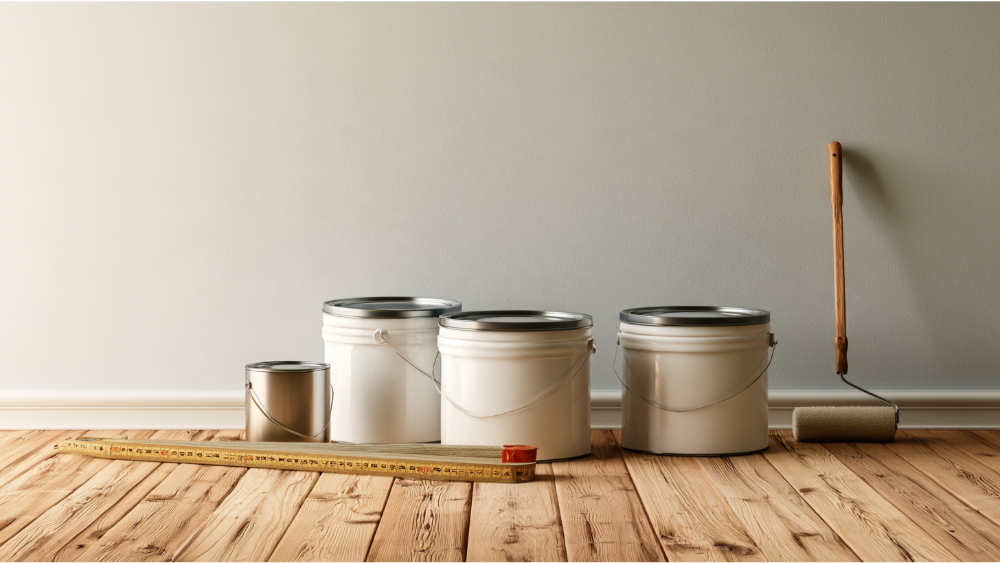
Every calculation starts with measured surface area, then layers on coats, prep work, and access. Painters quote by the square foot or by the hour, and both methods trace back to the same surfaces. Price follows the work, not the floor plan.
Floor Sq Ft vs. Paintable Wall Area
A 1,500 square foot home does not have 1,500 square feet of walls. Home size alone does not set paintable area; ceiling height, open floor plans, and window count do. Measure it this way:
- Gross wall area = room perimeter × wall height
- Net paintable wall area = gross wall area minus door and window openings
- Ceiling area = length × width, counted separately
- Trim and doors = linear feet and unit count, priced separately
Subtracting openings is correct for gallons, but it does not cut labor. Doors and windows add edges, masking, and cutting-in hours, so labor holds steady even as the gallon count drops.
How Much Paint Do I Need for Two Coats?
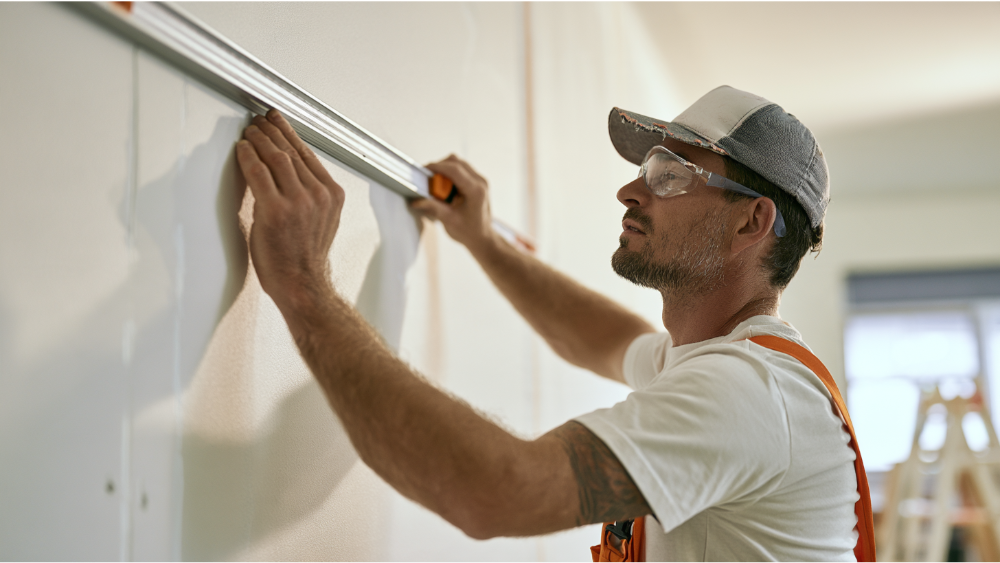
Gallons = area × coats ÷ coverage, rounded up. Coverage per gallon depends on the surface: Texas A&M's guidance puts about one gallon per 350 sq ft per coat on smooth walls and roughly 300 on rough or textured ones. Primer covers less. Most interior jobs need two coats, and unfinished, patched, or dark walls always do. A big color change usually means extra primer. The number on your label overrides any general default. Higher-grade products often hide in fewer coats, and paint price per gallon moves with finish and product line.
How Much Does It Cost to Paint a Home's Interior?
Labor, not paint, is the bulk of an interior painting bill. Local labor rates, crew size, and the hours a room demands move the total far more than paint selection does. The real drivers:
- Measured surface area and ceiling height
- Difficult access such as stairwells and vaulted ceilings, where ladders, scaffolding, and extra equipment add setup time
- Surface condition and the wall repairs it needs
- Number of coats, including extras for color changes
- Trim, door, and millwork detail
- Occupied versus vacant home
- Product, finish, and paint quality
Pricing a whole house inside and out? Keep them separate. Exterior painting costs carry their own variables: weather windows, siding condition, staging, and rot repair. Our exterior work also carries a five-year warranty.
Why Surface Prep Drives Painting Cost More Than Square Footage

Paint never goes straight onto a problem surface. A calculator adds a percentage for light or heavy prep without defining either. That labor covers cleaning, scraping, sanding, patching, caulking, sealing water stains, wallpaper removal, texture repairs, priming, and replacing material that is not sound. No calculator can grade your walls, and prep is where two identical-looking estimates diverge.
What an Online Cost Calculator Estimate Can't See
Soft drywall, water damage hiding behind trim, coatings already failing, split casing and damaged millwork. None of that surfaces until the walkthrough, and it shows up as labor hours.
When ours turns up rot, damaged siding, or carpentry repairs, we handle it with the same team. You are not coordinating a carpenter, a siding crew, and painters around one project.
How Cover Pro Builds Your Estimate
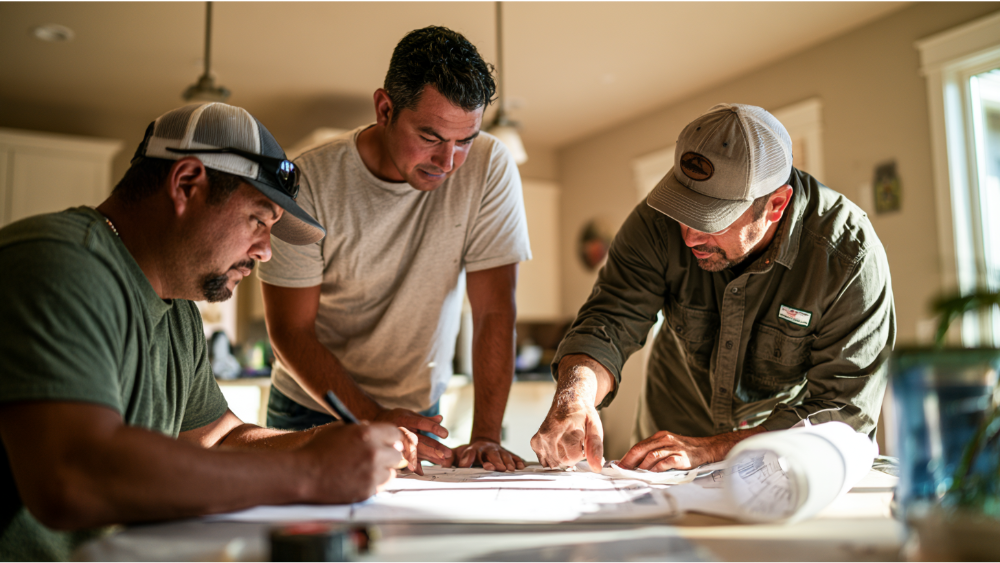
One thing that sets our estimating process apart is that we don't rely on an estimator looking at a house and naming a number from experience or gut feeling. We built our own internal estimating tool to keep pricing consistent from project to project.
During an estimate, our estimator looks at the home, takes basic measurements, and answers questions about the scope of work, what the homeowner wants done, the condition of the surfaces, the level of preparation needed, and other variables that affect the project. That information then calculates a custom estimate for that specific home and scope.
We're proud of the system because it gives us a simple, repeatable process while still letting the estimate reflect the actual conditions of the project. Every house is different, so the goal isn't to force every project into the same price—it's to make sure we're evaluating the same important factors every time.
Homes Built Before 1978: The Lead-Safe Step Most Calculators Skip
The EPA's Renovation, Repair and Painting rule applies to paid work that disturbs painted surfaces in most pre-1978 homes. The minor-repair threshold is 6 square feet per room indoors and 20 outdoors. The EPA reports lead paint in roughly 87% of pre-1940 homes. Containment and cleanup add hours and supplies. We are EPA Lead-Safe (RRP) Certified. Ask any contractor for theirs.
How to Compare Interior Painting Estimates
Two prices only mean something when both cover the same surfaces, prep, and paint quality.
- Same rooms and surfaces, including closets and ceilings?
- Prep and repairs spelled out, not just labeled?
- Number of coats and primer conditions stated?
- Labor rate, per square foot number, or flat scope?
- Materials and supplies included, or billed on top?
- Furniture moving, protection, and daily cleanup included?
- Lead-safe practices included for a pre-1978 home?
- Timeline, point of contact, and touch-up process clear?
Frequently Asked Questions
How much should it cost to paint the interior of a 2,000 sq ft house?
Floor area alone cannot answer it. Measure wall and ceiling area, count trim and doors, grade condition, then apply a local labor rate.
How much would a painter charge to paint a 12x12 room?
Measure perimeter times height, check the coverage printed on your label, and ask for a written scope.
How much should it cost to paint 1,000 square feet?
Clarify whether that is floor area or wall area. Condition and access matter more than any per square foot figure.
How much should it cost to paint a 1,500 sq ft house with premium finishes?
Paint quality shifts the materials line, but labor still dominates. Name the product and sheen so estimates stay in a comparable range.
Get a Free Estimate and See Exactly What Your Project Involves
We do not publish fixed prices because every home and scope is different. You get a clear, transparent estimate before work begins, with coats, prep, and materials spelled out. Alex personally oversees each project, backed by over 13 years in operation and over 100 years of combined painting experience. Licensed, bonded, and insured in Washington State. EPA Lead-Safe Certified.
Start with a free estimate and see exactly what your project will involve. Call 206-222-0435. We are based in Edgewood, WA and serve the greater Seattle-Tacoma region. Don't see your city listed? Contact us to confirm service availability.
