
%201.svg)


HVLP vs. Airless Paint Sprayers: Which Is Right for Your Project?
Key Takeaway
For most projects, HVLP paint sprayers are best for detailed work like cabinets, doors, and trim, while airless sprayers excel at large surfaces like walls, siding, and exteriors where speed matters. In the HVLP vs. airless paint sprayers debate, the right choice depends on your surface, coating thickness, and finish goal. Either way, surface prep determines whether results last.
Here's the short answer: choose an HVLP paint sprayer for small, detailed projects like cabinets, doors, trim, furniture, and millwork, where control and a fine finish matter most. Choose an airless paint sprayer for large projects like walls, ceilings, siding, fences, decks, and full exteriors, where speed and coverage matter. That rule holds up for most homeowners and businesses weighing a paint project. But the sprayer is only one part of the story. Clean, long-lasting results come from surface prep, premium products, and the right method for the surface in front of us.
Quick Comparison: HVLP vs Airless Paint Sprayers at a Glance
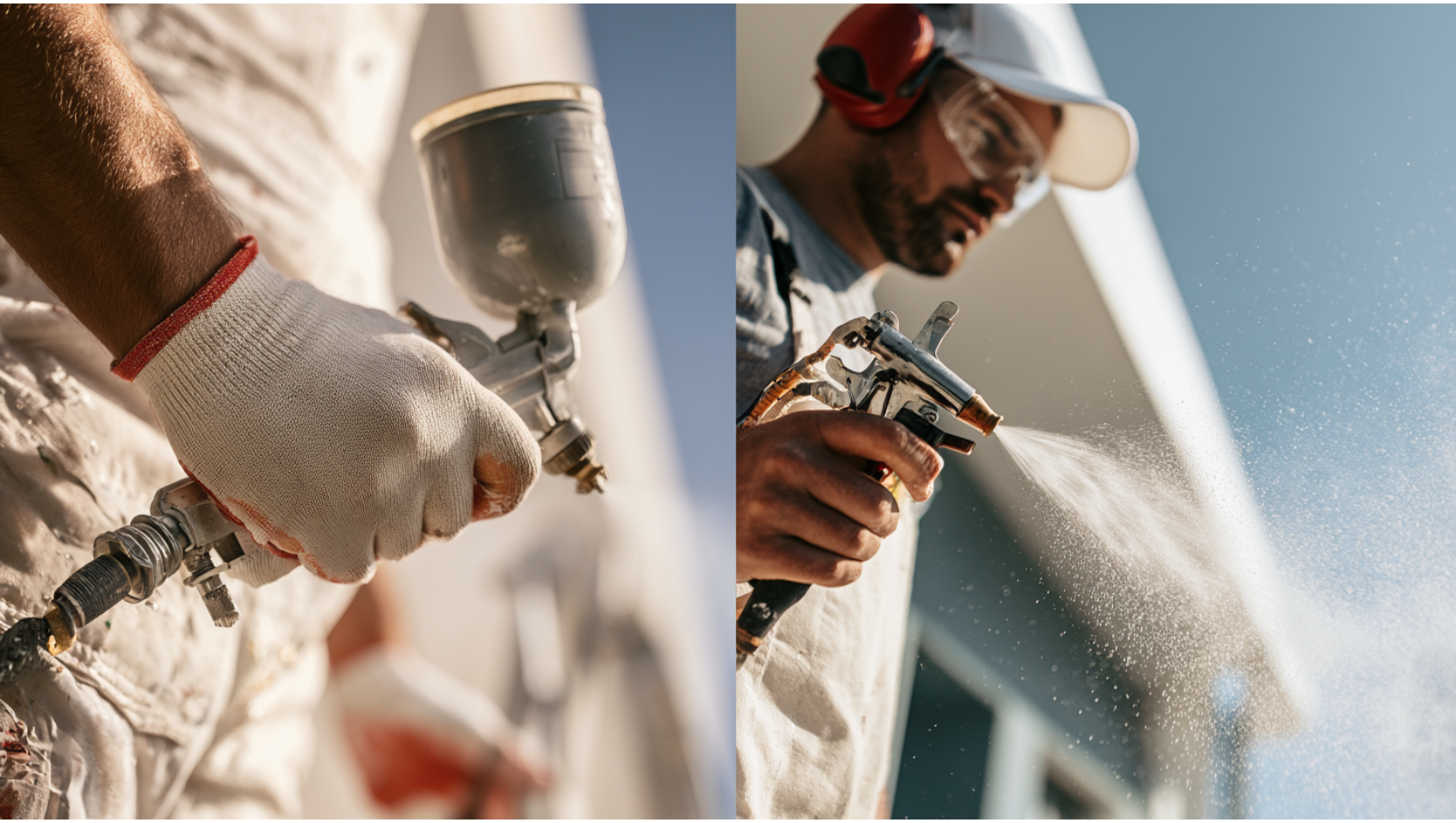
Both tools atomize paint, but they do it in very different ways and shine on different jobs. The HVLP vs airless paint sprayers which is right for your project question comes down to how each spray gun handles material, pressure, and finish quality. Here's how they stack up.
How Does an HVLP Gun Work?
HVLP stands for high volume, low pressure. The HVLP gun uses a turbine or air compressor to push a large volume of air at low pressure to atomize paint. EPA technical guidance describes these systems as operating at roughly 10 psi or less. Because the paint leaves the spray gun at much lower pressure and lower velocity than traditional spray guns, there's less bounce off the surface and less overspray.
That control is the HVLP sprayer's real strength. The HVLP system lays down a soft, even fan pattern that suits detailed surfaces: trim, doors, cabinets, millwork, and furniture. Because it breaks material into small particles and small droplets, it delivers a fine mist with a controlled spray pattern. An HVLP paint sprayer is also more forgiving for less experienced hands and diy enthusiasts, which is part of why so many fine finish projects are sprayed this way.
The tradeoff is coating thickness. HVLP works best with lower-viscosity products like stains, sealers, and varnishes, and it often needs thinning to prevent clogging. Push thick latex paint through an HVLP sprayer unthinned and you'll fight it. On large projects, it's simply slower than airless.
How Does an Airless Sprayer Work?
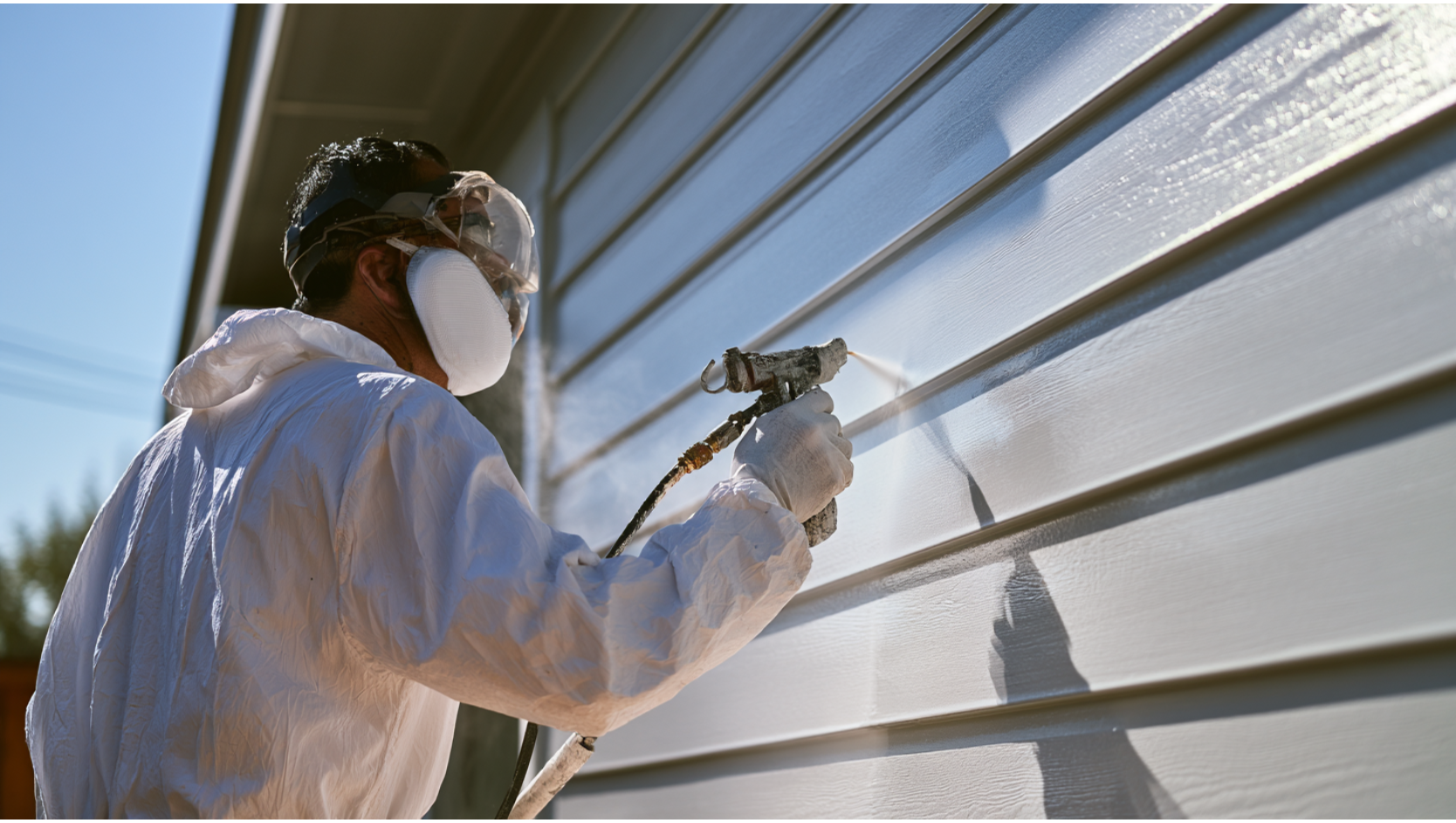
An airless sprayer uses a piston or diaphragm pump to force paint through a tiny spray tip under high fluid pressure. No compressed air atomizes the airless paint. The high pressure system alone breaks the material into a fine spray, and this airless technology is what gives it its speed.
That pressure is significant. EPA's technical reference describes typical airless systems running 1,000 to 3,000 psi, and some current equipment guides list material pressure up to about 250 bar, roughly 3,626 psi. Actual numbers vary by machine.
The payoff is speed and coverage. An airless paint sprayer handles thicker coatings, heavy materials, and high viscosity exterior paints without thinning, which makes it the production tool for large surfaces like walls, ceilings, siding, fences, decks, and exterior repainting projects. The tradeoffs: more overspray, so more masking, and a slower cleanup because you're flushing hoses and internal components. The high pressure also brings real safety considerations we cover below.
HVLP vs Airless: Which Is Right for Your Project by Type?
The method should match the surface and the finish goal. Here's how we typically map out paint projects:
- Cabinet painting and millwork: HVLP, for a fine, controlled finish quality.
- Doors and trim: HVLP, where detail and smoothness matter.
- Interior walls and ceilings: Airless paint sprayer for speed and extensive coverage, often back-rolled for even results.
- Exterior siding: Airless, frequently spray-and-back-brush to work the coating in.
- Fences and decks: Airless for broad coverage; thinner stains on smaller projects sometimes suit an HVLP gun.
- Commercial, HOA, and larger properties: Airless production, sized to the job.
Whether it's a family home repaint or a school hallway, the same standards apply. Our team picks the method that protects the surface and delivers the finish quality the project calls for.
Finish Quality: Smoothness, Texture, and Control
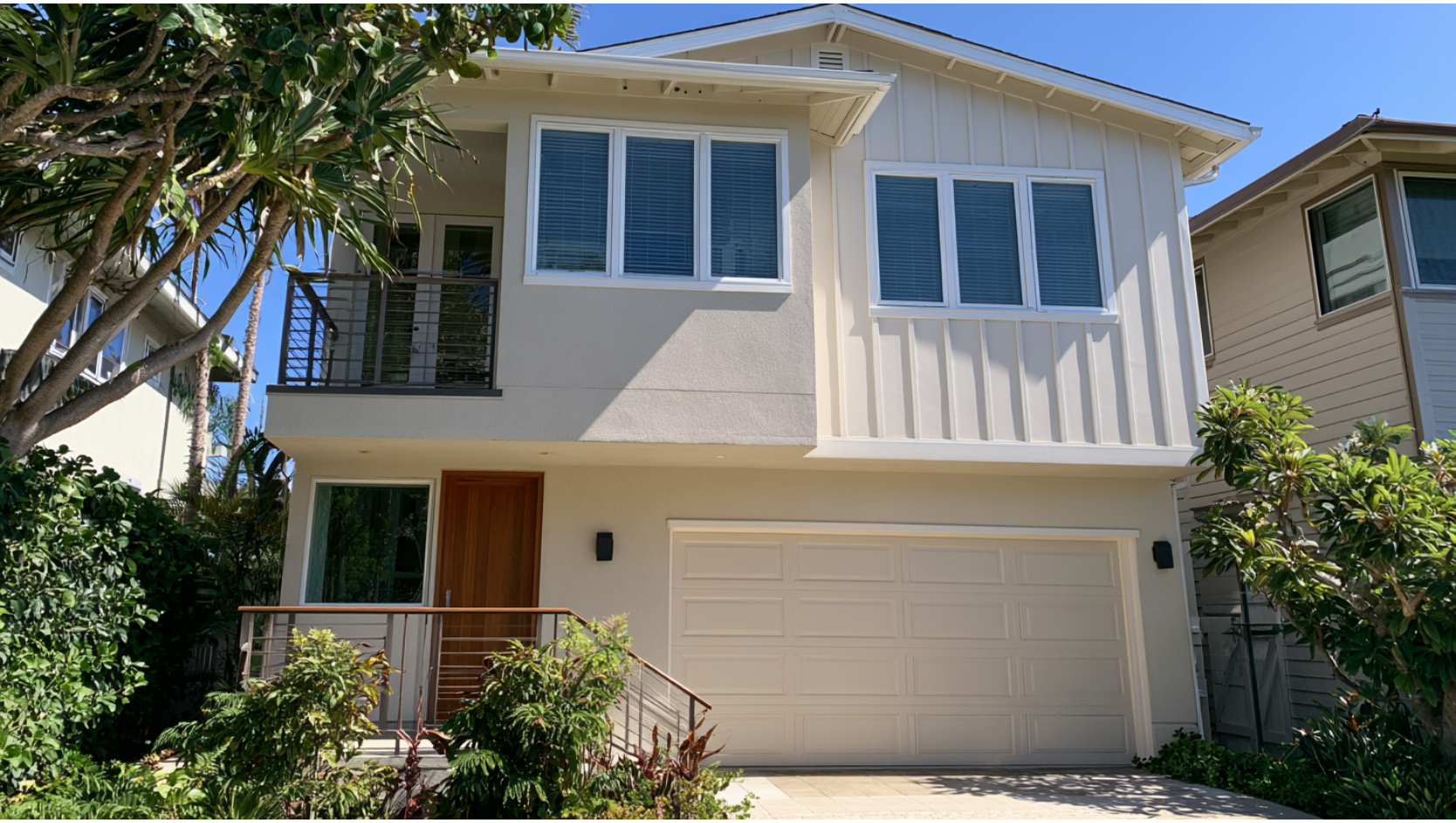
The HVLP sprayer's advantage is a refined, deliberate fine finish on detailed surfaces. It gives you more control and better control over the pattern, which is why cabinet painting and fine trim often come out glass-smooth with an HVLP gun.
But airless isn't automatically lower quality. That's a common oversimplification. With the correct tip, pressure, hand speed, distance from the surface, and proper prep, an airless paint sprayer produces a smooth finish across broad surfaces. The texture problems people blame on airless paint usually trace back to settings or technique, not the tool. Attention to detail is what earns a flawless finish, whichever paint sprayer is in hand.
Overspray, Masking, and Reducing Paint Waste
Transfer efficiency is a simple idea: the share of paint that actually lands on the surface versus what's lost to overspray. HVLP's lower velocity usually means less overspray and helps in reducing paint waste. But every spray method needs masking.
EPA is careful here, and so are we. Transfer efficiency depends on gun type, surface shape, spray velocity, operator skill, and air movement, including wind on outdoor projects. There's no honest universal percentage. What matters on your property is careful masking that protects landscaping, windows, floors, and fixtures so paint ends up only where it belongs.
Paint Thickness and Thinning: What Each Sprayer Handles
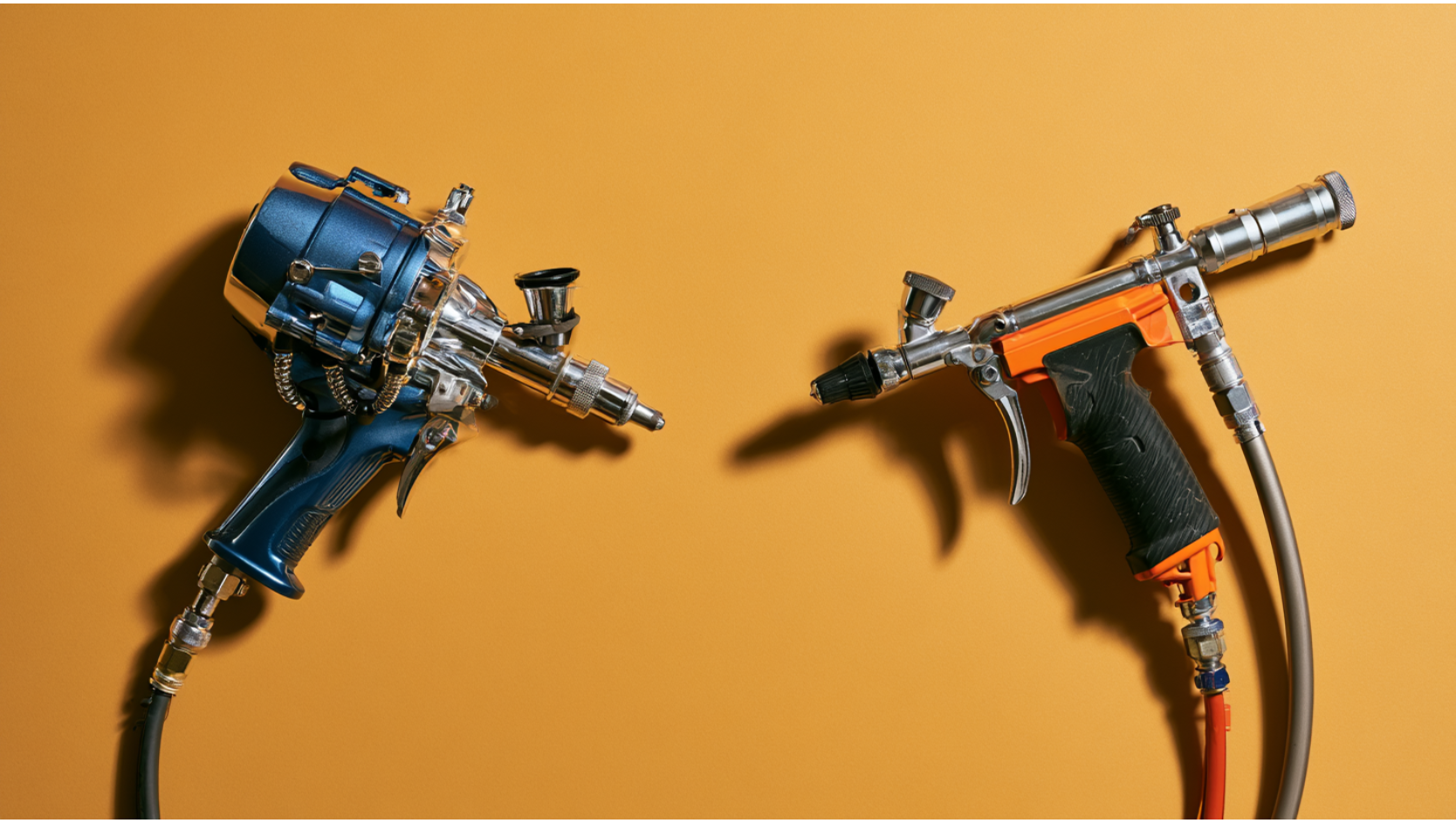
Coating viscosity often decides the tool. The HVLP paint sprayer suits lower-viscosity products like stains, sealers, and enamels, and it commonly needs thinning to spray cleanly. An airless sprayer atomizes thicker coatings, including heavy latex paint and exterior paints, without thinning, which is a big reason it dominates large exterior projects and stays efficient across large areas. Whichever method you use, follow the product's technical data sheet and manufacturer instructions for thinning and application. Matching the material to the sprayer is how you protect finish quality from the first pass.
Why Surface Prep Matters More Than the Sprayer
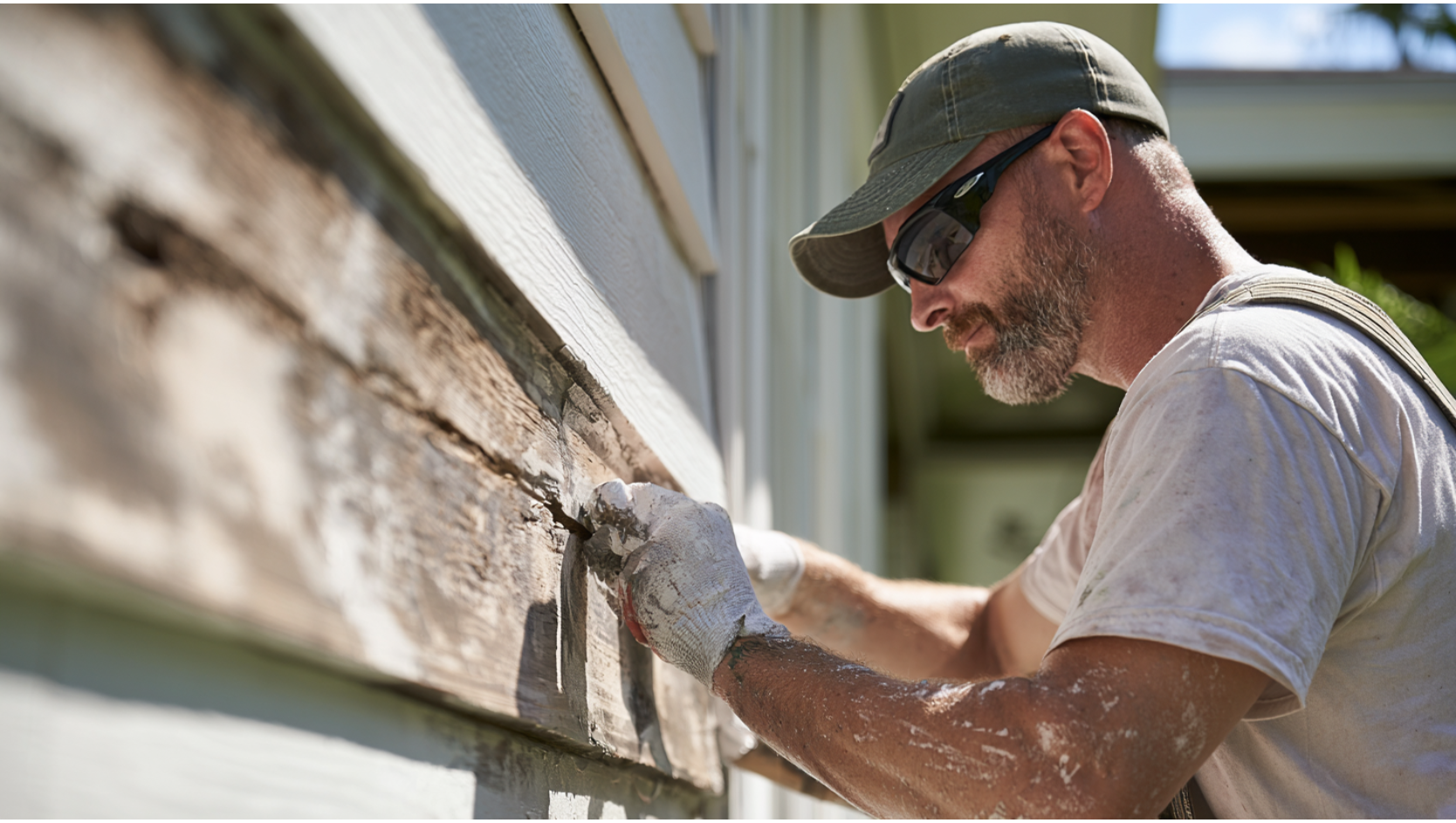
Neither HVLP nor airless fixes a bad surface. Paint sprayed over a failing substrate fails with it. Real surface prep includes cleaning, sanding, assessing moisture, repairing cracks, patching, caulking, sealing, priming, and making the surface sound before any coating goes on.
This is where being full-service changes the outcome. We also handle rot repair, siding replacement, and carpentry before paint, so the finish has something solid to hold. Restoring damaged wood protects the structure and preserves your property's value, and it's the difference between a repaint that looks good for years and one that peels. Clean, long-lasting results start with the prep, not the sprayer.
When Back-Rolling or Back-Brushing Matters
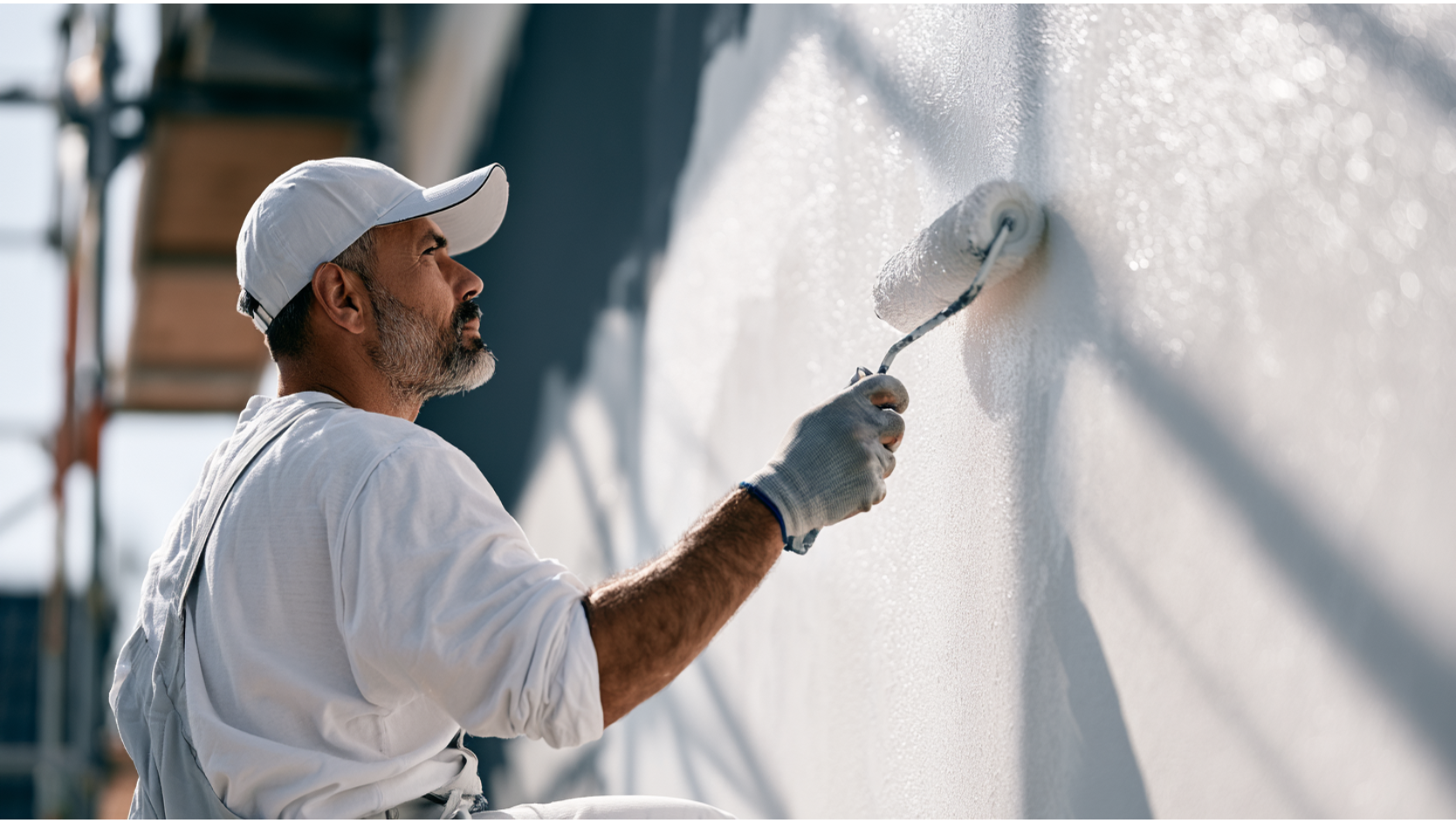
Spraying is often one step in a system, not the whole method. On exterior siding, porous surfaces, or rough substrates, back-brushing or back-rolling right after spraying works the coating into the surface for better penetration, leveling, and durability. As general airless technique, professional painters keep the spray gun about 12 inches from the surface, hold it at a 90-degree angle, and apply the recommended mil thickness. Spray-and-back-brush combines the speed of an airless paint sprayer with the even, worked-in coverage a brush provides.
Safety: Pressure, Ventilation, and Older Homes
Airless high pressure creates a genuine injection hazard. OSHA documents an injury where a worker's hand was in front of a 3,300 psi airless nozzle while the line was not depressurized, and he was hospitalized. That's an example, not a universal spec, but it shows why these machines demand respect.
Ventilation matters during and after spraying, and respirator choice should follow the coating's SDS and manufacturer instructions rather than a one-size-fits-all recommendation. For homes and child-occupied facilities built before 1978, disturbing more than 6 square feet of interior or 20 square feet of exterior painted surface triggers EPA lead-safe work requirements. Cover Pro Painting is EPA Lead-Safe (RRP) Certified, so older-home prep is handled the right way.
When to DIY and When to Hire a Professional
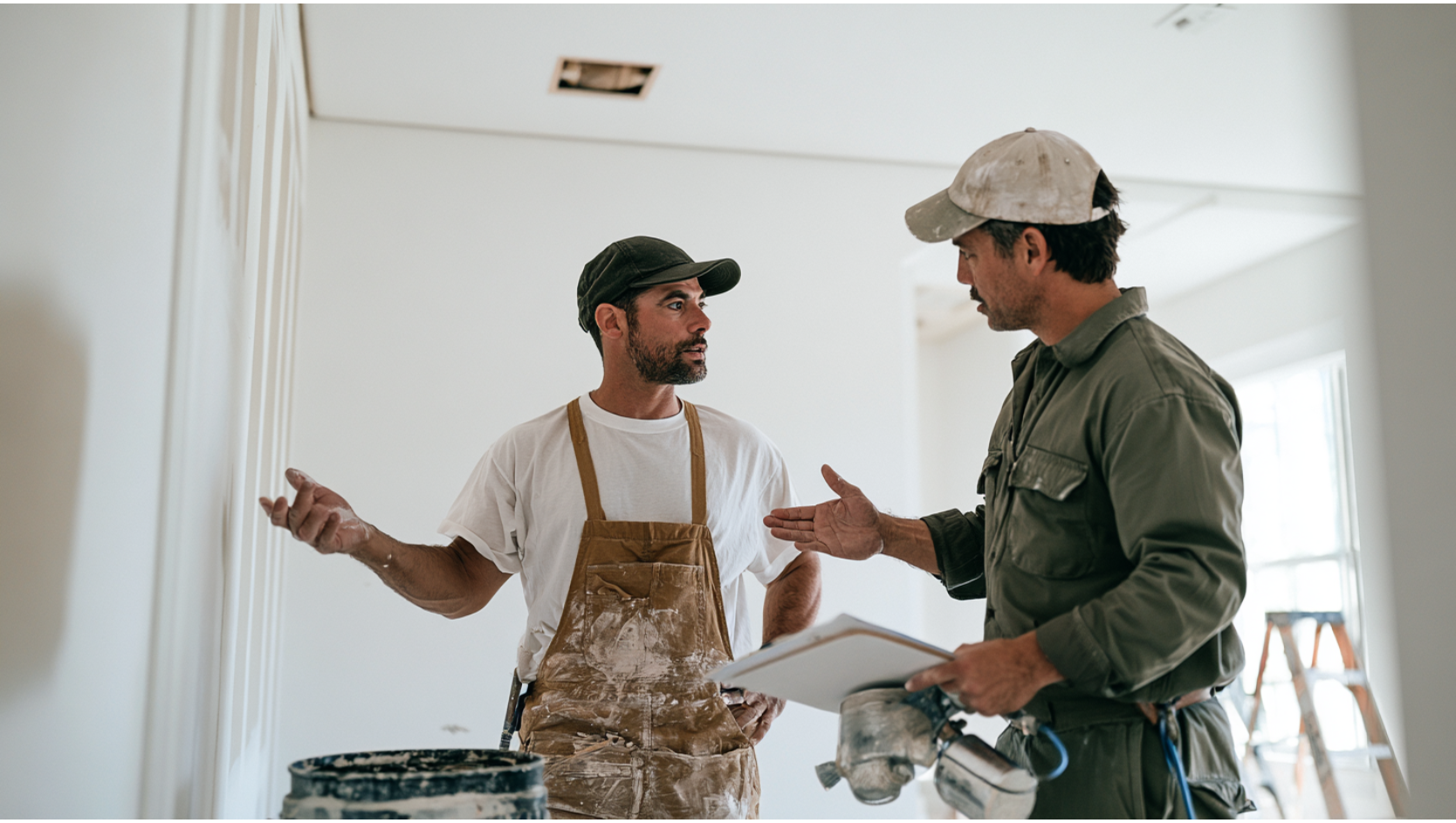
DIY can make sense for small, removable, well-ventilated projects where a rough day won't cost much. Hire a professional for large projects like full exteriors, occupied interiors, high-detail cabinet painting, lead-safe work on older homes, and anything involving rot or siding repair, where a clean, long-lasting result is the whole point.
Cover Pro Painting is founder-led and full-service, with over 13 years in business and over 100 years of combined experience. We're licensed, bonded, and insured in Washington State, back exterior work with a five-year warranty, and use premium paint products carrying lifetime manufacturer warranties.
When should you use airless vs. HVLP?
Use an airless sprayer for large surfaces where speed and coverage matter, like walls, siding, and exteriors. Use an HVLP sprayer for detailed work where a fine finish matters, like cabinet painting and trim.
Which sprayer is better for cabinets?
The HVLP paint sprayer. Its low pressure and controlled pattern produce the smooth, refined finish quality cabinets need, with less overspray to manage in tight kitchen spaces.
Does HVLP have less overspray than airless?
Generally yes, because HVLP sprays paint at lower velocity. But overspray isn't eliminated, and both methods require proper masking to protect surrounding surfaces.
What are the disadvantages of HVLP sprayers?
An HVLP sprayer is slower on large projects, often needs the paint thinned to prevent clogging, and struggles with thick latex paint. It's built for detail, not broad coverage.
Is HVLP better than airless for beginners?
The HVLP gun is easier to control, which makes it more forgiving for less experienced hands. An airless paint sprayer is faster but less forgiving if pressure, tip, or technique are off.
Get a Free Estimate From Cover Pro Painting
The right paint sprayer depends on your surface, your material, and the finish you're after. We'll evaluate the prep, any repairs, product selection, and the method that protects and transforms your surface, then give you a clear, transparent estimate before any work begins. Start with a free estimate and see exactly what your project will involve. Call us today at 206-222-0435 to schedule.
