



How to Remove Paint From Brick Without Damaging It
Key Takeaway
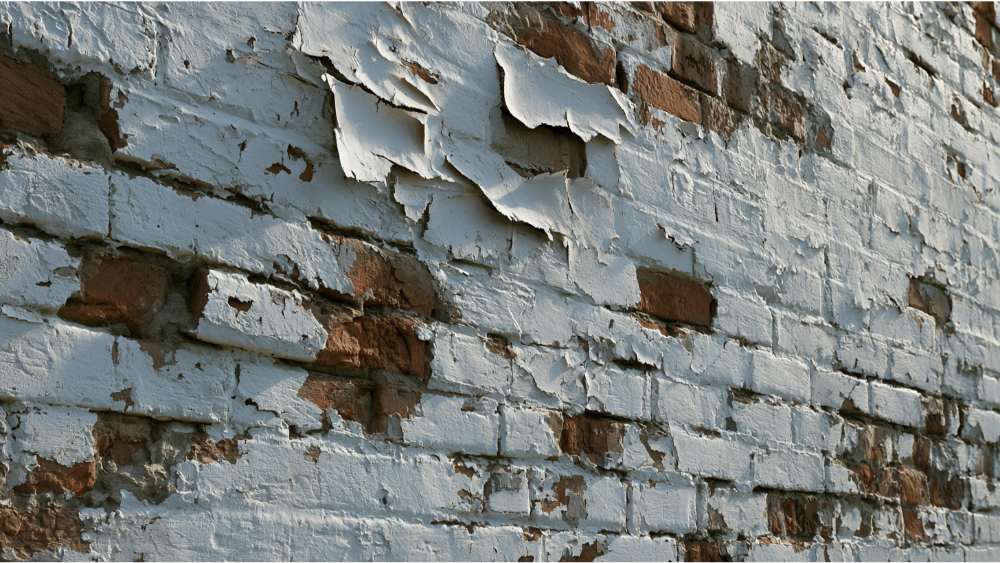
To remove paint from brick, apply a masonry-rated gel or paste paint stripper to a small hidden test area first, then lift the softened paint with a plastic or wood scraper and a stiff nonmetal brush, and neutralize and rinse exactly as the label directs. Avoid sandblasting, grinding, muriatic acid, and high-pressure washing, as these can scar the brick face and erode mortar. If your home was built before 1978, test for lead before disturbing any paint.
The safest way to remove paint from brick is to test a masonry-rated gel or paste paint stripper in a small hidden spot, lift the softened paint with a plastic or wood scraper and a stiff nonmetal brush, then neutralize and rinse exactly as the label directs. Skip sand blasting, grinding, muriatic acid, and high-pressure power washing as your main method, because they can scar the brick surface and erode mortar. If the home was built before 1978, treat the old paint as a possible lead hazard and get it assessed first. Brick is porous, so a perfectly uniform natural brick result can't always be promised.
First, Identify What Kind of Paint Removal Job You Have
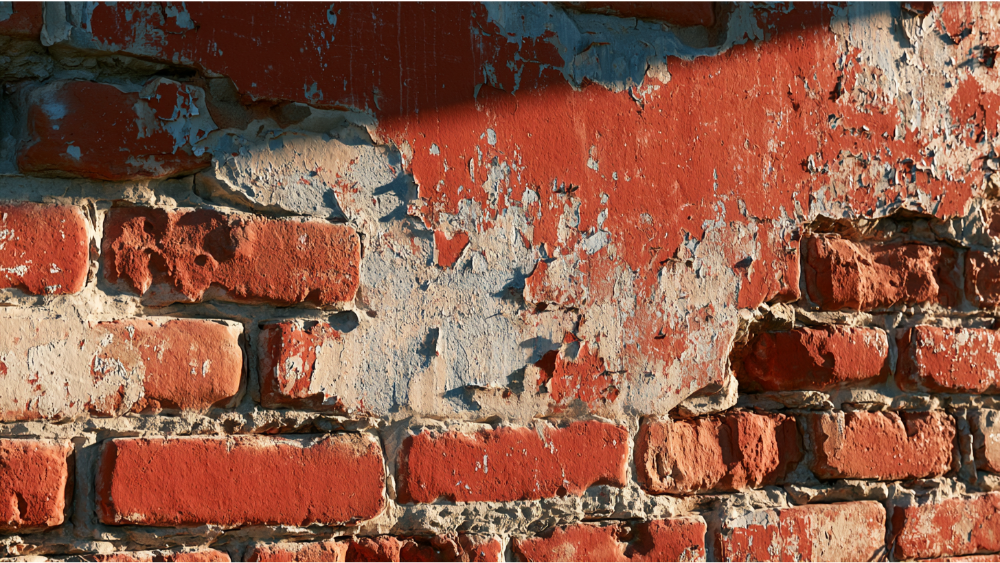
The right approach to stripping paint depends entirely on what you're dealing with, and these situations don't get the same instructions.
A single dried drop is a spot job. A whole house repaint or a fully painted wall is a project with real risk attached. Using a technique meant for one on the other is how homeowners end up with permanent damage.
Can Painted Brick Actually Be Restored?
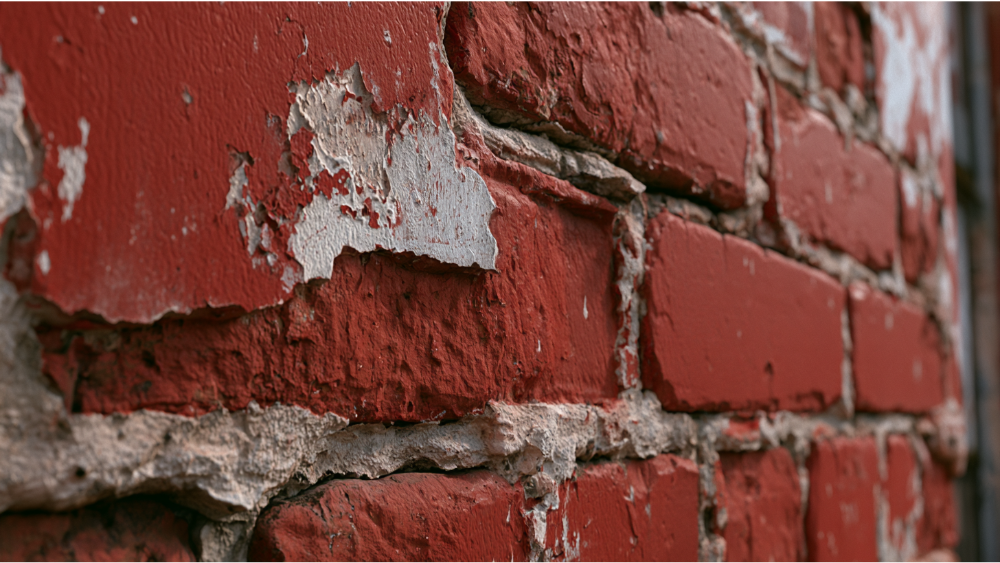
Sometimes, but not always to clean bare brick. Paint soaks into the pores of masonry surfaces, which means some of it bonds in a way that's genuinely hard to pull back out. The Brick Industry Association notes that certain coatings can be difficult or impossible to remove completely without harming the brick. What you're working with matters: the number and type of coats, the current brick condition, any existing spalling or mortar failure, and why the brick was painted in the first place. Paint sometimes hides mismatched red brick or old repairs, and removing it can reveal them. Multiple paint layers make the job slower and less predictable than a single coat. A test area is the only honest way to learn what's realistic before you commit to a whole wall.
Inspect for Moisture and Damage Before You Strip
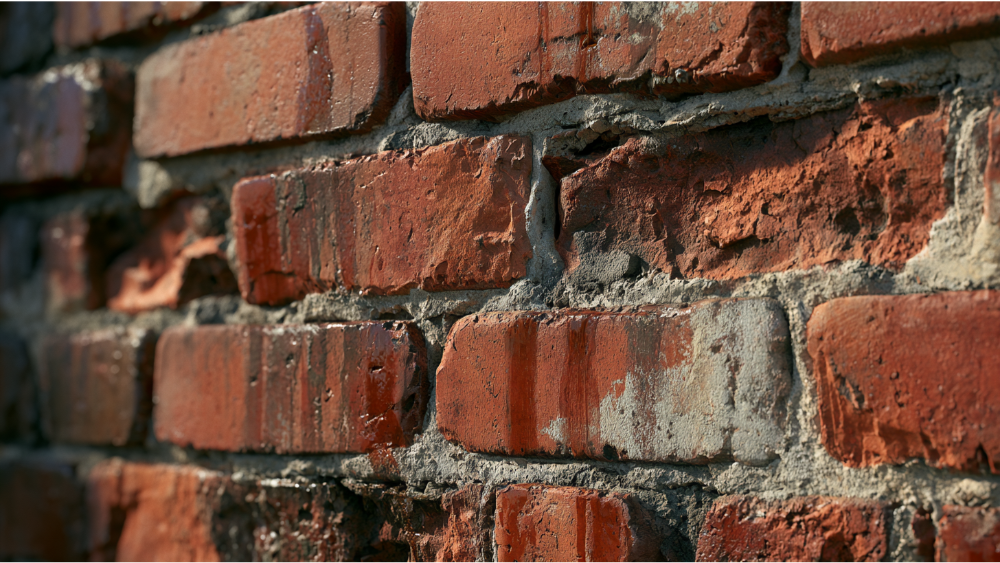
Good prep starts before any paint stripper touches the wall. Walk the surface and look for efflorescence (that white powdery residue), failed mortar joints, cracks, spalling, flashing or weep issues, water stains, and any peeling or flaking along the edges of the old coating. Check adjacent trim, siding, and wood for rot while you're at it. If moisture is getting in, fix the source before you apply any new finish, or the problem comes right back. Because we're a full-service team, if removing paint uncovers rot, siding damage, or carpentry that needs attention, we can handle those repairs in the same engagement instead of sending you off to juggle separate contractors.
Test for Lead on Older Painted Brick
If the home was built before 1978, the paint could contain lead, and that changes everything. Scraping, sanding, blasting, and pressure washing can release lead dust and spread it through the air and soil. The federal Renovation, Repair and Painting (RRP) rule applies to paid work that disturbs paint in most pre-1978 homes. Testing for lead before you start is not optional on an older home, and that is for good reason. Cover Pro Painting is EPA Lead-Safe (RRP) Certified, so this is work we're trained and equipped to do safely. If you're a DIYer and lead is even a possibility, stop and get a professional assessment before you disturb the surface.
Tools, Chemicals, and Materials You'll Need
Before any testing begins, gather the right tools and chemicals so you're not improvising mid-job.
Step-by-Step: How to Remove Paint From Brick
Paint Removal Methods That Can Damage a Brick Surface
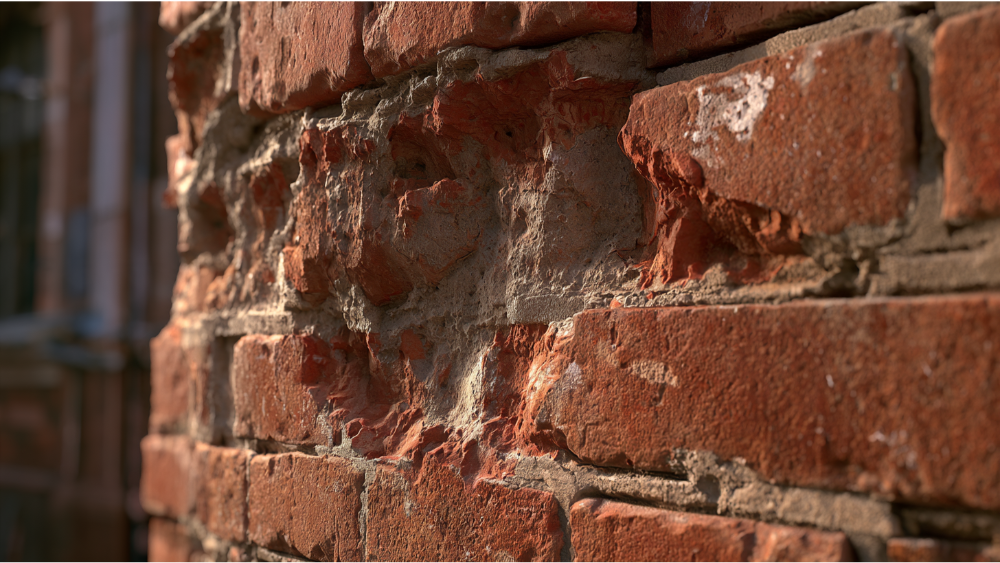
Not every way to remove paint is safe for masonry. Some aggressive paint removers and mechanical methods do lasting harm, so it helps to know what to avoid if you want to protect the original surface.
Removing Paint From an Interior Brick Fireplace
Indoors, ventilation comes first. Open windows, run fans, wear a mask, and contain the floors, furniture, vents, and doorways with drop cloths. Be ready for soot or creosote hiding under the paint, which makes for a messier job than you'd expect. Keep stripper and any new coating out of an active firebox, and if the fireplace is in regular use, have it inspected by a qualified fireplace pro. If the plan shifts toward repainting instead, we offer a free color consultation to help you land on the right look.
For Washington Homeowners: Lead Rules, Runoff, and Drying
Washington administers RRP certification through the Department of Commerce, and the state's lead-safe rules require dust containment while restricting sanding, grinding, and blasting. Keep stripper, paint sludge, chemicals, and rinse water out of streets, soil, ditches, and storm drains. Around Edgewood and the rest of Pierce County, that runoff can literally reach Puget Sound, so confirm current county hazardous-waste requirements before disposing of anything. In our cool, rainy Seattle-Tacoma weather, brick holds moisture and needs extra time to dry fully before any new coating goes on. And before you hire anyone, verify their registration, bond, and insurance through Washington L&I.
Should You DIY or Hire a Professional Grade Team? (and Get a Free Estimate)
Call in a pro when the home predates 1978, when a whole exterior wall or house is involved, when the brick is historic, soft, or spalled, or when the job needs ladders, lifts, or scaffolding. The same goes for multiple unknown paint layers, a test patch that causes discoloration or mortar loss, runoff you can't safely contain, or related siding, rot, or trim repairs. Site conditions and the goal of preserving the masonry should drive the decision.
We're a founder-led team with over 13 years in business and over 100 years of combined experience. We're licensed, bonded, and insured in Washington, EPA Lead-Safe Certified, and we bring professional grade products and methods to every brick surface. We back exterior work with a 5-year warranty using premium products carrying lifetime manufacturer warranties. You get a transparent estimate before anything starts, plus 0% APR financing and 10% off for first-time customers. Start with a free estimate and we'll assess whether removal, prep, repairs, or repainting gives you the most dependable, lasting results. Call 206-222-0435.
Frequently Asked Questions
Does WD-40 remove dried paint from brick?
It may loosen a small fresh spot, but it isn't a reliable way to remove paint from a full wall and can leave residue behind on porous brick. For real coverage, use a masonry-rated paint stripper.
Can vinegar remove paint from brick?
Vinegar might soften a tiny fresh splatter, but it won't strip cured coats and hasn't been tested on masonry. A masonry stripper is the dependable choice, and TSP can help cut residue when you scrub during cleanup.
Can you restore brick after it's been painted?
Sometimes, but not always to uniform bare brick. A test area in a hidden spot is the only way to know what's realistically achievable before you commit to the whole surface.
What is the best paint remover for bricks?
A biodegradable, masonry-labeled gel, paste, or poultice stripper, used according to its label and tested first. Avoid anything meant for smooth surfaces, since brick needs a gentler, substrate-specific product.
More Posts
Looking for more posts on brick care, graffiti removal, and exterior prep? Browse our blog for practical guides, or reach out and we'll point you to the right resource for your project.
