
%201.svg)


How to Prepare a Wooden Fence for Painting or Staining?
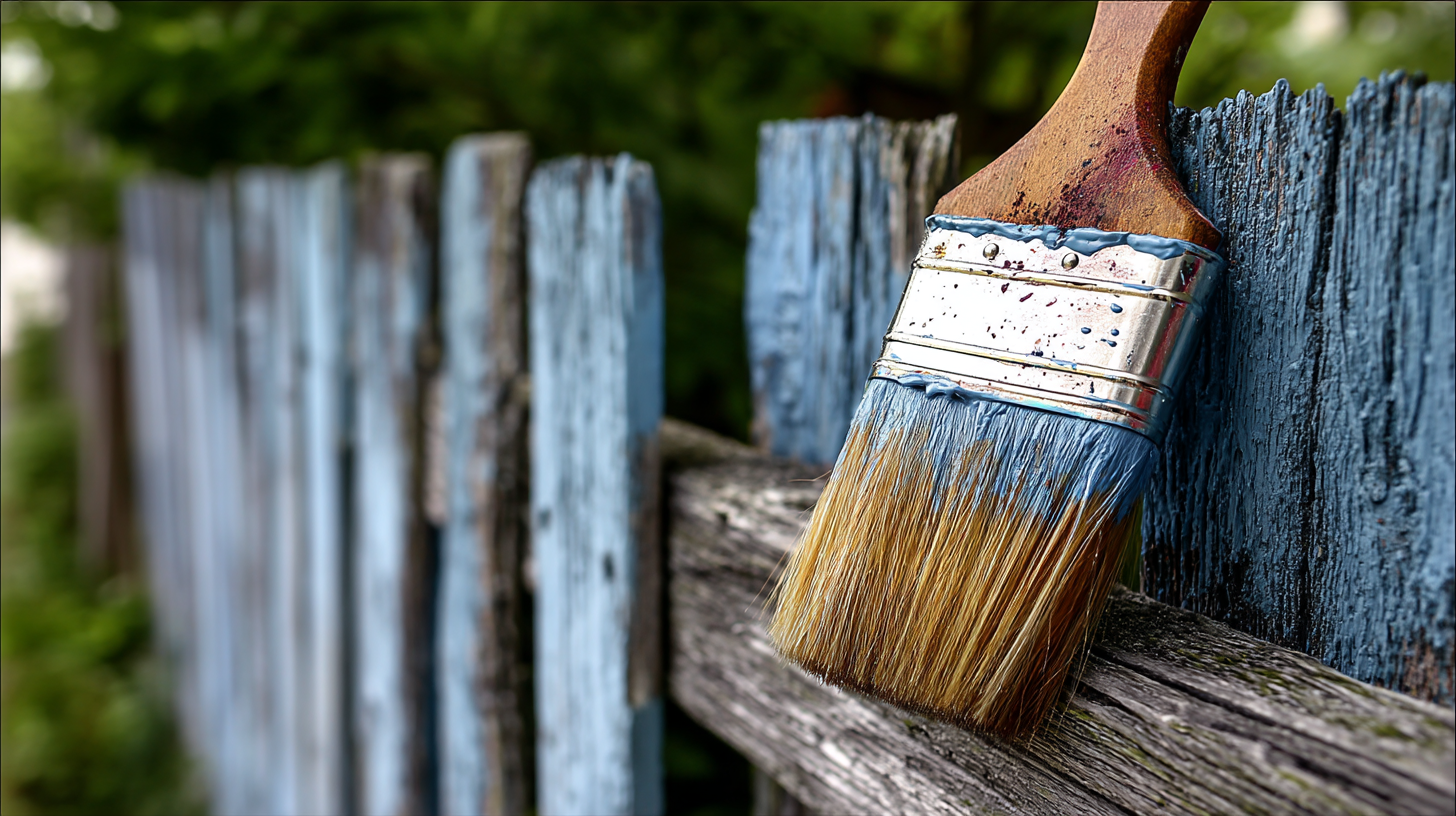
Here’s the quick answer: how to prepare a wooden fence for painting or staining comes down to inspection, cleaning, drying, surface prep, and choosing the right application method. If your wood fence is clean, dry completely, structurally sound, and properly prepped, paint and stain will bond better, look more even, and last longer. Skipping steps often leads to peeling paint, uneven stain, wasted time, and higher long-term cost. This guide explains the full process the same way we approach a professional fence painting project in the South Puget Sound.
Why Fence Preparation Matters More Than the Paint or Stain You Choose
A fence is constantly exposed to moisture, dirt, uv rays, and temperature swings. Even the best paint or stain will fail if applied over a dirty or damp surface. Proper prep allows paint to grip the surface and allows stain to penetrate the wood grain evenly. When preparation is rushed, finishes peel, fade, or blister. In our local climate, mildew, mold, and algae are common, especially on the yard side or shaded areas. Preparation protects the natural beauty of the wood, helps you save money on future maintenance, and creates a more durable finish.
Step 1 — Inspect the Fence Before You Touch a Hose or Brush
Check for Rot, Soft Wood, and Loose Boards
Walk both sides of the fence and inspect each section closely. Look for rotting boards, warping, loose nails, or areas where the wood feels soft. These issues must be repaired before paint or stain is applied. Use wood filler for small repairs and replace boards that are beyond repair. Coating over damage will only hide problems temporarily and lead to peeling and premature failure.
Identify Old Paint, Old Stain, or Bare Wood
Check for old paint that is cracking or peeling, as well as old stain that has worn unevenly. Any loose material must be removed so the new coat can bond properly. Areas of bare wood should be smoothed and prepared evenly so the finish looks consistent across the entire fence.
Step 2 — Protect Landscaping and Surrounding Surfaces
Before cleaning, protect plants, grass, furniture, and nearby surfaces. Lay down a drop cloth or plastic sheeting along the base of the fence to protect the yard and catch debris. Move outdoor furniture away from the work area. This step helps prevent damage and keeps cleanup simple. It also protects neighbors and shared property lines from overspray or runoff.
Step 3 — Clean the Fence Thoroughly
Remove Dirt, Pollen, and Grime
Start by rinsing the fence with a garden hose to remove loose dirt. For heavier buildup, use a pressure washer on a low setting or a bucket of cleaner and a stiff bristle brush. The goal is to remove contaminants without damaging the wood surface. Dirt left behind will prevent paint from bonding and block stain from soaking in.
Remove Mildew and Algae Completely
Mildew and mold must be removed before any coating is applied. These growths can bleed through a fresh coat and cause discoloration. Scrub affected areas thoroughly and rinse well. In damp yards, mildew often forms near the bottom of the fence or on the other side that gets less sun.
Should You Pressure Wash a Fence?
A pressure washer can speed up cleaning, but too much pressure damages the surface and raises wood fibers. Keep the spray moving and avoid concentrating pressure in one spot. If the surface becomes fuzzy, sanding will be needed to restore a smooth surface before painting or staining.
Step 4 — Rinse Well and Let the Wood Dry Completely
Why “Looks Dry” Isn’t Dry Enough
Wood holds moisture internally even when it appears dry. Trapped moisture leads to peeling, blistering, and uneven results. After washing, wait long enough for the fence to dry completely before moving on.
How Long Should a Fence Dry Before Painting or Staining?
Drying time depends on weather forecast, shade, and airflow. In dry weather, most fences need at least two to three days. In shaded areas, wait longer. Stain in particular requires dry wood so it can penetrate properly.
Step 5 — Open the Wood Grain for Proper Absorption
What Is Mill Glaze?
New boards often have a smooth, factory-burnished layer that resists absorption. This mill glaze prevents stain from soaking in and leads to blotchy results.
Sanding vs. Wood Brighteners
Lightly sand glossy or rough areas to open the wood grain and smooth raised fibers. Wood brighteners can also help restore absorption after washing. The goal is an even, smooth surface that accepts paint or stain uniformly.
The Water Drop Test
Sprinkle water on the surface. If it soaks in quickly, the fence is ready. If it beads up, wait longer or continue prep.
Step 6 — Prep Differences: Painting vs. Staining a Fence
Preparing a Fence for Stain
Stain relies on penetration, so the surface must be clean, dry, and absorbent. Transparent and semi-transparent stain highlight natural beauty but show prep mistakes easily. Use a stain brush or sprayer to apply evenly and follow manufacturer’s instructions closely.
Preparing a Fence for Paint
Paint creates a protective film on the surface. Remove peeling paint, prime bare wood, and fill small gaps with wood filler. Primer improves adhesion and provides better protection against moisture and uv rays. Fence painting often requires two coats for a uniform finish. Using a paint sprayer specifically designed for wood fences can help achieve a uniform finish and save time. When applying paint, be careful to avoid drips by maintaining a steady hand and consistent technique. Some paints allow for a one coat application, but often a second coat is necessary for the best durability and color coverage. Paint offers a wide range of color options to customize your fence’s appearance.
Important Safety Note for Older Painted Fences
If your fence has old paint, especially on properties built before 1978, scraping and sanding can release lead dust. The Environmental Protection Agency requires lead safe practices in these cases. Proper containment, cleanup, and disposal protect your family, neighbors, and yard.
Common Fence Prep Mistakes Homeowners Make
Rushing the project, ignoring dry time, applying paint in poor weather, using the wrong tools, or forgetting to protect surrounding areas. Many diy project failures come from skipping prep steps or trying to hide damage instead of repairing it.
When It Makes Sense to Hire a Professional Fence Painter
Large fences, heavy peeling, extensive repair needs, or shared property lines often benefit from professional help. Professionals bring the right tools, materials, and experience to achieve a durable finish. Proper prep, careful application, and cleanup reduce risk and improve long-term results.
How Proper Prep Impacts Fence Longevity
With proper preparation, paint and stain last longer, require less maintenance, and look better over time. A well-prepped fence resists moisture damage, reduces future cost, and maintains curb appeal.
Fence Preparation FAQs
How long should a fence dry before staining?
Wait until the wood is fully dry, often several days, depending on weather and shade.
Do you need to sand a fence before staining?
Sanding helps open the surface on smooth or pressure-treated boards and improves penetration.
Can you stain a fence that was previously painted?
Only after all paint is removed and bare wood is exposed.
What’s the best time of year to prep and finish a fence in Washington?
Late spring through early fall during dry weather.
Can you prep a fence in shaded or mossy areas?
Yes, but mildew must be removed and extra drying time is needed.
Final Thoughts — Prep Is the Difference Between “Looks Good” and “Lasts”
Preparing a fence correctly takes time, patience, and attention to detail, but it pays off. Proper prep helps paint and stain perform as designed, protects the wood, and delivers better protection for years. Whether you tackle the project yourself or hire a professional, following these steps ensures your fence looks good, lasts longer, and enhances the overall yard.
