
%201.svg)


How to Open a Paint Can: Expert Techniques for Hassle-Free Access
Key Takeaway:
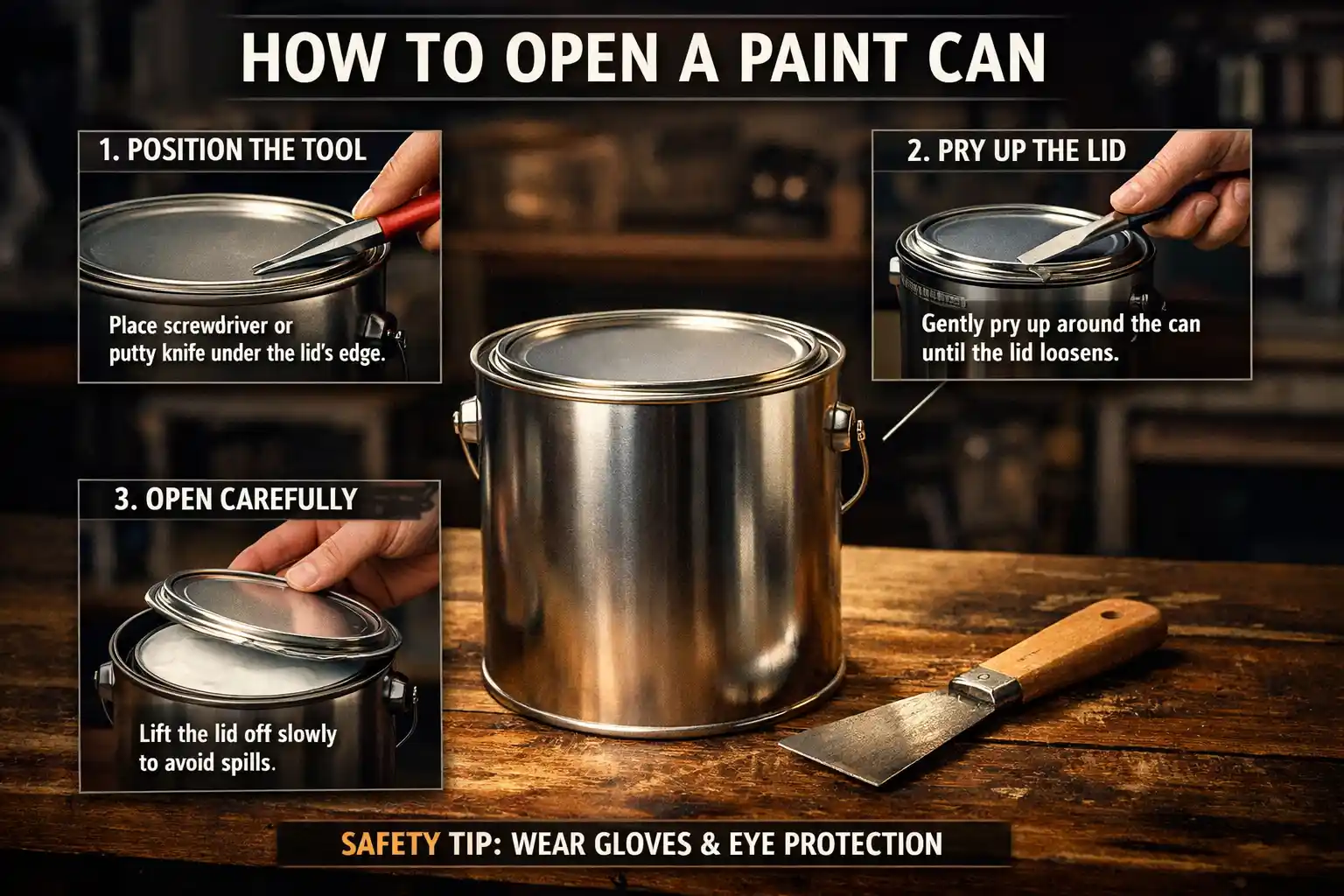
Learn how to open a paint can efficiently with expert tips on tools and techniques. This guide covers everything from preparing your workspace to maintaining paint quality after opening.
How to Open a Paint Can: Expert Techniques for Hassle-Free Access
Understanding Paint Can Types
Metal Paint Cans
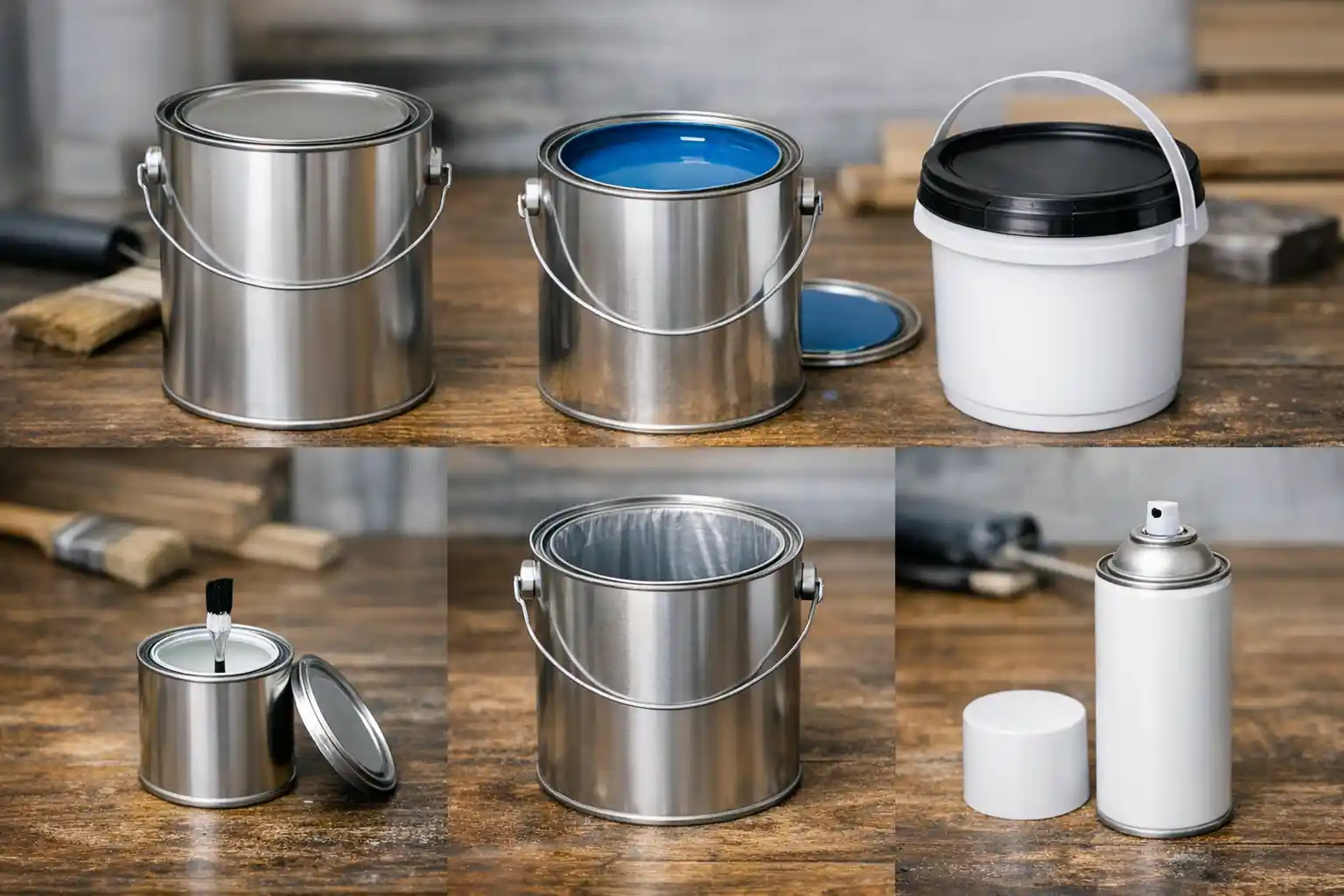
Metal paint cans are revered for their durability, making them the go-to choice for storing oil-based paints, varnishes, and industrial coatings. These cans, crafted from tin-plated steel, boast excellent resistance to corrosion, ensuring the paint remains protected from light and air. When sealed shut, they require a precise method to open without damaging the lid. The traditional design includes a tightly fitted lid, which, if mishandled, can cause paint to dry out or lead to contamination. Therefore, understanding the nuances of a metal can’s groove and closure mechanism is essential for preserving the paint's integrity.
Plastic Paint Cans
Plastic paint cans offer a modern alternative, appreciated for their lightweight nature and rust resistance. Predominantly used for water-based paints, these cans are easier to handle but demand careful attention to avoid deformation. The structural design features a groove that requires careful navigation to open without creating a mess. Proper closure is just as important, as improper handling can lead to damage, compromising the paint's quality. Mastering the technique to open and close these cans effectively extends their usability and ensures the paint remains fresh.
Essential Tools for Opening Paint Cans
Paint Can Openers
A paint key or opener is indispensable for anyone looking to open paint cans efficiently. This tool is meticulously designed to fit into the groove under the lid, providing the necessary leverage to lift it without bending or damaging it. Proper use of a paint can opener not only reduces the risk of spills and mess but also ensures that the lid can be resealed tightly. By maintaining the lid's integrity, you prevent air ingress, which can cause the paint to dry out prematurely. Thus, investing in a quality paint can opener is crucial for both DIY enthusiasts and professional painters alike.
Alternative Household Tools
In the absence of a dedicated paint can opener, a flathead screwdriver can serve as a substitute. However, this alternative requires a gentle touch to avoid damaging the can’s groove or bending the lid. The trick is to insert the screwdriver carefully and apply upward pressure to gradually lift the lid, working around the circumference to prevent damage. This method can be effective, but it carries a higher risk of creating a mess or causing lid deformation, which can affect the can's ability to be sealed properly afterward.
Step-by-Step Guide to Safely Opening a Paint Can
Preparing Your Workspace
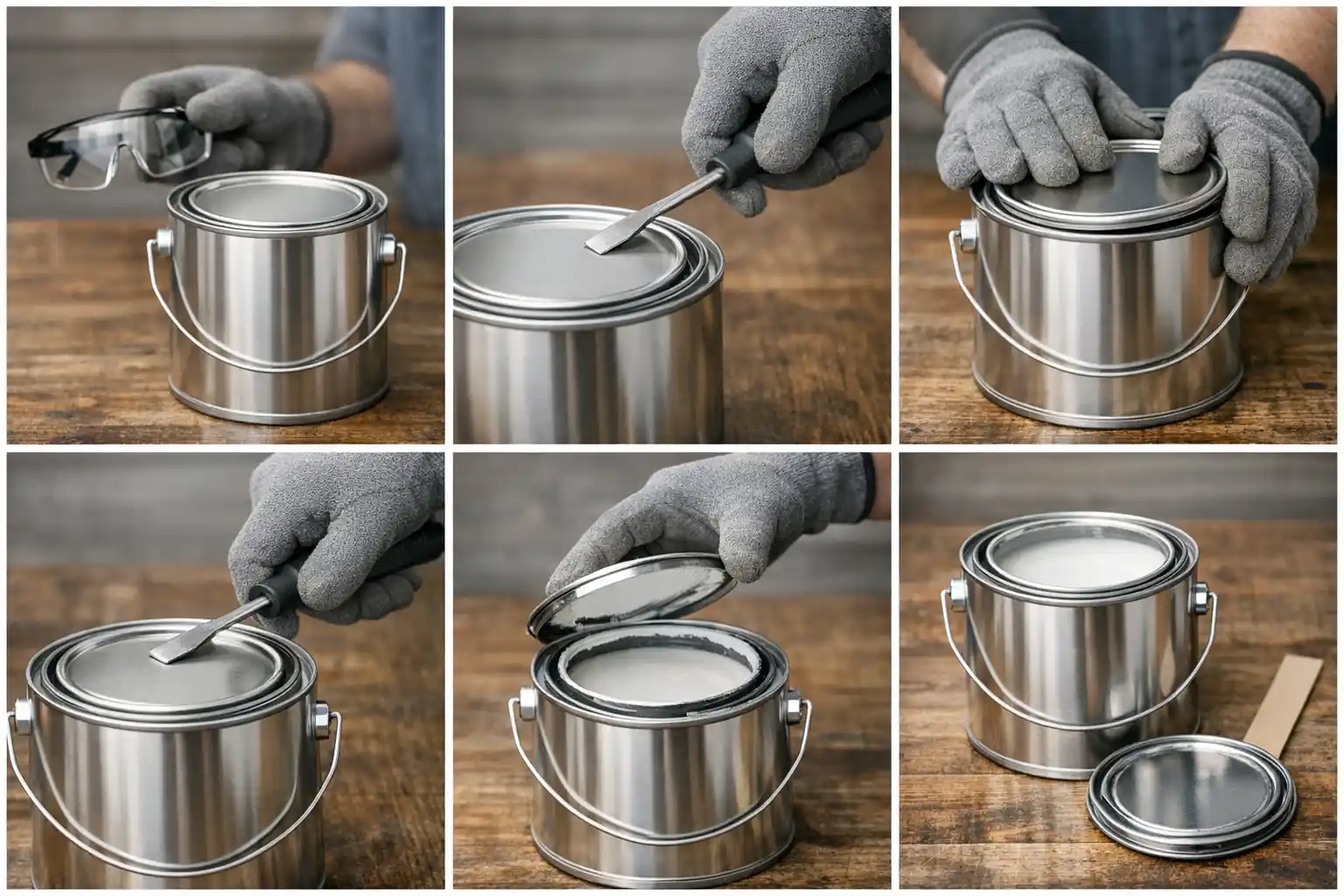
Before embarking on your painting project, it's crucial to prepare your workspace meticulously. Ensure the area is clean and organized, with the paint can placed on a stable surface. To prevent spills and drips, cover the surrounding area with a drop cloth or plastic sheet. Having your tools, such as a paint can opener and screwdriver, within easy reach reduces the chance of interruptions and helps maintain a clean workspace. This preparation is vital for efficient work and avoiding unnecessary mess, setting the stage for a successful painting endeavor.
Opening Metal Paint Cans
For metal cans, start with a paint key, inserting it under the lid's lip to gently pry it open. Rotate the can and repeat the process around the circumference, ensuring the lid lifts evenly to avoid bends or damage. If the lid is particularly stubborn, a gentle tap with a hammer on the opener can provide the extra leverage needed. Once the lid is loose, carefully remove and place it aside to prevent any paint drips. This methodical approach ensures the integrity of the lid is maintained, allowing for a proper reseal after use.
Opening Plastic Paint Cans
To open plastic paint cans, locate the groove and insert a paint key or flathead screwdriver. Apply gentle, consistent pressure while twisting to pop the lid, continuing around the can until it is free. Avoid using excessive force, which could deform the plastic and impair the can's ability to be resealed. Once open, handle the lid with care to prevent spills. This method prioritizes the preservation of the can's sealing capability, ensuring the paint remains in optimal condition for future use.
Technical Deep Dive: Advanced Techniques
Dealing with Stubborn Lids
Stubborn lids, especially on older cans, can present a challenge. A few drops of lubricant around the groove can work wonders, loosening the seal and making the lid easier to open. Allow the lubricant to sit for a few minutes before attempting to open the can again. Using a cloth for a better grip can provide the additional leverage needed without causing damage. This method is particularly useful for DIY projects where maintaining the can’s integrity is vital for ongoing paint preservation.
Preventing Spills
To minimize the risk of spills while opening paint cans, it's important to use a steady, controlled motion. Secure the can with one hand while carefully lifting the lid with the other. For larger cans, enlisting help to stabilize the can can make the process safer and more efficient. This approach is crucial for both small DIY projects and large-scale professional jobs, ensuring that paint is conserved and the workspace remains clean.
Common Pitfalls When Opening Paint Cans
Avoiding Lid Damage
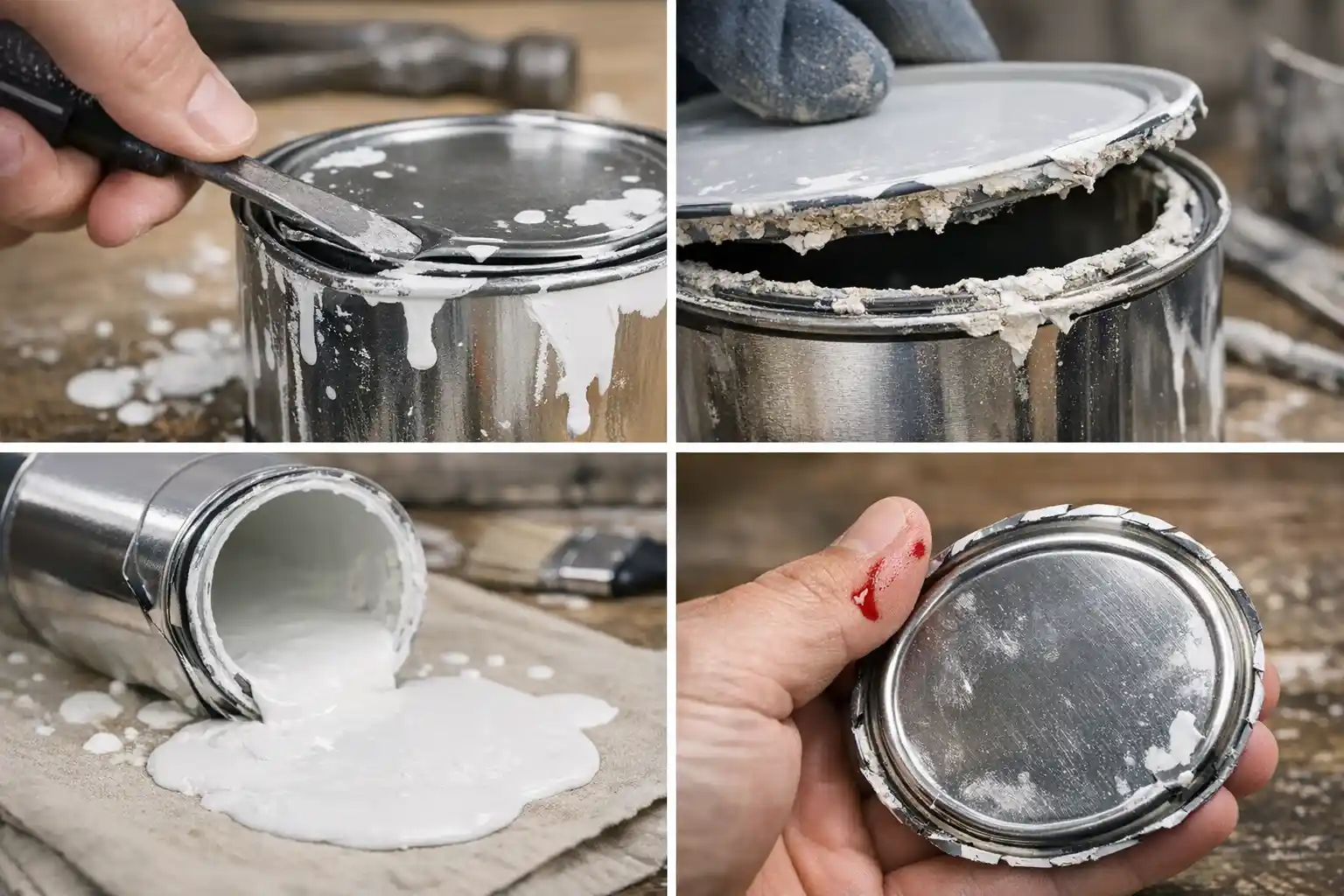
To prevent lid damage, it's essential to use a tool specifically designed for opening paint cans. Excessive force or prying at sharp angles can bend the lid, compromising the seal and leading to premature drying of the paint. By taking your time and working gently around the lid, you can ensure a clean seal, maintaining paint quality and usability over time. This careful approach is a critical step in making the most of your paint investment.
Preventing Paint from Drying Out
Once a paint can is opened, the contents are exposed to air, which can lead to rapid drying. To prevent this, avoid leaving the can open longer than necessary. If you need a break, seal the can with plastic wrap or foil to create a temporary barrier. Always ensure the lid is tightly sealed after use to maintain the paint's freshness. These steps are vital for both homeowners and professionals seeking to maximize the longevity and quality of their paint.
Maintaining Paint Quality After Opening
Proper Storage Techniques
After opening, storing paint correctly is essential to preserve its quality. Keep the paint in a cool, dry place, away from direct sunlight, and ensure the lid is sealed tightly to prevent air ingress. Storing cans upside down can create a tighter seal, reducing the chance of skinning. Labeling the can with the date of opening and the project details helps track usability. Proper storage techniques are a wise investment in prolonging paint life and ensuring readiness for future projects.
Re-sealing the Can Effectively
To reseal a paint can effectively, clean any paint residue from the lid edges and groove. Using a rubber mallet, gently tap the lid back into place to ensure a tight seal. This not only maintains the paint's consistency but also extends its shelf life, making it available for future touch-ups or projects. A well-sealed can is key to preserving the investment in your paint supply, ensuring it remains usable and effective.
Impact of Can Materials on Opening Techniques
Eco-Friendly Paint Cans
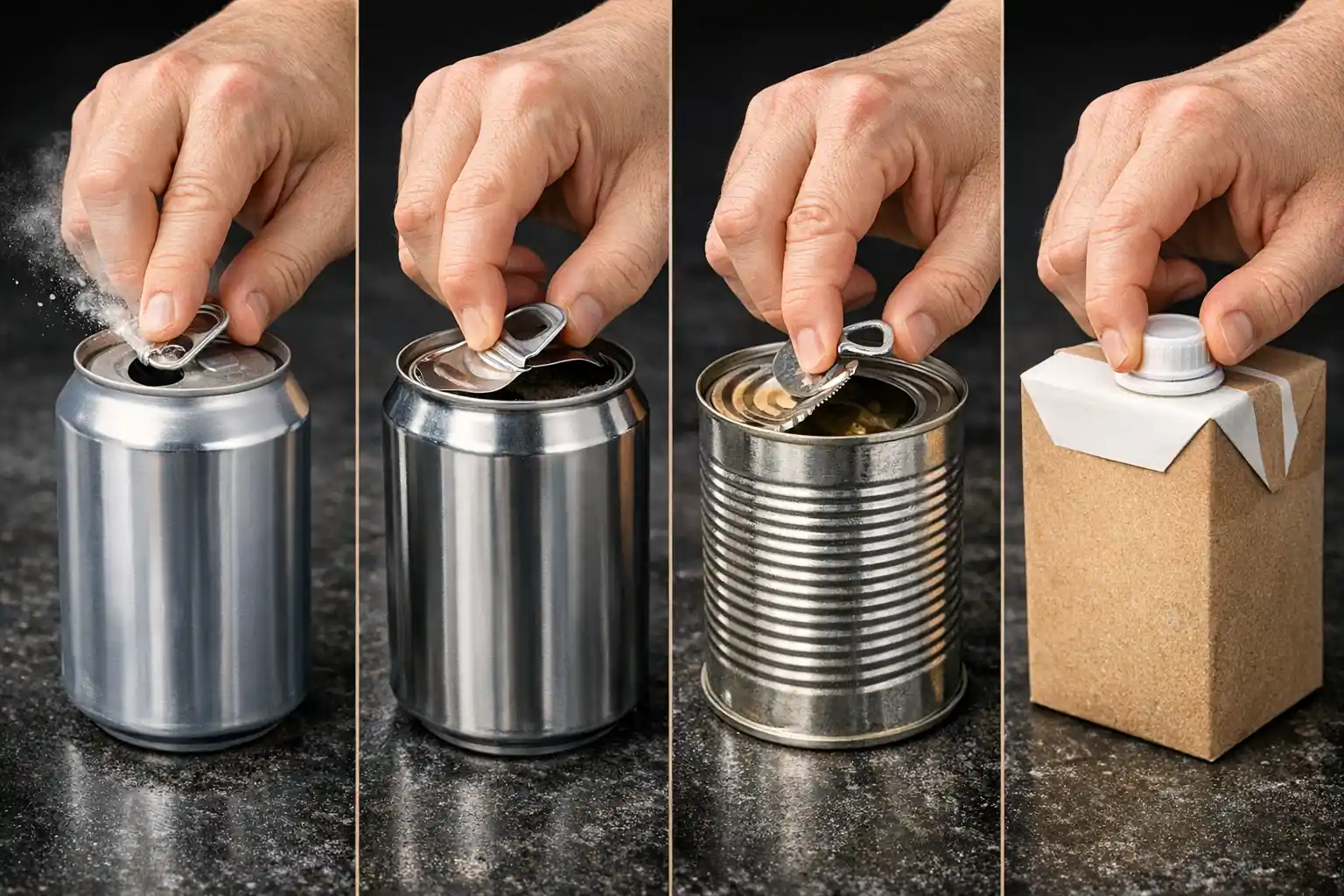
The shift towards eco-friendly paint cans involves the use of recyclable or biodegradable materials. While these options are better for the environment, they may require different tools or techniques for opening. Understanding the specific materials can guide you in choosing the right method, ensuring the can is opened without compromising its integrity. Staying informed about these developments is crucial for environmentally conscious painters and homeowners.
Future Innovations in Paint Can Design
Innovations in paint can design are increasingly focusing on sustainability and user-friendliness. Re-sealable lids and reduced waste materials are becoming more prevalent. Being aware of these trends allows consumers and professionals to adapt their techniques to new products, ensuring efficient and environmentally friendly painting practices. Keeping up with these advancements is important for those committed to modern and eco-conscious home improvement.
ROI & Cost Analysis: Longevity of Paint
Cost of Paint Waste
Improper opening and storage of paint can lead to significant waste, impacting both budget and environmental sustainability. By following correct techniques, you minimize waste, ensuring that every drop of paint is utilized effectively. This not only reduces the need for frequent purchases but also maximizes your investment, making proper paint management both a financial and environmental priority.
Benefits of Proper Storage
Proper storage techniques extend the life of your paint, ensuring it remains fresh and ready for future projects. This practice not only saves money by reducing the need for new paint but also minimizes environmental impact by reducing waste. Investing time in learning and applying correct storage techniques yields significant returns, preserving paint quality and availability for the long term.
Local Considerations for the South Puget Sound Area

Climate Impacts on Paint Storage
The climate in the South Puget Sound area presents unique challenges for paint storage, with high humidity levels potentially speeding up paint degradation. Ensuring a cool, dry storage environment is essential for maintaining paint quality in this region. Understanding local climatic conditions is crucial for homeowners and professionals seeking to preserve their paint investments.
Local Regulations and Paint Types
Local regulations can influence available paint types and recommended storage practices. Staying updated on regional guidelines is important for compliance and optimal paint usage. Consulting with local experts, such as those at Cover Pro Painting, provides valuable insights tailored to the area's specific requirements, helping you make informed decisions about your painting projects.
Expert Tips from Cover Pro Painting
Residential Painting Insights
Cover Pro Painting emphasizes the importance of meticulous preparation and cleanliness in residential projects. Experts recommend maintaining a detailed account of paint types and colors used in each room, ensuring consistency across touch-ups and new projects. Trusting seasoned professionals to deliver quality craftsmanship is key to achieving excellent results in every home.
Commercial Painting Advice
In commercial projects, efficiency and durability are paramount. Cover Pro Painting advises investing in high-quality paint to withstand the demands of commercial environments, and regular maintenance to prevent costly repairs. Relying on expert guidance ensures longevity and success in commercial painting endeavors, providing assurance of professional-grade results.
Frequently Asked Questions
What is the best tool to open a paint can?
The best tool is a paint can opener, specifically designed to fit into the groove under the lid and provide the necessary leverage to open it without causing damage.
How do I open a paint can without damaging the lid?
Use a paint can opener and gently work around the lid's circumference to lift it without bending. Avoid using excessive force to prevent dents and ensure a clean seal for future use.
Can I use a screwdriver to open a paint can?
While a screwdriver can be used in a pinch, it's not ideal. It may damage the lid or cause a mess. A paint can opener is the preferred tool for a safer and cleaner opening process.
How should I store paint after opening it to prevent drying out?
Store paint in a cool, dry place with a tightly sealed lid. Consider placing the can upside down to create an airtight seal and prevent the paint from drying out.
Are there different methods for opening old versus new paint cans?
Older cans may require additional care, such as using lubricant to loosen stubborn lids. Newer cans usually open more easily with a paint can opener, but always handle with care to avoid damage.
What are eco-friendly paint cans, and how do they affect the opening process?
Eco-friendly paint cans are made from recyclable or biodegradable materials, which may require different tools or techniques to open. Understanding the material can help you choose the right approach for opening these cans.
