
%201.svg)


How to Fix Uneven Paint: Expert Techniques and Tips for a Perfect Finish
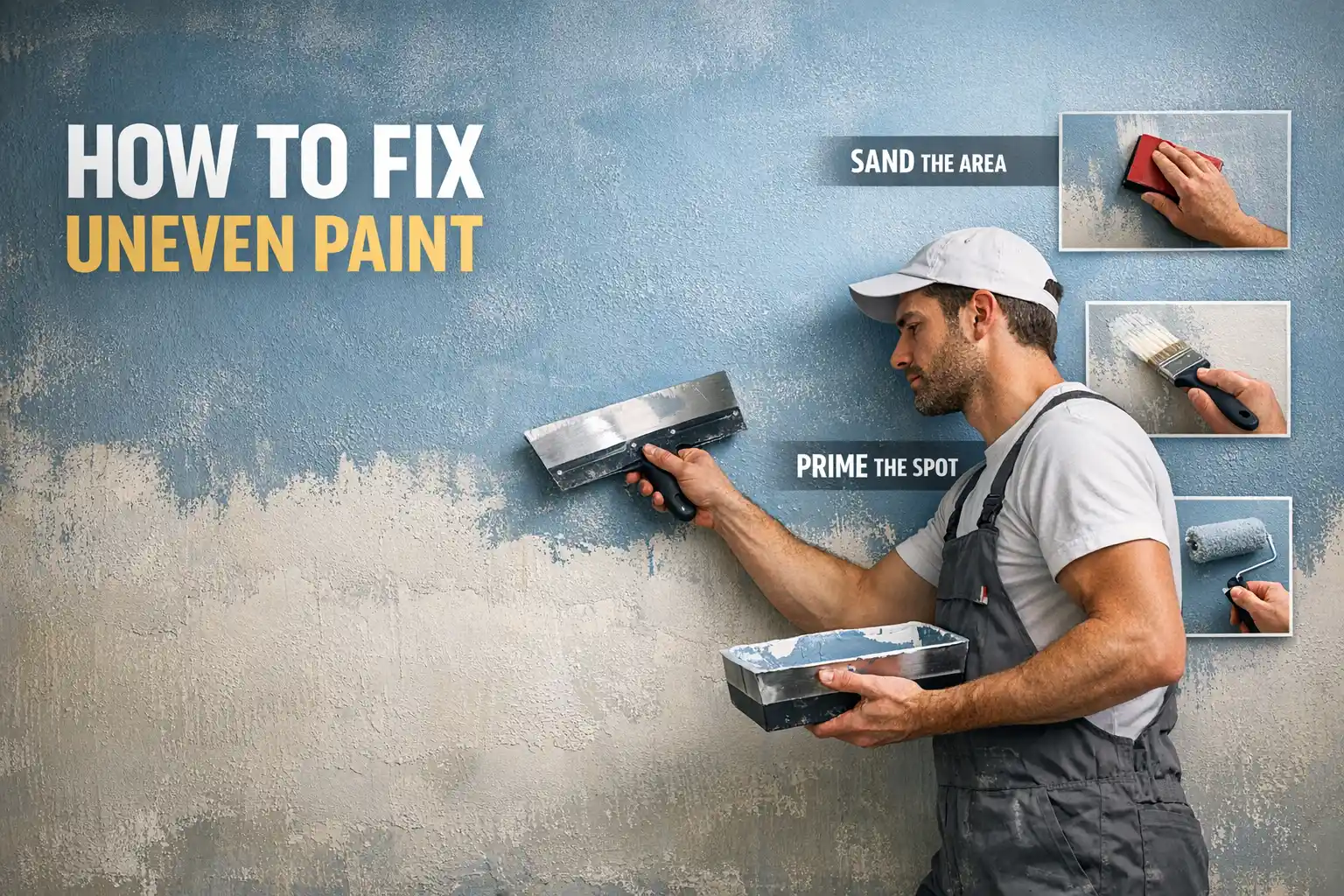
Key Takeaway:
To fix uneven paint, start by identifying the cause such as improper surface preparation or incorrect application techniques. Use high-quality materials and follow expert steps to prepare surfaces, apply primer, and paint effectively. Consider environmental factors and invest in eco-friendly options for long-term benefits.
How to Fix Uneven Paint: Expert Techniques and Tips for a Perfect Finish
Understanding the Causes of Uneven Paint
Improper Surface Preparation
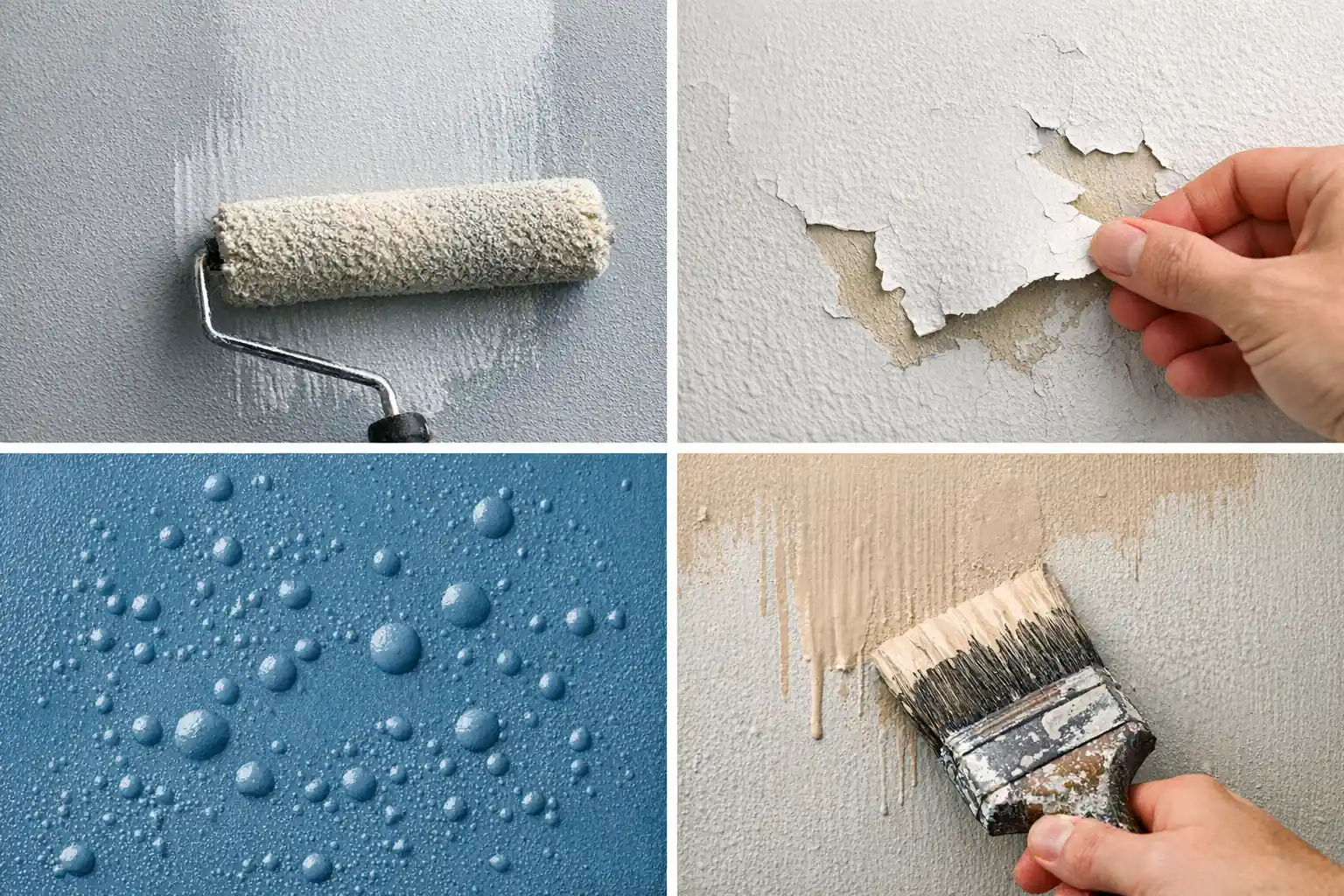
One of the most common causes of uneven paint is improper surface preparation. Before applying any paint, the surface must be clean, dry, and free of dust or debris. Skipping this crucial step can result in uneven paint coverage, roller marks, or brush marks. A sanding sponge can be used to smooth walls and ensure a clean painted surface. Using a putty knife, fill any holes or cracks with spackle, and sand it smooth once dry. This preparation ensures that the paint adheres properly and evenly. For professional results, use a dust removal system to eliminate any fine particles after sanding, which can make a significant difference in how evenly the paint is applied.
Incorrect Paint Application Techniques
Another significant factor leading to uneven paint is incorrect application techniques. Using too much paint on the roller or brush can cause drips and uneven coverage. Maintaining a wet edge by overlapping strokes can help avoid streaks. It's crucial to evenly apply paint and avoid lap marks by working on the whole wall in sections. The painting process requires patience and precision to achieve sharp lines and a smooth finish. Consider using a quality roller to ensure consistent application, as the roller's nap can affect the texture and final appearance of the painted surface.
Environmental Factors
Environmental factors, such as humidity and temperature, play a crucial role in how paint dries. High humidity can extend drying time, leading to uneven surfaces. Painting in natural light can help spot any missed areas or inconsistencies. It's also important to consider the drying time of most paints and ensure that coats are applied at optimal intervals to prevent issues like roller marks or uneven surfaces. Using a dehumidifier can help control the humidity levels in a room, creating a more stable environment for paint to dry evenly.
Essential Tools and Materials for Fixing Uneven Paint
Choosing the Right Paint
Choosing the right paint is essential for a successful painting project. Cheap paint often lacks the pigmentation and quality needed for even coverage. Consult a knowledgeable paint store representative to select the best paint for your needs. High-quality paints provide better coverage and durability, reducing the need for more coats. It's important to understand that different surfaces require different types of paint, so always choose the paint that is specifically designed for the surface you're working on to ensure the best results.
Selecting Proper Painting Tools
The right tools can make or break your paint job. Investing in quality brushes and rollers ensures an evenly applied coat. A high-density roller cover is your best bet for smooth walls, while an angled brush can help with precise edges and corners. Additionally, having a wet rag on hand can address any accidental drips immediately. Remember that the quality of your tools directly impacts the finish of your paint job, so choose wisely and consider renting professional-grade equipment for larger projects.
Eco-Friendly Options
Eco-friendly paint options not only benefit the environment but also provide long-term value. These paints are low in volatile organic compounds (VOCs), minimizing harmful emissions and odors. Choosing eco-friendly products contributes to a healthier living space and aligns with sustainable practices. Many eco-friendly paints offer comparable coverage and durability to traditional options, making them a viable choice for those prioritizing both environmental impact and aesthetic appeal.
Step-by-Step Guide to Fix Uneven Paint
Surface Preparation Techniques
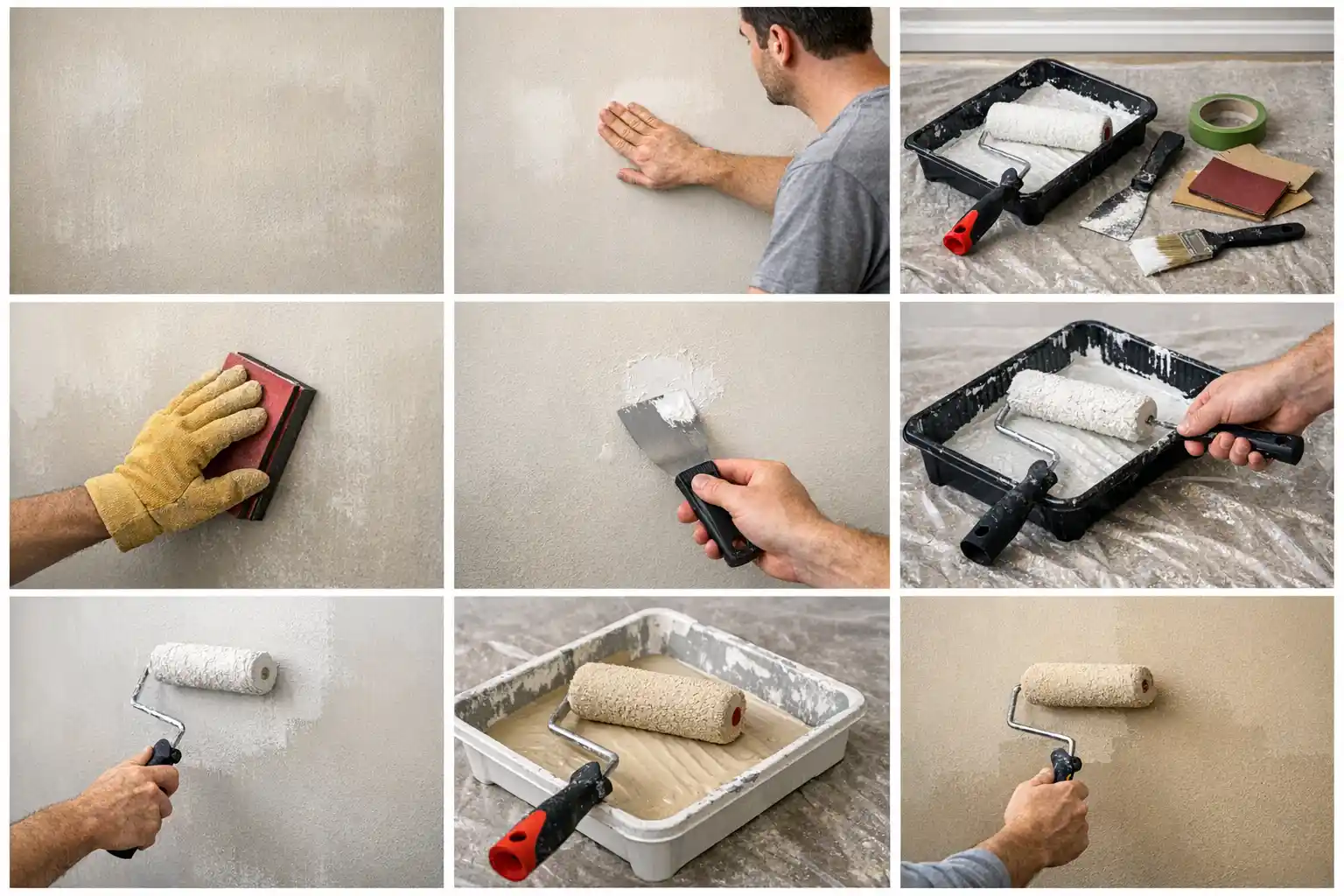
Begin by assessing the affected area and identifying imperfections. Use a sanding sponge to smooth out any rough patches, ensuring a clean paint-ready surface. Dust off any residue with a damp cloth to remove particles that could affect adhesion. If the surface has old paint that is peeling or cracking, consider a more aggressive approach like using a paint scraper or chemical stripper to ensure a smooth base for the new paint application.
Applying Primer Effectively
Primer is a critical step in the painting process that should not be overlooked. It helps the paint adhere better and provides a uniform base. Apply a thin, even layer of primer and let it dry completely before proceeding with paint application. This step can prevent uneven paint and help achieve a professional finish. For surfaces with previous dark paint, a tinted primer can aid in achieving the desired color with fewer coats of paint.
Mastering Paint Application
When applying paint, start with a 'cutting in' technique around the edges using a brush, then switch to a roller for larger areas. Work in small sections, maintaining a wet edge to blend strokes seamlessly. Aim for two coats, allowing ample drying time between applications to ensure an even, smooth finish. Experiment with different roller textures if you're aiming for a specific finish, such as a matte or glossy look, to ensure the texture complements the paint's sheen.
Quick Tip: To prevent roller marks, avoid overloading your roller with paint and apply gentle, even pressure when rolling. This simple technique can make a significant difference in achieving a flawless finish.
Technical Deep Dive: Advanced Techniques for a Smooth Finish
Sanding and Smoothing Surfaces
Sanding is a crucial step for achieving a smooth, even paint finish. Use fine-grit sandpaper or a sanding sponge to gently smooth any imperfections on the surface. Follow up with a damp cloth to remove dust, ensuring the surface is clean before painting. For larger areas, consider using an electric sander to speed up the process, but take care to use a dust extraction system to minimize airborne particles that could land on the wet paint.
Layering Paint for Consistent Coverage
Layering paint involves applying thin coats to build up coverage gradually. This technique helps avoid streaks and ensures that the paint is evenly distributed. Applying a third coat may be necessary for deeper hues or when covering a darker color. Use a brush to apply paint in corners and edges first, then use a roller to fill in the larger areas, maintaining a wet edge to prevent lap marks.
Using Paint Additives
Paint additives can enhance the paint's properties, improving flow and leveling. These products help reduce brush marks and roller stipple, resulting in a smoother finish. Additives can be especially beneficial when working in challenging conditions, such as high heat or humidity. Always follow the manufacturer's instructions when using additives, as overuse can alter the paint's intended finish or drying time.
Common Pitfalls and How to Avoid Them

Skipping Surface Preparation
Skipping surface preparation is a common mistake that can lead to uneven paint. Thorough cleaning, sanding, and priming are essential steps to ensure the paint adheres properly and provides a smooth finish. Failure to prepare surfaces adequately can lead to premature peeling or flaking, necessitating costly repairs or a complete repaint.
Using Low-Quality Paints
Using low-quality paints can result in poor coverage and durability. Investing in high-quality paint can save time and money in the long run, offering better resistance to wear and tear. Consider the finish type when selecting paint, as some finishes like satin or eggshell offer better performance in high-traffic areas than flat finishes.
Ignoring Climate Considerations
Ignoring climate considerations can lead to issues with paint drying and adhesion. It's essential to choose paint that suits the climate conditions, particularly in humid areas like Seattle. Consider how temperature and humidity might affect the painting process and plan accordingly. Using a hygrometer can help monitor humidity levels, ensuring you're painting under optimal conditions.
Quick Tip: Always check the weather forecast before starting a painting project. Ideal conditions are dry and mild, which allows for even drying and prevents issues like bubbling or peeling.
ROI & Cost Analysis: Investing in Quality Paint
Long-Term Benefits of High-Quality Paint
High-quality paint offers long-term benefits, including improved durability, better coverage, and enhanced appearance. While the initial cost may be higher, these paints reduce the need for frequent touch-ups and repainting, providing a better return on investment over time. Calculate the total cost of ownership over the life of the paint, including maintenance and touch-ups, to understand the true value of investing in quality materials.
Cost Comparisons of Paint Types
When comparing paint types, consider both the upfront cost and the long-term value. While cheap paint may seem cost-effective initially, it often requires more coats and frequent maintenance. High-quality paints offer superior coverage and longevity, making them a more economical choice in the long run. Factor in the cost of labor when budgeting, as higher quality paint often requires less time for application and fewer coats, reducing overall project costs.
Eco-Friendly Paints and Their Value
Eco-friendly paints provide added value by being safer for indoor air quality and the environment. Although they may cost more initially, their benefits include reduced health risks and a smaller environmental footprint, which can be particularly valuable in areas focused on sustainability. Many eco-friendly paints also offer improved durability and washability, making them a smart choice for high-traffic areas in both residential and commercial settings.
Residential vs. Commercial Painting: Different Approaches
Unique Challenges in Residential Painting
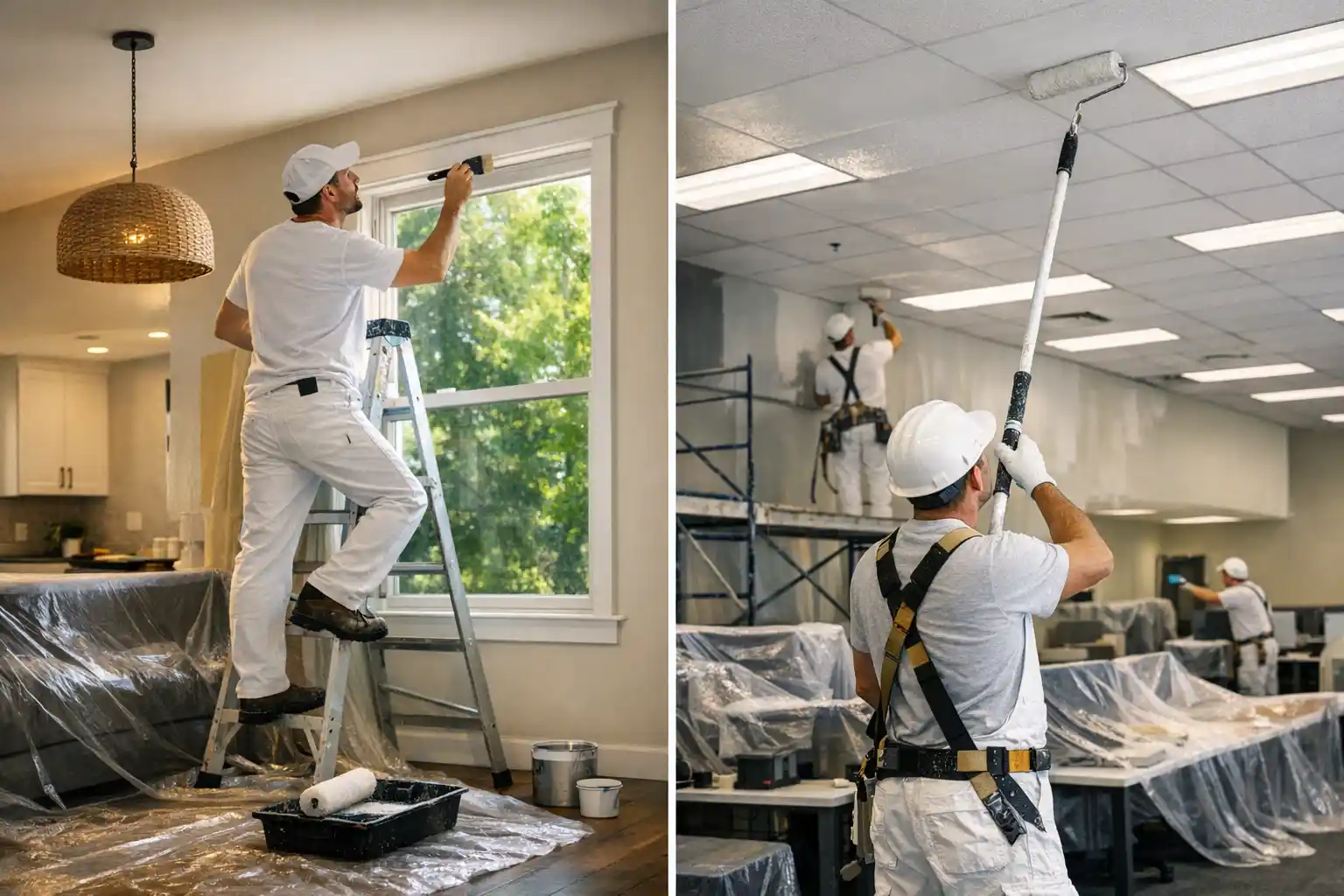
Residential painting presents unique challenges, such as working around furniture and ensuring minimal disruption to daily life. It requires a meticulous approach to detail and precision to meet homeowners' high expectations. Homeowners often prioritize aesthetics and may require custom color matching or finishes, necessitating a more tailored approach compared to commercial projects.
Commercial Painting Techniques
Commercial painting often involves larger surfaces and requires efficient techniques to cover expansive areas. Speed and durability are critical, and the use of specialized equipment and high-performance paints is common to meet business needs. Commercial projects may also require compliance with specific safety or environmental regulations, adding complexity to the planning and execution phases.
Choosing the Right Contractor
Choosing the right contractor is essential for both residential and commercial projects. Look for licensed, bonded, and insured professionals, like Cover Pro Painting, who offer detailed proposals and warranties on their work. Reviews and past project examples can provide insights into their reliability and quality of work. A reputable contractor will conduct a thorough assessment of the project site and provide a realistic timeline and budget estimate, ensuring transparency and accountability throughout the project.
Quick Tip: When selecting a contractor, ask for references and examples of similar projects they've completed. This will give you an idea of their expertise and ability to handle your specific needs.
Local Insights: Painting in Seattle's Climate
Impact of Seattle's Weather on Paint
Seattle's weather, characterized by frequent rain and humidity, can significantly impact paint application and longevity. Moisture can affect drying times and lead to issues like peeling or bubbling if not addressed properly. Consider the use of moisture-resistant primers and paints, which are specifically formulated to withstand Seattle's damp climate, ensuring a durable finish.
Best Paint Types for Humid Climates
For humid climates like Seattle, opt for paints with mildewcide additives and moisture resistance. These paints are designed to withstand high humidity and prevent mold and mildew growth, ensuring a long-lasting finish. Additionally, consider paints with high breathability to allow moisture to escape, reducing the risk of blistering or peeling over time.
Seasonal Painting Tips
Timing is crucial when painting in Seattle's climate. Aim to paint during the drier months and avoid rainy seasons to ensure optimal conditions for drying and curing. Adequate ventilation and temperature control can also aid in achieving a successful paint job. Use fans and dehumidifiers to create a stable indoor environment during the painting process, particularly when outdoor conditions are less than ideal.
Case Studies: Successfully Fixed Uneven Paint Projects
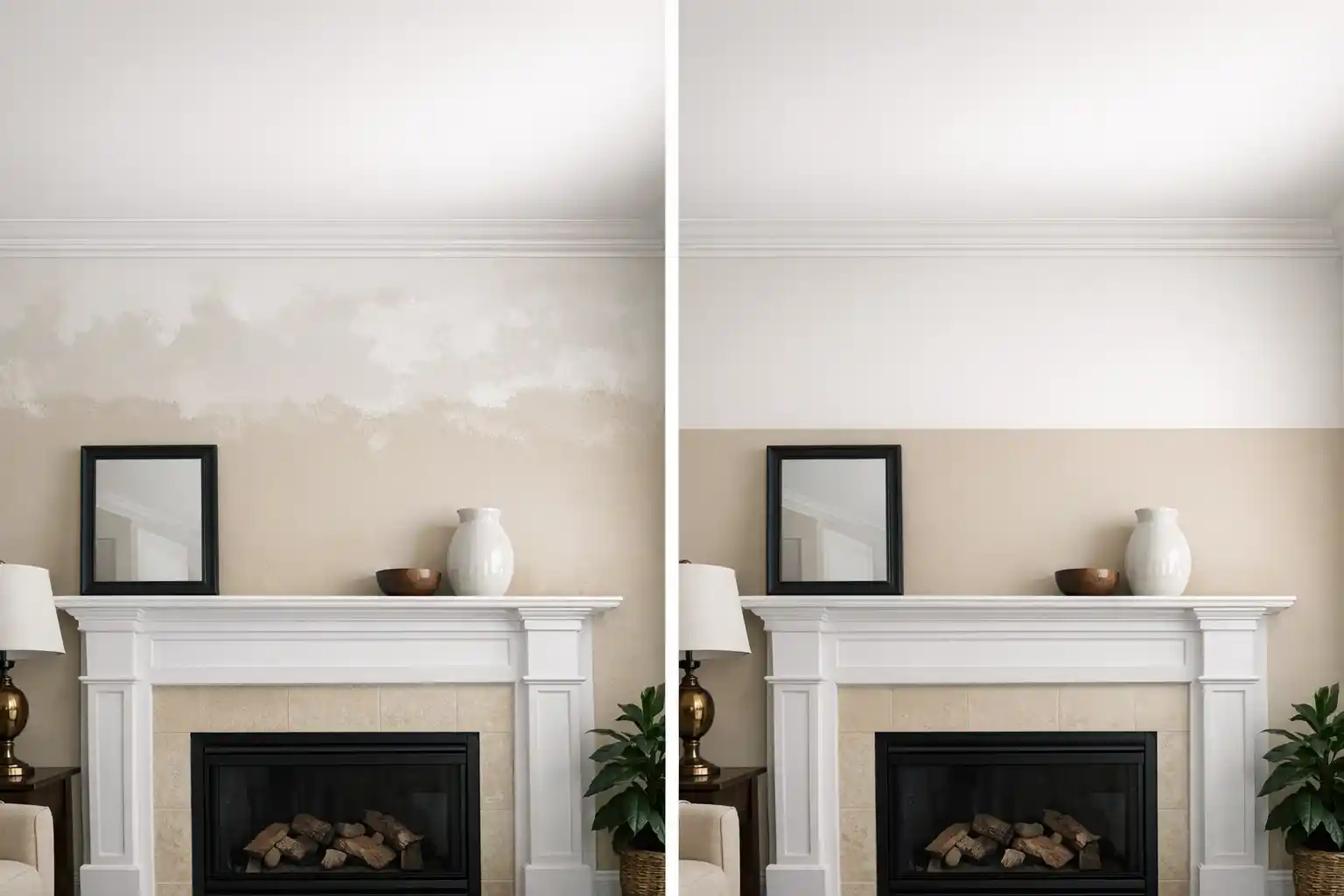
Residential Case Study
In a recent residential project, uneven paint was fixed by thoroughly preparing the surfaces and applying a high-quality primer. The use of professional-grade rollers and brushes ensured a smooth, even application, resulting in a flawless finish. By incorporating a customer-specific color palette and texture requirements, the project met the homeowner's aesthetic and functional goals, enhancing the property's overall appeal.
Commercial Case Study
A commercial project faced challenges with uneven paint due to high traffic and wear. By choosing durable, high-performance paint and employing advanced techniques like spray application, the team achieved consistent coverage and a professional look. The project also included a detailed maintenance plan to preserve the paint's appearance and durability, ensuring the business's professional image was maintained over time.
Lessons Learned
Both case studies highlight the importance of surface preparation, quality materials, and skilled application. Investing time and effort into these aspects can prevent common pitfalls and ensure a successful painting outcome. Regular maintenance and timely touch-ups were also emphasized as crucial elements in prolonging the life and appearance of the paint, providing added value to the client.
Maintaining a Perfect Paint Finish Over Time
Regular Maintenance Tips
Regular maintenance is key to preserving a perfect paint finish. This includes cleaning surfaces gently, touching up small areas as needed, and addressing any damage promptly to prevent further deterioration. Use non-abrasive cleaning products to avoid damaging the paint, and conduct seasonal inspections to catch any issues early, ensuring the longevity of your paint job.
Addressing Wear and Tear
Wear and tear are inevitable, but they can be managed with timely interventions. Inspect painted surfaces regularly and address issues like chipping or fading to maintain the overall appearance and integrity of the paint. Implement a regular cleaning schedule to remove dirt and grime, which can degrade the paint over time, and apply protective coatings to high-traffic areas as a preventative measure.
When to Repaint
Knowing when to repaint is crucial to maintaining the aesthetic and protective qualities of the paint. Signs that it's time to repaint include extensive fading, peeling, or cracking. Regularly assessing the condition of the paint can help determine the right time for a refresh. Consider the specific environmental challenges your paint faces, such as UV exposure or moisture, and tailor your maintenance and repainting schedule accordingly to maximize the lifespan of your investment.
Frequently Asked Questions
How does Seattle's climate affect paint application?
Seattle's climate, with its high humidity and frequent rain, can impact paint application by affecting drying times and adhesion. Proper timing and the use of moisture-resistant paints are essential.
What are the benefits of using eco-friendly paint?
Eco-friendly paints offer long-term benefits such as improved indoor air quality, reduced health risks, and a smaller environmental footprint, making them a valuable choice for sustainable living.
Can uneven paint be fixed without repainting the entire wall?
Yes, uneven paint can often be fixed by targeting specific areas. Techniques include sanding, applying a primer, and carefully blending new paint into the existing surface.
What surfaces require specific preparation before painting?
Different surfaces, such as wood or drywall, require specific preparation. Wood surfaces often need sanding and priming, while drywall might require spackling and smoothing before painting.
What is the best type of paint for exterior surfaces in Seattle?
For Seattle's rainy climate, choose exterior paints with moisture resistance and mildewcide additives to ensure durability and longevity.
