



How to Clean Walls Without Removing Paint
Key Takeaway
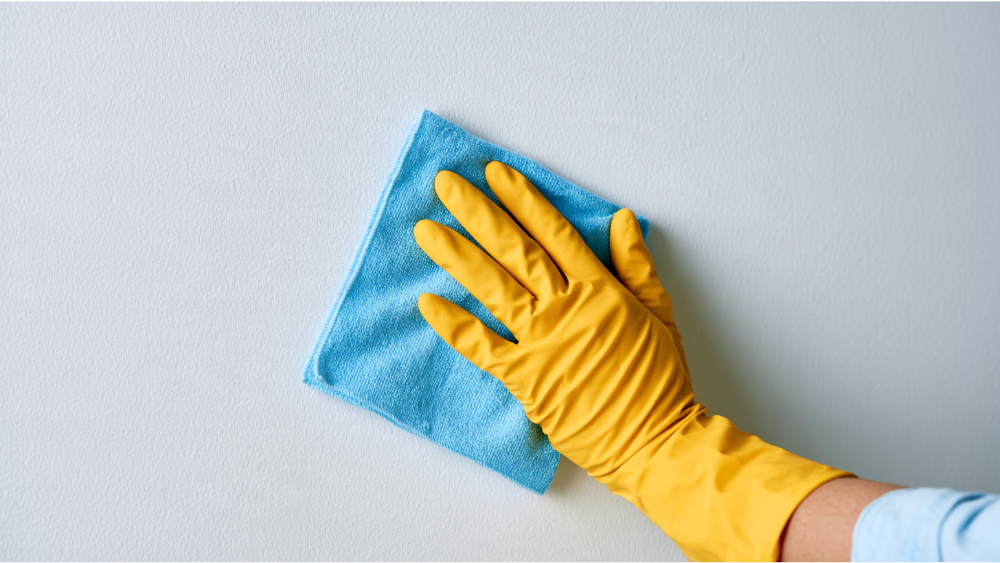
To clean walls without removing paint, dust first, then wipe with a barely damp microfiber cloth and a mild solution of a few drops of dish soap in warm water, working in small sections. Rinse each section with a separate clean damp cloth and dry promptly. Stop immediately if color transfers to your cloth or the sheen changes. Flat and matte finishes are most vulnerable and need the lightest touch.
Start by dusting the wall, then test a hidden spot with a barely damp microfiber cloth or a soft, non-abrasive sponge and a mild cleaning solution of gentle dish soap in warm water. Clean gently in small sections, rinse with a separate damp cloth, dry the surface, and stop the moment color transfers to your cloth or the sheen changes. That's the whole method in one breath: dust, test, wash lightly, rinse, dry.
This guide is for homeowners who want clean walls without faded patches, shiny spots, or exposed drywall. The principle that runs through all of it is simple: use the least aggressive approach that works, and don't escalate to harsh chemicals or stiff tools until you've proven the finish can take them.
Why Gentle Wall Cleaning Matters: Protecting the Paint Finish
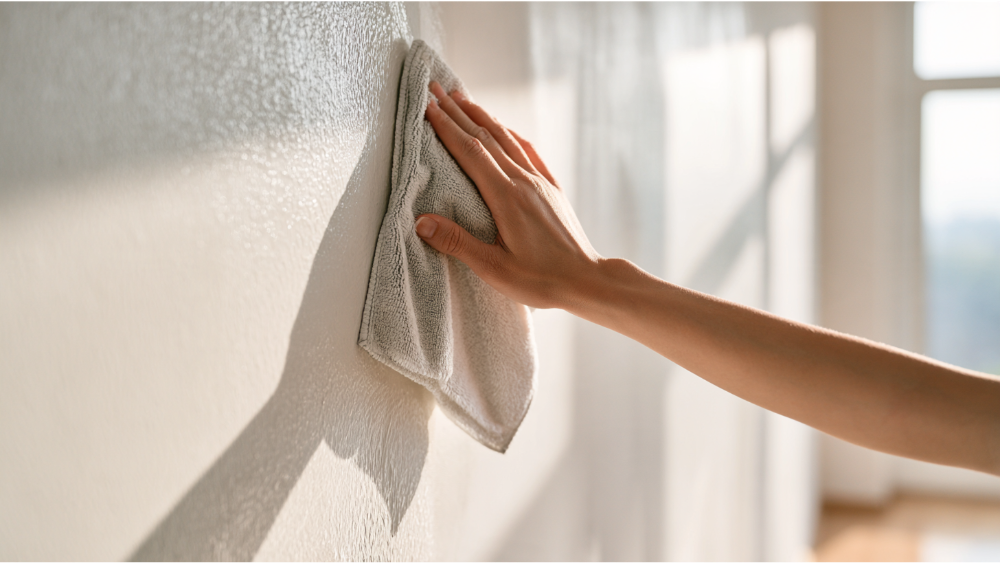
Think of wall cleaning as a ladder, with the gentlest rung first. Dry dusting, then plain warm water, then a mild cleaning solution of soapy water, then a surface-approved cleaner. If a mark still won't lift, the answer is touch-up or repainting, not harder scrubbing.
Two things tell you you've gone too far. The first is color transfer, when paint shows up on your cloth. The second is burnishing, an unwanted shine from rubbing that leaves a glossy patch even when no color comes off. Matte walls and flat paint are the most vulnerable because they're porous and sensitive to friction. Higher-gloss painted walls clean more easily. Sheen is a good starting point, but it isn't the whole story. A paint's scrub resistance is a measurable property of the coating itself (the industry tests it under ASTM D2486), so formulation, cure, age, and the paint finish condition matter too.
Inspect the Wall Before You Add Water
A quick look first saves you from damage you can't undo. Check how recently the walls were painted, the sheen if you know it, the overall condition of the paint, and what kind of mark you're dealing with: dust, grease, a scuff, stains that have soaked in, water damage, or mold.
Some signs mean stop, not scrub:
- Peeling or bubbling paint
- Chalky residue that rubs off dry
- A surface that feels soft or tacky
- Stains that keep coming back after cleaning
Surface dirt and excess dirt wipe away. Paint failure, active moisture, and mold do not, and trying to clean them harder usually makes things worse.
What to Use and What to Avoid Without Damaging the Paint
Before anything else: never mix cleaning products. The CDC warns that bleach combined with ammonia or acids can release dangerous gases. Use one cleaning solution at a time, work in a ventilated space, and follow the label.
What to use:
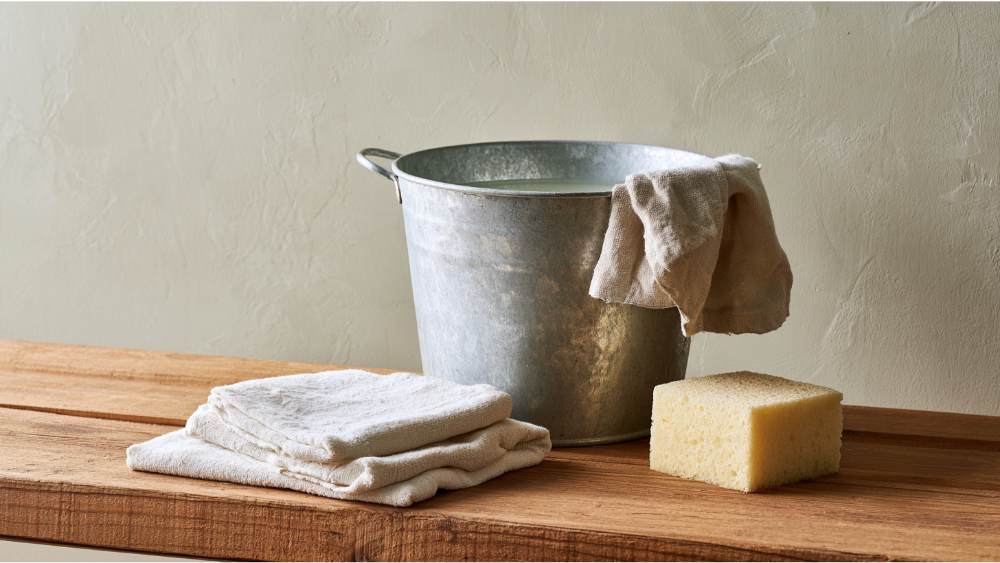
- Clean microfiber cloths and an absorbent cloth for drying
- A soft sponge that is non-abrasive
- Warm water, not hot water, which can soften some coatings
- A few drops of mild detergent or dye-free dish soap
- A separate container of rinse water
- A dry towel and floor protection
- Rubber gloves
What to avoid, at least to start:
- Abrasive pads and stiff brushes
- Spraying cleaner directly on the walls, or over-wetting them
- Concentrated degreasers and solvents
- Harsh chemicals like bleach or ammonia for routine wall cleaning
If plain water and a mild cleaning solution aren't enough, look for an EPA Safer Choice-labeled all purpose cleaner or non-abrasive product whose label says it's suitable for painted surfaces.
How to Test-Clean a Hidden Area First
This takes about half a minute and it's the step most people skip.
- Dust the test spot.
- Start cleaning with plain warm water.
- Move to a mild soapy cleaning solution only if water alone doesn't work.
- Use minimal pressure and a gentle touch.
- Rinse with a clean damp cloth and blot dry with a soft cloth.
- Let the area dry completely before you judge it.
Once it's dry, inspect it. Stop if the color transfers, the spot looks shinier or duller than the surrounding wall, the surface feels soft or tacky, the paint wrinkles or flakes, the texture wears smooth, or the stain spreads instead of lifting.
Step-by-Step: How to Clean Painted Walls Safely
- Protect the floor and move furniture away from the walls.
- Dry-dust from top to bottom with a microfiber cloth or a vacuum brush attachment.
- Set up two containers, one for your wash solution and one for clean water.
- Wring the cloth or sponge until it's barely damp.
- Work in small sections.
- Gently wipe in a circular motion. Avoid scrubbing.
- Rinse each section with the clean damp cloth before it dries.
- Blot dry promptly with a soft cloth or towel.
- Inspect the finished walls in natural light and from the side, where streaks show up most.
You'll see advice to clean top-down and advice to clean bottom-up. Bottom-up has fair support for keeping dirty water from running down dry wall and leaving streaks. But controlling moisture, keeping sections small, and rinsing and drying promptly matter more than which direction you move.
How to Clean Matte Walls, Flat Paint, and Other Finishes
Lower-sheen paint needs the gentlest hand. To clean painted walls with a flat finish or matte finish, lean on dry methods first and add as little moisture as possible. Glossier paint forgives more, though it can still scratch or dull if you get rough.
How long should freshly painted walls cure before washing?
Check the coating's care instructions when you can. Many interior paints, including water based paint, need at least two weeks before washing, and some take about 30 days to fully cure. Cooler temperatures, high humidity, poor ventilation, and heavier paint films all stretch that out. Neither 14 nor 30 days is a universal rule.
How to Clean Stains on Walls Without Damaging the Paint

Catch marks early and most come off gently. Here's a conservative starting point for each, with the same rule throughout: test first, and stop if the finish changes. The goal is to clean stains without damaging the paint underneath, which protects against daily wear.
- Dust and cobwebs: dry microfiber or a vacuum brush. No water needed.
- Fingerprints: a barely damp cloth, then dry. Add a touch of mild soap only if needed.
- Scuff marks: light wipe with a mild soapy cleaning solution. Don't rub hard.
- Kitchen grease: to remove oil stains, use diluted white vinegar in warm water, or a little mild dish soap, then rinse. Avoid concentrated degreasers.
- Crayon marks or pencil: a mild cleaning solution and a soft cloth, gently. A dab of rubbing alcohol on a cloth can lift waxy crayon when soap won't.
- Food and drink splashes: blot, then clean with a damp cloth and a little soap.
- Soot or smoke residue: wipe lightly; if it smears or has penetrated, cleaning won't fix it.
For tougher stains and stubborn stains, a baking soda and water paste or a melamine eraser (the "magic eraser" type) can help, but treat both as last resorts and only after a patch test. A baking soda paste is mildly abrasive, as is the eraser, and both can dull or lighten flat paint, matte walls, dark, or older surfaces. Neither is paint-safe by default, so gently scrub and go light to clean stains without damaging the paint. This cleaning method should be the last rung, not the first.
Why Is Paint Coming Off on My Cloth?
If paint shows up on your cloth, it usually points to one of these: the paint isn't fully cured, it has low scrub resistance, a flat or matte finish is burnishing, the adhesion is weak, the coating is chalking, or you're using too much water or pressure. Stop right away and let the area dry. Then decide whether a touch-up or a full-wall repaint makes more sense. If you try again, lighten both the pressure and the moisture first.
When Cleaning Won't Fix the Problem
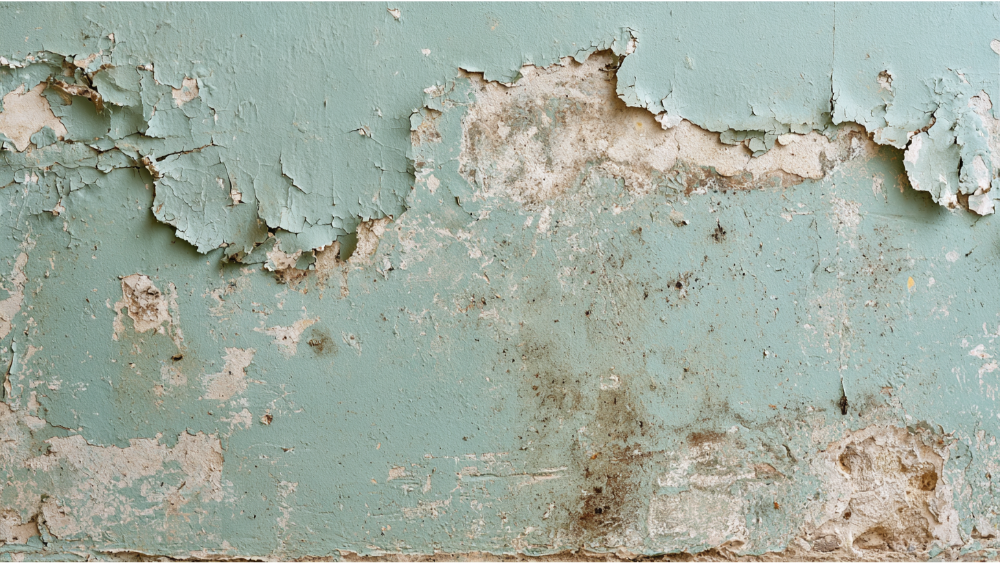
Cleaning removes surface dirt. It does not fix failed paint, active moisture, or stains that have soaked into the coating. These need repair or more paint instead:
- Peeling or bubbling paint
- Water marks that keep returning
- Mold or a musty odor
- Smoke or nicotine that has penetrated the paint
- Permanent marker bleeding through
- Large shiny patches on walls from past scrubbing
- Visible touch-up or color mismatch
- Damaged drywall or trim
Proper surface prep and repairing the underlying cause always come before a fresh coat. For mold, keep it in perspective: the EPA says areas larger than about 10 square feet (roughly 3 feet by 3 feet) generally call for fuller remediation, and the moisture source has to be fixed either way.
A Note on Older Homes: Lead Paint and Pre-1978 Walls
Gently cleaning intact paint is not the same as sanding, scraping, or scrubbing it hard. If a pre-1978 wall is peeling or chalking, stop. Aggressive contact can create or spread lead dust. The EPA recommends an EPA Lead-Safe Certified (RRP) contractor for paint-disturbing repair work in older homes. Cover Pro Painting is EPA Lead-Safe Certified, so repair and repainting on older homes are handled with lead-safe practices.
How to Keep Walls Cleaner for Longer
A little routine care means less deep cleaning later.
- Spot-clean marks and stains promptly instead of letting them set.
- Dry-dust walls on a regular schedule.
- Run exhaust fans where grease and humidity build up, like kitchens and baths.
- Keep furniture and objects from rubbing against the paint.
- Save leftover paint and color details for future touch-ups.
- Choose a finish with suitable scrub resistance in high traffic areas at your next repaint.
A full wash once a year is a reasonable baseline. High-traffic walls and those near cooking spaces usually benefit from a lighter cleaning each quarter.
When to Call a Professional (and Get a Free Estimate)
It's worth having someone take a look when paint keeps transferring during light cleaning, when marks cover a large area, when the finish is uneven or badly burnished, when moisture or mold is present, when drywall or trim needs repair, when the home may contain pre-1978 paint, or when clean, consistent walls will only come from repainting them in full.
We handle interior painting, wall repair, rot repair, and carpentry with one team, so you're not managing several contractors to fix one wall. Every project starts with a free estimate and a clear scope, so you know the number before any work begins. Call us at 206-222-0435 to Get a Free Estimate. We're based in Edgewood, WA, serving homeowners and businesses across the greater Seattle-Tacoma area.
Frequently Asked Question
What do professional painters use to clean walls?
Warm water with a few drops of mild dish soap as a cleaning solution, plus a soft microfiber cloth or non-abrasive sponge. The approach is least-aggressive first: always test a hidden spot, clean gently, then rinse and dry.
Can I use Dawn to clean painted walls?
Yes. A small amount of mild, dye-free dish soap like Dawn in warm water makes a fine cleaning solution for most washable finishes. Keep it diluted, wipe gently with a sponge or cloth, and rinse with a clean damp cloth to remove any residue.
Why does paint come off my wall when I clean it?
Usually the paint isn't fully cured, has low scrub resistance, is burnishing on flat paint or matte walls, has weak adhesion or is chalking, or you're using too much pressure or water. Stop and consider a touch-up or a repaint.
What can I wash walls without having to rinse?
Plain dry dusting, or a barely damp microfiber cloth with just water, leaves little residue. Any soap or cleaning solution should be rinsed off with a clean damp cloth so it doesn't streak.
Will a magic eraser remove wall paint?
It can. Melamine erasers are mildly abrasive and may dull, lighten, or remove flat paint, matte walls, dark, or older surfaces. Use one only as a last-resort spot treatment on tougher stains, and patch-test first to avoid damaging the paint.
