
%201.svg)


The Ultimate Guide: How to Clean Oil Paint Brushes Effectively

Key Takeaway:
Learn how to clean oil paint brushes effectively to ensure longevity and maintain quality. This comprehensive guide offers step-by-step instructions, essential tools, and eco-friendly alternatives to keep your brushes in top condition.
The Ultimate Guide: How to Clean Oil Paint Brushes Effectively
Understanding the Importance of Brush Care
Why Brush Maintenance Matters
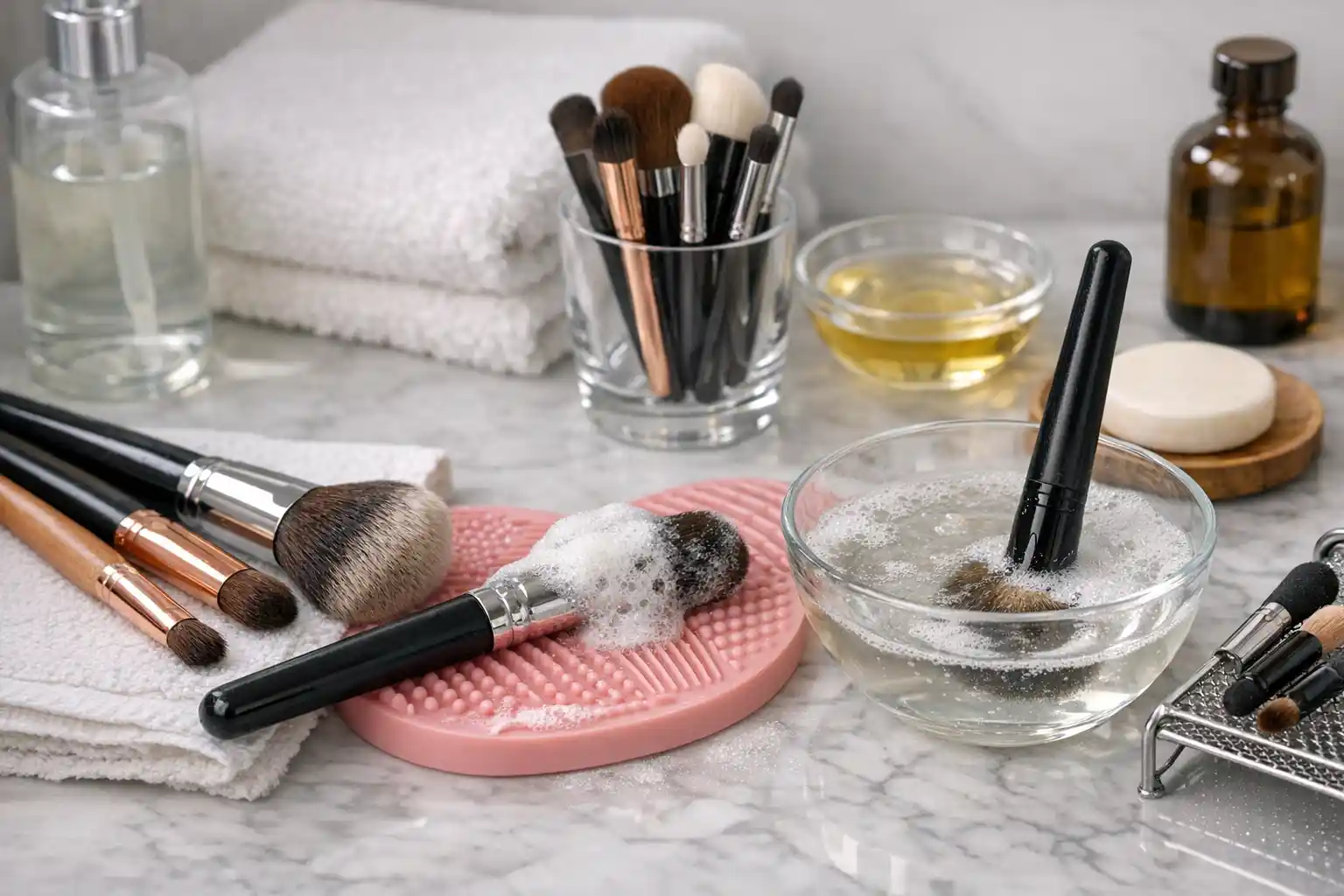
Proper maintenance of oil paint brushes is not just about extending the lifespan of your tools; it's about ensuring the quality of your artwork. Brush hairs need to be kept in the correct shape to deliver precise strokes, which is crucial for both amateur and professional artists. Neglecting brush care can lead to bristles that splay or break, ultimately affecting the outcome of your painting projects. Moreover, well-maintained brushes prevent contamination of colors, ensuring that each stroke remains vibrant and true to its intended hue.
Impact on Painting Quality
The quality of a painting is significantly influenced by the condition of the tools used. Clean, well-cared-for brushes allow for smoother application of oil paint, reducing streaks and unwanted textures. Whether using natural bristles or synthetic brushes, maintaining their integrity ensures that you can achieve the desired effects with ease. For professional painters, this attention to detail translates into client satisfaction and repeat business, while hobbyists will find their artistic expression enhanced.
Types of Brushes and Their Maintenance Needs
Natural vs. Synthetic Brushes
Understanding the differences between natural and synthetic brushes is key to effective maintenance. Natural bristles, often made from animal hair, tend to absorb more paint and require careful cleaning to prevent damage. In contrast, synthetic brushes, made from man-made fibers, are more resistant to harsh solvents and are generally easier to clean. Each type has its own unique benefits and drawbacks, making it essential to choose the right brush for your specific painting needs and cleaning regimens.
Brushes That Are Easier to Clean
Synthetic brushes are often easier to clean due to their non-porous nature, which resists paint absorption. This makes them ideal for those new to oil painting or those looking to streamline their cleaning process. Brushes with shorter bristles or those designed for specific techniques, like dry brush methods, also tend to retain less paint, making them simpler to clean. Regardless of the type, using a brush conditioner can help maintain the flexibility and softness of the bristles, enhancing their longevity.
Tools and Materials Needed for Cleaning
Essential Cleaning Supplies
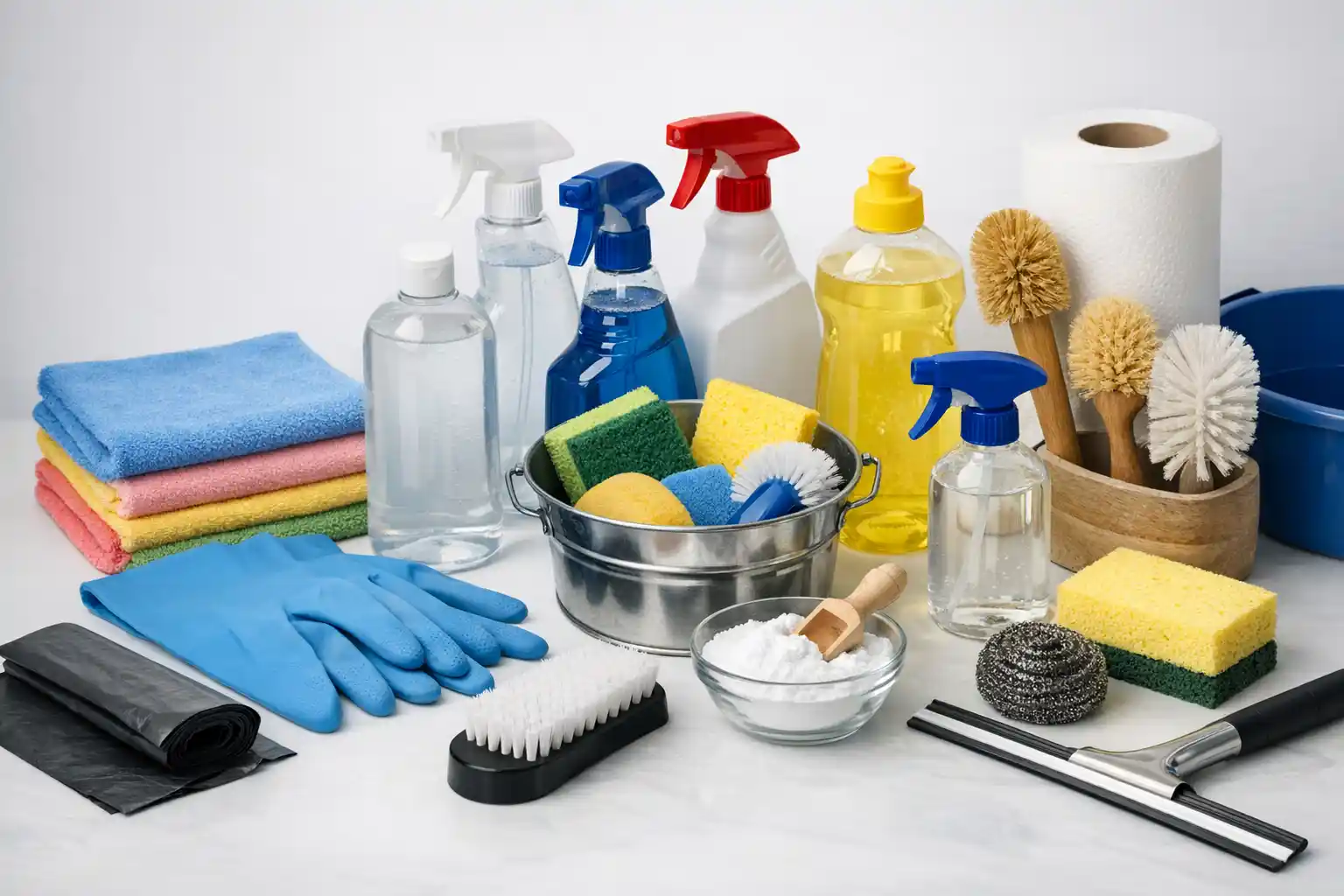
To clean oil paint brushes effectively, you'll need a few essential supplies: paper towels, mineral spirits, a clean jar, and brush soap. Mineral spirits or paint thinner are traditional solvents that help dissolve remaining paint from the bristles. Brush soap, specifically designed for cleaning brushes, helps remove excess paint and conditions the bristles simultaneously. Additionally, having a clean cloth or an old rag nearby can help wipe away excess moisture and ensure a good rinse.
Eco-Friendly Alternatives
For those seeking sustainable options, consider using natural oils such as linseed oil, walnut oil, or safflower oil for cleaning. These oils not only help in removing paint but also condition the brush hairs, keeping them supple. Eco-friendly brush soaps and non-toxic solvents are increasingly available and effective in cleaning oil brushes without leaving residue. These alternatives are particularly beneficial for painters concerned about environmental impact and personal health.
Step-by-Step Guide to Cleaning Oil Paint Brushes
Immediate Cleaning Steps
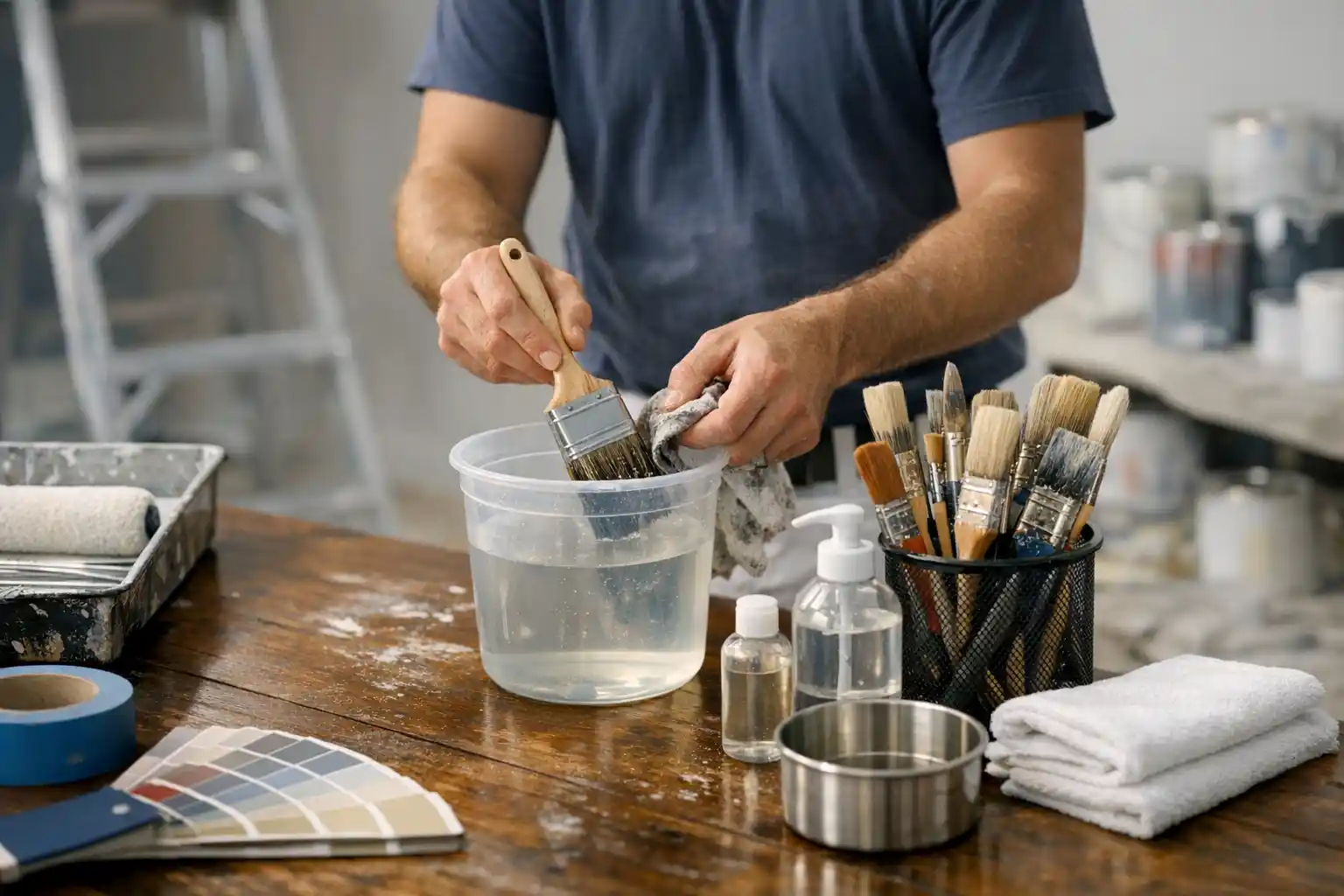
After finishing a painting session, immediate cleaning is crucial. Begin by wiping off excess paint using a paper towel or clean cloth. Pour a small amount of mineral spirits or an eco-friendly solvent into a clean jar, and gently swish the brush to dissolve the paint. Use a brush soap to work up a lather, ensuring all the paint is removed from the bristles. Rinse with warm water and reshape the brush hairs to their correct shape. Lay the brush flat to dry, avoiding direct sunlight to prevent damage to the brush handles.
Long-Term Maintenance Techniques
For long-term care, regularly inspect your brushes for any signs of wear or damage. Utilize brush conditioner to maintain flexibility and prevent brittleness. Store your brushes horizontally or with bristles facing up to avoid deformation. Investing in brush covers can protect the bristles and maintain their correct shape. Regularly rotating between different brushes during projects can also prolong their lifespan by minimizing wear on any single brush.
Quick Tip: Always clean your brushes immediately after use to prevent paint from hardening. This not only extends the life of your brushes but also ensures they are ready for your next project without any delay.
Technical Deep Dive: Understanding Solvents

Types of Solvents
Solvents are essential in the cleaning process, but choosing the right one is crucial. Mineral spirits and paint thinner are traditional choices, known for their effectiveness in breaking down oil-based paint. However, these can be harsh on natural bristles and the environment. Alternative solvents like baby oil and vegetable oil offer gentler solutions that also condition the bristles. Understanding the specific needs of your brushes and the type of paint used can guide your choice of solvent.
Safety and Environmental Considerations
When using solvents, safety should be a top priority. Always work in a well-ventilated area to avoid inhaling fumes. Wear gloves to protect your skin from exposure. For environmentally conscious artists, seek out biodegradable solvents and ensure proper disposal of used cleaning solutions. Many localities have specific regulations for disposing of hazardous materials, so it's important to follow these guidelines to minimize environmental impact.
Common Pitfalls in Brush Cleaning and How to Avoid Them
Mistakes to Avoid
One common mistake is using hot water, which can damage brush hairs and leave residue that affects future painting sessions. Another is neglecting to clean brushes thoroughly, which can result in hardened paint that is difficult to remove. Avoid using cheap brushes if possible, as they are more prone to shedding and disfigurement. Instead, invest in quality brushes and maintain them regularly to avoid these pitfalls.
Pro Tips for Effective Cleaning
For optimal results, always use a brush soap specifically formulated for cleaning oil paint brushes. It not only cleans but also conditions the bristles, extending their life. If you're working with oil-based paint frequently, consider setting up a dedicated cleaning station with all necessary supplies within reach. This encourages consistent cleaning habits and ensures your brushes are always in top condition.
ROI & Cost Analysis: The Benefits of Proper Brush Maintenance
Cost Savings Over Time
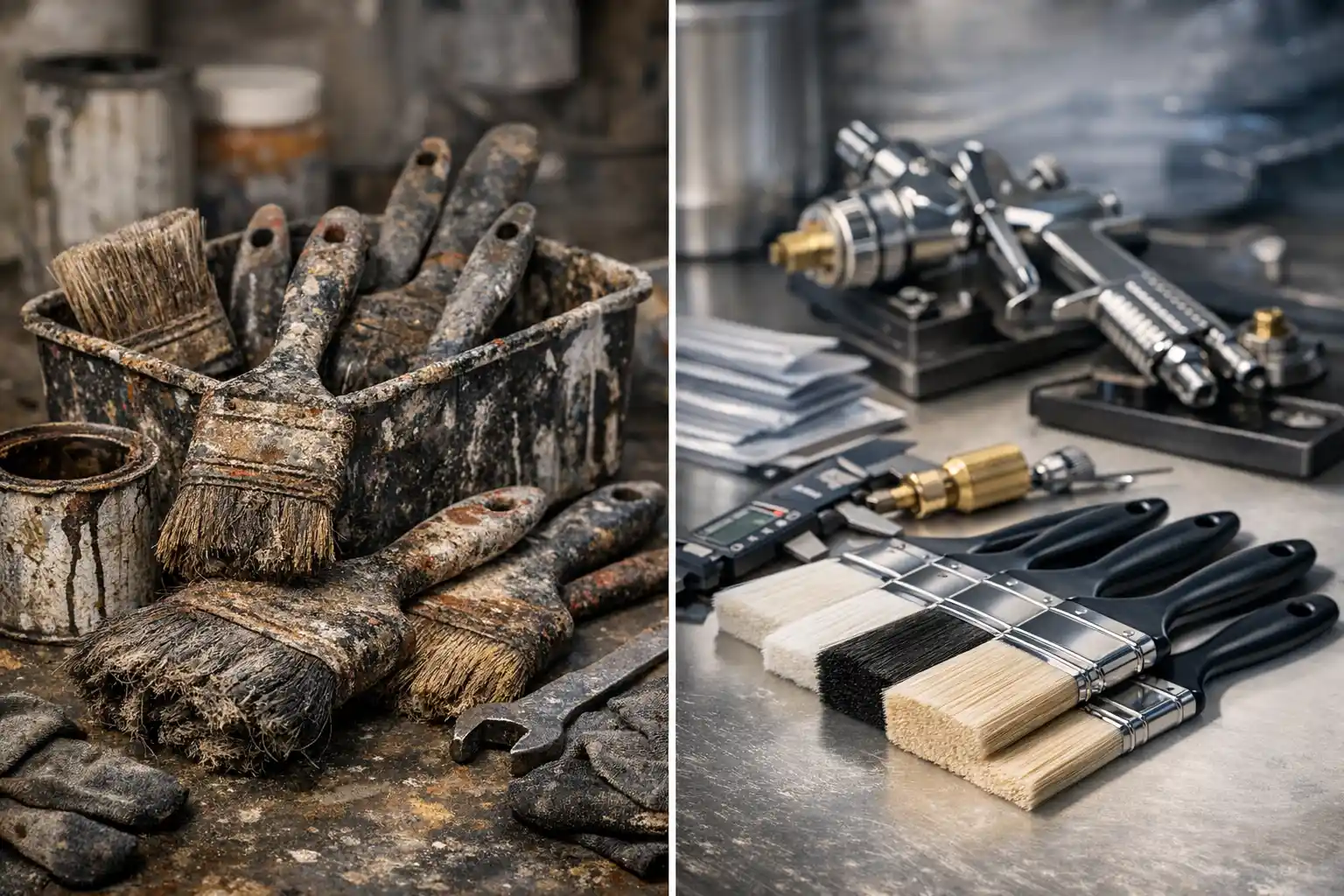
Investing time in proper brush maintenance leads to significant cost savings over time. Regular cleaning and conditioning prevent the need for frequent replacements, reducing overall expenses. For professional painters, this translates to lower operational costs and the ability to allocate resources to other areas of the business, such as marketing or equipment upgrades.
Maximizing Brush Lifespan
Maximizing the lifespan of your brushes involves more than just cleaning. It's about adopting a holistic approach to brush care, considering factors such as storage, handling, and usage frequency. By doing so, you ensure that your brushes remain in prime condition, ready to deliver consistent quality in every painting session. This not only enhances your work but also reinforces the value of investing in quality tools.
Disposing of Cleaning Solvents in Seattle, WA
Local Regulations
In Seattle, disposing of cleaning solvents requires adherence to specific local regulations. The city provides designated facilities for hazardous waste disposal, where solvents can be safely handed over. It's essential to avoid pouring solvents down the drain or into regular trash, as this can lead to environmental contamination and legal penalties.
Eco-Friendly Disposal Methods
Eco-friendly disposal methods for cleaning solvents involve using absorbent materials like cat litter or sawdust to soak up small amounts of leftover solvent. Once dried, these materials can often be disposed of with regular trash. However, for larger quantities, professional hazardous waste services are recommended to ensure compliance with local environmental standards.
Integrating Brush Care into Your Painting Business
Streamlining the Cleaning Process
For painting businesses, streamlining the brush cleaning process can enhance efficiency and productivity. Establishing a standard operating procedure for brush care ensures consistency across teams. Providing employees with easy access to cleaning supplies and training on best practices can minimize downtime and maintain high-quality output.
Training Your Team
Training your team in proper brush maintenance techniques is crucial for long-term success. Regular workshops and demonstrations can help instill good habits and ensure that all team members are equipped with the knowledge to care for brushes effectively. This not only improves the quality of work but also fosters a culture of professionalism and attention to detail within the business.
Expert Q&A: Addressing Your Brush Cleaning Concerns
FAQs from Professionals
Professional painters often have specific concerns about brush care. Addressing these through a dedicated Q&A session can provide valuable insights and solutions to common issues. Key topics include the best solvents for specific brush types, advanced cleaning techniques, and strategies for prolonging brush life.
Advanced Troubleshooting
For complex issues, advanced troubleshooting may be required. This involves identifying the underlying causes of brush damage or cleaning difficulties and implementing targeted solutions. Expert advice can help navigate these challenges, ensuring that your brushes remain in optimal condition for all your painting projects.
Frequently Asked Questions
How do I dispose of cleaning solvents in Seattle?
Provide detailed local regulations and eco-friendly disposal options.
What types of brushes are easiest to clean?
Highlight advancements in brush materials that facilitate easier cleaning.
Can eco-friendly solvents effectively clean oil paint brushes?
Discuss the effectiveness of sustainable products compared to traditional solvents.
What are the most common mistakes in cleaning oil paint brushes?
Identify and explain frequent errors made during the cleaning process.
How often should I clean my oil paint brushes?
Offer a professional perspective on cleaning frequency for optimal results.
Why is it important to maintain oil paint brushes?
Emphasize the impact on project quality and cost savings over time.
What are the best long-term maintenance techniques for brushes?
Provide advanced tips and techniques for prolonging brush life.
