
%201.svg)


How to Choose Residential Paint Color Schemes for Modern Homes

Choosing how to choose residential paint color schemes for modern homes is one of the most important decisions a homeowner makes during a paint project. The right color scheme affects how your space feels, how light moves through the room, and how your home is perceived from the street. Modern homes rely on clean lines, thoughtful contrast, and a cohesive color scheme that feels intentional rather than accidental. This guide explains how professional painters approach color palettes, paint color selection, and balance so your house color scheme looks modern, timeless, and makes sense for how you actually live.
Here’s a Quick Answer: How Do You Choose a Modern Paint Color Scheme?

Start with the architecture and materials of your home. Choose a neutral color palette as the foundation, then build a balanced palette using similar hues and different shades from the same color family. Use the color wheel to understand how primary colors and secondary colors interact. Add an accent color only where it creates a focal point. Test paint color samples in real light. The right color scheme should feel cohesive, support your personal style, and create a modern, comfortable space.
What Defines a Modern Home Color Scheme in 2025?
Modern design in 2025 is rooted in restraint. Instead of bold colors everywhere, modern homes use color intentionally. A modern color palette often includes neutral shades, warm earth tones, and one or two rich accents. The goal is not to overwhelm the room, but to create a cohesive look that feels current and timeless.
Modern vs. Contemporary vs. Trendy
Modern style is not the same as trendy interior design. Trendy colors often rely on extreme contrast or unusual hues that feel exciting at first but date quickly. A modern color scheme focuses on balance, tone, and long term appeal. It uses classic principles of design and adapts them to current preferences. This approach results in a house color scheme that still looks right years from now.
Common Characteristics of Modern Paint Schemes
Modern color schemes share common traits. They use fewer colors overall. They rely on neutral palettes with depth rather than flat gray or beige alone. Accents are intentional and often repeated to create flow. Walls, trim, and ceilings work together instead of competing. The same color may appear in different shades to reinforce a cohesive color scheme.
Why 2025 Modern Colors Are Warmer Than You Expect
Cool gray dominated modern homes for years, but homeowners now want warmer spaces. Warm neutrals, beige, off white, soft brown, and earthy hue selections feel more inviting. Earth tones and olive green are showing up more often, paired with light oak flooring and natural materials. These colors reflect light better in many homes and create a cozy but modern atmosphere.
Start With the Architecture of Your Home

Before selecting any paint color, look at the structure of your home. Architecture determines how much color you can use and where it belongs.
Modern Architecture Types and Color Considerations
A true modern or mid century modern home benefits from a limited palette with subtle contrast. Transitional homes can mix modern and traditional elements, allowing for slightly more variety. A traditional home updated with modern colors still needs balance so the style feels intentional. Matching the color scheme to the architecture helps create a cohesive look that feels natural.
Let the Home’s Lines Do the Work
Modern homes rely on shape, materials, and texture. Color should support those features, not distract from them. Using the same color in multiple areas or choosing similar hues allows the architecture to stand out. This approach creates a clean, modern presentation that feels polished.
How Natural Light Affects Paint Color
Light plays a major role in how paint color is perceived. The same color can look bright in one room and dark in another.
Why Paint Looks Different Throughout the Day
Natural light changes from morning to evening. Artificial light also impacts tone. A room with limited light may need brighter colors or higher light reflectance to avoid feeling heavy. Rooms with abundant light can support a darker shade without feeling closed in.
Understanding Light and Depth
Colors with more depth absorb light and appear richer. Lighter colors reflect light and open up a space. Understanding how light interacts with hues helps you choose the perfect color for each room while maintaining a cohesive color scheme throughout the home.
Undertones Matter More Than the Color Name
Two paint colors that look similar on a sample card can appear very different on your walls.
What Undertones Are and Why They Matter
Undertones are subtle hints of color such as yellow, green, purple, or blue beneath the main tone. Gray can lean blue or green. Beige can lean yellow or orange. Off white can feel warm or cool. Ignoring undertones often leads to disappointment once the paint is applied.
How to Identify Undertones
Compare paint samples next to one another. Place them near fixed materials like cabinets, countertops, or flooring. Look at them in different light conditions. This process helps ensure the colors match and create a cohesive look.
Popular Modern Color Scheme Structures That Work
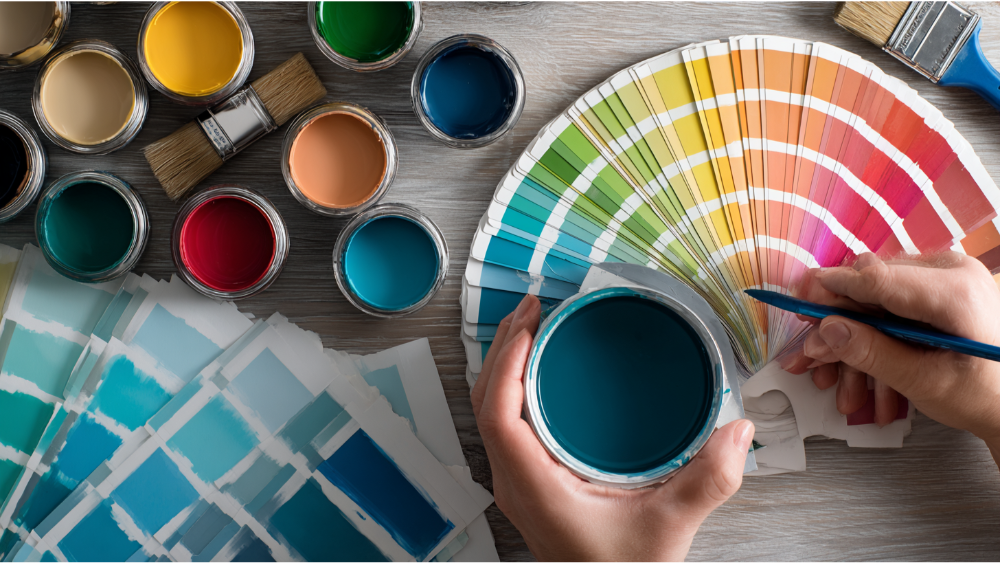
Professional painters often rely on proven structures rather than guessing.
Monochromatic Color Schemes
A monochromatic scheme uses one color family in different shades. This creates a calm, modern effect. Using different shades of gray, blue, or green can add depth without visual clutter. This approach works especially well in open concept spaces.
Neutral Base With an Accent Color
A neutral color palette provides flexibility. Adding an accent color introduces personality without overpowering the space. Navy blue, olive green, or a muted orange can act as a focal point. Accent colors should be repeated in small ways to maintain balance.
High Contrast Modern Schemes
High contrast schemes pair light walls with dark accents or vice versa. A dark shade on trim or doors can feel dramatic and modern. These schemes require precise execution to look clean and intentional.
Choosing Colors for Modern Home Exteriors

Exterior paint choices must balance style and durability.
Exterior Considerations
Sun exposure, moisture, and dirt all affect how exterior colors perform. Dark colors absorb more heat and may fade faster. Lighter neutral shades often age better. Texture and materials such as siding, stone, and roofing should influence the palette.
Modern Exterior Color Examples
A warm off white body with charcoal accents feels modern and classic. Earth tones paired with navy blue doors create contrast without being too bold. Using green or blue accents can add interest while maintaining a timeless look.
Choosing Colors for Modern Home Interiors
Interior spaces should feel connected from room to room.
Whole Home Color Flow
Using a cohesive color scheme helps rooms feel intentional. Colors do not need to be identical, but they should relate. Similar hues and shared undertones create flow. This is especially important in open layouts.
Room by Room Considerations
Living areas benefit from neutral palettes that feel flexible. Bedrooms often work well with calming blue or green tones. A dining room can support a richer, darker shade for a dramatic mood. Bathrooms and kitchens often rely on off white or light neutral shades for brightness.
Using the Color Wheel to Build Balance

The color wheel is a useful tool for understanding how colors relate.
Primary and Secondary Colors
Primary colors are red, blue, and yellow. Secondary colors such as green, purple, and orange are created by mixing primary colors. Understanding these relationships helps you mix colors that work together.
Pairing and Mixing Colors
Colors from the same color family create harmony. Opposite colors on the color wheel create contrast. Equal parts contrast and harmony create interest without chaos. This balance helps create a cohesive look.
Testing Paint Before You Commit
Testing is essential to choosing the right color scheme.
Why Samples Matter
Paint color behaves differently on large surfaces. Testing allows you to see how light, texture, and surrounding colors interact.
How to Test Properly
Apply large samples to multiple walls. Observe them at different times of day. This step helps you identify the perfect color before committing.
When to Get Expert Advice

Some projects benefit from professional input.
When Help Makes Sense
Large exteriors, high contrast schemes, or complex interiors often benefit from color experts. Expert advice helps avoid mistakes and ensures the colors work together.
The Value of Professional Insight
Professionals consider tone, light, materials, and durability. Their experience helps create a right color scheme that feels modern and cohesive.
FAQs About Modern Paint Color Schemes
What paint colors are considered modern?
Modern colors include warm neutrals, gray with depth, blue green tones, and earthy hues balanced with off white.
Are bold colors still used in modern homes?
Yes, but bold colors are used sparingly as accents rather than covering every wall.
How many colors should a modern home use?
Most modern homes use a palette of three to five colors, including accents.
Is white still modern?
White paint color remains modern when it has the right undertone and is paired with contrast.
Final Thoughts on Choosing the Right Color Scheme
Choosing how to choose residential paint color schemes for modern homes is about more than picking colors you like. It is about creating a cohesive color scheme that supports your personal style, works with light, and feels timeless. By understanding color palettes, undertones, and balance, you can create a modern home that feels comfortable, stylish, and truly yours.
