
%201.svg)


How Much To Paint a House Interior? A Complete Homeowner’s Guide
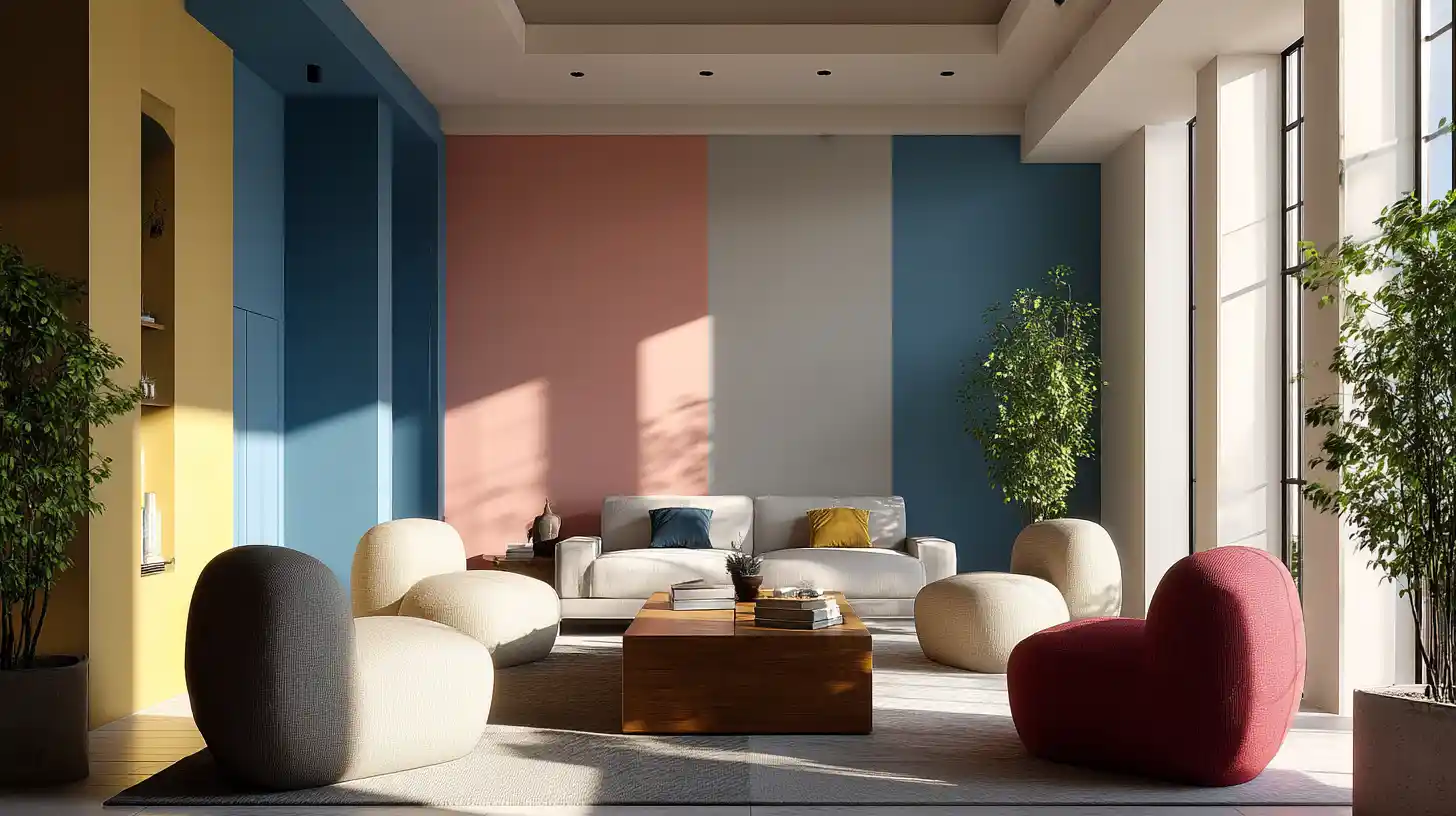
Why Interior Painting Costs Vary So Much
Homeowners searching for how much to paint a house interior often discover wide price differences. That is because interior painting costs vary depending on several factors, including total square footage, the condition of interior walls, prep work, paint type, and the amount of trim work required, such as crown molding. Every interior painting project is unique, and the total cost reflects the level of labor, the quality of paint, and the detail needed to achieve a smooth finish. High traffic areas, textured walls, vaulted ceilings, and hard to reach areas that require special equipment all influence the final number. When professional painters or a service professional take on the interior of a house, they consider more than just wall color.
They look at surface repair needs, paint adhesion conditions, existing paint quality, the amount of material costs involved, and how many coats will be required, including multiple coats or additional coats for darker or more complex colors. Homeowners looking for a reliable professional paint job should understand several factors that determine the overall price so they can plan with confidence and even save money when possible.
Average Cost to Paint the Interior of a Home in 2025
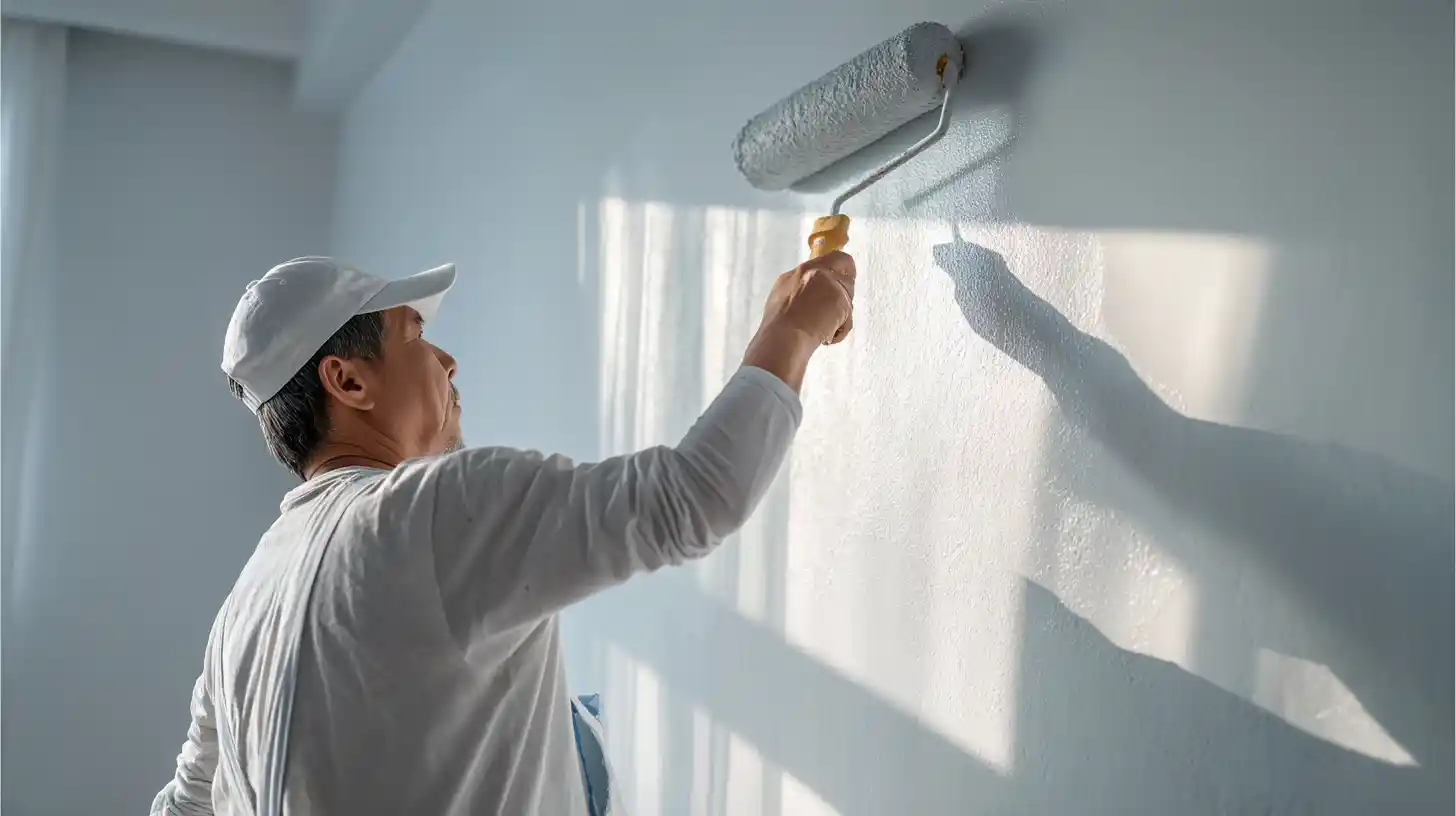
Cost Per Square Foot
Interior painting in 2025 typically ranges between two and six dollars per square foot. For example, painting a 2,000 square foot home interior can cost anywhere from $4,000 to $12,000 depending on the factors involved. The average cost to paint tends to rise when there is more total square footage or when the interior of a house requires more detailed prep work or repair work. The cost to paint increases when ceilings, trim, doors, or other surfaces are included. Many painting companies use a simple surface average cost calculation that gives homeowners an easy starting point. When using a per square foot method, the interior house painting cost usually estimate includes labor costs, premium paints when selected, painting supplies, and cleanup. The fewer coats needed, the lower the project costs. Dark walls, oil based paint, specialty paints, and dramatic color changes usually require more paint, which increases the overall cost. Homeowners often find that hiring professionals ensures the job is completed efficiently and produces a consistent result.
Average Cost by Home Size
The average cost to paint a one thousand square foot home interior ranges from two thousand to five thousand dollars. At fifteen hundred square feet, the cost to paint typically moves into three to seven thousand dollars. A two thousand square foot home interior may range from four to ten thousand depending on room size, trim work such as crown molding, textured walls, and ceiling height. The total cost rises as more square footage and more rooms are added. Painting the entire interior of an average home often lands between five and twelve thousand dollars. This includes walls only, and homeowners who want the entire house painted with ceilings, trim, doors, and extra prep work will see higher project costs. The interior of a house in the Puget Sound region usually requires more prep work because homes experience climate changes that affect paint adhesion and surface durability.
Cost to Paint Individual Rooms
Standard Bedroom
A master bedroom or a standard bedroom typically costs five hundred to eight hundred fifty dollars. Costs vary depending on room size, number of windows, closet type, and the amount of prep work needed. Homes with textured walls or older paint may require more labor hours.
Living Rooms
Living rooms often have high ceilings or accent wall designs. Painting costs range from eight hundred to two thousand dollars depending on the room type and amount of square footage involved. Living rooms frequently have more hard to reach areas, and sometimes wallpaper removal or surface repair is needed. A living space’s complexity can significantly impact the painting costs.
Kitchens and Bathrooms
Kitchens and bathrooms have more edges, appliances, and moisture exposure. These rooms usually require fewer coats when colors stay similar, but the cost to paint still ranges from three hundred to twelve hundred dollars. When a fresh coat is paired with semi gloss finishes, the price increases slightly because semi gloss requires more precision.
Hallways, Staircases, and High Ceiling Areas
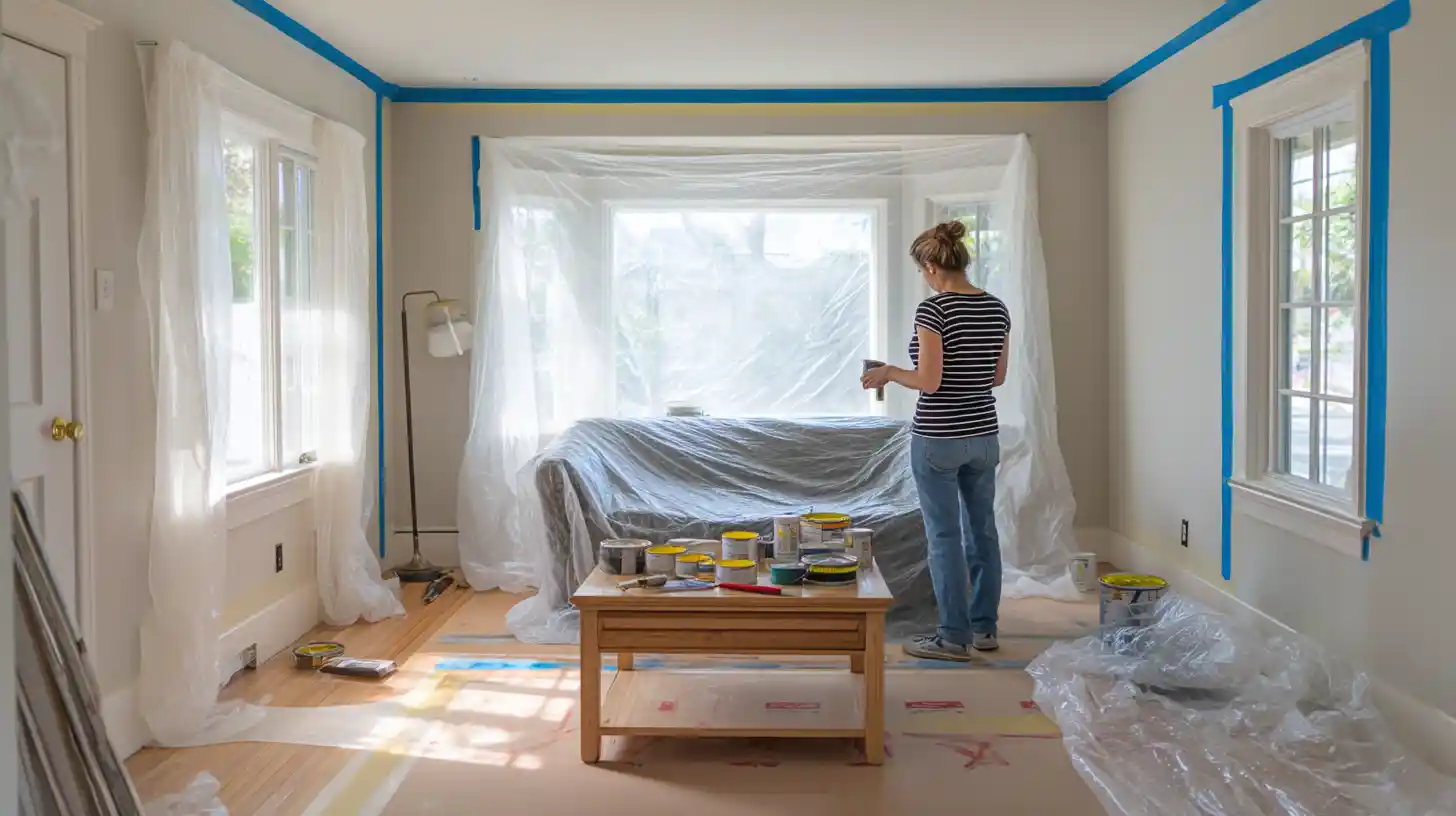
Hallways and staircases are high traffic areas. They require more detailed prep work, masking, and drop cloths to protect surfaces. These painting costs range between four hundred and fifteen hundred dollars depending on the complexity of the painting project. High ceilings or vaulted ceilings often require additional equipment and labor hours, including special equipment like scaffolding or extension poles.
Interior Painting Cost Breakdown, Where Your Money Goes
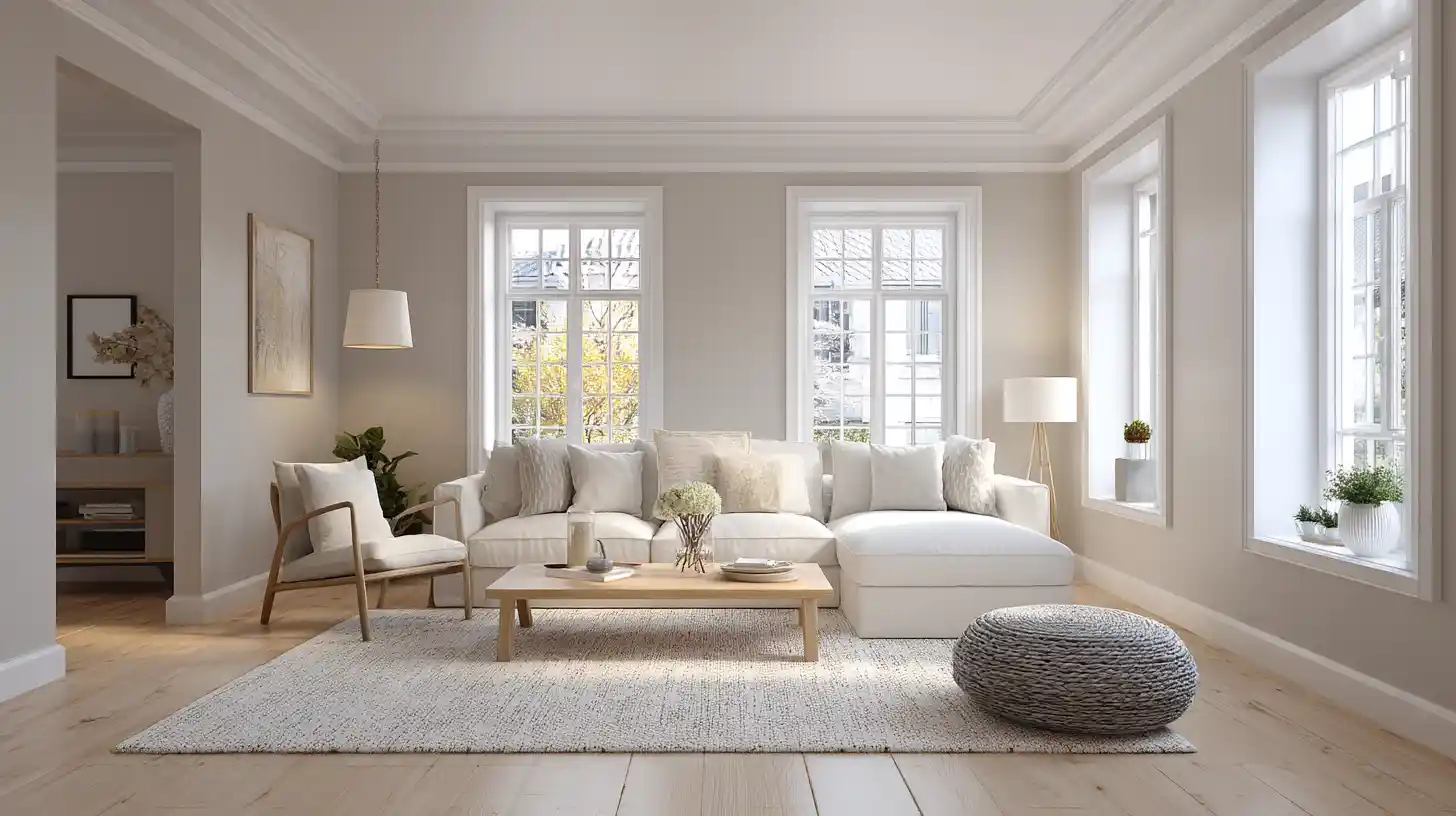
Labor Costs
Labor costs represent sixty to seventy percent of the total cost. Most painters manage setup, moving furniture, masking, paint application, cleanup, and safety. When homeowners hire professional painters or a service professional, they benefit from experience, efficient systems, and the ability to complete the entire interior in a timely manner. Labor hours increase when the paint type requires multiple coats or when the home interior needs substantial prep work or repair work.
Quality of Paint and Materials
Paint quality makes a big difference in the overall cost. Premium paints require fewer coats, last longer, and resist scuffs in high traffic areas. Cheap paint often leads to more paint usage and weaker coverage. When calculating interior painting costs, material costs include primer, particular paint for trim or doors, specialty finishes for accents, and the necessary painting supplies. One gallon of paint typically covers 300 to 400 square feet, but this can vary depending on the surface and paint type.
Prep Work Requirements
Prep work is one of the key factors in determining painting costs. Many homes need drywall repair, caulking, sanding, priming, and additional paint protection before any color goes on. Textured walls may require special rollers, and accent wall designs require sharper lines and more time. Proper prep work ensures the paint the interior process produces a smooth finish that lasts.
Complexity of the Space
Homes with vaulted ceilings, high ceilings, extensive trim work including crown molding, and detailed architecture experience higher painting project costs. More total square footage and more surfaces mean more labor hours and more materials. An entire home with multiple room types often has complex areas that need careful planning.
Additional Services That Affect Interior Painting Costs
Painting Ceilings
Ceilings often need a fresh coat because shadows and lighting expose imperfections. The cost to paint ceilings is usually calculated per square foot. A higher ceiling increases labor costs because of ladders and special equipment.
Painting Trim, Doors, and Windows
Trim work is detailed and takes longer than wall painting. Homeowners may pay per linear foot or per room for trim, doors, and window frames. A professional paint job for trim often includes sanding, priming, and slower brush strokes for clean edges.
Minor Carpentry and Repairs
Some rooms may need surface repair or drywall repair before painting begins. Painting companies may repair rot, replace small sections of siding inside garages, or correct framing issues. The overall cost includes these repairs when necessary.
Regional Cost Differences in Puget Sound
Painting costs in the Puget Sound area vary depending on climate and home age. Homes in Tacoma, Kent, Federal Way, Puyallup, and Edgewood often have more moisture exposure. This can lead to surface repair needs and more thorough prep work for strong paint adhesion. Homes with textured walls or older walls may require fewer coats when staying in the same color family, but new colors or lighter tones often need additional paint. Painting companies in the area also handle different home styles, such as split level layouts, which means each painting project requires its own strategy.
How to Get the Most Accurate Interior Painting Estimate
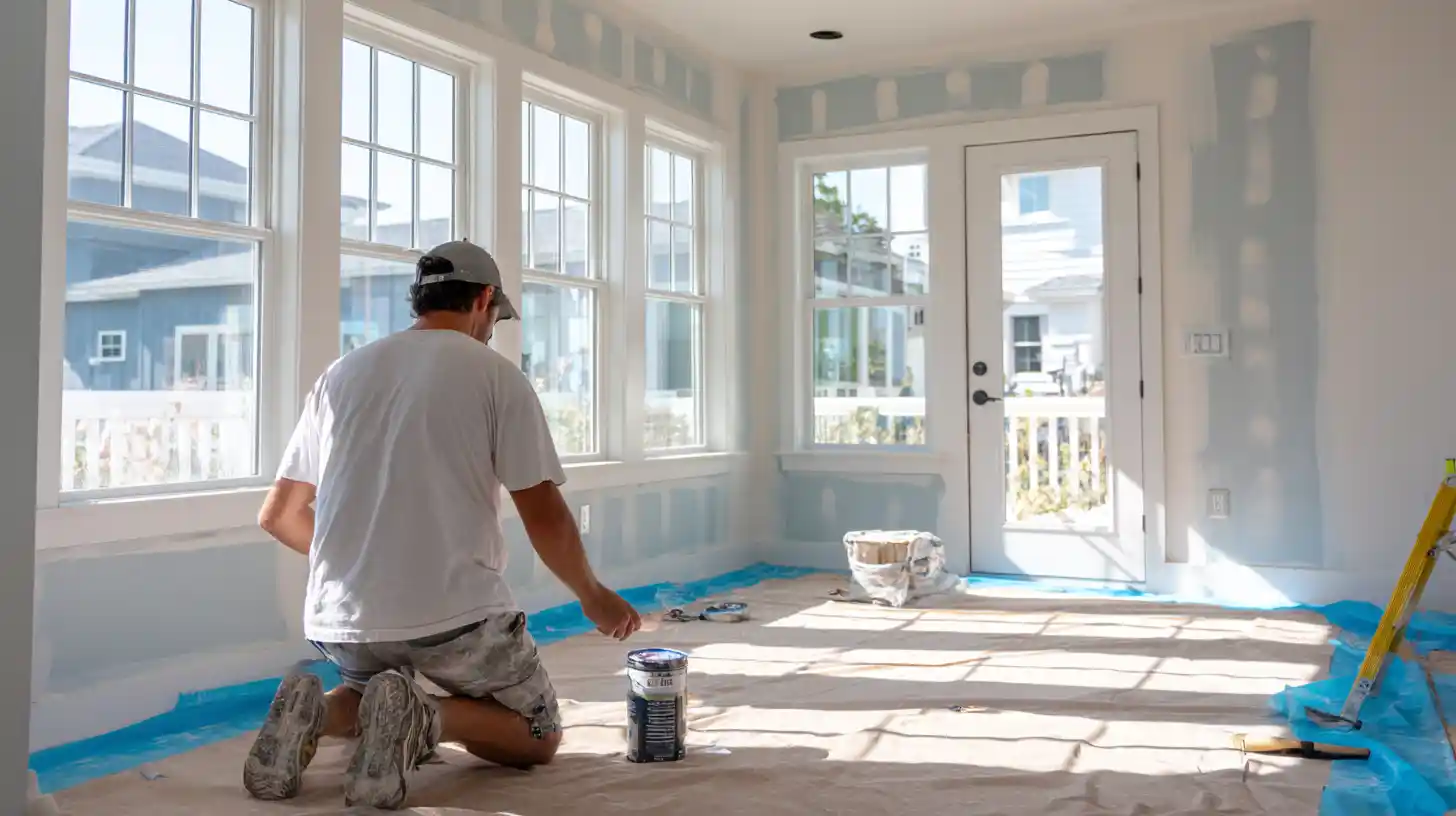
What Professional Painters Look For
Professional painters look at total square footage, the condition of interior walls, trim, ceiling height, room size, and the number of coats needed. They inspect for wallpaper removal, surface repair, and any sections that require specialty paints. This helps calculate a realistic overall price for the interior painting project.
Why Online Calculators Miss Details
Online estimates rarely consider the true cost to paint because they do not take into account trim work, vaulted ceilings, accent walls, moving furniture, or the amount of labor hours needed. The interior of a house requires a hands on evaluation to determine the average cost and the right paint type. Real world conditions always vary depending on the home.
Cover Pro Painting’s Transparent Estimate Process
Cover Pro Painting provides free estimates, color guidance, and clear explanations of project costs. Homeowners often receive suggestions to help them save money, such as painting several rooms at once or keeping similar paint colors to require fewer coats. First time customers usually qualify for a discount, and the goal is always to provide honest pricing with no surprises.
Signs It Is Time to Repaint Your Home Interior
Fading, Peeling, or Cracking Walls
These signs indicate that paint adhesion has weakened. A fresh coat restores appearance and protects surfaces.
Scuffed or Damaged Walls
High traffic areas often show marks and dents. A painting project refreshes the entire interior and improves the look of the home.
Outdated Colors and Dark Rooms
Modern paint colors brighten spaces and make one room flow better into the next. An accent wall can add character to living rooms or a dining room.
Preparing to Sell
Interior painting costs are small compared to the value gained. The entire home can feel newer and more inviting, especially when colors stay neutral.
DIY vs Hiring Professionals
Cost Comparison
DIY may seem like a way to save money, but buying painting supplies, rollers, brushes, extension poles, and drop cloths adds up. Cheap paint requires more coats, which increases the total cost. Hiring professionals brings efficiency, safety, and a professional paint job that looks consistent.
Quality Differences
Professionals create a smooth finish without streaks. They know how to prep walls, handle specialty paints, and complete trim work correctly. They also know how to work around furniture and protect flooring.
Why Cover Pro Painting Produces Better Long Term Results
With premium paints, trained teams, and careful prep work, our painting projects last longer. Every room is treated with care, and every detail matters.
How to Budget for an Interior Painting Project
Get Multiple Quotes
Reviewing estimates helps homeowners understand the average cost to paint the interior and identify differences in paint quality and labor costs.
Prioritize Rooms
If the entire interior cannot be painted at once, painting one room at a time or grouping living rooms with hallways helps manage project costs.
Understand Where to Save
Avoiding unnecessary color changes or complex designs can save money. Choosing premium paints may cost more up front but they require fewer coats and last longer.
Frequently Asked Questions
How much does it cost to paint a two thousand square foot home interior
Most homeowners pay between four and ten thousand dollars depending on room size, trim work, and wall condition.
How much does it cost to paint one room
One single room usually costs between five hundred and eight hundred fifty dollars.
What affects interior painting costs the most
Prep work, paint type, room type, square footage, and the condition of interior walls affect the cost the most.
Does painting trim cost extra
Trim work often costs more because it requires detailed brushwork and more labor hours.
How long does it take to paint the entire interior
Most projects take three to seven days depending on the size of the home interior.
Do painters move furniture
Most painters assist with moving furniture and protecting flooring with drop cloths.
How often should a home interior be repainted
Every five to seven years depending on wear.
Is it cheaper to paint everything at once
Yes, combining rooms reduces labor time and project costs.
Final Thoughts on Interior Painting in 2025
Homeowners should expect most interior painting costs for an average home to range between three thousand and twelve thousand dollars. The cost to paint depends on several factors, including total square footage, prep work, surface repair, ceiling height, and desired finishes. When homeowners hire professional painters who value craftsmanship and communication, the interior of a house receives a finish that lasts for years. A professional paint job protects your home interior, enhances appearance, and increases long term value. Cover Pro Painting brings over one hundred years of combined experience and ensures the entire home receives the detailed care it deserves.
