
%201.svg)


How Many Coats of Paint Do Interior Walls Typically Need?
.webp)
Here is a clear, homeowner focused answer to the question how many coats of paint do interior walls typically need. In most homes, the correct number is two coats of finish paint. In some cases, more coats are required, and in limited situations, one coat can work. The real answer depends on wall condition, existing paint, colour change, and paint quality. This guide explains just what most interior walls need in 2025 and why coat count makes all the difference in a quality paint job.
The Short Answer: Two Coats Is the Industry Standard
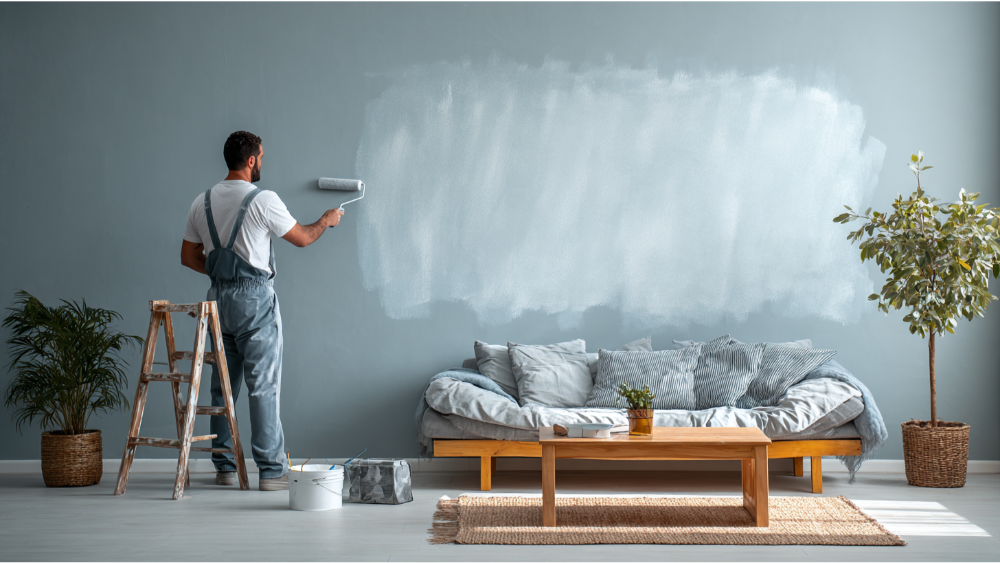
Most interior walls require two coats of paint for even coverage and long term durability. This applies to bedrooms, living rooms, hallways, and most common repaint situations. Two coats build a consistent paint film that protects the surface and delivers the color you expect.
Homeowners often ask how many paint coats they really need, because one coat sounds faster and cheaper. The reality is that two coats provide better coverage, more durability, and a more consistent finish. This is why professional painters and professional painting services almost always recommend 2 coats as the baseline.
When you hear a painter talk about a quality paint job, they are usually referring to proper preparation followed by two coats of finish paint. This standard has not changed, even with modern wall paint products.
Why One Coat Is Rare, Even With Premium Paint
What “One-Coat Coverage” Really Means
One coat coverage is a marketing term. It usually means the paint can hide the previous existing color under ideal conditions. It does not mean one coat provides adequate coverage, durability, or a flawless finish. One coat paint can look acceptable at first, but once it dries fully, thin areas, roller marks, and uneven sheen often appear. A single coat rarely creates the durable finish homeowners expect.
Situations Where One Coat Might Work
A single coat can sometimes work when repainting the same color with the same paint and sheen, over smooth walls that are already in great condition. There must be no patches, no stains, and no repairs. Even in these cases, just one coat is a risk. Many painting projects that start with one coat end up needing an extra coat later to correct uneven coverage.
Why Pros Still Recommend Two Coats
Professional painters focus on performance, not shortcuts. Two coats reduce flashing, improve touch ups, and help wall paint last longer. Over time, two coats save money by extending the life of the paint job.
When Interior Walls Need More Than Two Coats
Major Color Changes
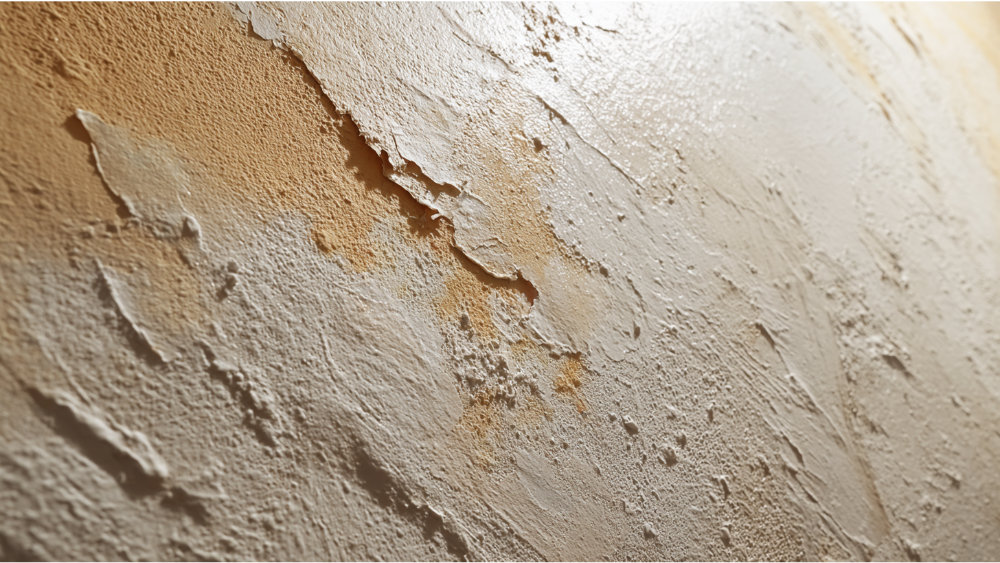
Covering dark colors with light new paint often requires more paint coats. Dark colors can bleed through if the paint film is too thin. Covering dark colors properly may require a primer coat followed by two finish coats, or sometimes an extra coat. Large colour change projects are one of the most common reasons homeowners need more than two coats.
New Drywall and Repairs
New drywall absorbs paint unevenly. The same is true for patched areas, skim coats, and repairs. Without primer, the first coat soaks in, leaving dull spots. New drywall almost always requires a primer coat, especially quality primers, followed by two coats of finish paint. This ensures even coverage and prevents flashing.
Stains, Smoke, and Odors
Water stains, smoke residue, and pet odors require the right primer. In these cases, more coats are needed to seal the surface and achieve adequate coverage. Skipping steps here leads to failure.
Primer vs Paint: How Primer Changes the Coat Count
What Primer Actually Does
Primer seals porous surfaces, improves adhesion, and blocks stains. It is not designed to replace finish paint. Primer prepares the wall so finish paint performs correctly.
When Primer Is Required
A primer coat is required on new drywall, over major repairs, over old paint with stains, and during major colour change projects. Using the right primer reduces the need for many paint coats later.
Does Primer Replace a Coat of Paint?
No. Primer is separate from finish coats. A standard system includes one primer coat when needed, then two coats of finish paint.
Does Paint Quality Affect How Many Coats You Need?
Budget Paint vs Premium Paint
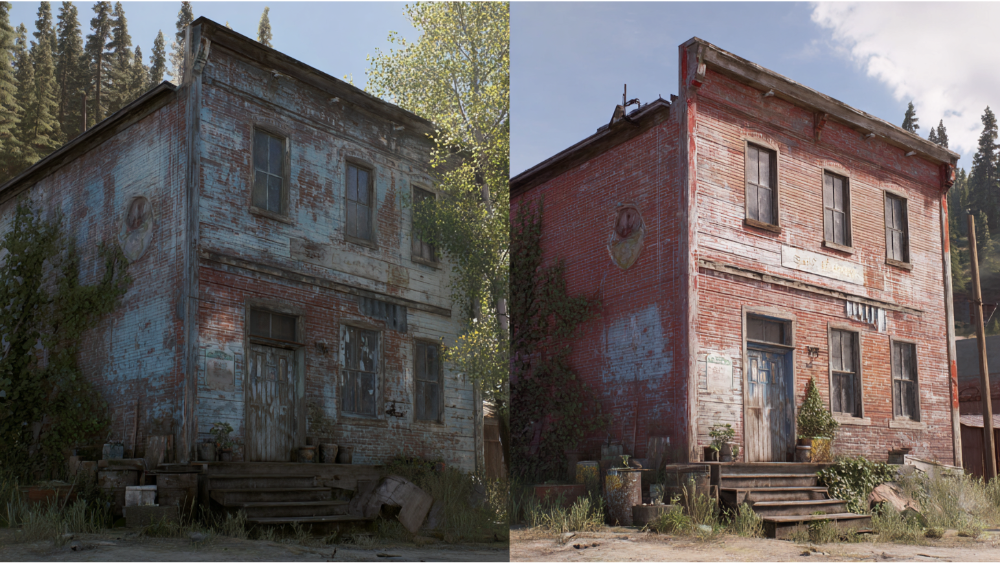
Paint quality matters. Cheap paint often has less pigment and requires more coats to achieve coverage. Budget paint can increase labor and reduce durability. Good quality paint covers better, wears better, and looks better over time. However, even good quality paint still performs best with two coats.
Why Even High-End Paint Usually Needs Two Coats
Quality paint is designed to deliver better coverage and durability, but manufacturers still recommend two coats for full performance. Skipping the second coat reduces washability and lifespan.
How Sheen Impacts Coverage and Coat Count
Flat and Matte Finishes
Flat paint hides imperfections well and often looks even faster. Still, two coats are recommended for consistent color and better coverage.
Eggshell and Satin Finishes
Eggshell and satin are the most common finishes for interior walls. These sheens show uneven application more easily, making two coats essential.
Semi Gloss and High Gloss
Semi gloss highlights flaws and requires careful application. Multiple coats and smooth walls are critical for a clean result.
Application Matters: Why Technique Affects Results
Roller Technique and Coverage
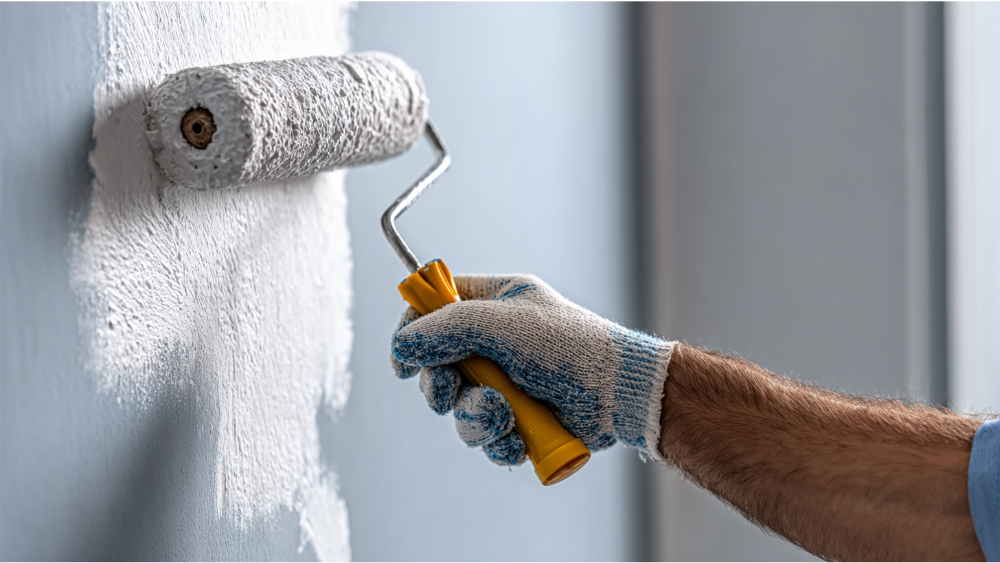
Proper application affects how many coats are needed. Thin coats, dry rolling, or stretching paint too far leads to poor results. Quality tools and proper technique help achieve even coverage and use less paint overall.
DIY vs Professional Application
Many paint jobs fail because of technique, not materials. Professional painters and professional painting services know how to apply coat paint evenly and maintain consistent thickness across the wall.
How Many Coats Should You Expect Per Room?
Bedrooms and Living Rooms
Most interior walls in these rooms need two coats of finish paint. Primer is added only where repairs or color changes require it.
Kitchens and Bathrooms
These rooms see moisture and wear. A durable finish, proper prep, and full coverage matter. Two coats are essential.
Hallways and High Traffic Areas
High traffic areas benefit from multiple coats for more durability and easier cleaning.
Ceilings
Ceiling paint is typically formulated for one coat coverage, but ceilings with stains or damage may require primer and additional coats for best results.
How Coat Count Affects Cost and Paint Quantity
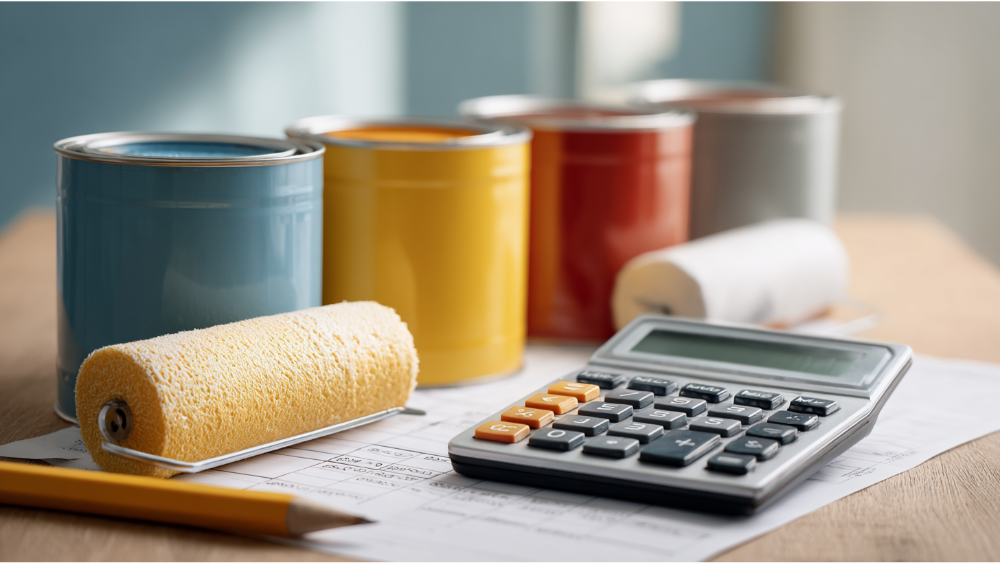
Skipping coats reduces upfront cost but increases long term expense. Fewer coats often mean repainting sooner. A quality paint job with proper coats lasts longer and looks better throughout its life. Planning your painting project carefully and buying enough paint from your local paint store helps avoid delays and ensures a smooth process.
What We Recommend for Interior Walls
For most interior walls, the best approach is proper prep, primer where required, and two coats of finish paint. This system delivers even coverage, a durable finish, and predictable results.
Frequently Asked Questions
Is one coat of paint ever enough?
One coat can work in limited cases, such as repainting the same color on smooth walls, but it is not typical.
Does primer count as a coat?
No. Primer prepares the surface but does not replace finish paint.
Why does my wall look patchy after one coat?
Uneven absorption, wall condition issues, or thin application usually cause patchiness.
Can I add additional coats later?
Yes, but it is best to apply coats within the recommended window.
How long should I wait between coats?
Most water based paint products require two to four hours between coats.
Do darker colors always need more coats?
Dark colors often require careful application and sometimes more coats to achieve even coverage.
Will two coats make paint last longer?
Yes. Two coats provide more durability and better protection.
Final Thoughts
So, how many coats of paint do interior walls typically need? For most homes, the answer is two coats of finish paint, sometimes more, rarely less. Proper preparation, good quality paint, and the right number of paint coats make all the difference. When walls are painted correctly, the result is a flawless finish that lasts.
