
%201.svg)


How Long Will It Take to Paint a House? Your Comprehensive Guide

Key Takeaway:
Painting a house requires careful planning and consideration of several factors, including weather and surface conditions. This guide provides in-depth insights into expected timelines, highlighting the essential steps and expert tips for managing your painting project efficiently. By understanding these elements, homeowners can achieve a balance between speed and quality, ensuring the best outcome for their property.
How Long Will It Take to Paint a House? Your Comprehensive Guide
Understanding the Basics of House Painting Timelines
Factors Affecting Painting Duration
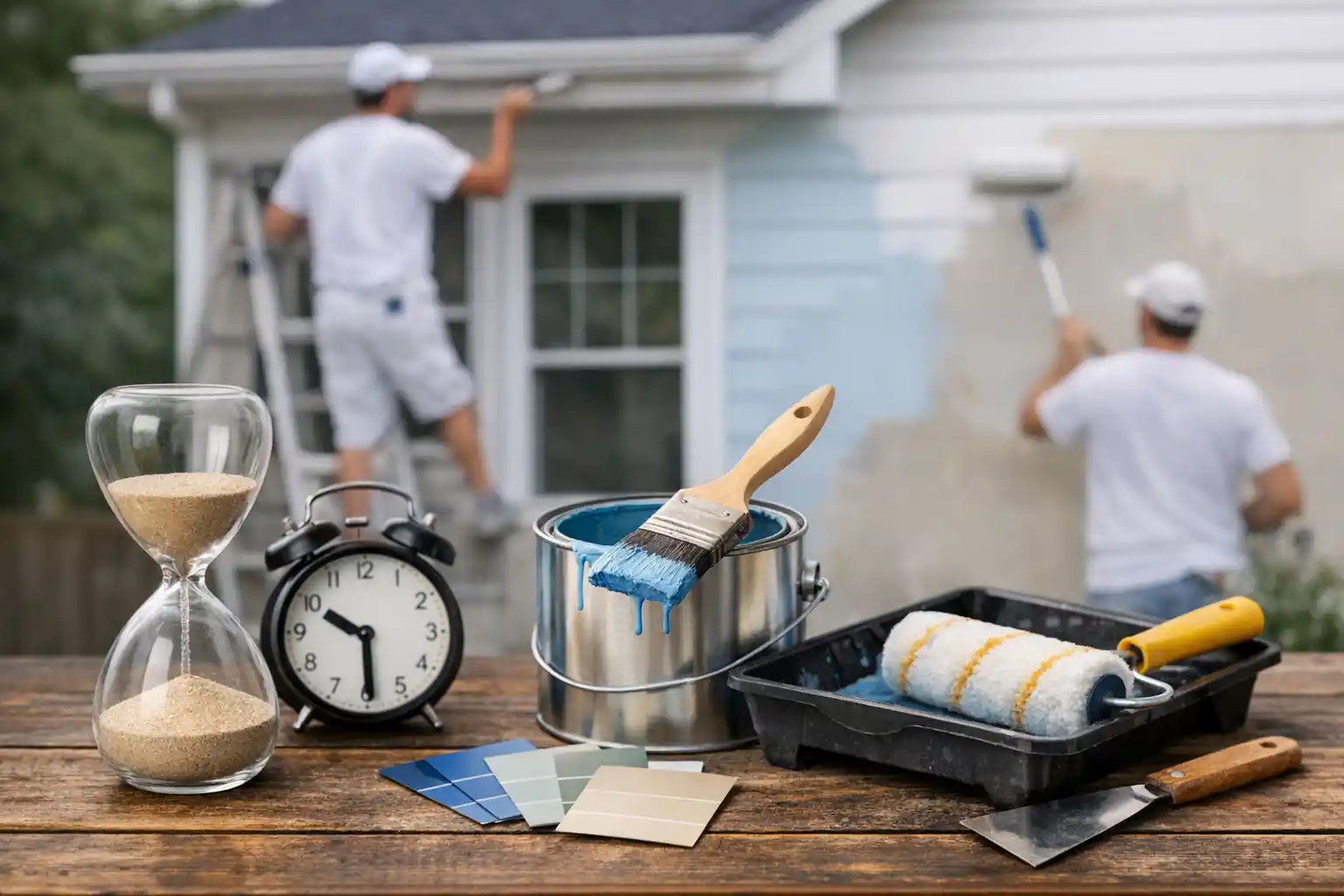
The duration of a house painting project is influenced by numerous factors, such as the size of the house, the type of paint used, and the number of coats required. For instance, oil-based paints might take longer to dry compared to latex paints, which can affect the timeline significantly. Additionally, the complexity of the architectural details, like intricate trim or crown molding, can extend the time needed for completion. Environmental factors also play a role; for example, painting in high humidity or extreme heat can slow down the drying process, necessitating more planning and potentially extending the project timeline.
Average Time Estimates for Different Projects
On average, painting the interior of a house can take anywhere from a few days to a week, depending on factors like square footage and the state of the existing paint. Exterior painting, on the other hand, can be more time-consuming, often taking a week or more due to weather considerations and the need for additional prep work. Multi-story homes or those with high ceilings may also require more time to paint. Professional painters often recommend planning for weather conditions and scheduling during periods of moderate temperatures and low humidity to minimize disruption and achieve a durable finish.
Quick Tip: To minimize disruption, plan your painting project during moderate temperatures to avoid weather delays and ensure a durable finish.
High-Level Industry Insights on Painting Projects
Trends Influencing Painting Timelines in 2026
As we look towards 2026, several industry trends are expected to influence painting timelines. The rise of eco-friendly paints, for example, is changing the landscape. These paints not only offer a sustainable option but also tend to dry faster, thus potentially shortening project durations. Additionally, new technologies in paint formulation are being developed to provide a quicker application and fewer coats required for complete coverage. Innovations in security verification and the use of malicious bots for automated analysis of paint durability are also expected to streamline project management and execution.
The Impact of Eco-Friendly Paints on Timeframes
Eco-friendly paints are gaining popularity due to their low VOC emissions and faster drying times. These paints can significantly impact the overall timeline of a painting project, allowing professional painters to complete jobs more efficiently. However, it's important to perform security verification of such products to ensure they meet industry standards and deliver the expected durability and finish. Using the right team and reliable products can lead to a successful paint job that meets both environmental and aesthetic goals.
Technical Deep Dive: How Painting Conditions Affect Duration
Weather Considerations in Seattle
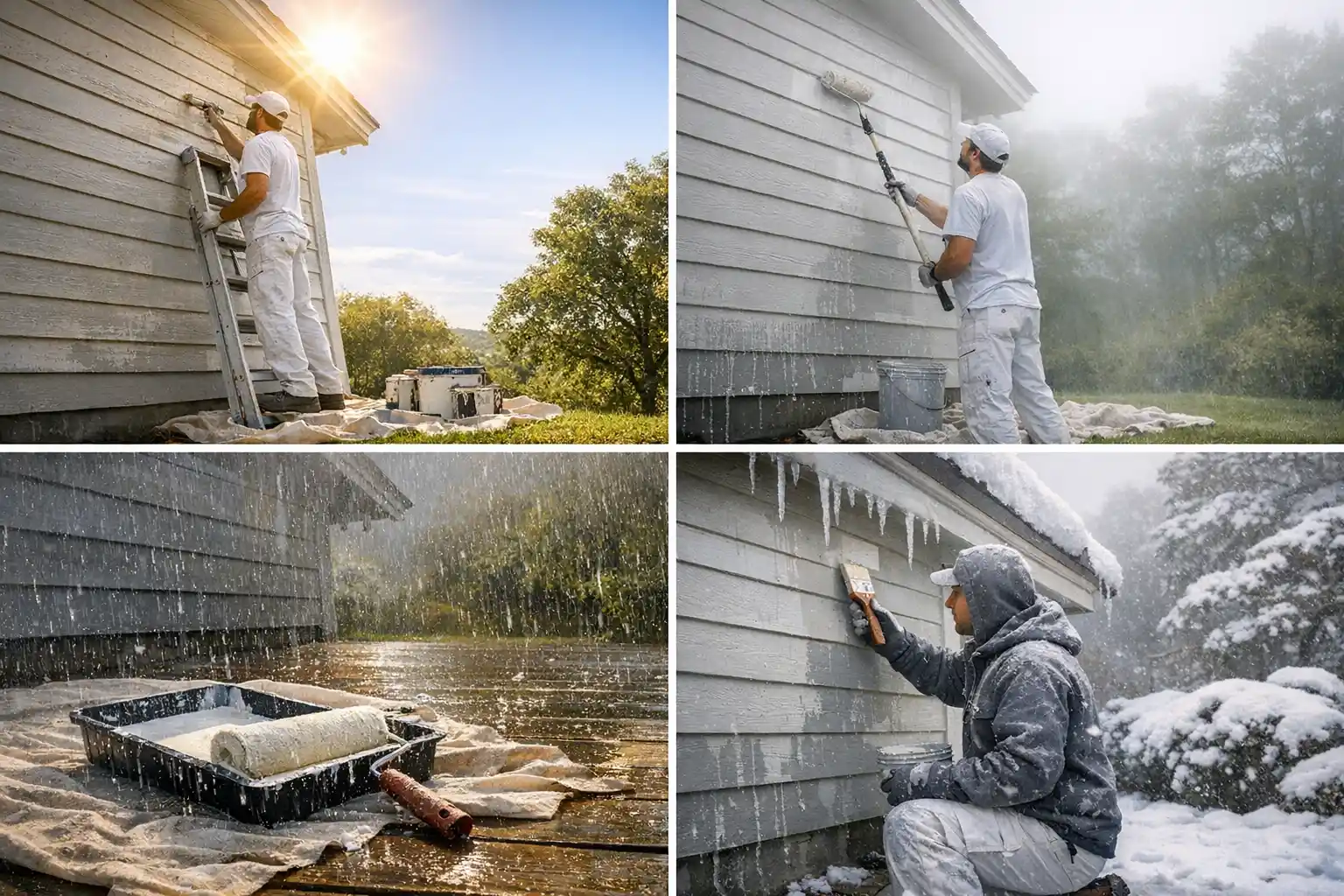
Seattle's weather is a critical factor in planning a painting project. High humidity and frequent rain can delay drying times and extend project duration. To combat weather delays, it's advisable to schedule exterior painting during the drier months and to use weather-resistant materials that can withstand environmental factors. The unpredictable nature of Seattle's climate requires careful planning and flexibility in scheduling to ensure a successful painting project.
Surface Preparation and Its Role
Proper surface preparation is essential in ensuring a successful paint job. This step involves addressing issues like peeling paint, uneven surfaces, and performing necessary repairs. Surface preparation can be time-consuming but is crucial in achieving a durable finish and should not be underestimated in the planning process. Taking the time to thoroughly prepare surfaces can lead to fewer coats needed, saving both time and resources in the long run.
Quick Tip: Using painter's tape and drop cloths can save time and ensure a clean, professional result by protecting surfaces from accidental paint splatters.
Step-by-Step Guide to Estimating Your Painting Project Duration
Interior vs. Exterior Painting Timelines
When estimating the duration of an interior painting project, consider the number of rooms and their condition. A fresh coat of paint in a well-maintained room can be completed faster than one that requires extensive prep work. Exterior painting timelines, however, are often longer due to additional factors such as the need for scaffolding or ladders in multi-story homes and dealing with weather conditions. Performing a thorough assessment of the house interior and exterior can help set realistic expectations and streamline the painting process.
Complexity and Size Considerations
The complexity and size of the painting project are significant determinants of the timeline. Intricate designs or tight spaces, such as those found in older homes, may require more time and specialized techniques. Additionally, larger homes naturally take longer to complete, especially if high ceilings or extensive trim work are involved. The square footage of the house will directly impact how long it takes to paint, and planning accordingly can help manage time-consuming parts of the project.
Expert Tips for Efficient Project Management

Scheduling Strategies for Quick Turnaround
Efficient project management is key to ensuring a quick turnaround without compromising quality. Scheduling the project in phases, such as tackling one floor at a time, allows for better time management and minimizes disruption to daily activities. Additionally, hiring the right team of professional painters can make a significant difference in adhering to timelines. Implementing verification successful strategies for project milestones can ensure that each phase of the project stays on track.
Balancing Quality and Speed
While speed is important, quality should never be sacrificed. To balance these elements, ensure that proper prep work is completed before applying any paint. Using high-quality materials and following detailed planning can help achieve a durable finish that stands the test of time. Opting for semi-gloss finishes in areas prone to moisture can provide an easy-to-clean and long-lasting surface, adding value to the paint job.
Quick Tip: Consider semi-gloss finishes for areas prone to moisture or wear, as they offer a durable and easy-to-clean surface.
Common Pitfalls in Estimating Painting Timelines
Underestimating Preparation Time
One of the most common pitfalls in estimating painting timelines is underestimating the time required for preparation. Properly cleaning, repairing, and priming surfaces are crucial steps that ensure the longevity of the paint job. Rushing through these steps can result in uneven paint application and may necessitate more coats, ultimately extending the project timeline. Addressing these issues early on can prevent costly delays and ensure a smooth painting process.
Ignoring Weather Delays
Weather conditions play a significant role in exterior painting projects. Ignoring potential weather delays can lead to unrealistic expectations and extended timelines. It's important to have a contingency plan in place to address any unforeseen weather-related interruptions. Monitoring weather forecasts and adapting the schedule accordingly can help mitigate the impact of weather on the project duration.
Regional Considerations: Painting in the South Puget Sound

Navigating Seattle's Rainy Seasons
Painting in the South Puget Sound region requires careful consideration of Seattle's notorious rainy seasons. Scheduling projects during drier periods and using weather-resistant paints can help mitigate the impact of rain on your timeline. Understanding the specific challenges posed by the local climate can lead to more effective planning and execution of painting projects.
Tailoring Techniques to Local Weather
In addition to timing, the choice of materials and techniques should be tailored to local weather conditions. Utilizing paints designed for high humidity and rain can ensure a more efficient and successful project outcome. Adapting painting strategies to accommodate environmental factors can enhance the durability and aesthetic appeal of the finished product.
ROI & Cost Analysis: Time vs. Investment in House Painting
Long-Term Benefits of Professional Painting
Investing in professional painting services yields long-term benefits by enhancing the aesthetic appeal and value of your home. A well-executed paint job increases curb appeal and protects against environmental wear and tear, ultimately providing a solid return on investment. Analyzing the potential ROI of a painting project can guide decision-making and prioritize quality over short-term cost savings.
Cost Implications of Extended Timelines
Extended timelines can increase the overall cost of a painting project due to additional labor and material expenses. It's important to weigh the cost implications against the benefits of a thorough and high-quality paint job when planning your project. Balancing budget constraints with the desire for a durable and visually appealing finish can ensure a successful outcome.
Client-Specific Customizations for Accurate Time Estimates

Assessing Client Preferences and Needs
Understanding and addressing client preferences is essential in providing accurate time estimates for painting projects. Customizations, such as specific color choices or finishes, may require additional time and should be factored into the timeline. Early communication with clients about their priorities and expectations can streamline the planning process and facilitate a successful collaboration.
Customization Options for Different Budgets
Offering a range of customization options allows clients to choose solutions that fit their budget while still meeting their aesthetic goals. This flexibility can impact the timeline, as more intricate or specialized requests may require additional time to execute. Tailoring services to meet diverse client needs can enhance satisfaction and build lasting relationships.
Quick Tip: Early communication with your painting contractor about your specific needs and budget can help streamline the planning process and set realistic expectations.
Licensing, Insurance, and Trust: Ensuring Reliability
Importance of Choosing Licensed Contractors
Choosing a licensed contractor is crucial in ensuring a reliable and professional painting experience. Licensed contractors adhere to industry standards, providing peace of mind regarding quality and safety throughout the project. Verifying the credentials and reputation of potential contractors can prevent complications and ensure a successful paint job.
Trust Signals: Warranties and Follow-Ups
Trust is reinforced through actions such as offering warranties and consistent follow-ups. These trust signals demonstrate a commitment to customer satisfaction and a willingness to stand behind the work performed. Establishing trust with clients can foster positive relationships and encourage repeat business.
Frequently Asked Questions
How does Seattle's climate affect painting timelines?
Seattle's rainy seasons and high humidity can extend drying times and delay scheduling, impacting painting timelines significantly.
What is the typical duration for an interior painting project?
An interior painting project typically takes several days to a week, depending on the number of rooms and their condition.
Why is surface preparation crucial in determining painting duration?
Surface preparation involves cleaning, repairing, and priming surfaces, which are time-consuming but essential steps to ensure a durable and even paint application.
How can I ensure a quick turnaround without compromising quality?
To ensure a quick turnaround, hire professional painters, plan the project in phases, and use high-quality materials to balance speed and quality.
What are the potential delays in exterior painting projects?
Potential delays in exterior painting projects include weather conditions, such as rain and high humidity, which can extend drying times and impact scheduling.
Does eco-friendly paint affect the drying time?
Eco-friendly paints generally dry faster than traditional paints, potentially shortening the overall painting timeline.
What should I consider when estimating a painting project's ROI?
When estimating a painting project's ROI, consider the long-term benefits of increased home value, enhanced aesthetics, and protection against environmental damage.
