
%201.svg)


How Long Should an Exterior Paint Job Last Before Repainting Is Needed

Here’s a quick answer: how long should an exterior paint job last before repainting is needed depends on several factors, but for most homes, a properly completed exterior paint job lasts about seven to ten years. That timeline assumes good prep work, high quality paint, and normal weather exposure. In real life, some homes need repainting sooner, while others can go longer. Understanding why helps you protect your home’s exterior, avoid unnecessary repairs, and plan your next exterior painting project with confidence.
What Is the Average Lifespan of an Exterior Paint Job?

The average lifespan of an exterior paint job is typically seven to ten years. That does not mean the paint job last exactly ten years on every home. It means that after this window, the house’s paint job begins to lose its protective strength. The paint may still look acceptable, but its ability to protect against moisture and sun exposure starts to decline.
A great paint job is not only about appearance. Paint creates a protective layer that shields the home’s exterior from rain, wind, and temperature swings. Once that layer weakens, exterior elements begin to affect the underlying material. A good paint job delays this damage, while a long lasting paint job depends on more than just time.
Several factors influence whether your exterior paint job lasts closer to seven years or pushes beyond ten. These include paint quality, proper surface preparation, weather conditions, and how well the home is properly maintained over time.
Exterior Paint Lifespan by Surface Type
Different materials hold paint differently. Some surfaces need more maintenance and repainting than others.
Wood Siding and Trim
Wood siding is one of the most demanding materials to paint and maintain. Wood siding expands and contracts with moisture and temperature changes. Because of this movement, paint on wood siding typically needs repainting every three to seven years. Trim boards often fail even sooner.
Loose paint, cracking paint, flaking paint, and peeling paint are common on wood siding when moisture gets behind the coat of paint. Once paint sticks poorly to wood, water intrusion follows quickly. This is why prep work and surface prep are critical on wood siding. A fresh coat of paint applied without removing loose paint or repairing damaged areas will not last.
Wood siding requires more maintenance than most other materials, but when handled correctly with high quality paint and proper prep work, it can still deliver a durable finish.
Fiber Cement Siding
Fiber cement siding usually holds an exterior paint job for seven to ten years or longer. It is more stable than wood and less affected by high humidity. Proper preparation still matters. Cut edges and repairs must be primed so paint adheres evenly. When surface preparation is done right, fiber cement supports a long lasting paint job with fewer failures.
Stucco Siding and Stucco Houses
Stucco siding and stucco houses generally need repainting every five to ten years. Small cracks are normal and should be addressed before painting. Without proper surface preparation, paint on stucco siding can fail early.
Some stucco houses benefit from specialized coatings that help bridge minor cracks. A quality paint system paired with thorough prep work helps paint adheres properly and resists harsh weather conditions.
Vinyl Siding and Aluminum Siding
Vinyl siding and aluminum siding can often go ten to fifteen years before a new coat is needed. These materials do not rot, but paint can fade due to direct sunlight and sun exposure.
Most repainting on vinyl siding or aluminum siding is driven by curb appeal rather than failure. Power wash cleaning is essential so paint sticks correctly. A pressure washer must be used carefully to remove dirt without forcing water behind the siding.
Brick House and Painted Masonry
A painted brick house can often go fifteen to twenty years before repainting if moisture is managed correctly. Brick needs to breathe. Poor adhesion occurs when paint traps moisture inside masonry.
When a brick house is painted with quality paint and proper preparation, the exterior walls remain protected for many years. When done poorly, the paint job last far less time.
What Factors Most Affect How Long Exterior Paint Lasts?

Paint does not fail randomly. Several factors consistently make a big difference in how long an exterior paint job lasts.
Climate and Weather Exposure
Weather conditions play a major role. Homes exposed to harsh weather, extreme heat, heavy rain, or high humidity experience more stress on their home’s paint. In areas with frequent rain, north facing exterior walls may stay damp longer. South and west facing sides receive more direct sunlight, which accelerates fading.
Extreme weather conditions and harsh weather conditions shorten the lifespan of exterior paint. Wind driven rain, temperature swings, and prolonged moisture all contribute to wear.
Quality of Surface Preparation
Proper surface preparation is the foundation of every good paint job. This includes power wash cleaning to remove dirt, mildew, and chalking. A mild detergent is often used during washing to remove grime. Loose paint must be scraped, sanded, and feathered so the new coat bonds evenly.
Surface prep also includes repairing damaged siding, caulking gaps, and sealing joints. Proper prep work ensures paint adheres and reduces poor adhesion. Without surface preparation, even high quality paint will fail early.
Type and Quality of Paint Used
Paint quality matters. Not all paint is created equal. High quality paint contains better binders and resins that allow the paint dries evenly and flexes with the home. Acrylic paint and modern latex paints are commonly used on exteriors because they resist moisture and maintain color consistency.
Oil based paints are still used in limited applications, but most exterior house paint systems rely on acrylic technology. Using quality paint improves durability and helps create a protective layer that lasts longer.
Application Method and Craftsmanship
A professional painter understands how to apply paint so it bonds properly. Spraying, brushing, and rolling all play a role. Edges, trim, and detail areas are often where paint fails first.
A painting contractor who follows manufacturer guidelines, applies the correct coat of paint thickness, and allows proper dry time between coats delivers a better result. This attention to detail separates a good paint job from one that fails early.
How Do You Know It’s Time to Repaint Your Home Exterior?
Waiting too long to repaint can lead to more damage and higher costs.
Peeling, Cracking, or Flaking Paint
Peeling paint, cracking paint, and flaking paint are clear signs of failure. These issues mean the paint no longer protects the surface. Once peeling paint appears, moisture reaches the substrate.
Fading and Chalking
Fading reduces curb appeal, while chalking signals that the binder in the paint is breaking down. Even if the home’s exterior still looks decent from a distance, these signs indicate that protection is fading.
Exposed Wood or Bare Substrate
Any exposed wood or siding should be addressed quickly. A new paint job applied before damage spreads is far less expensive than structural repairs.
Caulk Failure and Open Joints
Failed caulking gaps allow water behind siding and trim. This often leads to loose paint and poor adhesion.
Mold, Mildew, or Algae Growth
Persistent growth suggests moisture problems. Regular cleaning may help, but repainting is often needed to restore protection.
Can a High Quality Exterior Paint Job Last Longer Than 10 Years?
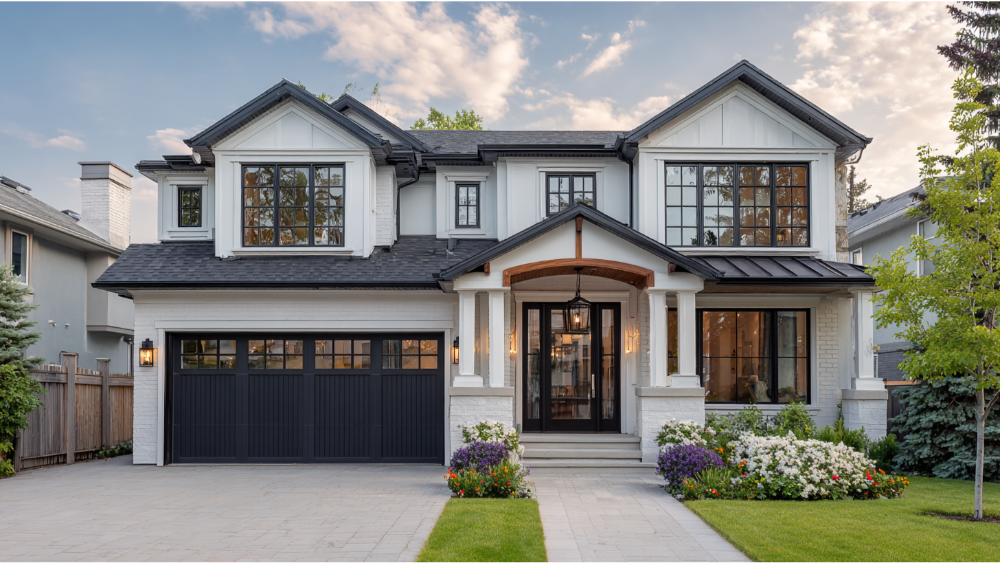
Yes, under the right conditions. Homes with stable siding, limited sun exposure, and excellent prep work can exceed ten years on some surfaces. A long lasting paint job is realistic when quality paint is used and the home’s exterior is properly maintained.
Trying to stretch a paint job too long often leads to higher repair costs. Repainting before major failure protects the structure and saves money upfront over time.
How Often Should You Inspect Your Exterior Paint?
Annual inspections are a smart habit. Walk around the house exterior once a year and look closely at trim, horizontal surfaces, and lower sections of siding. Regular maintenance and regular cleaning help extend the life of exterior paint.
Catching issues early allows small repairs instead of full replacement. A professional painter can identify problems homeowners often miss.
Does Repainting Too Early Waste Money?

Repainting early does not waste money. It protects the home’s paint system and prevents damage. Avoid painting only when the existing paint is still performing well and shows no signs of failure. Strategic repainting preserves curb appeal and structural integrity.
Special Considerations for Older Homes
Older homes may contain lead based coatings. Proper preparation and safe practices are required. Hiring a qualified painting contractor helps ensure the work is done correctly and responsibly.
How Professional Painters Extend the Life of Exterior Paint

A professional painter focuses on prep work, surface prep, and proper preparation before applying a fresh coat. This includes power wash cleaning, removing loose paint, repairing damaged areas, and selecting high gloss paint or other finishes where appropriate.
A quality exterior painting project includes multiple coats where needed. Each new coat builds protection. When paint adheres properly, the result is a durable finish that protects the home’s exterior for years.
FAQs – Exterior Paint Longevity
How long does exterior house paint last in Washington state?
Most exterior house paint lasts seven to ten years, with wood siding often requiring repainting sooner.
How often should you repaint wood siding?
Wood siding typically needs repainting every three to seven years depending on exposure and maintenance.
Can pressure washing damage paint?
Yes, a pressure washer can damage paint if used incorrectly. Power wash techniques must be controlled.
Is it better to repaint before peeling starts?
Yes, repainting early prevents moisture damage and extends the life of the house’s paint job.
Does darker paint fade faster?
Yes, darker colors exposed to direct sunlight fade faster than lighter colors.
Final Takeaway
So, how long should an exterior paint job last before repainting is needed? For most homes, plan on seven to ten years. The exact timing depends on several factors including surface type, prep work, paint quality, weather conditions, and maintenance. A fresh coat of paint applied with proper prep protects your home’s exterior, improves curb appeal, and prevents costly repairs. When in doubt, a professional evaluation helps you plan the right time for your next exterior painting project with confidence.
