
%201.svg)


Mastering Exterior Painting: How Long Does It Take Exterior Paint to Dry?
Key Takeaway:
Exterior paint drying time is influenced by factors such as paint type, weather conditions, and surface preparation. Understanding these elements and choosing the right paint can ensure optimal drying and curing, preventing issues like uneven finishes. Professional services like Cover Pro Painting provide expert guidance for the best results.
Mastering Exterior Painting: How Long Does It Take Exterior Paint to Dry?
Understanding Exterior Paint Drying Times
Factors Influencing Drying Time
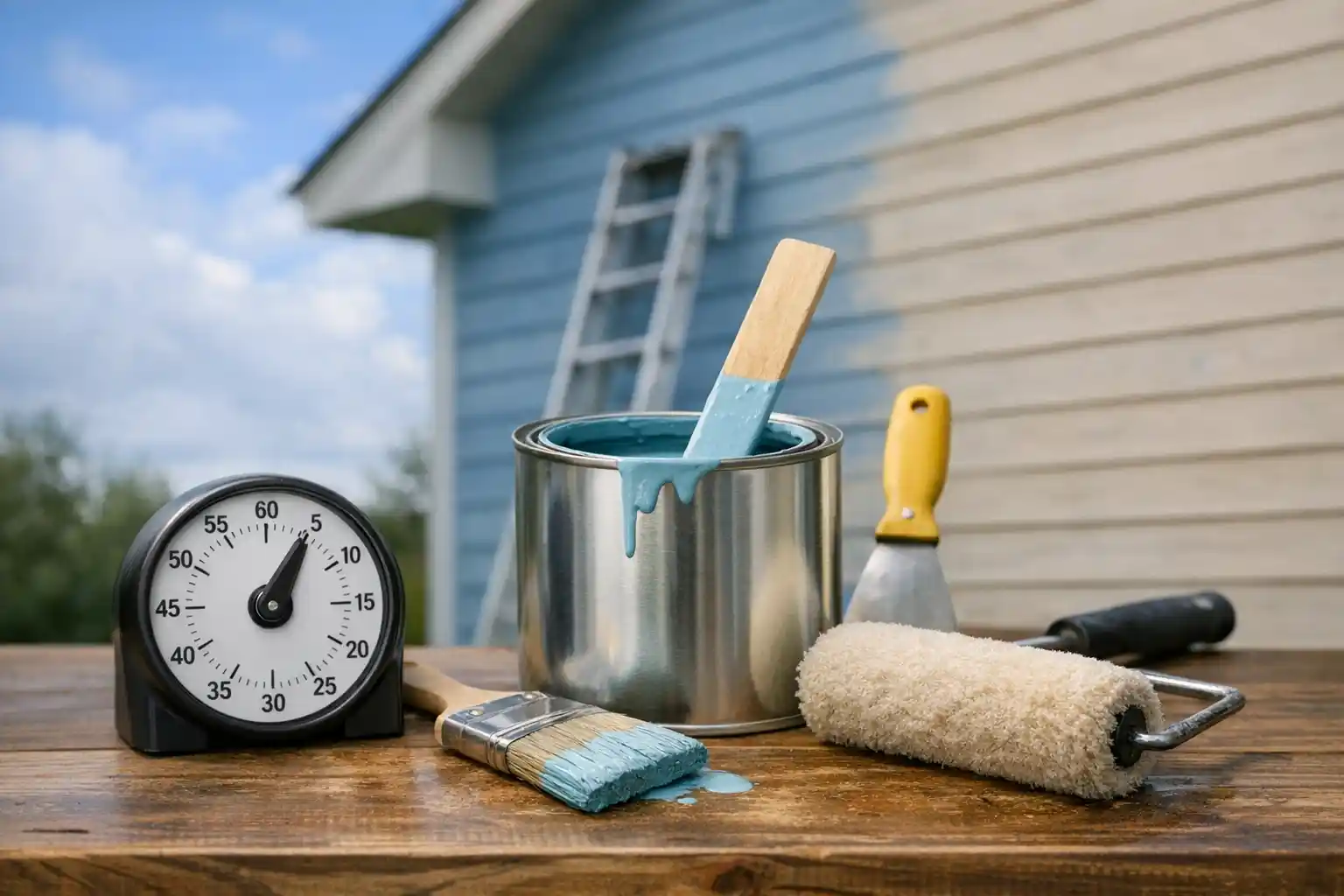
When embarking on exterior painting projects, understanding the drying time of paint is crucial for a successful painting project. Various factors influence how long exterior paint takes to dry, including the type of paint used, environmental conditions, and the condition of the painted surface. For freshly painted surfaces, achieving optimal drying is not just about waiting; it's about creating the right conditions for paint adhesion and curing. For instance, a common mistake is ignoring the impact of surface texture—smooth surfaces may facilitate faster drying compared to rough surfaces which can trap moisture.
Weather conditions play a significant role in the paint drying process. Cooler temperatures and high humidity can extend drying times, while warm, dry conditions are ideal. Additionally, proper surface preparation, such as cleaning and priming, ensures that the paint adheres well and dries evenly. These factors combined determine the adequate drying time needed for a fresh coat of paint. In real-world scenarios, painters often use moisture meters to assess surface readiness before applying the next coat, ensuring a smooth finish.
Types of Paint and Their Drying Characteristics
Not all paints dry at the same rate. Latex paint, known for its quick drying properties, typically dries to the touch within an hour and is ready for a second coat within 4-6 hours. On the other hand, oil-based paints take longer, often requiring 6-8 hours to dry to the touch and up to 24 hours for re-coating. Acrylic paint offers a balance, drying faster than oil-based but slower than latex paint. For instance, in high-traffic areas like commercial buildings, opting for fast-drying latex paint can reduce downtime and allow quicker reopening of the space.
Choosing high-quality paint for your home's exterior can significantly affect the drying and curing process. The paint type selected should align with the specific needs of the project, considering the surface material and environmental factors. This decision impacts both the immediate results and the long-term durability of the exterior paint job. Contractors often conduct a return on investment (ROI) analysis to justify the selection of premium paints, balancing upfront costs with long-term maintenance savings.
Technical Deep Dive: The Science Behind Paint Drying
Chemical Composition and Drying Process
The drying process of paint involves both physical and chemical changes. As wet paint is applied to a surface, the solvents in the paint begin to evaporate, leaving the pigments and resins to form a solid film. This transformation is crucial for paint adhesion and durability, as it transitions from a wet to a dry state. For example, understanding the solvent-to-resin ratio in paint can help predict drying behavior and adjust application techniques accordingly.
Understanding the chemical composition of different paints can help optimize the drying process. Oil-based paints rely on oxidation, where the oil reacts with oxygen to harden, while latex and acrylic paints dry primarily through the evaporation of water. Each of these processes has unique characteristics that affect the overall drying time and curing process. For industrial applications, additives may be used to accelerate or decelerate these processes, allowing for more control over the final outcome.
Environmental Conditions Impact
Environmental conditions significantly impact the paint drying process. High humidity levels can slow evaporation, leading to extended drying times and potential issues like an uneven finish. Conversely, low temperatures can inhibit the proper curing of paint, affecting its long-term performance and appearance. In practice, professional painters often use dehumidifiers or heaters to maintain optimal conditions inside enclosed workspaces.
Monitoring the weather forecast before starting exterior projects is essential to ensure sufficient drying time. Painting in optimal conditions not only enhances the drying speed but also contributes to the longevity and quality of the new paint job. This attention to detail can prevent paint problems such as cracking or peeling in the future. Moreover, using weather-proofing techniques, like sealing edges and joints, can offer additional protection against unexpected weather changes.
Recent Advancements in Paint Technology

New Formulations for Faster Drying
Recent advancements in paint technology have introduced formulations that significantly reduce drying times. These innovations include paints with enhanced chemical compositions that promote faster evaporation and curing processes. For instance, some manufacturers have developed quick-dry latex paints that can be recoated in as little as two hours, streamlining the painting projects. In commercial settings, these quick-dry solutions can minimize operation disruptions, offering a competitive edge.
These advancements not only improve efficiency but also expand the window for painting in less-than-ideal conditions. This is particularly beneficial for exterior surfaces exposed to unpredictable weather patterns, ensuring that the paint job is completed without compromising on quality and durability. Additionally, contractors can leverage these technologies to offer flexible scheduling options, accommodating clients' specific timelines and needs.
Eco-Friendly Paint Options
As environmental awareness grows, eco-friendly paint options have become increasingly popular. These paints are designed to minimize environmental impact while maintaining high performance. Low-VOC (volatile organic compounds) and water-based formulations are at the forefront, offering reduced emissions and safer application processes. For example, in school projects, using low-VOC paints can provide a healthier environment for students and staff.
Eco-friendly paints often incorporate advanced drying technologies that align with sustainable practices. By choosing these paints, homeowners and contractors can contribute to environmental preservation while benefiting from improved drying times and superior paint adhesion. Furthermore, the use of these paints can be a selling point for environmentally-conscious clients, enhancing a company's brand reputation.
Practical How-To: Optimizing Drying Time
Best Practices for Surface Preparation
Proper surface preparation is essential for optimizing drying time and ensuring a successful paint job. This involves cleaning the surface of loose paint, dirt, and debris, as well as addressing any underlying issues such as bare wood or cracks. Priming the surface is also crucial, as it enhances paint adhesion and provides a uniform base for the paint to dry evenly. In practice, using a high-pressure washer can effectively remove stubborn grime, facilitating better paint adhesion.
Additionally, multiple thin coats of paint are preferable to one thick coat. This technique allows each layer to dry thoroughly, preventing common issues such as bubbling or peeling. By following these best practices, painters can achieve a smooth, durable finish that stands up to environmental challenges. Professional painters may use digital applicators to ensure consistent layer thickness, optimizing the drying and curing process.
Tips for Ideal Painting Conditions
Painting in ideal conditions is key to successful drying and curing. Aim for temperatures between 50°F and 85°F with low humidity levels to facilitate the drying process. Avoid painting in direct sunlight or during windy days, as these can affect the paint's ability to adhere and dry properly. For instance, portable canopy tents can be used to shield surfaces from direct sunlight while maintaining airflow.
If painting during cooler temperatures or in areas prone to moisture, consider using paints specifically formulated for those conditions. Additionally, monitoring the weather forecast and planning the project accordingly can help prevent unexpected delays and ensure a high-quality paint job. Contractors often maintain a flexible workforce to adapt quickly to changing weather conditions, optimizing project timelines.
Seattle Climate Considerations for Paint Drying
Impact of Rain and Humidity
Seattle's climate, characterized by frequent rain and high humidity, presents unique challenges for exterior painting projects. These conditions can extend drying times and increase the risk of issues such as mildew growth or paint wash-off. To mitigate these risks, it's crucial to choose the right paint type and timing for the project. For instance, using mildew-resistant paints can offer additional protection in such environments.
Using paints designed for damp or humid environments can improve drying and curing outcomes. Additionally, scheduling painting projects during drier months and allowing for adequate drying time between coats ensures the paint achieves its full durability and aesthetic potential. Implementing weather monitoring systems can help contractors schedule effectively, minimizing weather-related disruptions.
Seasonal Painting Tips
Seasonal considerations are vital when planning exterior painting in Seattle. Spring and early fall are generally the best times for painting, as they offer moderate temperatures and lower humidity levels. During these seasons, painters can take advantage of optimal conditions for faster drying and enhanced paint adhesion. For example, using data analytics to track historical weather patterns can assist in planning optimal painting schedules.
It's also important to remain flexible with scheduling, as Seattle's weather can be unpredictable. By keeping a close eye on the weather forecast and adapting plans as needed, homeowners can achieve a high-quality, long-lasting paint job that withstands the region's unique climate challenges. Engaging with local meteorological services can provide real-time updates, aiding in effective decision-making.
Common Pitfalls in Exterior Painting
Avoiding Premature Second Coats
Applying a second coat of paint too soon is a common mistake that can lead to an uneven finish and poor paint adhesion. To avoid this, ensure that the first coat has fully dried and cured according to the paint manufacturer's instructions. This patience is essential for achieving a smooth, professional-looking result. Using digital timers and alarms can help enforce adequate drying times between coats.
Rushing the process can compromise the integrity of the paint job, leading to issues such as cracking, peeling, or premature fading. By allowing sufficient drying time between coats, painters can ensure the longevity and aesthetic appeal of the exterior surfaces. In professional practice, using test patches to gauge drying readiness can prevent premature application of subsequent coats.
Signs of Improper Drying
Recognizing the signs of improper drying is crucial for addressing potential issues early on. Common indicators include a tacky or sticky surface, visible brush strokes, or a cloudy appearance. These signs suggest that the paint has not adhered properly or has been exposed to unfavorable conditions during the drying process. Utilizing moisture meters can provide quantitative data on surface readiness, aiding in timely decision-making.
To prevent these problems, ensure that environmental conditions are optimal and that the paint used is suitable for the specific project requirements. If issues arise, taking corrective measures promptly can help salvage the paint job and maintain its quality and durability. Engaging in regular training for painting crews can ensure that they are adept at identifying and addressing these issues efficiently.
ROI & Cost Analysis: Time vs. Quality
Balancing Speed and Finish Quality
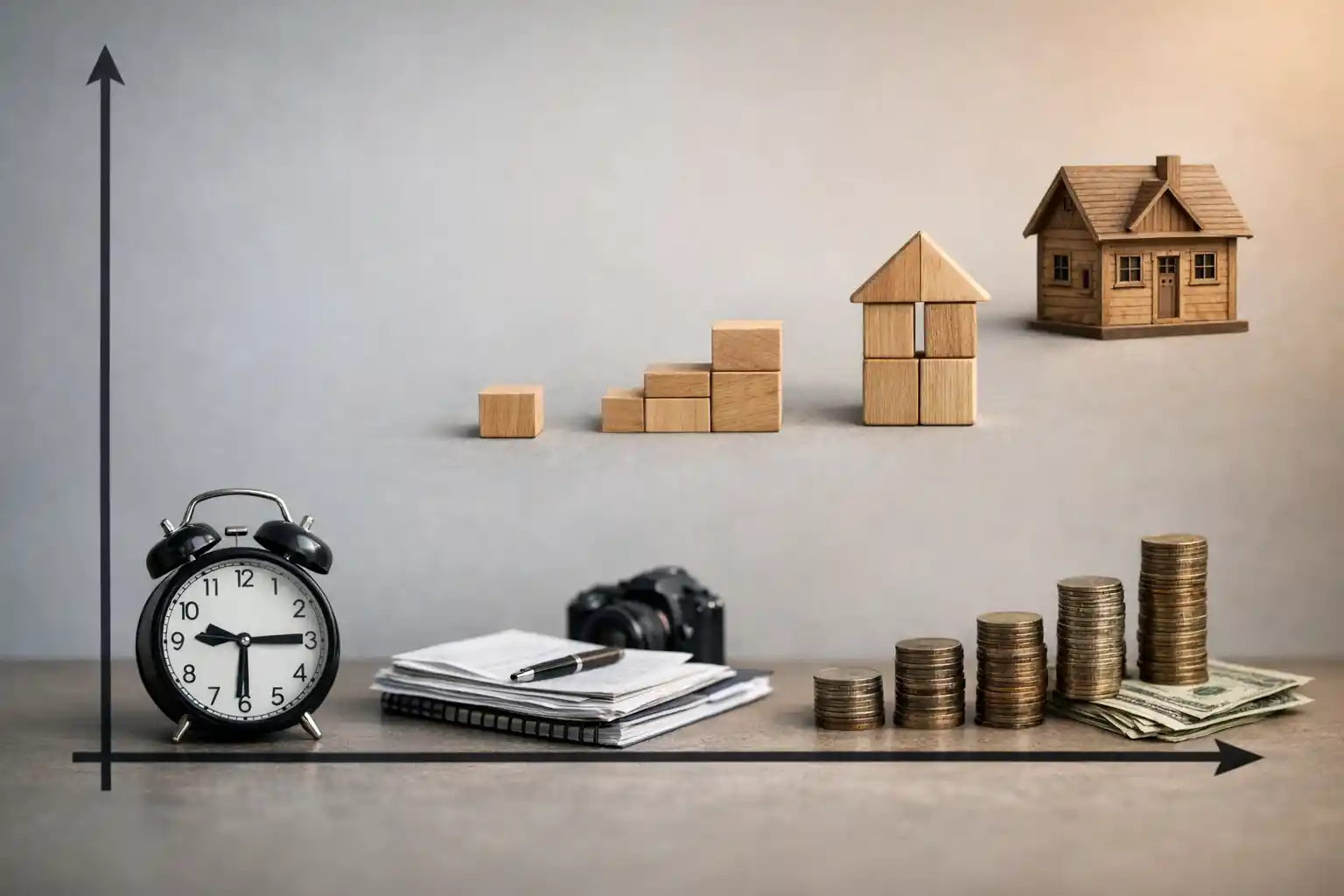
In the pursuit of efficiency, balancing the speed of drying with the quality of the finish is a critical consideration. While faster drying times can expedite project completion, they should not come at the expense of a smooth, durable finish. Selecting high-quality paints and following best practices ensures that both speed and quality are achieved. A cost-benefit analysis can provide insights into the trade-offs between different paint types, helping decision-makers choose the optimal solution.
Investing in professional painting services can also enhance the return on investment by delivering a superior finish that lasts longer. This approach minimizes the need for frequent touch-ups or repaints, ultimately saving time and resources in the long run. By calculating the long-term cost savings of reduced maintenance, property owners can better understand the financial benefits of investing in quality paint jobs.
Long-Term Cost Implications
The cost implications of exterior painting extend beyond the initial investment. A well-executed paint job with proper drying and curing can significantly enhance the curb appeal and value of a property. Conversely, cutting corners or neglecting best practices can lead to costly repairs and maintenance down the line. For instance, a detailed lifecycle cost analysis can highlight the financial advantages of investing in quality materials and workmanship upfront.
By prioritizing quality and adherence to optimal drying practices, homeowners can achieve a lasting, attractive finish that withstands environmental challenges and provides substantial long-term value. Implementing a maintenance schedule and adherence to best practices can further prolong the life of the paint job, maximizing the return on investment.
Residential vs. Commercial Painting: Drying Time Differences
Scale and Project Complexity
The drying time considerations for residential and commercial painting projects differ due to variations in scale and complexity. Commercial projects often involve larger surface areas and multiple building materials, requiring careful coordination of drying times and paint types. For instance, large commercial projects may necessitate the use of scaffolding and specialized equipment to manage drying times across extensive surfaces.
Residential projects, while typically smaller in scale, can benefit from the same attention to detail and planning. By understanding the unique requirements of each project type, painters can optimize drying times and achieve consistent, high-quality results across all surfaces. Leveraging project management software can aid in coordinating tasks and resources efficiently, ensuring timely completion.
Material Choice Impacts
The choice of materials used in painting projects significantly impacts drying times and overall outcomes. Commercial projects may involve specialized coatings designed for durability and resistance to environmental factors, while residential projects might prioritize aesthetic appeal and ease of maintenance. For example, using elastomeric coatings in commercial settings can offer superior flexibility and weather resistance, extending the lifespan of the paint job.
Selecting the appropriate materials for each project type is essential for achieving optimal drying and curing results. By aligning material choice with project goals and environmental conditions, painters can ensure that both residential and commercial projects meet the highest standards of quality and performance. Engaging in supplier partnerships can provide access to the latest materials and technologies, enhancing project outcomes.
Integrating Fence and Trim Painting into Your Project
Coordinating Drying Times for Multiple Surfaces
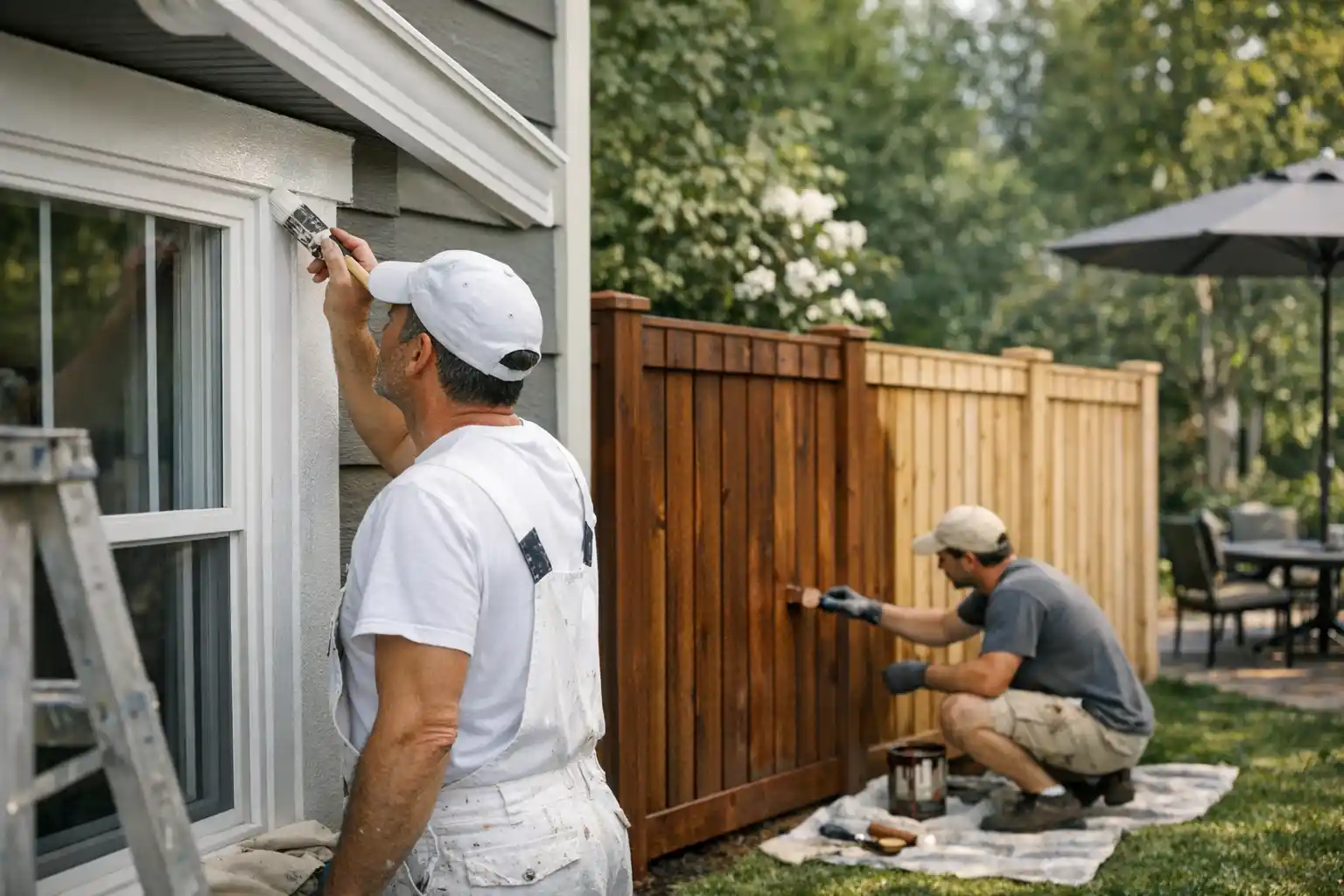
Coordinating drying times for fences, trim, and walls in a single project requires careful planning and execution. Each surface may require different paint types and drying conditions, necessitating a strategic approach to ensure consistent results across all areas. For instance, using different primers for metal and wood can optimize adhesion and drying outcomes.
By assessing the unique requirements of each surface and scheduling painting activities accordingly, painters can achieve uniform drying and curing. This attention to detail minimizes the risk of issues such as peeling or uneven finishes, resulting in a cohesive and visually appealing exterior. Utilizing cross-functional teams can enhance collaboration and efficiency, ensuring all surfaces are treated appropriately.
Special Considerations for Trim
Trim painting presents unique challenges due to its intricate details and exposure to environmental elements. Proper surface preparation, including sanding and priming, is essential for achieving a smooth, durable finish that complements the overall paint job. For example, using fine-grit sandpaper can smooth out imperfections, creating an ideal surface for paint application.
Using high-quality trim paint that offers enhanced durability and weather resistance can further optimize drying and curing outcomes. By addressing these special considerations, painters can ensure that trim surfaces maintain their aesthetic appeal and protective qualities over time. Implementing quality control checks throughout the process can enhance the reliability of the final result, ensuring client satisfaction.
Ensuring Quality and Trust with Professional Services
Benefits of Hiring Licensed Contractors
Hiring licensed painting contractors offers numerous benefits, including expertise, reliability, and peace of mind. Licensed professionals adhere to industry standards and best practices, ensuring that every aspect of the painting process is executed with precision and care. For example, licensed contractors are often required to undergo continuous training, keeping them updated on the latest techniques and safety protocols.
At Cover Pro Painting, we pride ourselves on delivering exceptional results backed by our licensing, bonding, and insurance. Our commitment to quality craftsmanship and customer satisfaction ensures that every painting project is completed to the highest standards, providing homeowners with the confidence and trust they deserve. By maintaining transparent communication with clients, we build lasting relationships and deliver consistent outcomes.
Cover Pro Painting's Commitment
At Cover Pro Painting, our dedication to quality and professionalism is reflected in every project we undertake. From thorough surface preparation to meticulous application and follow-up, we prioritize customer satisfaction and the long-term success of each paint job. For instance, our detailed project reports provide clients with insights into the work completed and future maintenance recommendations.
Our five-year workmanship warranty on exterior projects exemplifies our confidence in the quality of our work. By choosing Cover Pro Painting, homeowners can rest assured that their property is in the hands of experienced professionals who are committed to delivering outstanding results every time. Our focus on continuous improvement and investment in the latest technologies ensures that we remain at the forefront of the painting industry.
Frequently Asked Questions
How has paint technology improved drying times?
Recent advancements in paint formulas have significantly sped up drying times, incorporating technologies like quick-dry latex and enhanced chemical compositions.
What are the best conditions for exterior paint drying?
Ideal conditions include temperatures between 50°F and 85°F with low humidity, avoiding direct sunlight or windy days for optimal drying.
How does Seattle's climate affect paint drying?
Seattle's frequent rain and high humidity can extend drying times and increase the risk of issues like mildew growth or paint wash-off.
What are the risks of painting in humid conditions?
Humid conditions can slow evaporation, leading to extended drying times and potential issues like an uneven finish or improper curing.
Can faster drying paint affect the quality of finish?
While faster drying paint can expedite project completion, it should not compromise the finish quality if high-quality materials and best practices are used.
Why is it important to hire a licensed painting contractor?
Licensed contractors offer expertise and reliability, adhering to industry standards to ensure a high-quality, professional painting service.
