
%201.svg)


How Long Does Interior Paint Take to Dry: A Homeowner’s Guide to Drying, Recoat, and Cure Times
Understanding how long interior paint takes to dry is one of the most important parts of planning a painting project. The quick answer to the common question "how long does interior paint take to dry" is that most interior paints dry to the touch within a few hours, but the full drying process continues long after the walls feel dry. Every type of paint has its own dry time, recoat time, and curing time, and these stages determine how your finish will look and how long it will last. At Cover Pro Painting, we take this process seriously because the right timing is what delivers exceptional results, smooth walls, and a finish that truly holds up. Whether you are using latex paint, acrylic paint, or oil based paints, knowing the ideal wait time before the next layer or before moving furniture ensures the best results.
Why Paint Drying Time Matters for a Flawless Interior Finish
A successful painting project depends on more than just applying a coat of paint. Proper dry time affects adhesion, sheen uniformity, and long term durability. Many homeowners see freshly painted walls and assume the paint is fully dry, but dry to the touch does not mean fully cured. When you rush the process by adding a second coat too soon or placing furniture back too early, you risk an uneven finish, peeling, or scuffing. Since interior paint needs time to evaporate adequately and form a stable film, this period cannot be rushed. Our professionals understand how humidity, temperature, air circulation, and surface type impact drying times, and that knowledge is what helps us deliver consistent, beautiful results.
Understanding the Three Stages of Paint Drying
Dry to the Touch
This is the first stage of paint drying and typically happens within one hour to several hours depending on the type of paint. Latex paint and acrylic paint often dry to the touch within one hour or two hours, while oil based paints take longer. Even though the paint may feel dry, this stage does not indicate that the paint can withstand friction, moisture, or pressure.
Recoat Time
Recoat time refers to when you can safely apply the next layer without disturbing the first coat. Most interior paints recommend a two to four hours wait for latex paint and a much longer wait for oil based paints. If the first coat is still soft underneath, adding more coats too soon can cause streaking or an uneven finish.
Full Cure Time
The full cure or fully cured stage is when paint reaches its maximum hardness. During this period, the curing process allows the coating to dry completely and gain strength. Latex paint usually needs two to four weeks to fully cure, while oil based paints may cure in about one week. Even after the walls feel dry, the curing time continues beneath the surface, which is why homeowners need to wait before washing walls, hanging shelves, or placing furniture directly against fresh paint.
How Long Does Interior Paint Really Take to Dry
Latex and Acrylic Paint
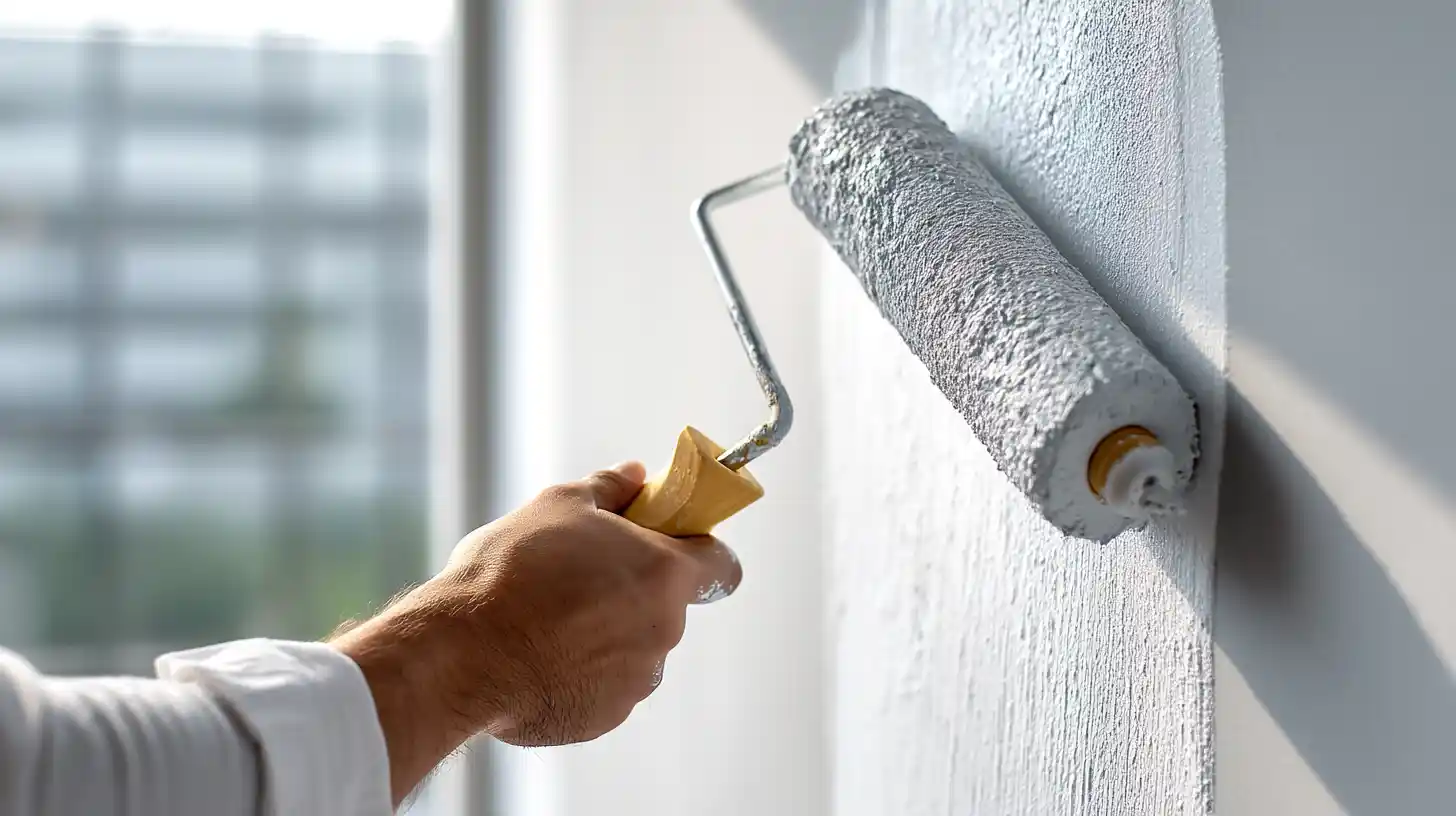
Latex paint is the go to choice for most interior paints because it dries quickly, has low odor, and delivers a smooth finish. Here is how long it typically takes:
- Dry to the touch: one hour to two hours
- Recoat time: two to four hours
- Full cure: two to four weeks
Because this type of paint dries quickly and performs well on most interior surfaces, homeowners prefer it for bedrooms, living spaces, offices, and common areas.
Oil Based Paints
Oil based paints offer durability and a classic smooth finish, especially on trim, cabinets, and doors. However, their dry time is slower:
- Dry to the touch: six to eight hours
- Recoat time: eight to twenty four hours
- Full cure: seven days or longer
Although slower to dry fully, the toughness and longevity make oil based coatings an excellent option for high traffic trim and detailed woodwork.
Specialty Paints and Primers
Some coatings such as stain blocking primers, moisture resistant paints, or high build products take longer to dry and cure. The type of paint plays a major role in determining how long paint takes to dry, and manufacturer instructions always provide recommended drying times.
Factors That Impact Drying Times
Temperature and Humidity Levels
Humidity and temperature influence how quickly paint can evaporate adequately. When humidity and temperature levels are high, water vapor in the air slows drying significantly. Ideal drying conditions for most interior paints range from 65 to 80 degrees. In the Pacific Northwest, high humidity can extend dry time, which is why our team carefully monitors conditions.
Airflow and Ventilation
Good ventilation supports the drying process by helping moisture escape. Opening windows can help paint dry faster, but only when outdoor humidity is low. Using air conditioning, fans, or dehumidifiers improves air circulation and helps paint dry fully. However, too much airflow can create texture issues, so balance is key.
Application Thickness
A heavy, uneven coat of paint takes longer to dry completely than thin, even coats. One thick coat can trap moisture and delay the entire process. Thin coats always dry faster and provide a smoother finish.
Surface Type
Different surfaces absorb paint differently. Raw drywall, bare wood, or porous materials absorb moisture quickly, while smooth surfaces slow the process. The surface plays a major role in determining how long paint takes to dry.
Paint Quality
Professional grade water based paints and high quality oil based products have more controlled drying behavior. These premium coatings dry more consistently and produce better long term results.
How to Tell If the Paint Is Truly Dry
A freshly painted room may look fully dry long before it is ready for normal use. A cool or tacky feel indicates the underlying layers still contain moisture. If the finish has uneven sheen or fingerprints appear easily, the paint is not ready for a second coat. The difference between feeling dry and being truly ready for use can be several hours.
When You Can Safely Use the Room Again
Light Foot Traffic
You can usually walk through a room once the paint is dry to the touch, but it is important not to brush against the walls. Avoid leaning furniture or objects against painted surfaces until later in the drying process.
Moving Furniture
Most latex paint requires a forty eight to seventy two hours wait before placing furniture back in place. This prevents impressions, peeling, or smudges. Furniture with hard edges can damage uncured paint easily.
Hanging Wall Items
Wait at least one week before hanging artwork, shelves, or hooks. This avoids puncturing or sticking to uncured paint.
Cleaning Walls
Do not clean or scrub walls until they reach full cure. Washing too early can damage the finish.
Tips to Help Paint Dry Faster Safely
- Increase airflow with proper ventilation, fans, or air conditioning
- Reduce humidity with dehumidifiers
- Apply thin coats instead of one thick coat
- Maintain a consistent temperature in the room
- Choose fast drying interior paint formulas
While there are ways to speed up dry time, rushing the process increases the risk of defects. A balanced environment allows the paint to dry and cure properly.
Common Mistakes Homeowners Make When Assessing Dry Time
- Adding a second coat before the first coat dries
- Painting during high humidity or temperature fluctuations
- Touching walls to test dryness
- Moving furniture too soon
- Skipping proper ventilation
These mistakes can impact drying times and compromise the final finish. Professional painters know how to avoid these issues and maintain ideal drying conditions.
How Professional Painters Control Paint's Dry Time
Professional crews understand how the drying and curing process works at every stage. We monitor air movement, apply each coat at the right thickness, and adjust ventilation or temperature as needed. Our knowledge of different paint types ensures each coat of paint dries quickly but properly. This attention to detail is what leads to long lasting finishes that homeowners appreciate.
Interior Paint Drying Time Chart, Quick Reference
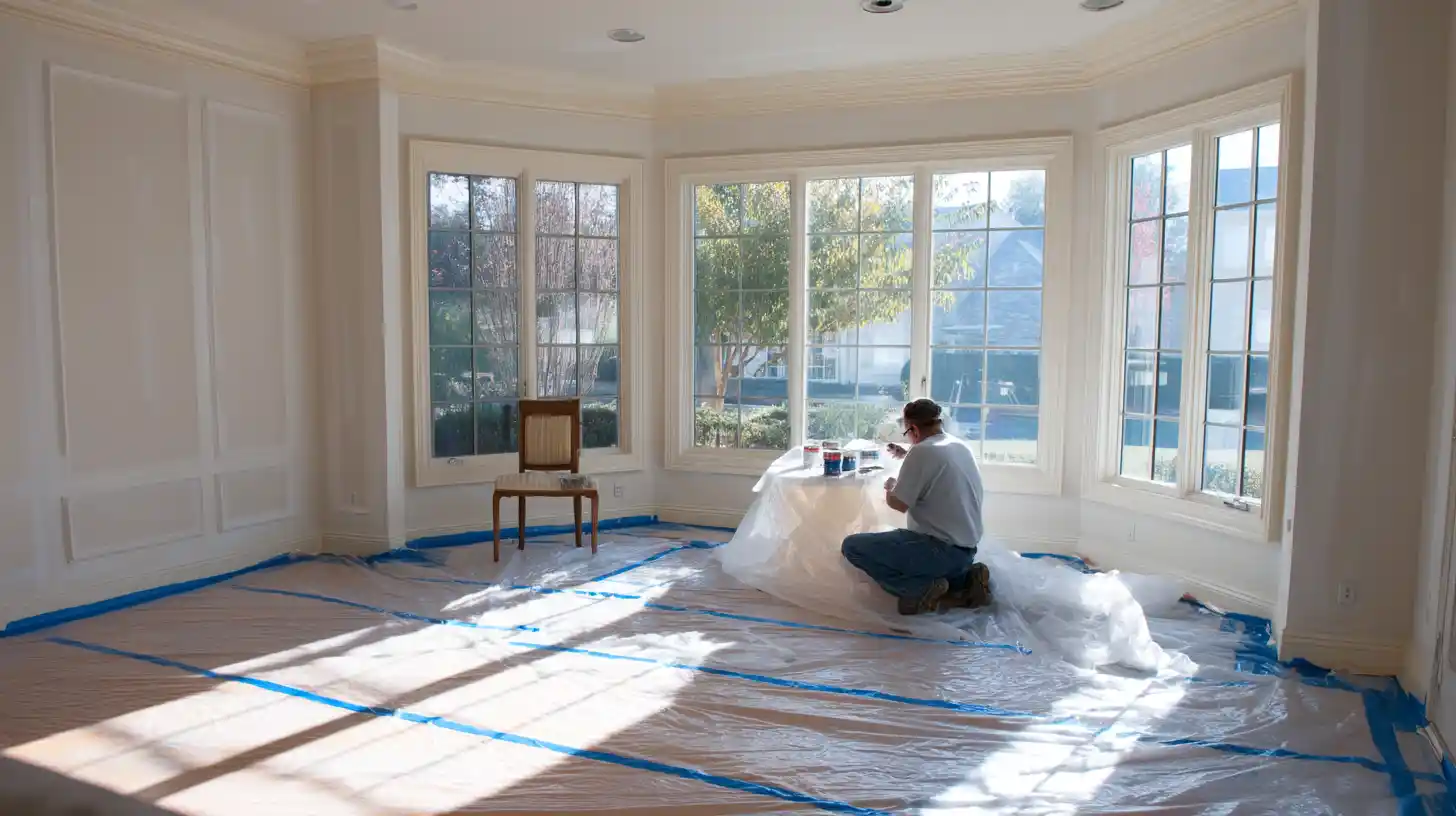
Here is a quick reference for drying times based on paint type:
- Latex and Acrylic Paint:
- Dry to the touch: 1 to 2 hours
- Recoat time: 2 to 4 hours
- Full cure: 2 to 4 weeks
- Oil Based Paints:
- Dry to the touch: 6 to 8 hours
- Recoat time: 8 to 24 hours
- Full cure: 7 days or more
- Specialty Coatings:
- Drying and curing times vary depending on the specific product and formulation
When to Call a Professional Painting Company
If you want the best results with no guesswork, hiring a professional team ensures the correct dry time and curing time are followed at every stage. Professionals understand how humidity, temperature, air movement, and paint type influence drying. They also know when a second coat is safe to apply and how to prevent an uneven finish. For homeowners in Edgewood, Tacoma, Bellevue, Kent, Auburn, Puyallup, and the surrounding areas, Cover Pro Painting provides reliable workmanship and exceptional results.
Why Homeowners Across Puget Sound Trust Cover Pro Painting
Our team brings more than one hundred years of combined experience to every painting project. From proper ventilation to precise application, we treat each room with care. We use high quality materials, communicate clearly, and maintain a clean work area. Fresh paint should enhance your home for years, and our techniques support that long lasting finish. Whether you need interior paint for a single room or a full home, our team ensures a smooth, beautiful result.
FAQs About How Long Interior Paint Takes to Dry
Does paint dry faster with windows open?
Sometimes. If humidity is low, windows open helps. When humidity is high, it slows the drying process.
Why do my walls feel dry but still mark easily?
They are dry to the touch but not fully cured. The curing process continues underneath the surface.
How long does it take to apply a second coat?
Most latex paint needs two to four hours. Oil based paint needs a longer wait.
Is it safe to sleep in a freshly painted room?
With low VOC paint and good ventilation, it is usually safe after several hours.
Why does trim paint take longer?
Application thickness, gloss level, and paint type affect trim more than walls.
What happens if I move furniture too soon?
You risk marking or pulling the paint from the surface because it is not fully cured.
Ready to Refresh Your Home? Request a Free Estimate
If you want a long lasting, smooth, durable paint finish, our team is ready to help. Cover Pro Painting proudly serves homeowners across the Puget Sound region and brings dedication, craftsmanship, and expertise to every project. Contact us today for a free estimate and discover how easy it is to transform your home with professionals who care.
