
%201.svg)


How Long Does Exterior Paint Take to Dry? A Homeowner’s Guide
.webp)
Homeowners planning an exterior painting project almost always ask the same question: how long does exterior paint take to dry? It is a fair concern. Exterior paint protects your home, improves curb appeal, and represents a major investment. Drying time affects when work can start, how long crews stay on site, and how soon your home’s exterior can handle weather, touch, and daily use. The challenge is that paint dries in stages, and many problems happen when those stages are misunderstood. As a local painting contractor working in real weather conditions, we plan every exterior paint job around drying time so the paint adheres properly and performs long term.
Here’s a Quick Answer

Most exterior paint is dry to the touch in about one hour under mild temperatures and low humidity. A second coat is usually safe after four hours. Exterior paint takes much longer to dry completely and fully cure, often two to three weeks, and sometimes longer depending on the paint type and weather conditions. Cool nights, high humidity, and unexpected weather can extend the drying time.
What Does “Dry” Mean When It Comes to Exterior Paint?
Understanding drying stages is critical for a successful painting project. When homeowners ask how long does exterior paint take to dry, they are usually thinking of one stage, but there are several.
Dry to the Touch
Dry to the touch means the paint surface has formed a skin and does not feel sticky. Many latex paint products reach this stage in about an hour. Dry to the touch does not mean the paint is ready for rain, heavy use, or another coat. Wet paint can still exist underneath that surface layer.
Recoat Time
Recoat time is when it is safe to apply the next coat. For most exterior painting projects, this window is around four hours. Applying a second coat too early can trap moisture and cause premature failure. Waiting too long can also affect paint adhesion, depending on the product.
Full Cure Time
Curing is when paint reaches maximum hardness and durability. Exterior paint takes weeks, not days, to fully cure. During the curing process, the paint continues to strengthen and resist wear. Freshly painted surfaces are more vulnerable until this stage is complete.
Average Exterior Paint Dry Times Under Ideal Conditions
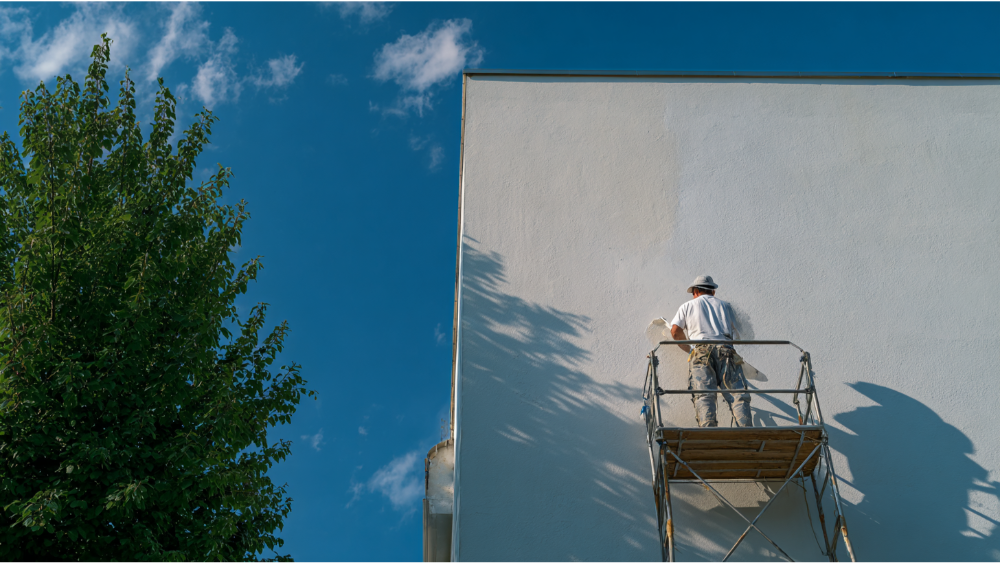
Under ideal conditions—mild temperatures, low humidity, and steady airflow—exterior paint dries in predictable stages. Dry to the touch often occurs within one hour. A second coat can usually be applied after four hours. Paint should have adequate drying time before exposure to light rain or dew, typically four hours or more. Full curing often takes two to three weeks, though some products may take up to a few days longer or closer to a month.
These timelines assume proper surface preparation and correct application. They also assume the paint type is designed for exterior surfaces. Interior paint behaves differently and should never be used outside.
Factors That Affect How Long Exterior Paint Takes to Dry
Several factors influence how long exterior paint takes to dry. Ignoring them can lead to paint that dries slower, cures improperly, or fails early.
Temperature
Temperature has a major impact on how paint dries. Cooler temperatures slow evaporation and the chemical reactions that allow paint to harden. Low temperatures at night are especially important. Even if daytime conditions are acceptable, a sharp drop can affect drying time.
Humidity and Moisture
High humidity slows the drying process because moisture in the air prevents water-based paints from evaporating efficiently. Excessive moisture can also settle on paint that feels dry but has not cured. Low humidity allows paint to dry more predictably.
Sunlight and Shade
Direct sunlight can speed surface drying, but it can also cause paint to dry unevenly. Shaded walls dry slower but often more evenly. A humid day combined with direct sunlight can create problems if paint skins over too quickly.
Wind and Airflow
Gentle airflow helps paint dry properly. Strong wind can cause uneven coverage, overspray, and debris sticking to wet paint. Wind also affects how quickly moisture leaves the paint surface.
Thickness of Application
Heavy coats dry slower than thin, even coats. Multiple coats applied correctly will dry and cure better than one thick application. Most paints are designed to be applied in layers.
How Long Should Exterior Paint Dry Before Rain?
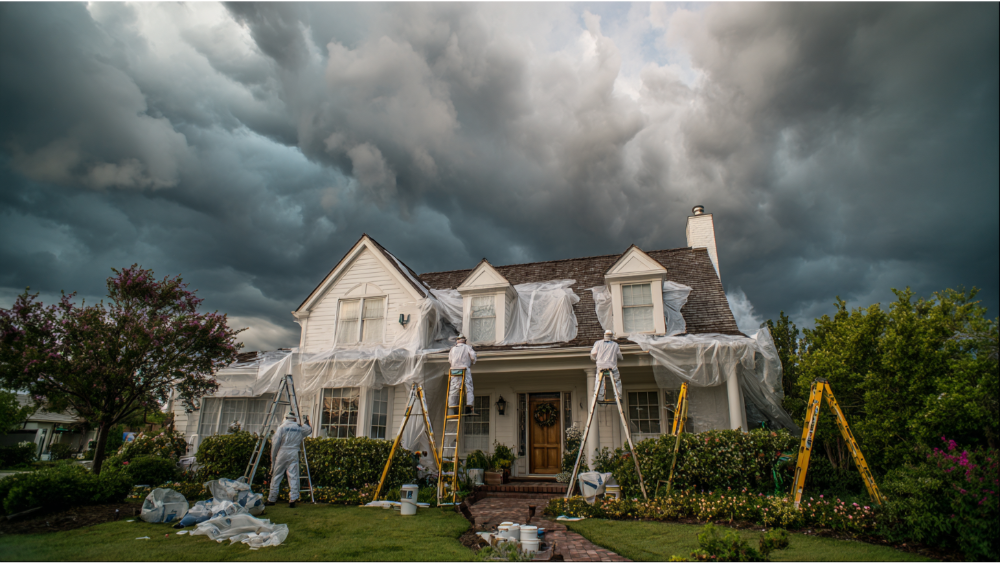
Paint needs protection from moisture even after it is dry to the touch. Most exterior paint needs at least four hours before it can resist light rain. A sudden rainstorm during this window can damage the paint surface. Dew is just as risky as rain. Professional painters monitor the weather forecast closely and stop painting early enough to allow adequate protection before evening moisture sets in. Avoid painting if harsh or unexpected weather is likely.
How Long Before You Can Touch, Use, or Put Things Back?
Touching Doors, Trim, and Railings
High traffic areas should be handled carefully for at least 24 hours. Dry to the touch does not mean ready for repeated contact. Fresh paint can dent or mark easily.
Reinstalling Fixtures and Hardware
Fixtures should usually wait at least a day before being reinstalled. This prevents damage to the paint surface and helps the paint dry evenly.
Letting Kids, Pets, and Furniture Near Painted Areas
Freshly painted surfaces should be protected from pets, kids, and furniture for 24 to 48 hours. Even after that, care should be taken until the paint fully cures.
How Long Does Exterior Paint Take to Fully Cure?
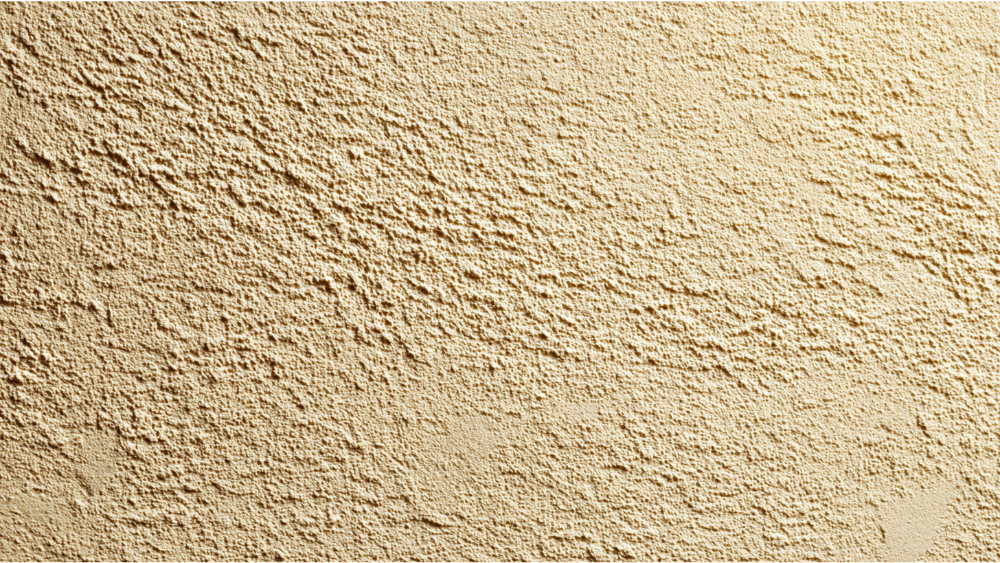
Curing properly takes time. Most latex paints cure in two to three weeks. Oil-based paint often takes longer to fully cure, sometimes up to a month. During the curing process, avoid washing the home’s exterior or scrubbing the paint surface. Paint reaches its maximum hardness only after curing is complete.
Why Professional Exterior Painting Dries More Reliably
Product Selection
Choosing the right paint matters. Different paint type options have different drying time requirements. Latex paint, oil-based paint, and specialty coatings all behave differently. Manufacturers like Sherwin-Williams and Benjamin Moore provide specific guidelines that professionals follow closely.
Proper Surface Preparation
A clean surface allows paint to adhere and dry properly. Loose paint must be removed, bare wood primed, and rough spots smoothed. Removing dirt and addressing rot prevents moisture from being trapped under the fresh coat.
Weather Planning and Scheduling
Professional painters adjust schedules based on environmental conditions. Cooler temperatures, high humidity, and low temperatures at night are all factored in. This planning helps prevent paint from drying too slowly or failing prematurely.
Exterior Paint Drying Mistakes Homeowners Often Make
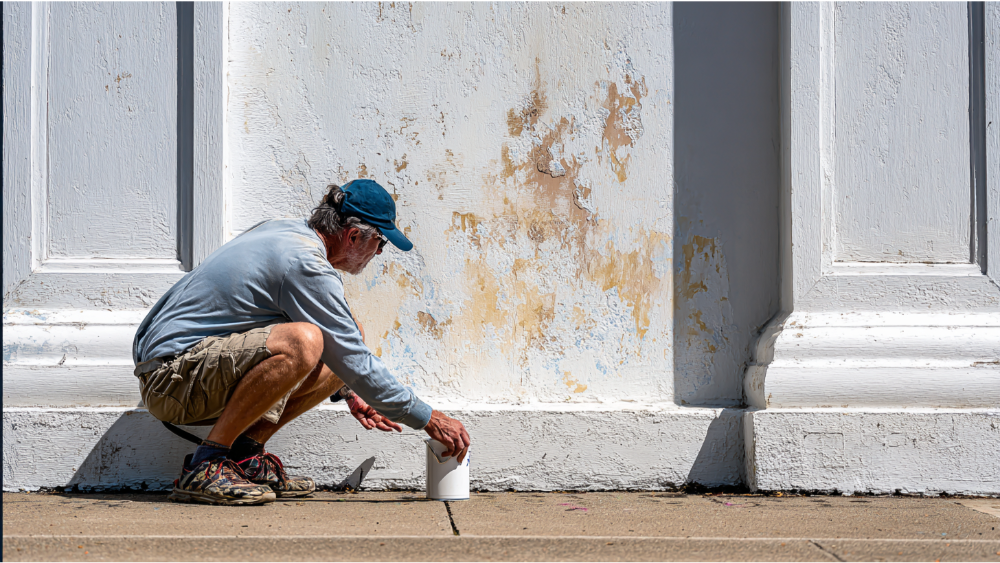
Many problems happen when homeowners rush the process. Painting too late in the day is common. Applying heavy coats to speed things up usually backfires. Ignoring weather conditions, especially humidity and dew, can ruin a paint job. Assuming paint that is dry to the touch is ready for use is another frequent mistake.
Exterior Painting in Washington State: What Homeowners Should Expect
In areas like Edgewood and throughout the South Puget Sound, weather conditions change quickly. Exterior painting projects require flexibility and experience. High humidity, sudden rainstorm risks, and cooler evenings are normal. Working with a local contractor who understands these conditions helps ensure a successful painting project.
What to Expect From a Properly Timed Exterior Paint Job
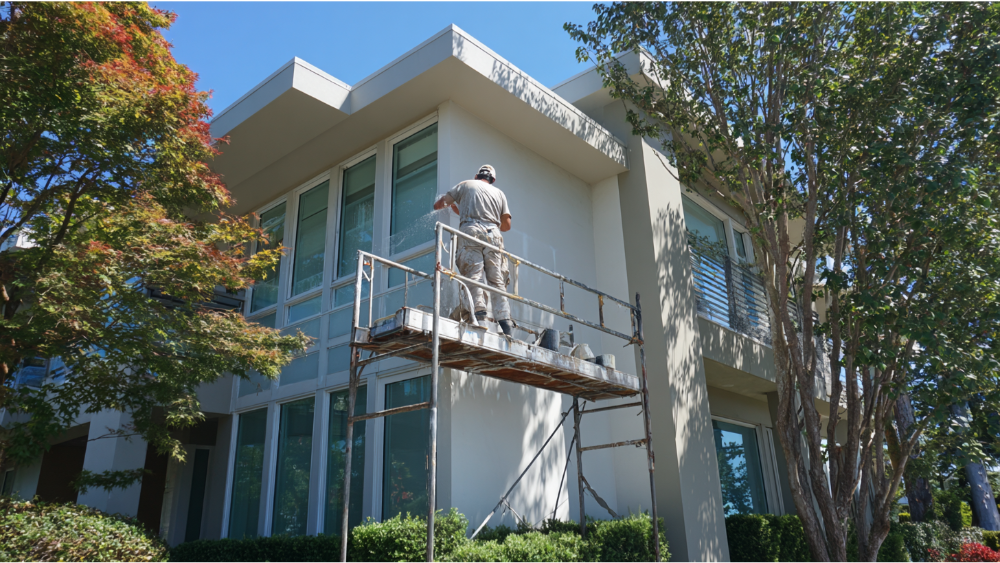
When drying time and curing properly are respected, paint adhesion improves and premature failure is avoided. A well-planned exterior paint job protects the home, improves curb appeal, and lasts longer. Exterior paint takes time to dry properly, but patience leads to better results.
FAQs About Exterior Paint Dry Time
How long does exterior paint take to dry in cold weather?
Cold weather slows drying time significantly. Exterior paint takes longer to dry and may not cure properly if temperatures drop too low.
Can exterior paint dry overnight?
Paint can continue drying overnight, but it must have enough time before moisture settles. Without that window, paint dries unevenly or fails.
How long before I can wash my house after painting?
Wait until the paint fully cures, usually two to three weeks. Washing too soon can damage fresh paint.
Does darker paint take longer to dry?
Darker colors can absorb more heat in direct sunlight, which may affect how the paint dries, but the paint type and conditions matter more.
Is it safe to paint outside in spring or fall?
Yes, but planning is essential. Mild temperatures during the day and cooler temperatures at night require careful scheduling.
How do I know if paint has not cured properly?
Soft spots, easy scuffing, or lingering tackiness weeks later can indicate curing problems.
Schedule Your Exterior Painting the Right Way
At Cover Pro Painting, every exterior painting project is planned around drying time, weather forecast review, and proper preparation. We help homeowners choose the right paint, apply multiple coats correctly, and protect the home’s exterior through every stage of the drying process. Our goal is a durable exterior paint job that looks good and holds up to Washington weather for years to come.
