
%201.svg)


How Long Before I Can Close the Door After Painting?
.webp)
Here’s a quick answer: how long before I can close the door after painting depends on the type of door paint, the conditions in and around your house, and how the painting project was done. A door may feel dry in a few hours, but that does not mean it is ready to be closed without risk. Most problems happen when wet paint or soft fresh paint is put under pressure too soon. This guide explains what really controls drying time, how long to wait, and how to protect your paint job so you get a smooth, flawless finish that lasts.
Here’s the Quick Answer
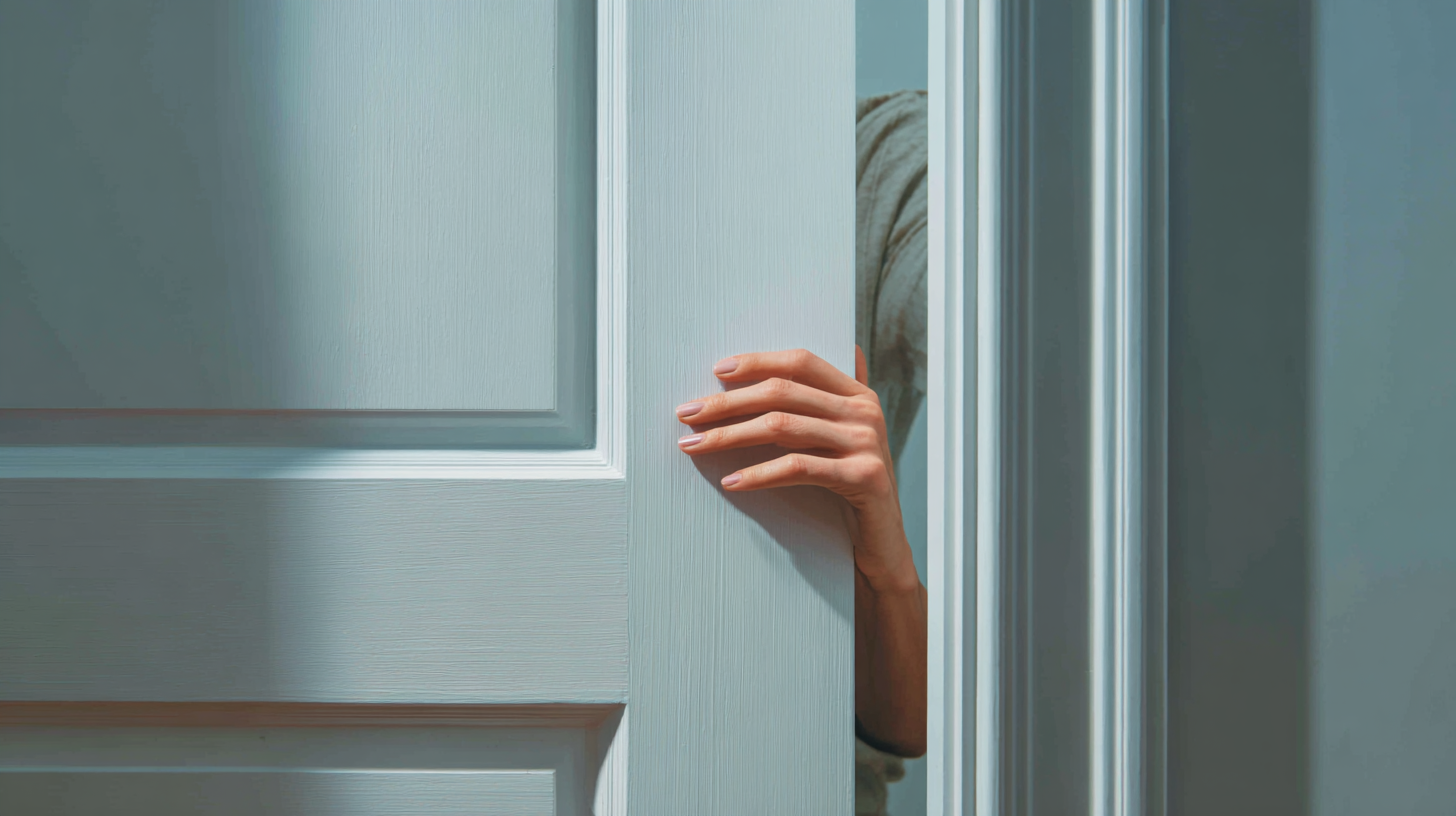
For most homeowners, keeping the door open longer than expected prevents damage. With fast drying products designed for doors, you may be able to close the door within a few hours. With standard latex paints, waiting at least 24 hours is usually safer. With oil based paints or waterborne alkyds, you may need 24 hours or more before closing and several days before the surface is fully cured. Exterior doors almost always need more time due to weather, humidity, and temperature changes. When in doubt, wait longer and let the paint dry completely.
Why Doors Are Different From Walls
A door is not a wall. A door moves, seals, locks, and rubs against other surfaces.
Pressure and Contact Points
Every time a door closes, the edge presses against the jamb, stops, hinges, and weather stripping. Even light pressure can cause fresh paint to stick or pull.
What Sticking Really Means
When paint sticks, it is usually because the surface has not hardened. The paint may look smooth and fine, but underneath it is still soft. Closing the door can create texture marks, pull paint from the surface, or leave stains on the frame.
Why Doors Show Damage Fast
Walls can sit undisturbed for days. A door gets used constantly, especially a front door or hallway door. That use tests the paint before it has had enough cure time.
Drying Time vs Cure Time
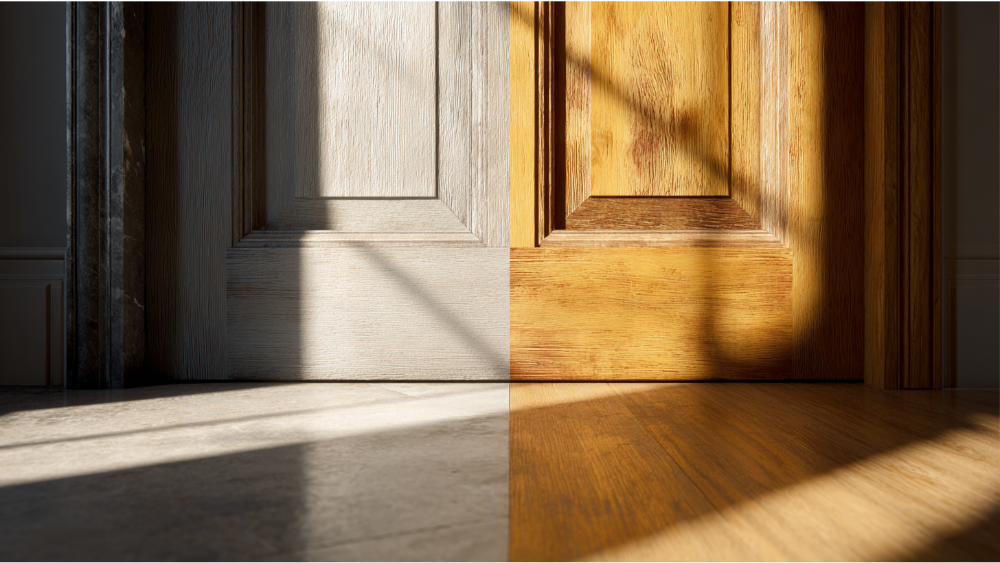
Understanding drying time is essential if you want to know when a door is safe to close.
Dry to the Touch
Dry to the touch means the surface no longer feels wet paint when lightly touched. This can happen in a few hours.
Recoat Window
Recoat time is how long to wait before applying the next coat. It does not mean the paint is hard.
Fully Cured Paint
Fully cured paint has reached its full hardness and durability. This can take days or weeks. Until the paint is fully cured, it can stick under pressure. Manufacturer's instructions often explain this difference, but it is easy to miss. Following those instructions is essential for a long lasting paint job.
How Long to Wait Before Closing a Door After Painting
Fast Dry Door Paint Products
Some modern door paint products are designed to harden quickly. Typical drying time before closing the door is one to two hours in ideal conditions. These products resist sticking better and are helpful for busy homes. A thin coat is important; heavy coats slow drying time. Even with these products, weather and humidity still matter.
Standard Latex Paints
Latex paints are commonly used but often misunderstood. They are dry to the touch in one to four hours. It is safer to close the door after 24 hours in many cases. Cure time can extend two to three weeks. Latex paints are more likely to stick if the door seals tightly or if weather stripping presses firmly against the surface.
Oil Based Paints and Waterborne Alkyds
Oil based paints and oil based hybrids level well and create a smoother finish. Drying time is slower than latex. Closing the door usually requires at least 24 hours. Oil based paint may feel dry but still be soft underneath. These paints reward patience and proper temperature control.
Interior Doors vs Exterior Doors
Interior Doors
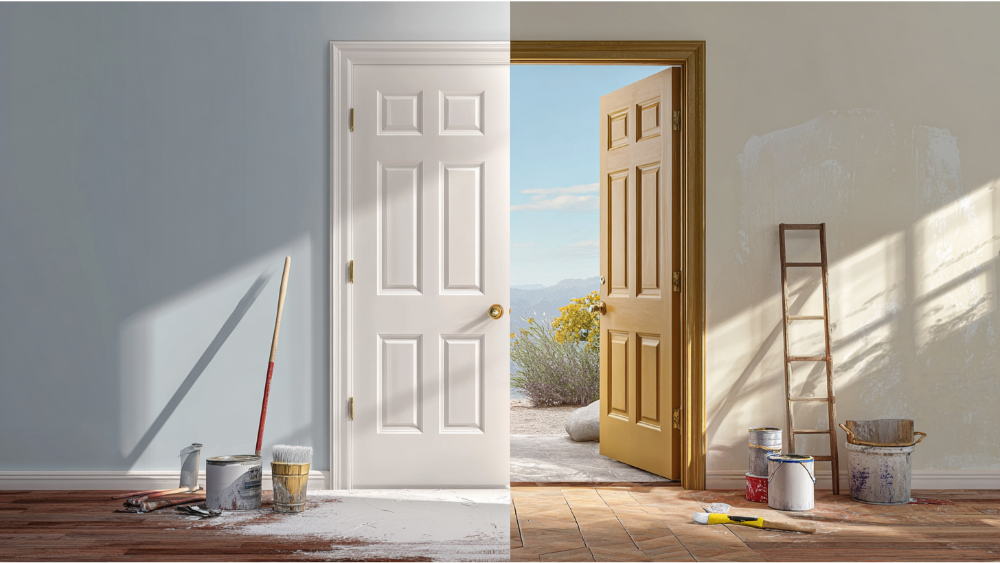
Interior doors benefit from stable temperature and lower humidity. Drying time is more predictable. Still, tight hinges and door edges can cause issues if closed too soon. Keeping the door open overnight is often safer.
Exterior Doors
Exterior doors face rain, humidity, and changing temperature. Morning dew and night cooling slow drying. Sun exposure can heat the surface unevenly. Exterior doors usually need longer wait periods before closing. A front door often needs extra care because it gets the most use.
Weather Conditions That Affect Drying
Temperature
Most paint products slow dramatically below 50 degrees. Cool nights extend drying time. Warm but not hot conditions are best.
Humidity
High humidity slows evaporation. Moist air keeps paint soft longer. Humidity is one of the biggest factors in the Pacific Northwest.
Rain and Weather
Rain does not need to hit the door directly to affect drying. Moist air after rain slows curing. Weather patterns should always be considered before starting the job.
What Happens If You Close the Door Too Soon
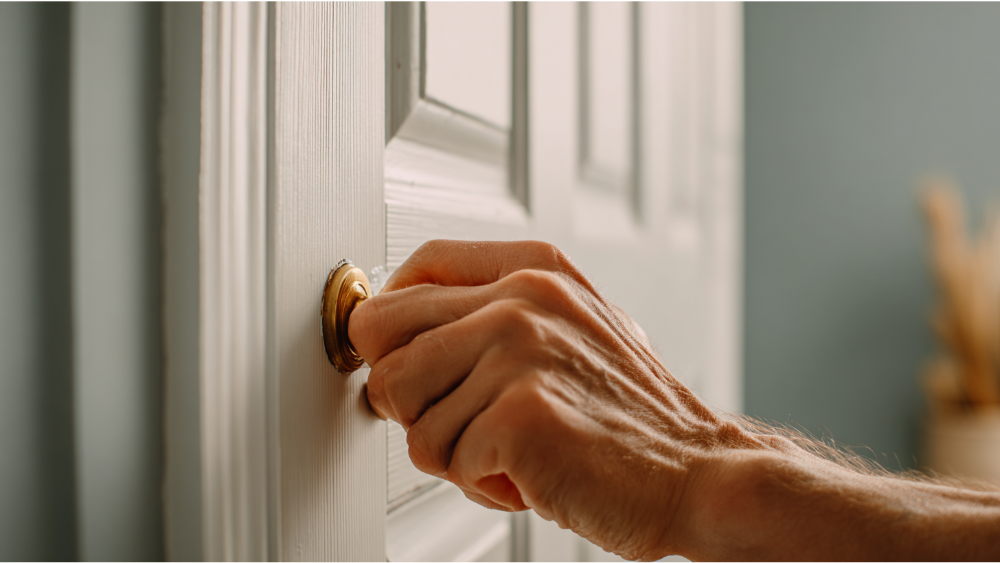
Closing a door early can undo hours of work.
Paint Sticking and Pull
The paint can stick to the jamb or weather stripping and pull away from the door surface.
Texture and Gloss Damage
High gloss, semi gloss, and satin finishes show damage more clearly. Once damaged, the surface may never look smooth again without sanding and repainting.
Shortened Lifespan
A damaged paint job wears faster and collects dust and stains more easily.
How Professionals Prevent Door Paint Problems
Professional painters plan every detail.
Proper Prep
Remove hardware when possible. Protect hinges and windows. Sand the wood or metal surface to create a smooth base. Use primer where needed to block stains and improve adhesion.
Application Techniques
Apply a thin coat and avoid overloading the brush. Use two coats instead of one heavy coat. Maintain a consistent edge to avoid lap marks.
Managing Contact Points
Weather stripping is inspected and adjusted. Doors may be left slightly open to stand without pressure. Plastic or protective materials may be used to cover nearby furniture.
Can You Speed Up Drying Time Safely?
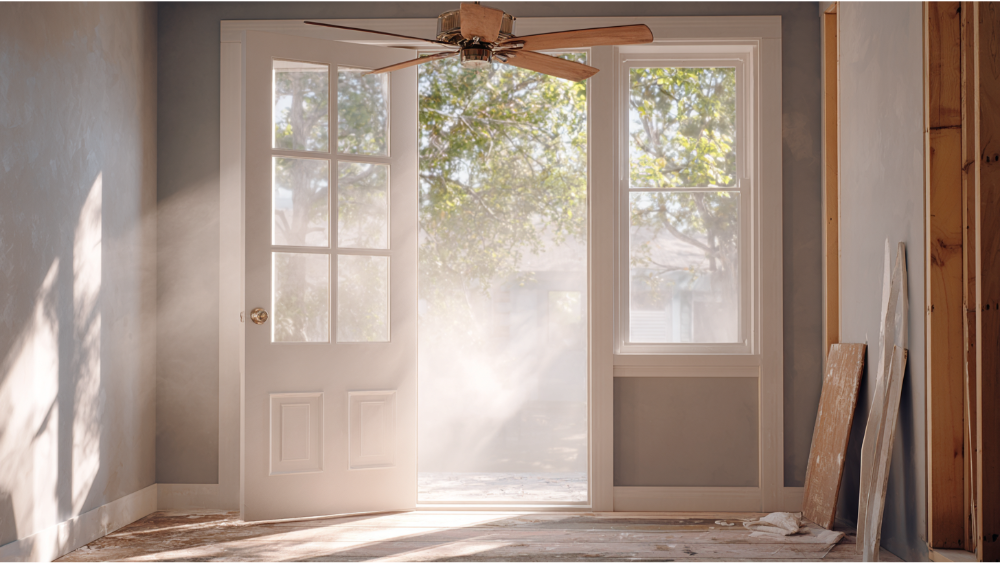
Some steps help, others hurt.
What Helps
Good airflow through windows. Moderate temperature control. Low humidity conditions.
What Hurts
Forcing heat directly on the door. Closing the door at night just to secure the house. Ignoring manufacturer's instructions.
Professional Approach
We plan the painting project around weather and allow proper rest between coats.
When Is It Safe to Lock the Door?
Locking adds pressure at the latch edge. Closing without locking is usually safer at first. Locking should wait until the paint has hardened further. For many doors, waiting 24 hours or more before locking is wise.
Signs the Door Paint Is Ready
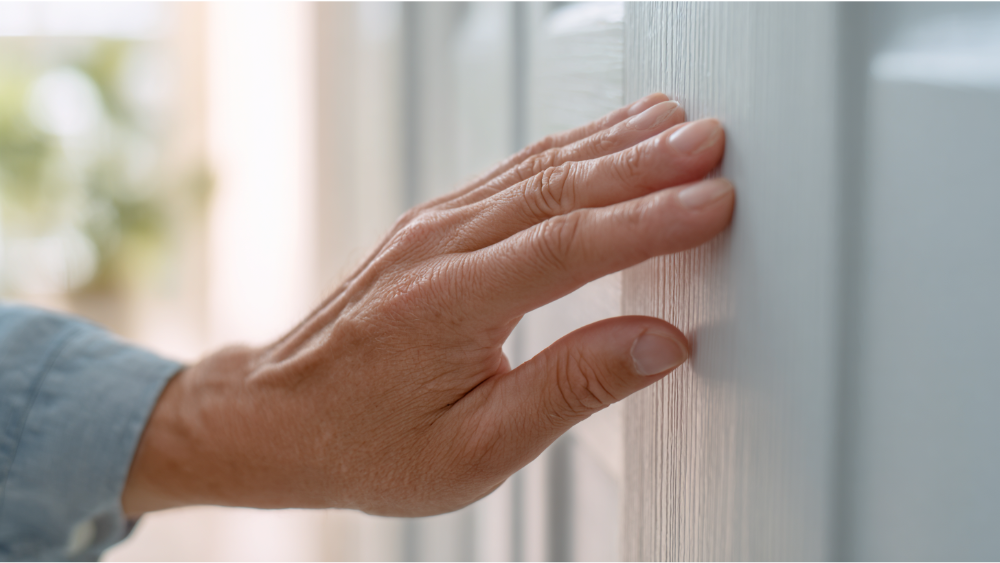
No tacky feel at contact points. The door closes smoothly without resistance. No gloss transfer to the frame. Time has passed according to drying time guidelines. If unsure, waiting another day is the safest answer.
Common Door Painting Mistakes
Using wall paint instead of door paint. Painting darker colors or bold hues without proper cure time. Skipping sanding between coats. Ignoring humidity and weather. Closing the door because it looks dry.
Common Questions Homeowners Ask
Can I Close the Door Overnight?
Sometimes, but only if conditions are ideal and the paint is designed for doors. Many exterior doors should remain open overnight.
Why Does the Paint Still Stick Days Later?
The paint is not fully cured. Temperature and humidity slow the process.
Should I Remove Hardware and Hinges?
Removing hardware helps create a cleaner finish and prevents sticking around hinges.
Does Gloss Level Matter?
Yes. High gloss and semi gloss show texture and damage more easily than lower gloss finishes.
When to Call a Professional
High traffic doors. Exterior doors exposed to weather. Doors with wood damage, metal issues, or tight tolerances. Homes where security makes leaving the door open difficult.
Final Thoughts
Knowing how long before I can close the door after painting protects your time, materials, and results. A door is one of the most used surfaces in a house, and it deserves patience. Allow the paint to dry, respect cure time, follow manufacturer's instructions, and plan around weather. The result is a smooth, durable, and flawless finish that looks good and performs well for years.
