
%201.svg)


How Do You Stop Rot From Coming Back? A Long-Term Fix for Western Washington Homes

Homeowners across Western Washington ask the same question every year, how do you stop rot from coming back once it has already damaged your home. The frustration is understandable. You remove rotted wood, patch it, paint it, and a few winters later the same spot looks rotten again. The reason this happens is not bad luck or bad paint. Rot is persistent because moisture is persistent. Until the conditions that allow rot to grow are removed, rot will return whether the repair was large or small.
This article explains, in clear terms, how to stop wood rot from coming back by addressing the root causes, not just the visible damage. It follows the same process we use when evaluating a house for wood rot repair, focusing on moisture control, proper removal, durable repair methods, and long term prevention. This approach protects the structural integrity of the home and helps homeowners feel confident instead of afraid that the problem will spread again.
Here’s a Quick Answer

You stop rot from coming back by eliminating moisture, removing all rotten wood down to dry and solid timber, repairing the area correctly, sealing and priming exposed surfaces, and maintaining good drainage and air movement around the house. Wood rot repair only lasts when moisture is controlled and the repaired wood can stay dry year round.
Why Rotted Wood Keeps Causing Problems
Rot is a moisture problem, not a paint problem
Wood rot is caused by fungus that feeds on damp wood. Paint alone does not stop rot. If moisture gets behind paint, seeps into cracks, or soaks into exposed wood fibers, fungus can grow and spread. Dry rot and wet rot both need moisture to survive. Without moisture, the fungus dies. With moisture, it keeps growing even if the surface looks sealed.
Many homeowners believe repainting will fix the problem, but paint only protects wood when the surface underneath is dry and stable. If rotted wood remains under the paint, the rot will continue to grow until it breaks through again.
Western Washington conditions that accelerate rot
Western Washington homes deal with frequent rain, long winters, high humidity, and limited airflow. Houses sit wet for months at a time. Shaded walls, nearby trees, and damp ground slow drying. Basements and crawl spaces often hold moisture that rises into walls and floors. These conditions allow wood rot, mold, and fungus growth to thrive if moisture is not controlled.
Step One — Eliminate the Moisture Source First

Stopping rot starts with stopping water.
Bulk water intrusion vs. humidity
Humidity alone rarely causes exterior wood rot. The real issue is bulk water from rain, standing water, snow melt, or runoff. Water enters through broken gutters, cracks around windows and doors, failed caulk joints, holes in siding, and roof to wall contact points. Once water gets inside the wall assembly, it can soak wood repeatedly.
Common moisture entry points homeowners miss
Common problem areas include the bottom edge of trim boards, window sills, door frames, fascia behind gutters, and areas where wood meets masonry or concrete. Cracks in siding, broken flashing, and soil piled against the house allow moisture to contact wood directly. When water can sit against wood, rot begins.
Why caulk alone is not enough
Caulk dries out, shrinks, and cracks. It is a temporary seal, not a permanent solution. If water relies on caulk to stay out, rot will return when the caulk fails. Proper drainage, flashing, and airflow are the best way to prevent rot long term.
Step Two — Remove All Rotten Wood Back to Sound Wood
You cannot fix rot without removing it.
Why partial repairs fail
Leaving behind minor rot or soft wood allows fungus to survive. It only needs moisture to reactivate. Even small pockets of rotten wood can spread into healthy timber nearby. Covering rot with filler or paint traps moisture and speeds up decay.
What sound wood actually means
Sound wood is dry, firm, and strong. It does not crumble, feel spongy, or smell musty. Dry wood will resist pressure from a screwdriver and hold screws properly. If the wood is damp, repairs should wait until it is fully dry.
When full board replacement is better than patching
When rot affects long sections, structural components, or repeated failure zones, it is often better to replace the whole thing. Replacing boards restores structural integrity and reduces the chance of hidden rot continuing to grow behind the repair.
Step Three — Use the Right Repair Method for the Location

Not every repair uses the same method.
Epoxy repairs: when they work and when they don’t
Epoxy works well for small areas of damage where the surrounding wood is solid and dry. After rot removal, a wood hardener can be applied to strengthen fibers, followed by epoxy to fill and shape the surface. Epoxy fails when used on damp wood or areas exposed to constant water contact.
Repair inserts and selective replacement
Cutting back to clean, square edges and inserting new wood creates a stronger repair. Treated lumber or pressure treated lumber is often used in high moisture areas. Inserts should be sealed on all sides before installation.
Pressure treated vs. rot resistant materials
Pressure treated lumber resists rot better than untreated wood, but it still needs to dry and be sealed. Treated lumber works best when moisture sources are controlled and airflow allows drying.
Step Four — Protect the Repair Before It’s Painted
Preparation determines how long the repair lasts.
Why end grain is a rot magnet
End grain absorbs water faster than any other surface. If left unsealed, it can soak moisture deep into the wood. This leads to rot forming from the inside out.
Back priming and sealing end cuts
All repair pieces should be sealed and primed on every surface before installation when possible. This includes the bottom edge, joints, and contact points. Sealing prevents water from soaking into the wood fibers.
Preservatives and borate treatments used correctly
Preservatives help kill fungus and prevent growth, but they are not a cure by themselves. They work best after rot removal and moisture control. Treatments should be applied to dry wood and allowed to cure properly.
Step Five — Use a Complete Paint System, Not Just a Topcoat
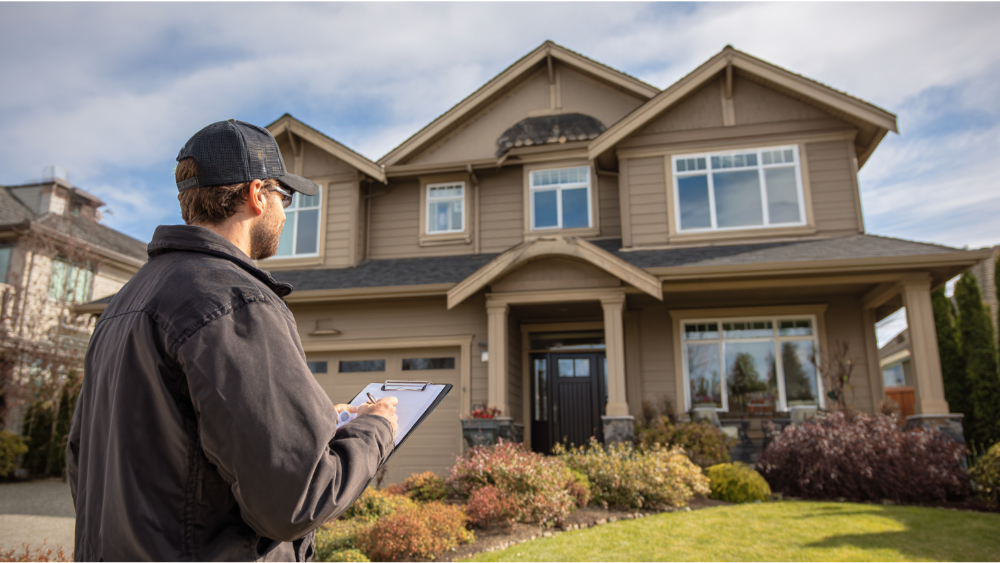
Paint protects wood when used correctly.
Why primer matters more at repair areas
Primer seals the surface and helps paint adhere. Without primer, paint can peel and crack, allowing moisture to return. Repairs should always be primed before finish coats.
Full coverage on trim, joints, and edges
Thin paint coverage leaves gaps. All edges, cracks, and joints need full coats of paint to seal the surface. Multiple coats improve durability and slow moisture intrusion.
Maintenance expectations in a wet climate
Even the best paint system needs maintenance. Homes in wet climates require inspections, touch ups, and repainting over time to prevent rot from returning.
Step Six — Improve Drying and Drainage Around the Home
Drying is just as important as sealing.
Gutters, downspouts, and splashback
Gutters should direct water away from the house. Standing water near the foundation increases moisture in walls, basements, and floors. Splashback from roof runoff soaks siding and trim.
Vegetation, soil grade, and airflow
Plants, trees, and soil piled against the house block air movement. Airflow helps wood dry after rain. Clearing vegetation reduces damp conditions and mold growth.
Crawl spaces and basements
Basements and crawl spaces often hold moisture that affects the entire house. Using a dehumidifier helps reduce humidity and keeps framing dry. Proper access and ventilation reduce long term moisture problems.
What a Rot Repair That Lasts Looks Like
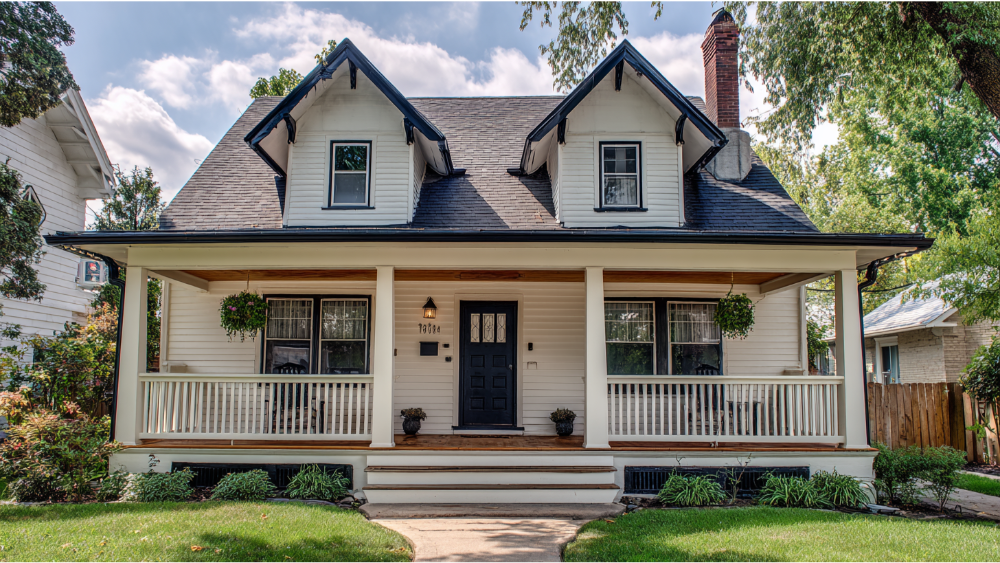
Signs of a quality rot repair job
A quality repair includes complete rot removal, dry wood, sealed surfaces, solid repairs, and smooth transitions. The repaired area should match the shape and function of the original wood.
Red flags homeowners should watch for
Painting over damp wood, filling holes without removal, or rushing repairs before curing are signs the rot may return. If moisture sources are not addressed, the repair will not last.
How Professional Rot Repair Prevents Repeat Damage
Inspection first approach
A proper inspection looks beyond the surface. Identifying where water enters helps stop rot permanently.
Integrated repair and painting process
When repair and paint are handled together, nothing is missed. Each step supports the next, creating a complete system.
Workmanship warranties and accountability
A warranty shows confidence in the repair process. Long lasting repairs protect the house and the homeowner’s investment.
FAQs About Stopping Wood Rot From Coming Back
Can wood rot come back after it’s repaired?
Yes. If moisture returns or rot removal was incomplete, rot can come back.
Is epoxy enough to permanently fix rot?
Epoxy works when used correctly on dry, sound wood and minor rot only.
Does painting stop rot completely?
No. Paint slows moisture but does not eliminate water intrusion.
How long should a rot repair last?
When done correctly, repairs should last many years.
Is rot repair worth it or should everything be replaced?
That depends on the extent of damage and structural integrity.
How do I know if my home has hidden rot?
Signs include peeling paint, musty smells, soft wood, mold growth, and repeated failures.
Final Thoughts — Fix the Cause, Not Just the Damage
Stopping rot is not about quick fixes. The best way to stop wood rot is to control moisture, remove all rotten material, repair properly, seal thoroughly, and allow wood to stay dry. When you fix the cause instead of covering the damage, rot does not come back.
