
%201.svg)


How Can I Tell If Wood Rot Is Surface Damage or Structural Damage?
.webp)
Here’s a quick answer: how can I tell if wood rot is surface damage or structural damage comes down to depth, softness, location, and strength. Surface-level wood rot affects wood surfaces and can often be repaired. Structural damage means the wood has lost strength and may no longer support wooden structures safely.
Why Understanding the Difference Matters for Homeowners

In Western Washington, wood is constantly exposed to rain, humid summers, and long periods of moist conditions. Wood rot is one of the most common issues we see on homes, decks, and fences. Knowing the difference between cosmetic rot damage and serious structural damage protects your home and your safety.
Minor repairs are possible when problems are caught early. When rot damage is left untreated, it can lead to significant structural damage, costly repairs, or even structural failure. Early detection helps maintain structural integrity and prevents further damage to your property.
What Is Wood Rot, Really?
Wood rot is the breakdown of wood fibers caused by fungal growth when moisture content stays high. It often affects untreated wood first but can attack any wood if excess moisture is present long enough.
What Causes Wood Rot
Wood rot starts with moisture buildup. Common causes include clogged gutters, poor ventilation, plumbing leaks, ground contact, and failed paint or caulking. When wood cannot dry out, fungi begin feeding on the wood, weakening it over time.
Types of Wood Rot Homeowners May Encounter
Homeowners often hear about dry rot and wet rot. Dry rot still requires moisture and spreads aggressively through wooden surfaces. Wet rot occurs when wood stays consistently damp. Brown rot, white rot, and soft rot are also common decay types.
- Brown rot causes wood to crack and become crumbly wood.
- White rot breaks down both cellulose and lignin, leaving wood stringy.
These decay types all affect wooden structures differently, but the key concern is how much structural integrity remains.
Surface Wood Rot Explained
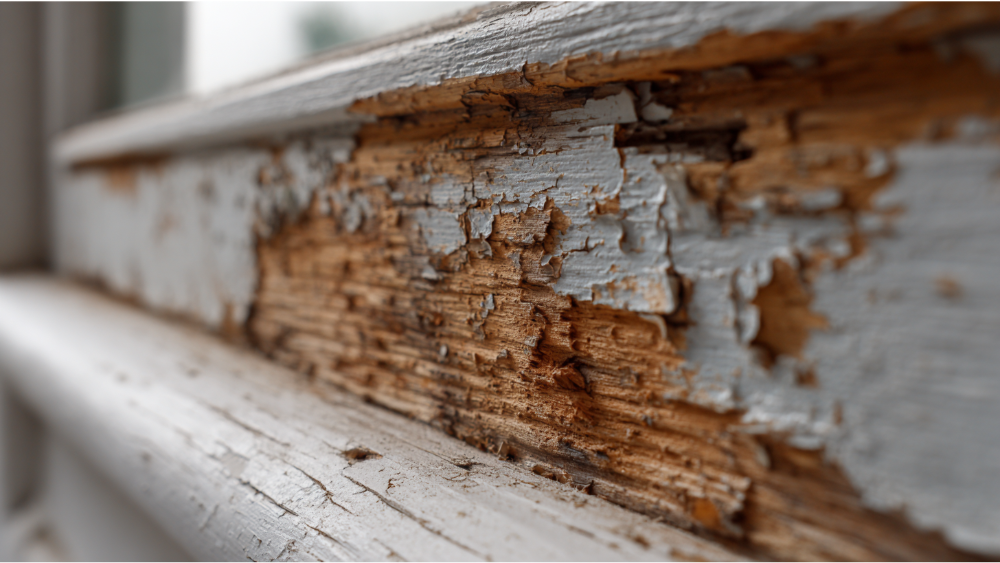
Surface rot is early-stage decay limited to the outer layer of wood.
What Surface Rot Looks Like
Surface wood rot often appears as peeling paint, dark patches, shallow cracking, or minor fungal growth on exterior trim or wood siding. The shape of the board usually remains intact.
How Surface Rot Feels When Tested
When probed with a screwdriver, surface rot may feel slightly soft but still resists pressure. The tool does not sink deeply, and the wood underneath feels firm.
Where Surface Rot Commonly Appears
Surface rot commonly shows up on exterior trim, fascia boards, fence posts, deck boards, porch railings, and decorative wood surfaces that are not load bearing.
When Surface Rot Can Be Repaired
Rot repair is possible when damaged wood is shallow, localized, and dry once exposed. Proper rot repair removes rotting wood completely, treats the area, restores the shape, and seals it with protective coatings to prevent further damage.
Structural Wood Rot Explained
Structural rot affects the strength of wood and compromises safety.
What Makes Rot Structural
Rot becomes structural damage when wood loses its ability to support weight, hold fasteners, or protect against water intrusion. This loss of strength directly impacts the structural integrity of wooden structures.
Visual Signs of Structural Rot
Signs of wood rot that suggest structural issues include warped boards, gaps at joints, sagging sections, missing wood, and severe damage around fasteners. Window sills and door frames are especially vulnerable because water often enters unnoticed.
Physical Test Results That Signal Structural Damage
If a screwdriver sinks easily, the wood feels spongy texture or soft texture, or the material breaks apart instead of compressing, structural damage is likely. Hollow sounding wood or a hollow sound when tapped can indicate internal decay.
Common Structural Rot Locations
Structural rot frequently affects wooden beams, deck posts, stair stringers, rim joists, fascia boards connected to rafter tails, window sills, door frames, and crawl spaces where moisture lingers.
Step-by-Step: How Homeowners Can Assess Wood Rot Safely
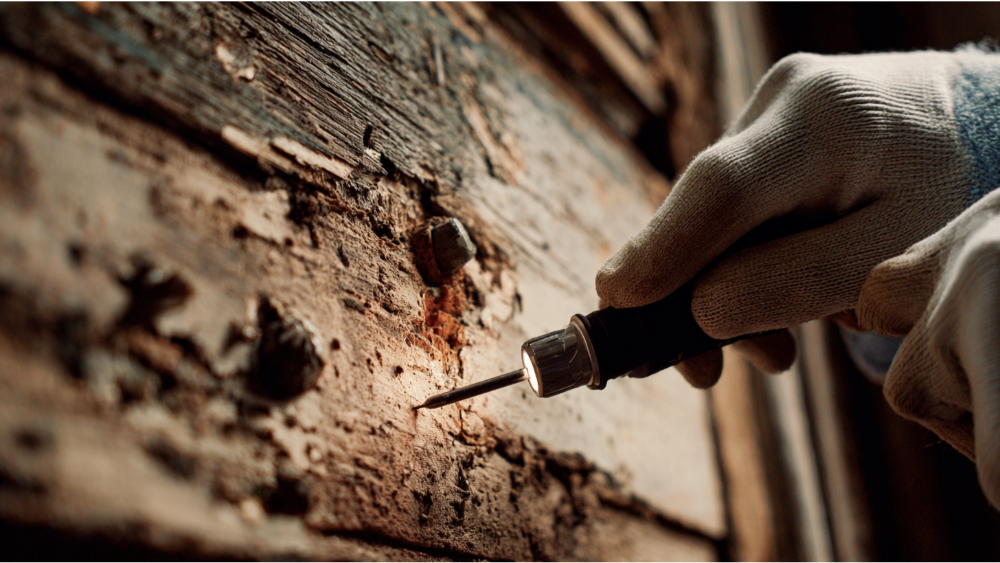
Step 1 – Visual Inspection
Look for signs of wood rot such as peeling paint, dark patches, fungal growth, or rotting wood. Pay attention to joints, seams, and end grain.
Step 2 – The Probe Test
Press a screwdriver into suspicious areas. Shallow resistance often indicates surface rot. Deep penetration, crumbly wood, or spongy texture signals deeper rot damage.
Step 3 – Evaluate the Wood’s Function
Determine whether the affected wood is decorative or structural. Load-bearing wooden structures demand a higher standard. Structural damage here can lead to serious structural damage.
Step 4 – Identify the Moisture Source
Rot repair will fail without controlling moisture. Look for clogged gutters, poor drainage, plumbing leaks, or ground contact. Ensure proper drainage and airflow to reduce moisture buildup.
Hidden Wood Rot: When the Damage Isn’t Obvious
Why Rot Often Starts From the Inside
Moisture often becomes trapped behind wood siding, trim, or flashing. The surface may look intact while the wood underneath deteriorates.
Warning Signs of Hidden Structural Damage
Recurring peeling paint, musty odor, rusted fasteners, hollow sound, and uneven surfaces are common warning signs. These issues often indicate moisture buildup and internal decay.
Why Patching Over Hidden Rot Fails
Covering damaged wood without removal traps moisture and encourages fungal growth. This leads to further structural damage and more extensive repairs later.
Can Surface Rot Turn Into Structural Rot?
Yes. Surface rot can progress quickly when excess moisture remains. In humid summers and rainy seasons, rot damage can deepen in a single year if left untreated.
Repair vs Replacement: How Professionals Decide
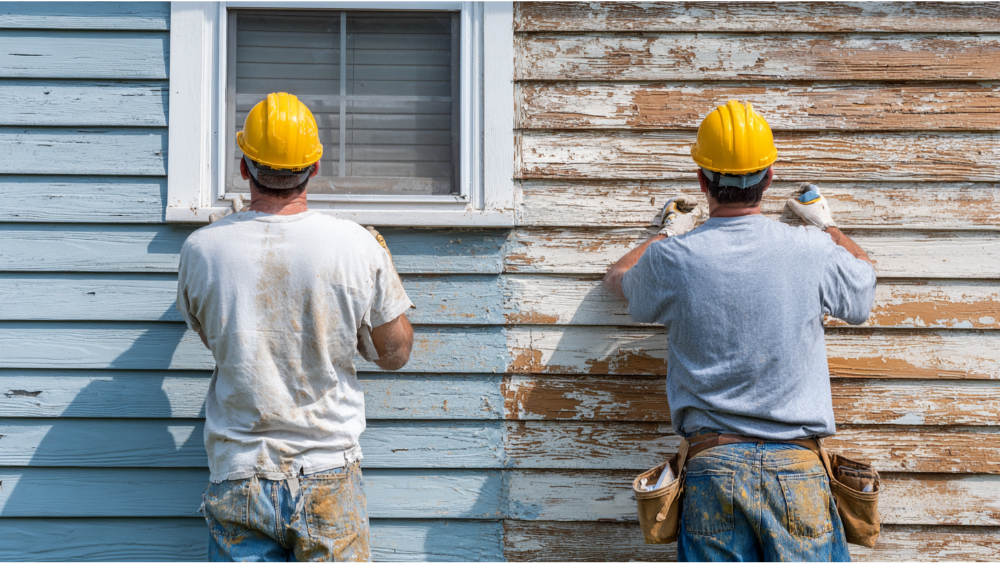
When Epoxy or Filler Is Appropriate
Epoxy repairs work for shallow rot damage on non structural wood surfaces when surrounding wood is dry and stable.
When Full Replacement Is the Only Responsible Option
Replacement is necessary when rot affects load-bearing components, wooden beams, or areas where fasteners fail. Structural damage here risks maintaining structural integrity.
Why Proper Prep and Painting Prevent Future Rot
Preventing rot starts with preparation. Sealing end grain, back-priming boards, using protective coatings, and maintaining paint films reduce moisture content. Controlling moisture and performing regular maintenance are key to preventing rot.
Should You DIY or Call a Professional?
Safe DIY Scenarios
Small areas of surface rot on exterior trim or fence posts may be manageable with proper tools and experience.
When to Call a Pro Immediately
Deck boards, wooden beams, crawl spaces, window sills, and door frames should be evaluated professionally if rot damage is suspected.
What a Professional Rot Repair Inspection Includes
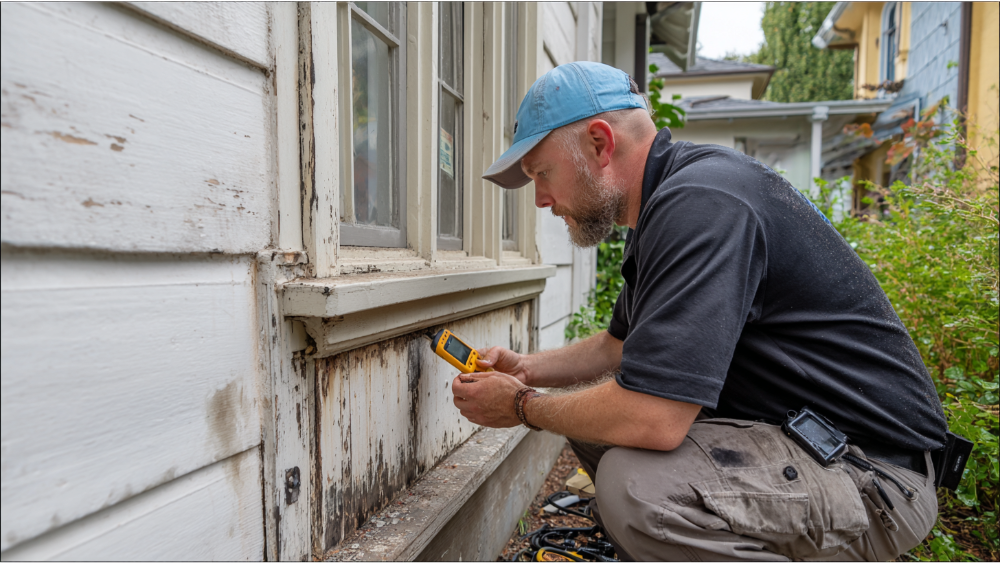
A professional inspection checks moisture content, probes affected wood, identifies moisture sources, and evaluates whether rot repair or replacement is needed to maintain structural integrity.
Additional Threats That Mimic or Worsen Wood Rot
Wood damage is not always caused by fungi alone. Termite damage and insect activity often occur alongside rot.
Termites and Rot
Subterranean termites thrive in moist conditions and are attracted to damp wood. Mud tubes along foundations, crawl spaces, or wooden surfaces indicate termite activity. Discarded wings near windows can signal termite colonies. Termite damaged wood often looks hollow and weak. Active infestation can accelerate further damage rapidly.
Carpenter Ants and Other Insects
Carpenter ants do not eat wood but excavate it. They prefer damp, rotting wood and can worsen existing rot damage. Treat termite damage and address moisture issues together to avoid attracting insects.
FAQs About Surface vs Structural Wood Rot
How deep does rot have to be to be structural?
Structural damage depends on strength loss, not depth alone. If wood cannot support its function, it is structural.
Can wood look fine but still be rotten inside?
Yes. Hidden decay is common, especially near window sills and door frames.
Is soft wood always structural rot?
Not always, but soft texture and spongy texture require closer inspection.
Does painting over rot stop it?
No. Painting traps moisture and increases rot damage if decay is not removed.
How fast does wood rot spread?
Spread depends on moisture exposure. In moist conditions, rot damage can worsen quickly.
Is wood rot covered by insurance?
Most policies exclude rot caused by long term moisture or poor maintenance.
How much does structural rot repair usually cost?
Costs vary widely. Early detection often limits repairs to minor repairs rather than major repairs.
Final Takeaway for Homeowners
Understanding how can I tell if wood rot is surface damage or structural damage helps protect your home. Catch signs early, regularly inspect vulnerable areas, control moisture, and address issues before they threaten structural integrity. Rot damage that is left untreated can lead to severe damage, extensive repairs, and safety risks.
