



Home Appliance Paint: What You Can Paint, What You Never Should, and Why Prep Decides the Result

Key Takeaway
Home appliance paint is a specialty epoxy enamel designed for the exterior metal panels of refrigerators, dishwashers, washers, and dryers. It hides scratches and discoloration but is not a high-heat coating, with some products capping exposure at 200°F, making it unsuitable for stovetops and oven interiors. Surface prep, not brand, determines whether the finish lasts.
Home appliance paint is a specialty hard enamel or appliance epoxy coating made for the exterior metal panels of refrigerators, dishwashers, washers, and dryers. On appliances with sound panels and real prep, it delivers a durable refresh in standard colors like white and black. It should never go inside appliances, on a stovetop, or on an oven interior, because standard appliance epoxy is not a high-heat coating.
If you're weighing a refresh against the price of new appliances, here's what can be painted, what can't, and why surface prep decides whether the finish lasts.
What Is Home Appliance Paint, and How Is Appliance Epoxy Different From Multi Surface Spray Paint?
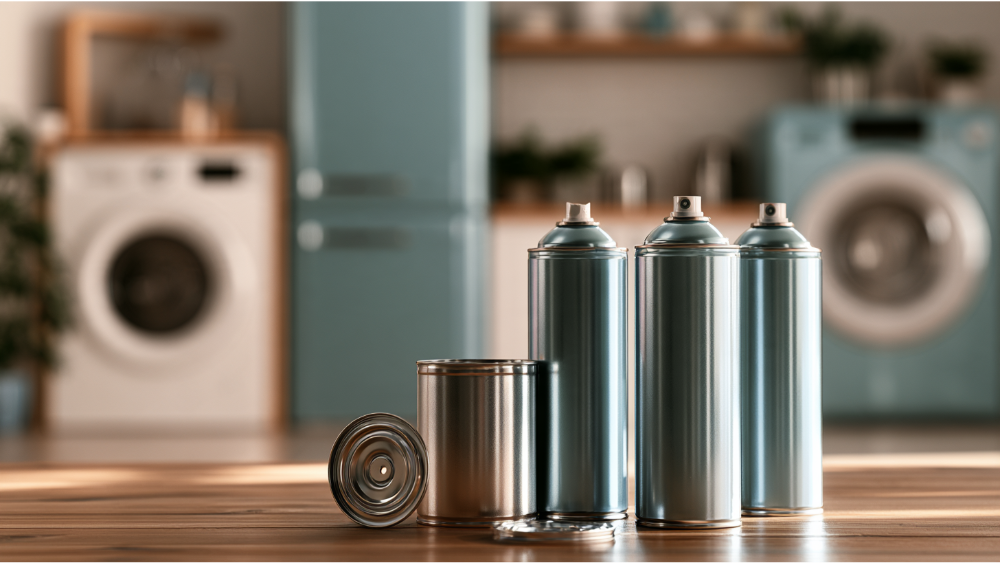
Appliance epoxy enamel cures into a harder, more durable film than wall paint or a multi surface craft aerosol. That matters because appliances get wiped constantly, splashed, leaned on, and hit with kitchen cleaners. Multi surface products cover wood, ceramic, plastic, and metal with middling performance on each. Appliance epoxy is built narrowly, and that's why it resists stains, scratches, and moisture.
What it does well: hide minor cosmetic damage like fine scratches, discoloration, and a dated white or black finish. What it doesn't do: fix dents, rust-through, failing door seals, or anything mechanical. If the panel underneath isn't sound, no coating saves it.
Which Appliances Can You Paint, and Should You Ever Paint Stainless Steel?
Suitability depends on the substrate and the exact label, not the sort of appliance.
Before anything goes on, review the owner's manual and the manufacturer's finish guidance. Mask the model and serial rating plate instead of painting over it. If you rent an apartment, check your lease before repainting anything that belongs to the landlord.
Why Standard Appliance Epoxy Is Not High-Heat Paint
Shelf copy often implies appliance paint is heat-proof. It isn't. One current appliance epoxy aerosol caps heated-surface exposure at 200°F and specifically excludes stovetops and oven interiors. That's a product-specific number, not a category rule, which is the point: read your own can.
High-heat enamels are a separate product class. Microwave cavity touch-up coatings are another, usually applied without primer. Manufacturer guidance outranks general advice, including ours.
Touch-Up or Full Refinish? Choosing the Right Appliance Spray Paint for the Job
A few chips on an otherwise sound fridge panel call for a model-matched touch-up coating, often sold with a small brush in the cap. Widespread discoloration, or a color you no longer love across a whole panel, is a refinish job with appliance spray paint.
When you're reading labels, check five things
- Does it name your appliance type?
- Does it name your substrate (painted steel, bare metal, plastic)?
- Is it rated for indoor use and the moisture that panel will see?
- Does it list a heat limit you can live with?
- Is the format right: aerosol, brush-on, or a touch-up applicator?
Appliance spray paint commonly comes in 12 oz cans, and one current 12 oz label estimates 20 to 25 square feet per can, an example only, not a universal figure. Colors stay close to appliance standards like white, black, bisque, and almond, a narrow range by design, so hold samples against the other appliances in the room first. Listings on Amazon and other retailers differ in price, format, and quantity, and online orders add shipping time you may not have mid-project. Weigh review photos carefully, since lighting hides brush marks and texture.
How to Prepare the Surface: The Step That Decides Whether It Lasts

Prep is where refinishing appliances succeeds or fails. Gather your tools first: degreaser, fine-grit paper, clean rags, painter's tape, and masking film.
- Before you get started, disconnect power, and follow model-specific instructions for any water line.
- Remove handles and hardware where the manual allows.
- Clean and degrease thoroughly. Grease film is the number one adhesion killer. Rinse and dry completely.
- Remove loose rust and failed coating.
- Scuff glossy factory finishes with fine-grit paper so the coating has something to grab.
- Wipe off every bit of sanding dust.
- Mask controls, vents, gaskets, coils, the rating plate, the floor, and nearby cabinets
One nuance most guides miss: primer is not universal. One appliance epoxy label says not to prime. Another recommends primer over bare metal. Review the exact can in your hand.
Application, Drying, and Curing: Thin Coats and Patience
Conditions are product-specific. One aerosol calls for 50 to 90°F, below 85% humidity, sprayed 12 to 16 inches out. Another lists 55 to 75°F and below 60% humidity. For best results, two or three light coats cure harder than one heavy pass, which sags and runs.
Then timing, which almost no DIY article separates properly. Four stages:
- Dry to touch (one label: 30 minutes or less; another: tack-free in 2 to 4 hours)
- Safe to handle (one label: two hours; another: 5 to 9 hours)
- Recoat window (one label: within 30 minutes or after a full week)
- Fully cured and ready for normal cleaning and us
Never average these. Read your own label and data sheet.
Why Appliance Paint Chips or Peels
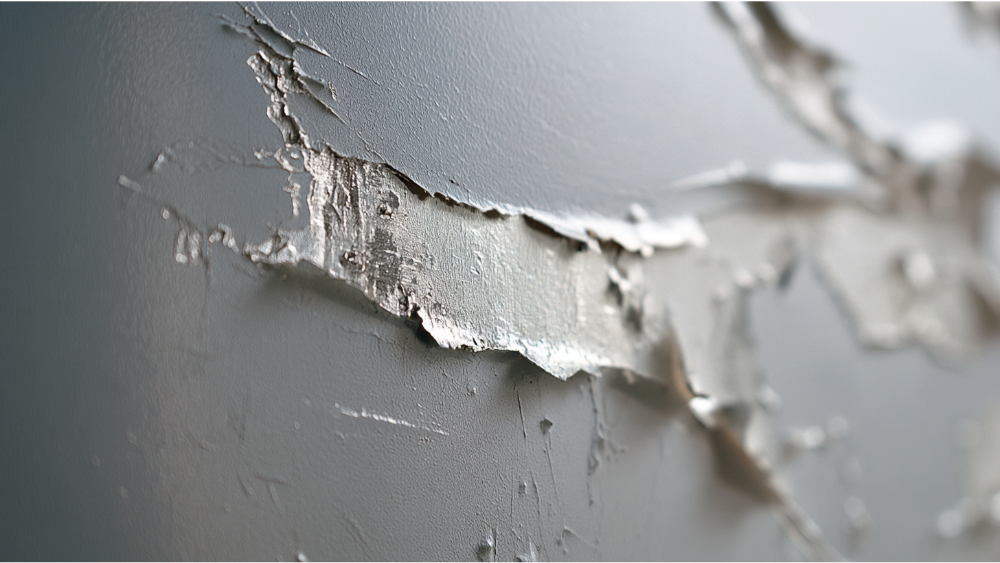
- Grease or cleaner residue left under the coating
- A glossy factory finish that was never deglossed
- An incompatible coating and primer pairing
- Coats applied too heavy
- Recoating outside the label's window
- Painting when it's too cold or too humid
- Cleaning or loading appliances before full cure
Lasting results come from prep, not from the brand on the can.
Safety, Ventilation, and Disposal
The EPA advises following all product warnings and providing plenty of fresh air with products that release VOCs. The CPSC recommends appropriate ventilation when spraying, suggests working outdoors or in a spray booth where possible, and notes fine spray particles can stay airborne up to two hours. Propellants may be flammable, and heated or punctured cans can explode. Keep children and pets clear, and use the protective equipment the label specifies.
For leftovers, the EPA lists paint and non-empty aerosol cans among household hazardous waste depending on local rules. Check your local program. Never the drain.
Planning a Kitchen or Laundry Refresh? Start With a Free Estimate
Refreshed appliances only look finished when the room around them does. We handle interior painting for walls, ceilings, trim, doors, and millwork with the same prep-first standard described above, using premium paint products backed by lifetime manufacturer warranties. Every project includes a free color consultation and a transparent estimate, so you know exactly what you'll invest before work begins. Get a Free Estimate: call 206-222-0435.
Frequently Asked Questions
What kind of paint do you use on appliances?
Appliance epoxy enamel made for metal appliance exteriors. Confirm the label names your appliance type and substrate, then check heat and moisture limits.
Does appliance paint really work?
Yes, on sound exterior panels that have been cleaned, deglossed, and masked. It hides scratches and discoloration on refrigerators, dishwashers, washers, and dryers, and holds up as long as the prep was done right. It repairs nothing mechanical.
What is the difference between appliance paint and regular paint?
Appliance epoxy cures into a harder, more durable film built for moisture, repeated cleaning, and scratches. Wall paint and multi surface craft spray paint aren't formulated for that wear.
What is the best spray paint for appliances?
There's no single best product, and review scores won't settle it. The right can names your appliance type and substrate and fits the heat and moisture that panel will face.
