



How to Choose Gray Wall Paint That Looks Right in Your Home

Key Takeaway
Gray wall paint almost never behaves as a true neutral: every shade carries a warm, cool, or violet undertone that light and surrounding finishes will amplify on a full wall. Choose your gray by matching its undertone to flooring, trim, and cabinets you plan to keep. Then test a two-coat sample on more than one wall from morning through evening before committing.
Choose gray wall paint by matching its undertone to the flooring, trim, cabinets, and other finishes you plan to keep. Then test a large, two-coat sample on more than one wall from morning through evening, because lighting can make the same gray paint look blue, green, violet, or beige. If you're planning an interior repaint and want gray paint colors that still look right a year from now, that process matters more than any single shade name.
Why Gray Rarely Behaves Like a Truly Neutral Color
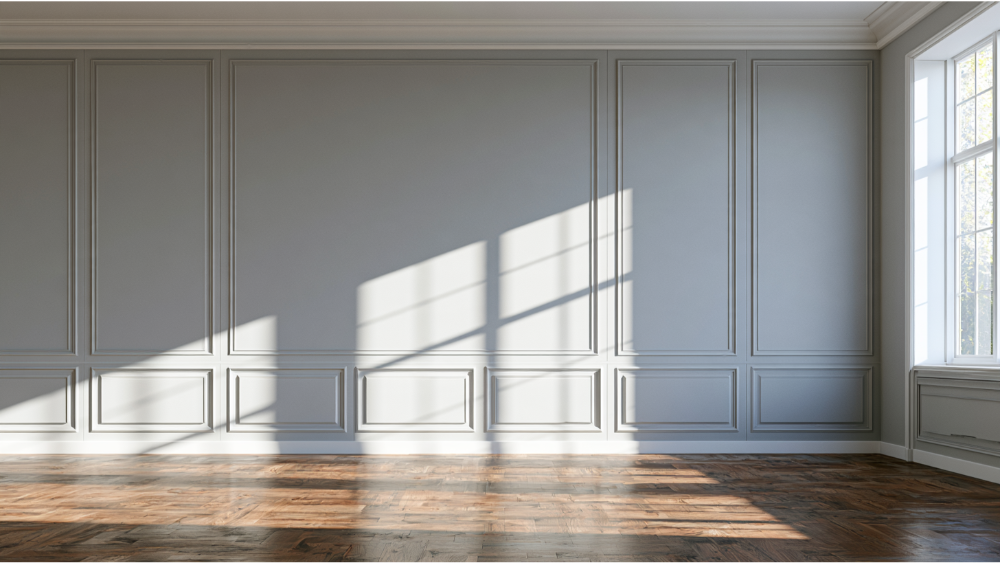
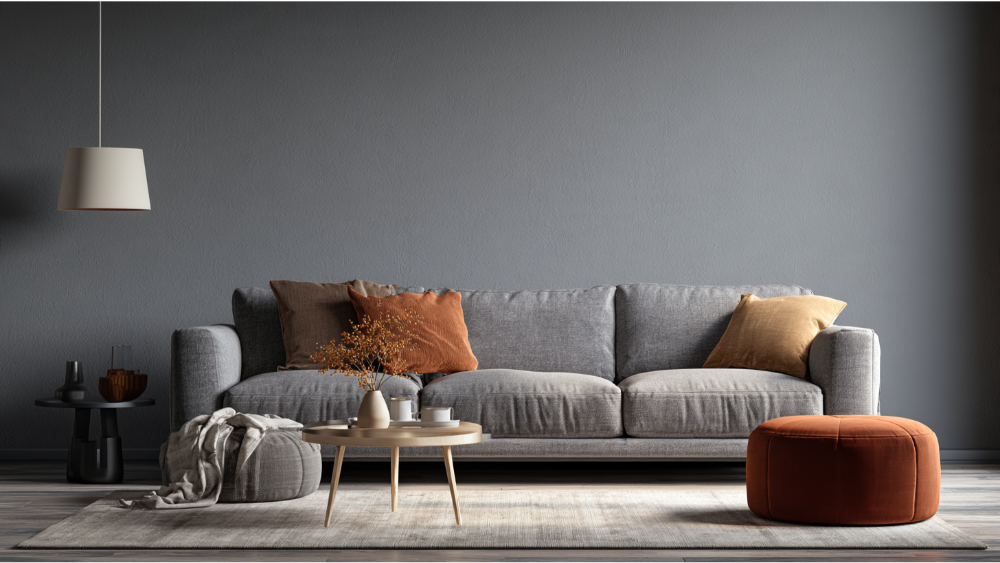
Almost every gray carries a subtle undertone. Warm grays lean toward red or yellow. Cool grays lean toward blue, green, or violet. That undertone is usually quiet on a paint chip, but light and the finishes around it will either amplify or suppress it on a full wall. There's no such thing as a universal "true gray with no undertones." The right gray isn't one fixed shade from a color collection. It's a color that stays balanced under your light, next to your floors and trim.
A Quick Guide to Gray Paint Colors and Their Undertones
Light gray paint colors bring an airy sophistication to a space, and their silvery tones can soften a room without washing it out. Deeper charcoals add depth and a grounded, elegant feel. Across that range, here's how the common families of paint colors tend to behave, so you can find the perfect shade for your room.
Start With What's Staying in the Room
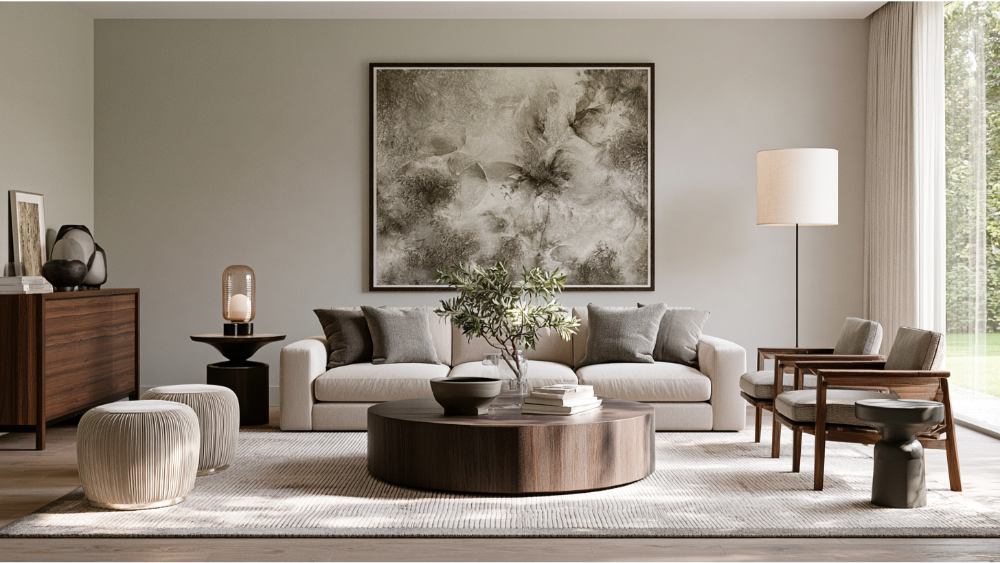
Pick your gray around the finishes you're keeping, not the other way around. Before you fall for a shade, hold samples against the things that aren't changing:
- Flooring: warm wood tones versus cool gray tile
- Trim and the specific white it's painted
- Cabinets and countertops
- Fireplace stone or brick
- Large furniture that's staying put
Warm wood floors usually pair better with a warm gray or greige. Cool grays harmonize with crisp whites and blues. Coordinating gray to the whole room, not just the wall, is where a clean result starts. Most homeowners who skip this step end up repainting.
Matching Gray to Different Architectural Styles
A gray that looks right in a craftsman bungalow may feel off in a modern build. Older architectural styles often carry more wood and warm detail, which favors greige and softer shades. Cleaner, contemporary homes can carry cooler grays and bold accents with ease. Let the home's style guide your choices rather than fighting it.
How Room Direction and Natural Light Change Gray
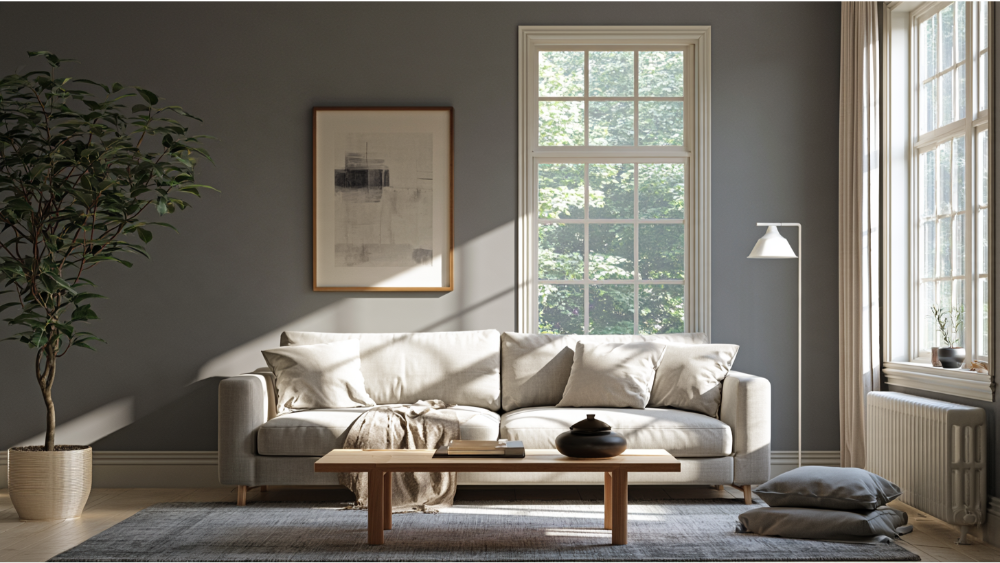
The direction your windows face shifts the light, and the light shifts the gray.
Cool grays suit calm bedrooms and bathrooms where a serene, settled feel helps. One local note: Edgewood and the greater Seattle-Tacoma region see plenty of overcast daylight (NOAA notes considerable cloudiness, especially in winter), so check your samples under gray skies as well as bright sun.
How Light Bulbs Change Gray After Dark
Two bulb specs matter here. CCT describes the warmth of the light. The Department of Energy lists roughly 2,700 K as warm, 3,000 K as soft or warm, 3,500 K as neutral, and 4,100 K as cool. CRI describes how faithfully a bulb renders color. DOE recommends a minimum of 80, with 90 or higher for excellent fidelity. View your samples under the bulbs you actually use at night. Swapping bulbs changes the mood of a space and the intensity of the gray, but it won't erase the underlying undertone.
What LRV Tells You, and What It Can't
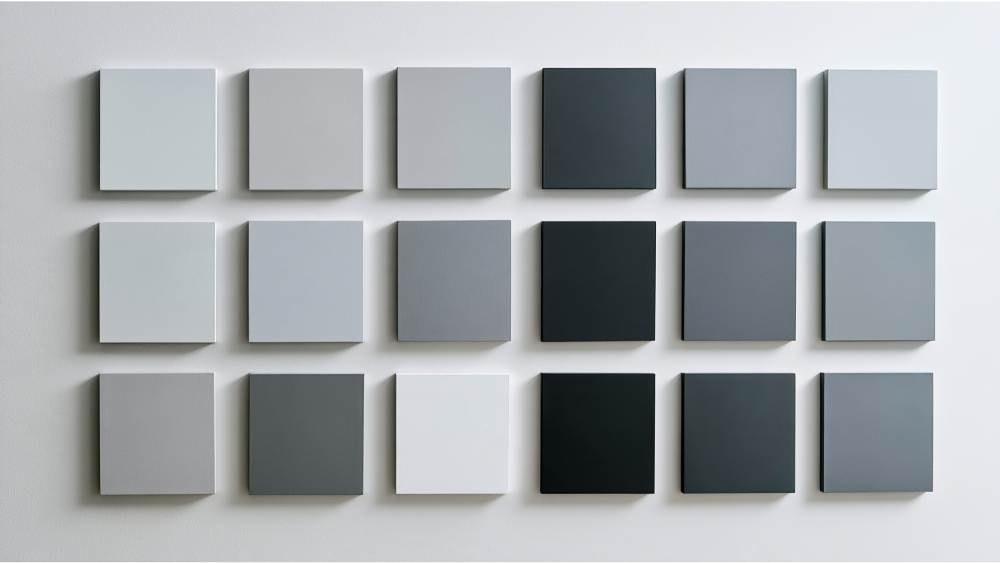
Light Reflectance Value runs on a 0 to 100 scale (per Sherwin-Williams), where 0 reflects no light and 100 reflects fully. It's useful for comparing how light or dark two grays will feel in the same space. What it can't tell you is undertone. A high-LRV cool gray can still feel cold in a dim room. Don't chase a "perfect LRV" number as if it guarantees the right look.
Coordinating Gray Walls With Trim and Other Colors
Warm gray and greige work with soft whites, earthy tones, natural wood, and warm metals. Cool grays pair cleanly with crisp white trim, blues, and black accents for contrast. For an accent that adds depth without clashing, muted blue, sage, or warm terracotta usually holds up well among the other colors in the room. One contractor tip: choose a trim white that shares the wall's undertone so the cut lines read clean instead of fighting each other.
Should You Paint Every Wall Gray or Use an Accent Wall?

Full gray gives a room a calm, cohesive feel and lets a single color stand across living rooms, dining rooms, and connecting hallways. A charcoal or deeper gray accent wall adds focus and depth. Don't buy the myth that light always makes a room bigger and dark always makes it smaller. Perceived size also depends on contrast, lighting, and how the room is furnished.
What Paint Sheen Works Best for Gray Walls?
Choose sheen by wall condition and traffic, not by color. Matte and eggshell diffuse light and hide small imperfections, which makes them a good fit for living rooms and bedrooms. Higher sheens like satin reflect more light and wipe down with the touch of a cloth, but they also reveal patches and uneven texture, so they suit kitchens, baths, and high-traffic areas. Finish names vary between product lines, so confirm the exact sheen before work starts.
The Best Way to Test Gray Paint Colors
This is the step that saves repaints, and it keeps picking a gray from turning into a guessing game.
- Shortlist two or three undertone families, not ten color choices.
- Paint roughly a 2 ft by 2 ft area (per Benjamin Moore guidance).
- Use two coats so the color reads accurately.
- Test on more than one wall, including one away from the window.
- Place samples next to flooring, trim, and cabinets.
- Look at them in morning, afternoon, overcast daylight, and under night bulbs.
Movable foam-board or peel-and-stick samples make this easy, since you can carry them from wall to wall. Making the comparison side by side is far more reliable than judging a single chip in the store.
Why Surface Prep Matters Before You Paint Gray
Gray is unforgiving, especially flatter, cooler grays under raking light. It shows every patch, dent, and uneven cut line. Proper surface prep, which means patching, sanding, caulking, and clean cut lines, is what separates a crisp, long-lasting gray from a blotchy one. That attention to detail is the real difference between a good finish and one you'll want to redo. It's the same discipline designers rely on to make a chosen shade read true.
Lead-Safe Painting in Pre-1978 Homes

EPA estimates roughly three-quarters of pre-1978 U.S. housing contains some lead-based paint. The EPA Renovation, Repair and Painting Rule covers many paid projects that disturb painted surfaces in those homes. The minor-repair exclusion generally applies only up to about 6 square feet inside a room or 20 square feet outside, with exceptions for things like window replacement. EPA recommends hiring a Lead-Safe Certified contractor for covered work. Cover Pro Painting is EPA Lead-Safe (RRP) Certified, which matters when prep involves sanding or scraping older surfaces.
When a Professional Color Consultation Is Worth It
Gray has more ways to go wrong than most colors, and a second trained eye can save a full repaint. We walk through undertone, light, and your fixed finishes with you, keep the scope and estimate transparent, and keep communication clear start to finish. We also handle interior and exterior work plus rot repair, siding, and carpentry under one team, so you're not juggling multiple contractors. Every project includes a free color consultation to help you create the look you want and add real sophistication to the room. We're licensed, bonded, and insured in Washington State, with over 13 years in business and most of our work coming from repeat clients and referrals. Washington L&I also recommends verifying any contractor's registration, bond, and insurance before you hire.
Get a Free Estimate and Color Consultation
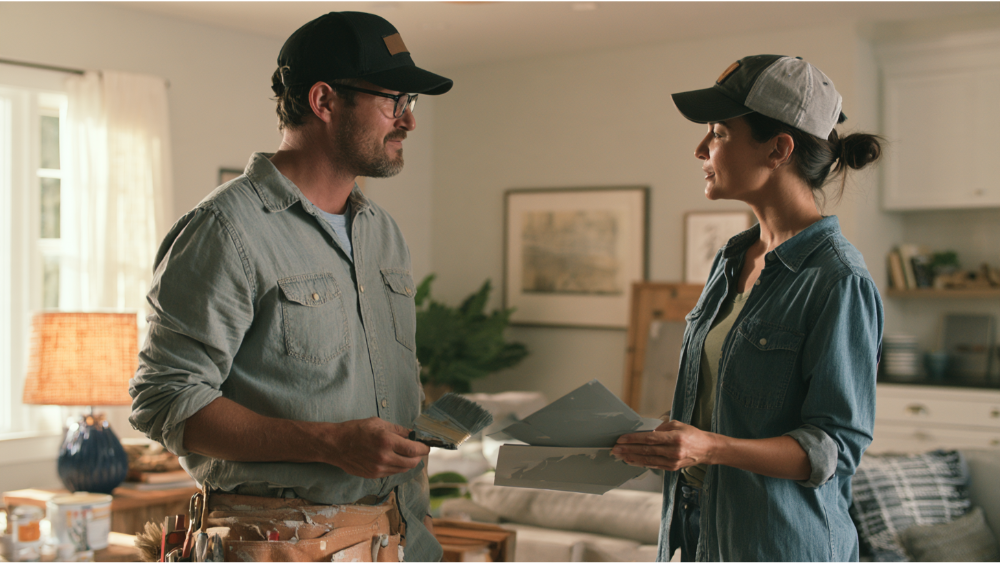
If you're in Edgewood or the greater Seattle-Tacoma area, start with a free estimate and color consultation to find the gray paint that works in your actual home. You'll get a transparent estimate, premium paint products, a five-year exterior warranty, plus 0% APR financing and 10% off for first-time customers. Call 206-222-0435 to Get My Free Painting Estimate. Don't see your city listed? Contact us to confirm service availability.
Frequently Asked Questions
Is light gray out of style for 2026?
No. Based on 2026 and 2027 color forecasts, gray isn't out, but warmer grays, greiges, and gray-influenced neutrals read more current than flat, icy cool grays throughout a whole home. Treat trends as a starting point, not a reason to pick a color.
What is the most popular gray color for walls?
Soft, warm light gray paint colors and greiges are the ones homeowners love most, because they suit many rooms and lighting conditions. Rather than copying a single shade, browse a small variety and test two or three in your own space to see which stays balanced.
What are some good light gray paint colors and cool grays for walls?
Think in families: warm greige, soft light gray, cool gray, green-gray, and charcoal for accents. That range and that collection of options cover most rooms. Pick by undertone and room light, not by popularity.
What is the prettiest shade of gray?
The one that stays balanced under your home's light and next to your fixed finishes. There's no universal winner among light gray paint colors, which is exactly why testing beats choosing from a list.
