
%201.svg)


Eggshell Paint: Where It Works and Where It Doesn't
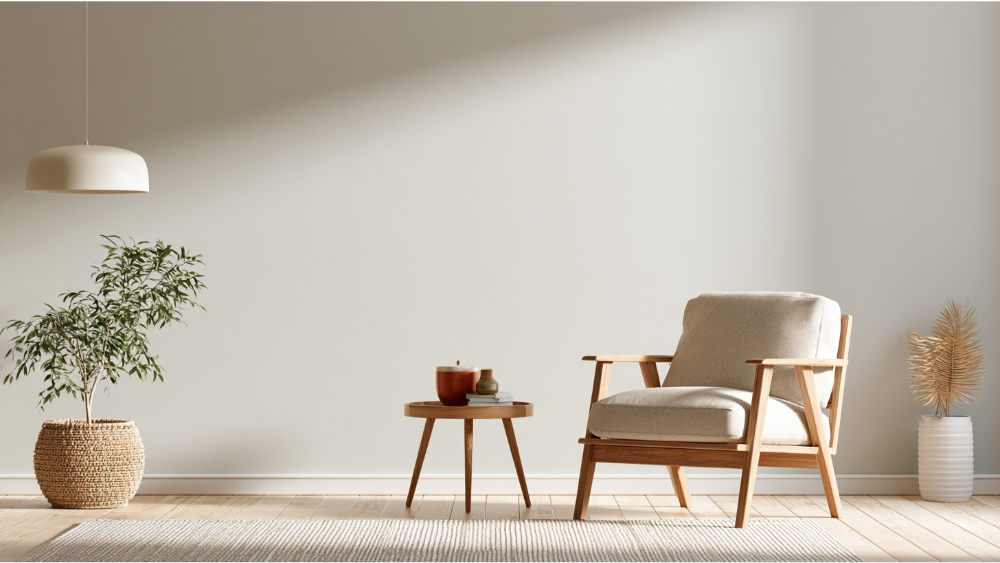
Key Takeaway
Eggshell paint works best on interior walls in moderate-traffic rooms like living rooms, bedrooms, dining rooms, and hallways, reflecting roughly 10% to 25% of light for a soft, low-luster finish. It is the wrong choice for bathrooms with showers, kitchens near sinks and stoves, laundry rooms, mudrooms, and any trim, doors, or cabinets. Match the sheen to how the room actually gets used, and prep the surface properly or even a quality eggshell will disappoint.
Eggshell paint works best on interior walls in moderate-traffic rooms where you want something easier to clean than flat but softer than the shine of satin. Think living rooms, bedrooms, dining rooms, and hallways. It's the wrong pick for high-moisture and high-scrub spaces, and for trim, doors, cabinets, and floors, where harder, more washable finishes hold up better. Eggshell sits between flat and satin on the sheen scale, reflecting somewhere around 10% to 25% of light for a soft, low-luster look. That's what makes it a wall finish, not a do-everything finish.
If you're reading this, you've probably already picked a color and just need to settle the sheen. That last decision matters more than people expect. We've repainted enough rooms to know where eggshell shines and where it quietly lets people down, and the difference almost always comes back to whether the surface and the prep work match the paint finish you chose.
Where Eggshell Paint Works and Where It Doesn't (Quick Reference)
.webp)
Here's the short version before we get into the why.
This table is a starting point, not a rulebook. A better product line can push eggshell a little further into tougher rooms, and careful prep can make it perform beyond what the sheen alone would suggest. One company's eggshell isn't the same as another's, so the label and the surface behind it both change the outcome. A premium eggshell finish paired with two solid coats will outlast a bargain can every time, no matter what the sheen name promises.
The reverse is also true. A low-quality eggshell on a poorly prepped wall in a busy hallway will disappoint you no matter how forgiving the sheen looks on a fan deck. Everything below is the reasoning behind that table, so you can make the call for your own rooms instead of guessing.
What Is Eggshell Paint? (Sheen, Not Color)
Eggshell is a sheen level, not a color. That trips a lot of people up. You can buy the exact same color in flat paint, eggshell, satin paint, and semi gloss, and it'll still be that color. What changes is how much light the paint finish bounces back and how the surface feels under a cloth.
On the technical side, the Master Painters Institute classifies eggshell as Gloss Level G3, measured at 10 to 25 units at a 60-degree angle and 10 to 35 units at 85 degrees. Satin sits one step up at G4, and semi gloss at G5. Those numbers aren't guesses. ASTM D523 defines how gloss gets measured with 60-degree, 20-degree, and 85-degree glossmeter geometries, so sheen is something you can actually put a number on rather than just calling it "a little shiny."
In plain terms, eggshell reflects roughly 10% to 25% of the light that hits it. Flat and matte paint reflect less, so they read dead and velvety. Satin reflects more, so it reads soft-glossy. Eggshell lands in between, giving you a low, subtle luster that most people describe as looking like the surface of a chicken egg's shell, which is where the name comes from. That gentle reflection is also why the eggshell finish hides minor surface imperfections reasonably well: there isn't enough shine to spotlight small dings the way higher-gloss finishes do. A flat finish hides even more, but it pays for that with poor washability, which is the trade you're weighing every time you pick a sheen.
Is eggshell paint called something else now?
Eggshell is still eggshell, and it's still the standard term you'll see on the shelf. A few brands market near-equivalents as "low-sheen" or "velvet," and those can land in a similar range. Sherwin Williams, for instance, carries an eggshell in several of its interior lines, and the name means the same thing at the counter as it does on the data sheet. If you ask for eggshell, painters and paint counters know exactly what you mean, so there's no need to overthink the label.
Where Eggshell Paint Works Best
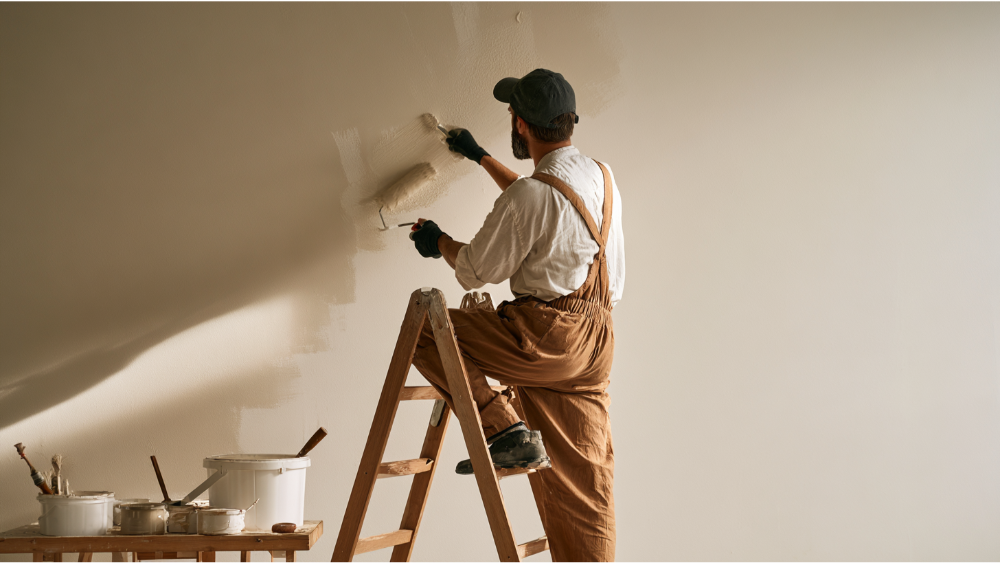
Eggshell earns its keep in rooms that get regular use but not abuse. It gives you a finish that's easier to clean than flat and softer than satin, which covers a lot of the house.
Living rooms and family rooms. This is eggshell's home turf. You get low glare on big wall expanses plus enough washability to wipe off the odd fingerprint or scuff with a damp cloth. Flat paint would look great here until the first mark you couldn't clean, and satin would throw more shine than most people want on a wall that size. These are the interior walls people see most, so the balance between a soft look and easy cleanup really pays off.
Bedrooms. Low traffic, low mess, and a soft restful look are exactly what eggshell delivers. The subtle luster keeps walls from feeling stark without adding the reflective quality that can make a bedroom feel less calm. This is one of the few rooms where you could use flat and be happy, but eggshell gives you a little cleanability insurance for almost nothing.
Dining rooms. Moderate use with the occasional splash from a passed dish or a curious kid. Dining rooms wipe clean enough with eggshell to handle those moments while still reading soft under overhead and candle lighting.
Hallways and home offices. These spaces see hands, shoulders, and the occasional bumped corner. Eggshell shrugs off light contact and fingerprints far better than flat, which makes it a smart pick for high-touch pass-through areas that still aren't wet or grease-prone. If a hallway is genuinely a high traffic corridor with kids and pets running through it all day, you can still lean on eggshell as long as you choose a durable line and don't expect it to survive hard scrubbing.
Kids' rooms, with honest expectations. Eggshell can work here if you choose a durable product and accept its limits. It'll take gentle cleaning, but it isn't built for the scrubbing a marker-covered wall sometimes demands. If your household is hard on walls, a step up in sheen may serve you better.
What ties these low traffic rooms together is that the sheen matches how the space actually gets used. Chosen well and cared for, an eggshell wall paint can hold its look for close to a decade, cleaning up with nothing more than a damp cloth. That's the payoff when the room and the finish are a real match, and it's a big part of why so few of these walls need to be repainted before their time.
Where Eggshell Paint Doesn't Work as Well
Being honest about the limits is how you avoid a repaint in two years. Eggshell has real weak spots, and they cluster around moisture, heavy contact, and horizontal wear.
Bathrooms with showers or weak ventilation. Eggshell absorbs moisture in high-humidity environments, which is the opposite of what you want next to a steamy shower. Bathrooms with a busy full shower call for satin or semi gloss that sheds water and resists mildew far better. A powder room with good ventilation and no shower is a different story, and eggshell can be fine there, so separate the two before you decide. The same logic keeps guest baths and primary bathrooms from getting the same treatment when they clearly shouldn't.
Kitchen splash and scrub zones. Around sinks and stoves you get grease, spatter, and frequent wiping. Eggshell doesn't handle heavy scrubbing well, and grease has a way of dulling and staining it. Point those walls toward satin or semi gloss so you can clean aggressively without wearing through the finish. A satin finish is often the sweet spot in a kitchen because it resists grease without throwing the hard shine of full gloss.
Laundry rooms and mudrooms. High contact plus moisture plus dirt tracked in from outside. These rooms punish a wall finish, and eggshell isn't tough enough to keep up. These are classic traffic areas where a tougher, more washable coat earns its place.
Trim, doors, windows, cabinets, and millwork. These surfaces get touched, bumped, and cleaned constantly, and they look best with a harder, more washable finish. Semi gloss is the usual answer here. Putting eggshell on trim tends to leave you with woodwork that scuffs easily and doesn't wipe clean the way trim should. The contrast between satin trim or semi gloss trim and eggshell walls also gives a room a crisp, finished edge that reads as intentional.
Floors, stairs, and horizontal wear surfaces. This one is simple. Many eggshell wall products literally state "do not use on floors" right on the data sheet. They aren't formulated for foot traffic, and they'll fail fast if you try.
Damaged, dented, or high-glare walls. Even though eggshell is more forgiving than satin, it still highlights imperfections more than flat. Under strong side lighting or on a badly patched wall, that slight sheen will show every ripple and seam when the light hits it at an angle. If a wall is dented, poorly repaired, or even hiding something worse like rot behind the surface, the sheen question comes second. Fix the wall first, then choose the finish. That full-service order of operations is what keeps a paint job looking clean instead of drawing attention to the flaws underneath. On a ceiling especially, most people stay with a flat finish so that overhead light doesn't rake across the surface and reveal every seam.
Eggshell vs. Flat, Matte, Satin, and Semi-Gloss: The Real Differences Between Paint Sheens
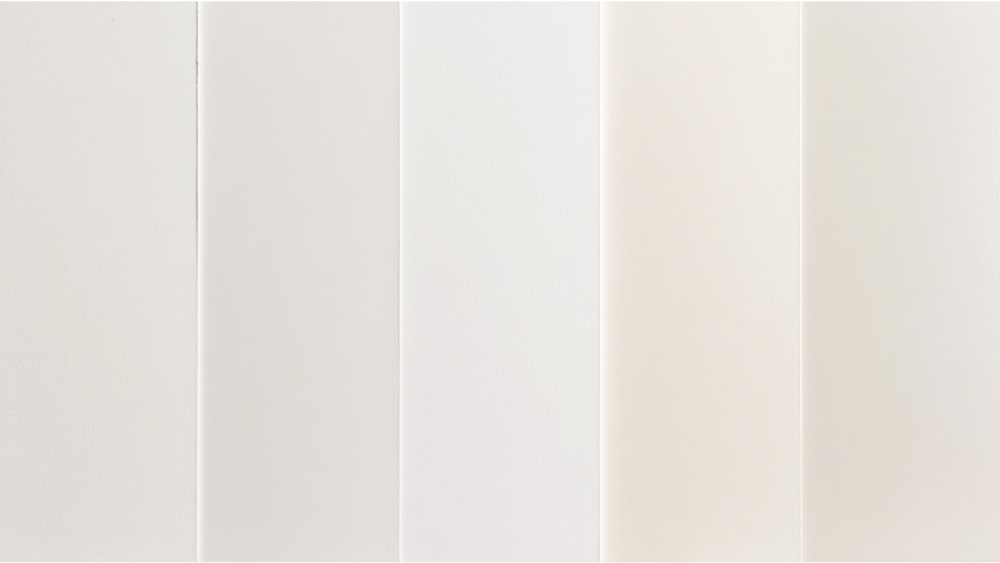
Every one of these paint sheens is a trade between how well it hides flaws, how easily it cleans, and how much light it throws. Here's how the common finishes stack up.
Flat paint and matte finishes hide flaws best and touch up the easiest, because there's almost no sheen to break up when you blend a repair. The catch is they wash poorly, so a flat finish belongs in low-traffic spots and on a ceiling. Eggshell is the balanced middle: enough cleanability for most living spaces, enough flaw-hiding for a decent wall, and touch-ups that are manageable if not invisible.
Satin moves up to G4 (20 to 35 units at 60 degrees) and brings real moisture and scrub resistance along with more visible shine. A satin finish is why it earns a spot in kitchens and busy hallways where eggshell would wear thin. Semi gloss climbs to G5 (35 to 70 units at 60 degrees), which is why it's the default for trim, doors, cabinets, and the wet, high-touch areas eggshell can't handle. High gloss sits above that for accent pieces and specialty surfaces that need a shiny, glass-like look. The tradeoff runs the whole way up: a higher sheen means more durable and washable, but a gloss finish also shows texture and defects more clearly.
One more thing worth knowing. Each brand's eggshell can perform a little differently. A Benjamin Moore eggshell and a Sherwin Williams eggshell may both sit in the G3 range and still differ in exact luster, coverage, and washability. Even satin paint from two different lines can vary in how many coats it takes to cover cleanly, and a line like Sherwin Williams Emerald behaves differently than a budget option. That's why matching the product to the surface and the room matters as much as the sheen name on the can. And while eggshell touches up more easily than satin or semi gloss, it's still harder to blend than flat, which is worth planning for before you commit.
The Surface Matters More Than the Paint Finish
You can pick the perfect sheen and still end up with a wall that looks blotchy and fails early. The surface underneath decides whether the paint looks clean and lasts, and that comes down to surface prep. Eggshell's slight sheen makes this more important, not less, because it reflects just enough light to reveal what a flat finish would have hidden.
Here's the prep sequence that sets eggshell up to succeed:
- Clean off dirt, dust, and grease so the paint bonds to the wall instead of the grime.
- Remove any mildew stains rather than painting over them.
- Scuff-sand glossy or previously painted surfaces so the new coat can grip.
- Patch, fill, and repair dents, cracks, and holes, then sand them for a smooth finish.
- Spot-prime porous, repaired, stained, or tannin-prone areas so they don't telegraph through.
- Let everything dry fully between coats and before the first coat goes on.
Skip these steps and you invite uneven sheen, flashing where the wall drank up paint differently, and early failure. That's the exact opposite of the clean, long-lasting results homeowners are paying for. A patch that wasn't primed will read as a dull spot under eggshell's luster, and a glossy old wall that wasn't scuffed will let the finish coats peel. Most imperfect walls need two coats to reach an even color and sheen across the entire wall, and skimping to one coat is a common shortcut that shows up as thin, patchy spots within a year.
Drywall smoothness matters more with any non-flat sheen. Where lighting is critical or the color runs dark, a smoother wall (a Level 5 drywall finish is the standard often specified for exactly these cases) reduces the joint and fastener show-through that eggshell's reflection would otherwise pick up. Natural light streaming across a big wall makes this even more noticeable, since a strong light source rakes the surface at a low angle. The industry benchmark backs this up: painting standards judge a properly finished surface as uniform in color, texture, and sheen when viewed from about 39 inches away under normal lighting. Hit that, and the room looks intentional. Miss the prep, and the sheen you chose will amplify every shortcut and every imperfection you left behind. Premium products help, but they only deliver on a surface that was made ready for them.
Older Homes and Lead-Safe Prep
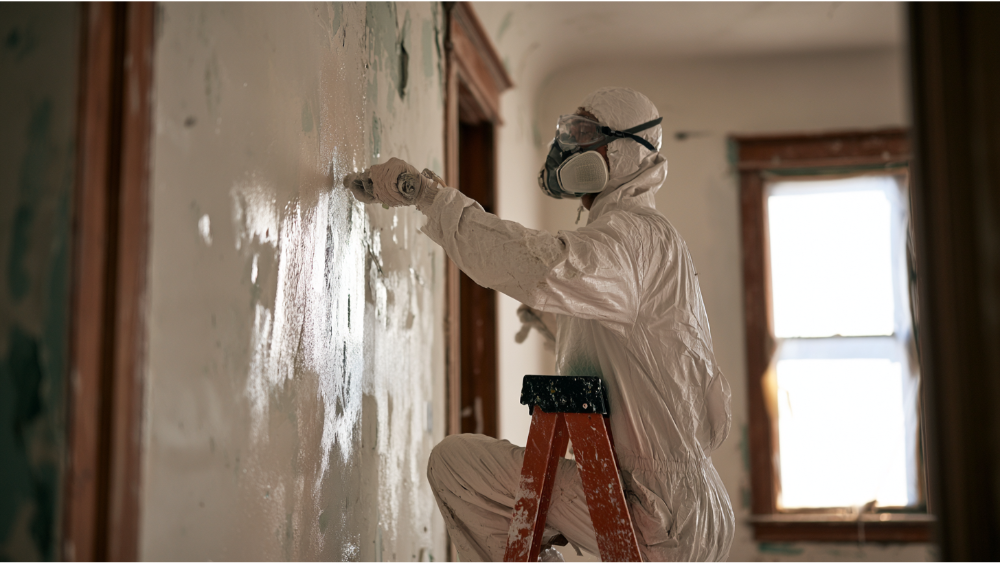
If your house was built before 1978, the prep conversation changes before a drop of paint is involved. Sanding or scraping old paint can release lead dust, and that's a genuine health concern, especially with children in the house. Homes painted decades ago, long before current safety rules, are exactly the ones that need this extra care.
The EPA's Renovation, Repair and Painting (RRP) Rule applies to paid work that disturbs paint in pre-1978 housing and child-occupied facilities. Firms doing that work are required to be certified. The rule carves out minor repair thresholds (roughly 6 square feet or less inside a room, or 20 square feet or less on the exterior), but there are exceptions, including window replacement, so those limits aren't a free pass.
Air quality is part of this too. Most paint gives off VOCs, and indoor levels can run higher than outdoors. Water-based interior products generally emit less than oil-based ones, so choosing interior-rated, low-VOC paint and keeping the space ventilated makes a real difference during and after the job. This matters just as much in bathrooms and other small enclosed rooms where fumes concentrate faster.
This is exactly why certification isn't a footnote. Cover Pro Painting is EPA Lead-Safe (RRP) Certified, so prep on older homes gets handled the right way from the first scrape to the final coat. A house that was last painted many years ago deserves that level of care, not a quick sand-and-go.
How to Clean, Maintain, and Choose the Right Eggshell Finish
Fresh paint needs time before it meets a cloth. How much time depends on the product, and that's not a dodge. Some manufacturer guidance says wait at least two weeks before washing a dry paint film, others say give it about 30 days to fully cure, and one eggshell data sheet lists four weeks before cleaning the cured film. The honest answer is to follow the label on your specific paint rather than trust a single universal number, since humidity, temperature, color depth, and ventilation all shift the timeline.
Once it's cured, cleaning eggshell is straightforward. Use a damp cloth with a mild, non-abrasive detergent, and test a hidden spot first to make sure the surface handles it. Skip the magic eraser on eggshell, since its abrasive action can burnish a low sheen and leave a shiny mark that stands out from the surrounding wall. Don't scrub hard or too early either, because either one can leave that same glossy patch. In high traffic areas near light switches and doorways, gentle regular wiping beats one aggressive scrub.
Touch ups deserve a heads-up. An eggshell touch-up can flash or show a different sheen against a wall that's aged and been cleaned over time. Painting out to a natural break, like a corner, or repainting the full wall gives the cleanest result. Keeping leftover paint from the original batch helps too, since a can bought years ago may no longer match a fresh mix exactly.
When you're deciding whether eggshell is right for a given room, run through a quick checklist:
Eggshell usually runs about 5% more than flat paint. That's a small difference for better cleanability and a finish that holds its look longer, which is why we recommend eggshell for most main living areas. Spread across the coats a room needs, that premium is barely noticeable on the final invoice.
Frequently Asked Questions
Is eggshell paint good for walls?
Yes, for most interior walls in moderate-traffic rooms it's one of the best choices. It cleans better than flat, hides minor imperfections, and keeps glare low. It's just not the right pick for wet rooms, heavy-scrub zones, or trim.
Is eggshell paint washable?
It handles light cleaning with a damp cloth and mild detergent once fully cured. Washable isn't the same as scrubbable, though, so it won't survive the repeated hard scrubbing a kitchen or bathroom wall sometimes needs.
Can I use eggshell paint in a bathroom?
In a ventilated powder room with no shower, it can work. In a full bath with a shower, skip it. Eggshell absorbs moisture in high-humidity spaces, so satin or semi gloss holds up far better in bathrooms with real steam.
Is eggshell better than satin?
Neither is better overall. Eggshell has lower gloss and hides flaws a bit better, which suits living spaces. A satin finish resists moisture and scrubbing more, which suits kitchens, baths, and busy traffic areas. Match the sheen to the room.
Why is eggshell paint hard to touch up?
Its slight sheen means a fresh dab can flash and reflect light differently than the aged wall around it. Choosing between two sheens for one wall never works either, so painting to a natural break or redoing the whole wall gives a cleaner, more uniform result than spot-touching.
Get the Right Finish on the First Try
The right sheen only performs on a properly prepped surface, and sometimes what's behind the wall matters more than what goes on it. That prep can make a
