
%201.svg)


Do I Need Lead Safe Practices for Older Homes? What Washington Homeowners Need to Know in 2026
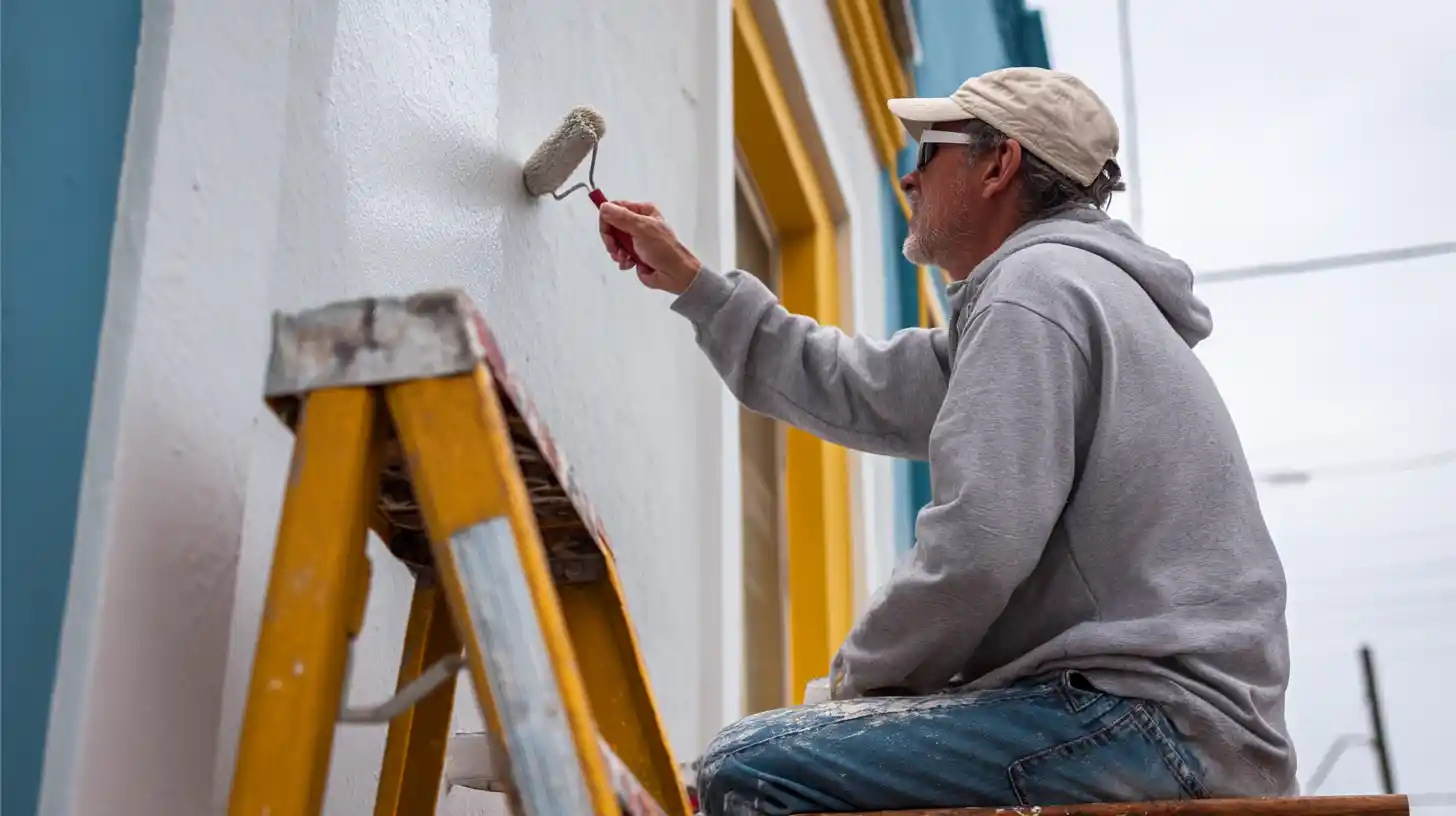
If you are planning painting projects on an older home, it is reasonable to ask, do I need lead safe practices for older homes? Many homeowners across Washington live in houses built decades ago, and those properties often include old paint that can present serious lead risks when disturbed. This article explains lead safety in clear terms, focuses on real renovation and painting situations, and helps property owners understand how to protect their family’s health while staying compliant in 2026.
Here’s a quick answer:
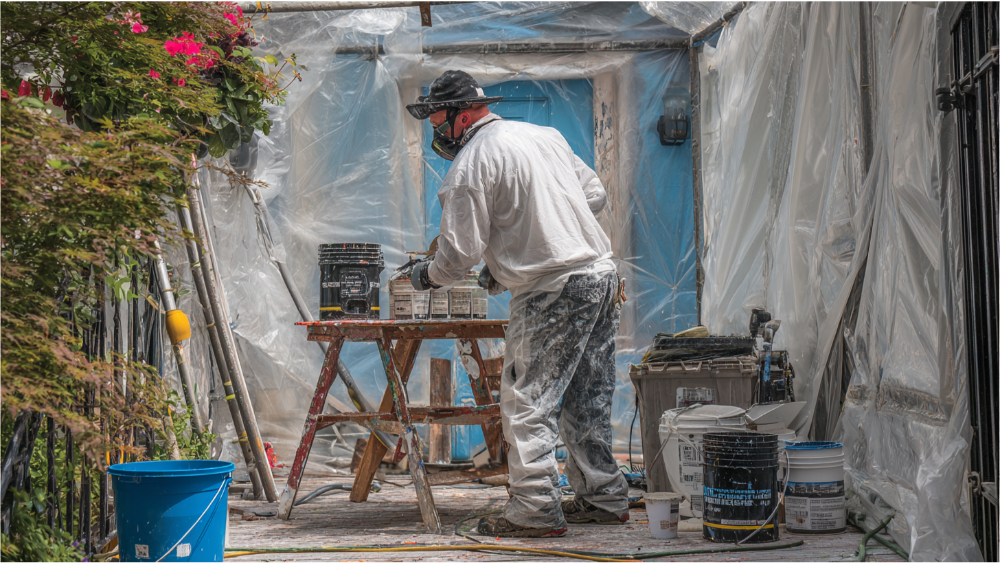
If your home was built before 1978 and a project disturbs painted surfaces, lead safe practices are strongly recommended and often required when hiring contractors. Lead exposure most often happens through lead dust created during prep, repair, and renovation. Proper lead safety focuses on controlling dust, protecting surfaces, and cleaning the work area thoroughly.
What Counts as an “Older Home” When It Comes to Lead Paint?
Why 1978 Matters
Homes built before 1978 may contain lead based paint. That year marks the federal ban on residential lead paint. Any older homes built before that date are assumed to have lead unless testing shows otherwise. This assumption helps reduce risk and prevents dangerous lead dust from spreading during renovation repair and painting.
Common Places Lead Paint Is Found
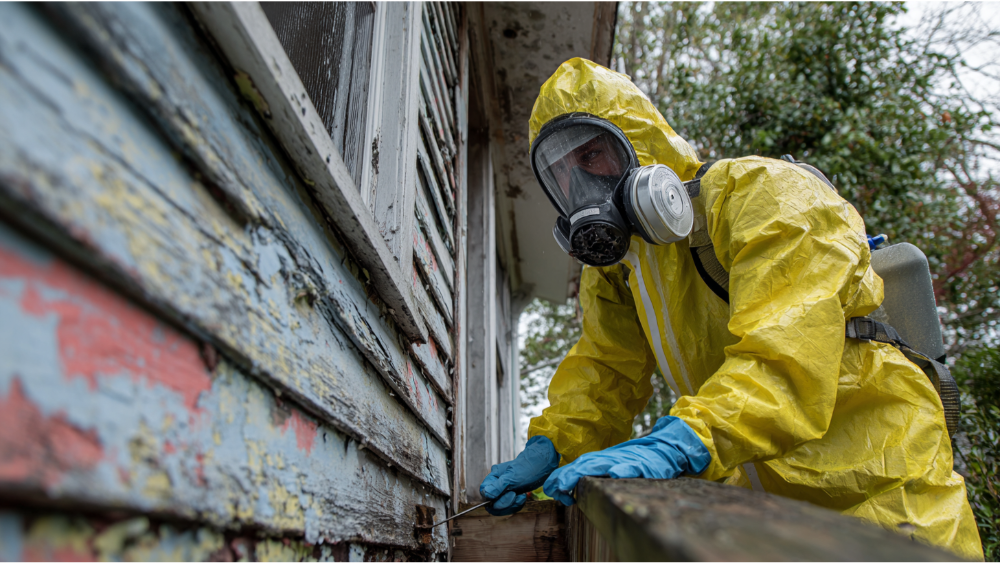
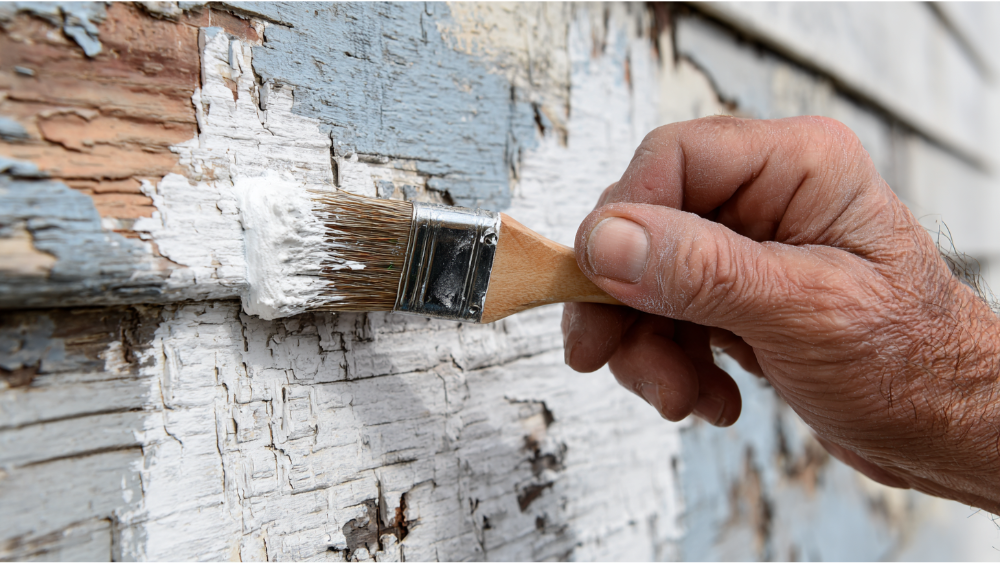
Lead paint is commonly found on trim, doors, windows, railings, siding, and other frequently used painted surfaces. Friction points like windows and doors are especially important because movement can create dust over time. When painting or repair work disturbs these areas, it can create dangerous lead dust made of toxic particles that are invisible to the eye.
What Are Lead Safe Practices, Exactly?

Lead Safe vs. Standard Painting
Lead safe work practices are not extreme or disruptive. They are standard painting practices with added safety steps to control lead hazards. The goal is to reduce dust, contain the work area, and protect people living in the home.
Core Elements of Lead Safe Work
Lead safe renovation includes isolating the work area, using plastic sheeting to cover floors and furniture, choosing tools that reduce dust, and cleaning carefully when the job is done. Certified professionals follow these practices on every applicable job to reduce lead contamination.
When Are Lead Safe Practices Required?
Federal Requirements for Contractors
Under the renovation repair and painting rules, contractors working for pay in homes built before 1978 must follow lead safe practices when the job disturbs painted surfaces. This requirement comes from the RRP rule, which exists to reduce lead exposure during renovation and repair work.
Common Work That Triggers Lead Safe Rules
Painting projects that include sanding, scraping, window replacement, rot repair, or surface preparation often disturb old paint. These activities can create dangerous lead dust, especially when power tools are used without proper containment.
What About Small Projects?
Even small projects can pose lead risks. While square footage thresholds exist, many contractors treat all pre 1978 work as lead safe renovation because dust does not respect boundaries. Small repairs can still release lead into the work area and nearby rooms.
Do Lead Safe Rules Apply to Homeowners Doing DIY Work?
Legal vs. Practical Responsibility
Homeowners doing diy projects are not always legally required to follow the same rules as contractors. However, the safety risks remain the same. Lead hazards do not disappear because the work is unpaid.
Why DIY Still Carries Risk
DIY projects often lack proper containment and cleanup. Without plastic sheeting, HEPA filter vacuums, and personal protective equipment, dust can travel into HVAC systems, furniture, and floors. This increases the risk of lead contamination throughout the home.
Why Lead Dust Is the Real Concern
How Lead Dust Spreads During Painting
Lead dust spreads easily during sanding, scraping, and repair. It can settle on surfaces, floors, and furniture, and it can move through air currents into other rooms. When renovation creates dangerous lead dust, exposure can continue long after the job is finished.
Health Risks for Families
Lead exposure can affect children, pregnant women, and adults. Health concerns explain why lead safety is taken seriously. Exposure has been linked to developmental issues in children, kidney damage, lead poisoning, and even high blood pressure in adults. There is no proven safe level of lead exposure.
Special Considerations for Washington State Homeowners
Why Older Homes Are Common Locally
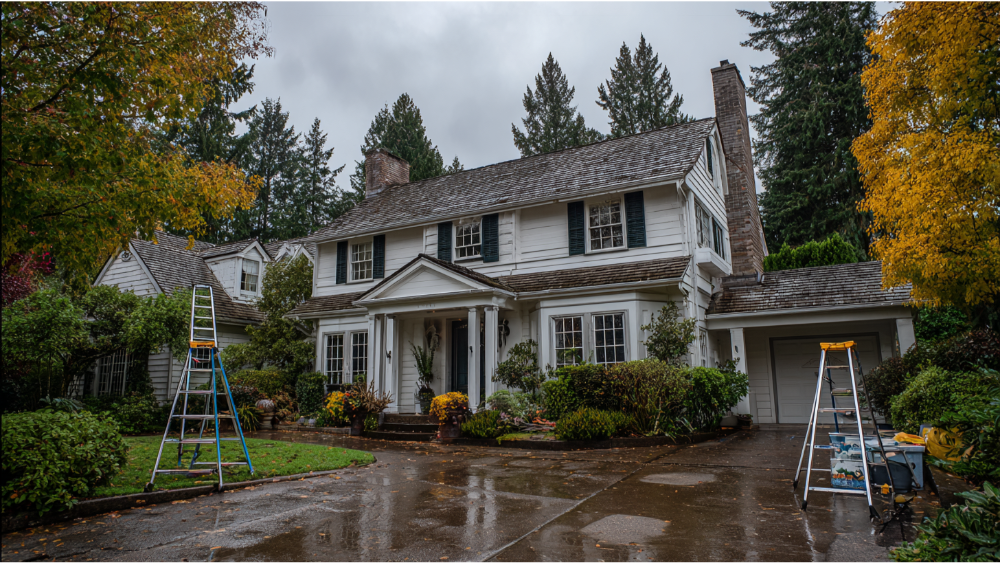
Many homeowners in the South Puget Sound area live in older homes. These properties were often built long before lead paint was banned, which makes lead safety a regular consideration during renovation and painting.
What Washington Homeowners Should Expect From Contractors
Contractors who work on older homes should be familiar with lead safe work practices and the RRP rule. Certified professionals plan for lead safety from the start, not as an afterthought.
How Professional Painters Handle Lead Safe Projects
Pre Job Assessment and Planning
Before starting a job, professionals evaluate the age of the home, the scope of renovation, and which painted surfaces will be affected. This planning helps reduce risk and ensures proper compliance.
Jobsite Setup
A proper setup includes sealing the work area with plastic sheeting, covering floors, protecting furniture, and isolating doors and windows. These steps help contain dust and protect the rest of the home.
Cleanup and Verification
Cleanup is critical. Crews use damp cloth methods, HEPA filter vacuums, and careful disposal to remove dust. Clearance testing may be performed to confirm the area is safe before reopening the space.
Should You Test for Lead Paint Before Painting?
When Testing Makes Sense
Testing can be helpful for large renovation projects, rental properties, or homes with children. It is also common in childcare facilities, preschools built before 1978, schools built in earlier decades, and child care center environments.
Testing vs. Assuming Lead Is Present
Many contractors choose to assume lead is present in older homes. This approach avoids delays and ensures consistent lead safe renovation methods are used throughout the job.
Cost Concerns: Does Lead Safe Painting Cost More?
What Impacts Pricing
Lead safe work may require more prep time, protective materials, and cleanup steps. These factors can affect pricing, but they also reduce long term risk.
Why It Is Worth It
Lead safety protects property owners, contractors, and families. It helps avoid lead poisoning, protects children, and reduces liability when selling or maintaining homes.
What to Ask a Painting Contractor Before Hiring Them

Certification and Training
Ask if the contractors are certified professionals trained in renovation repair and painting rules. Experience with older homes matters.
Jobsite Safety and Cleanup
Ask how the work area will be protected, how dust will be reduced, and what cleanup methods will be used. Look for answers that include plastic sheeting, HEPA filter vacuums, and clearance testing.
Warranty and Accountability
Professional contractors stand behind their work and explain their safety practices clearly.
Common Myths About Lead Safe Practices
My House Looks Fine, So There Is No Risk
Lead paint may look stable but can still create dust during repair or painting.
Only Chipping Paint Is Dangerous
Sanding and scraping can release more dust than visible chips.
Lead Safe Means the Job Takes Forever
With planning and focus, lead safe practices fit smoothly into normal renovation timelines.
Key Takeaways for Homeowners

Lead safety is about preparation, protection, and cleanliness. For older homes, lead safe renovation helps protect children, families, and property owners. Whether you are planning painting, repair, or renovation, understanding lead risks helps you make informed decisions.
Final Thoughts for Homeowners
Many homeowners worry about lead when planning renovation or painting. The goal is not fear, it is safety. Lead safe practices protect families, reduce exposure, and help ensure a clean, professional result. If your project disturbs painted surfaces in an older home, choosing lead safe methods is the responsible path forward.
