
%201.svg)


Concrete Paint: What Actually Holds Up to Foot Traffic and Weather
Key Takeaway
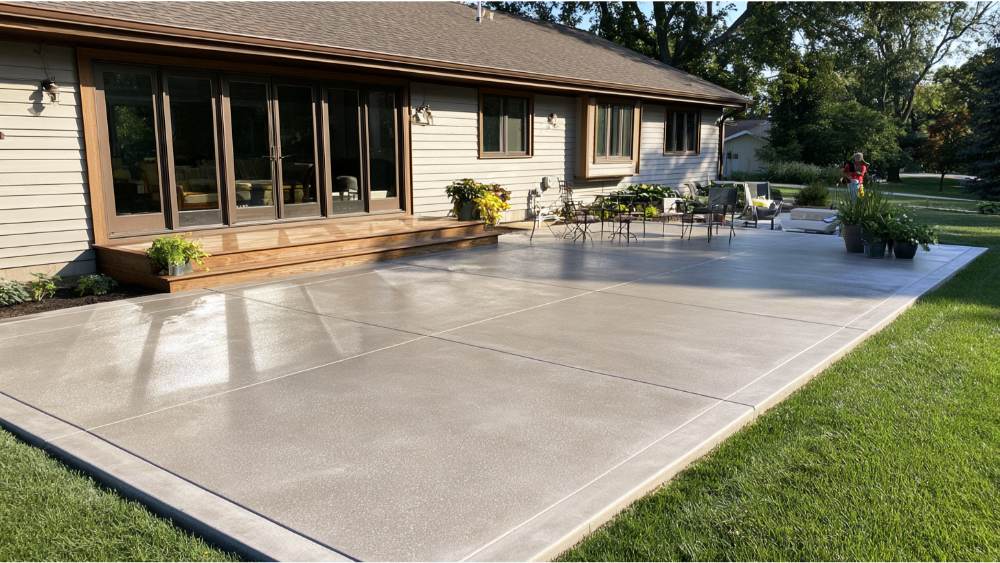
For concrete paint to hold up to foot traffic and weather, the coating must match the surface: acrylic porch/patio paint suits moderate traffic, penetrating stain plus sealer offers the best peeling resistance outdoors, textured anti-slip systems protect wet steps, and two-part epoxy or polyaspartic coatings handle garage floors. Surface preparation and moisture control determine whether any coating lasts. Patio sealers typically last 3 to 5 years; poor prep can cut that dramatically.
Standard wall paint does not hold up on concrete that gets walked on and rained on. It sits on the surface, and outdoor conditions push it right off. What lasts is an exterior-rated concrete coating matched to the surface: acrylic porch/patio floor paint for moderate foot traffic, a penetrating stain plus a compatible sealer where peeling resistance matters most, a textured or anti-slip coating system for wet steps and walkways, and a two part epoxy or polyaspartic system for garage floors. If you're a homeowner or business weighing a concrete project and you want a result that lasts, not a redo in two years, here's the part most guides skip: paint choice is only half the answer. Surface preparation and moisture decide the outcome.
Why "Concrete Paint" Isn't One Product
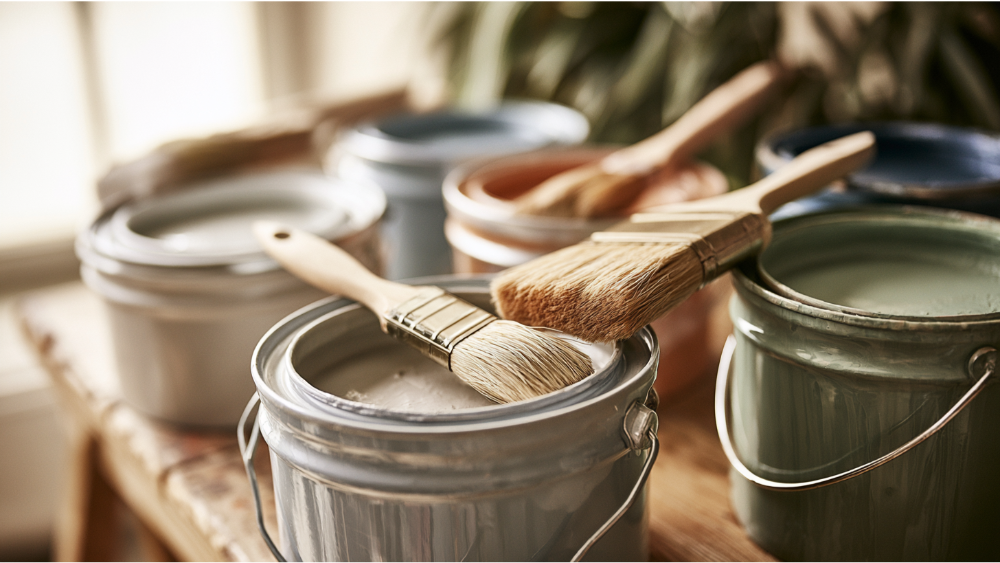
"Concrete paint" is a category, not a single can on a shelf. Lumping everything together is how people end up with the wrong paint for concrete on the wrong surface. There are five families worth knowing before you make any decision.
- Acrylic/latex concrete floor paint: a water-based surface film that adds opaque color and moderate weather protection to concrete surfaces. This acrylic paint stays flexible enough to move a little with the slab.
- Penetrating stain: soaks into the concrete floor and colors it rather than sitting on top.
- Sealer: a protective layer, clear or lightly tinted, that shields the concrete and needs reapplication over time.
- Epoxy coating: a hard resinous film, strong for garage floors and interior use.
- Polyaspartic/polyurethane: professional-grade coatings with UV-stable color and fast cure.
The plain version: floor paint is a surface film, stain penetrates, sealer protects. Outdoor concrete coatings have to guard against moisture and UV exposure, which is why the label matters. A product built for interior drywall is not built for a slab in the sun, and it certainly is not built for outdoor concrete that takes weather year round.
Why Concrete Paint Fails So Often
Concrete is naturally porous. It breathes, it holds moisture, and it moves with temperature changes. Paint that only clings to the top layer fights all three. When the bond is weak or the conditions are wrong, the film gives up first, and the durability you were counting on disappears.
The Moisture Problem
Water vapor travels up through a slab from the ground below. If a coating traps that vapor, pressure builds underneath and pushes the film off in bubbles and flakes. This is why so many painted concrete floors peel from the bottom up, not the top down. The concrete industry treats moisture as measurable, not a guess. ASTM D4263, the plastic-sheet method, exists specifically to indicate moisture in concrete before a coating goes down.
The Abrasion Problem
Foot traffic wears paths. Grit acts like sandpaper underfoot, and the thinnest, most-walked areas fail first while the edges still look fine. Smooth or dense concrete makes it worse, because there's little for the floor paint to grip. Old sealers and failing paint block adhesion too, so a fresh coat over them peels along with the old layer. Removing an existing film sometimes calls for a paint stripper rated for masonry. Cleaning matters enough that there's a standard for it: ASTM D4258 covers removing grease, dirt, and loose material before coating. When proper surface preparation is skipped, none of the product's warranty language can save it.
Best Paint and Concrete Coatings by Surface: What Actually Holds Up to Foot Traffic and Weather
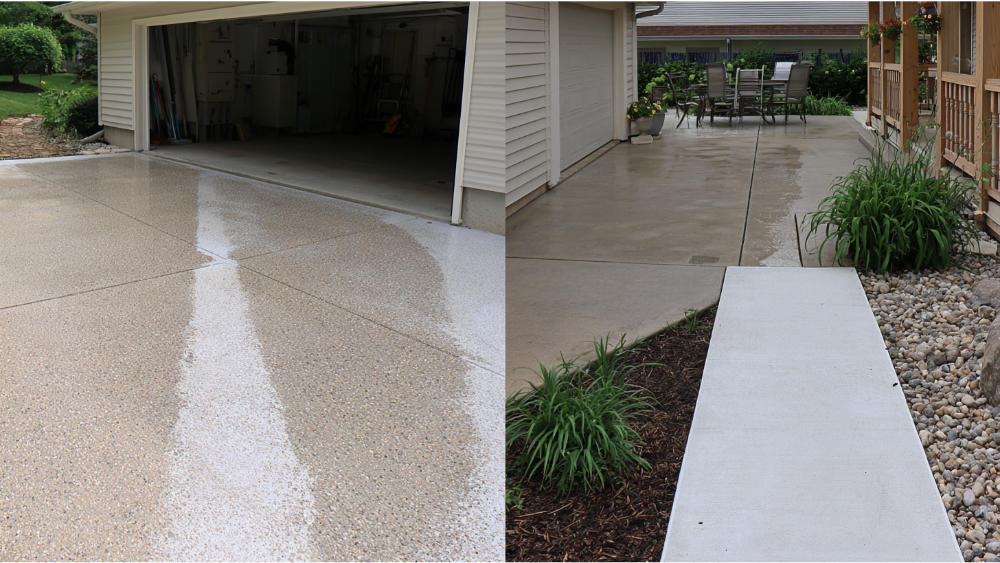
The right concrete floor paint depends on what the painted surface does all day. Here's the practical version.
Acrylic coatings are a good fit for light to moderate foot traffic, which is why they work on porches and patios that stay reasonably dry. An acrylic concrete floor paint flexes a little with the slab, which helps it stay put outdoors and supports good color retention over time. Epoxy earns its place in high traffic areas like garage floors where car tires and chemicals would chew through anything softer.
The theme running through the whole table is simple. Match the coating to the traffic, the weather, and the moisture the surface actually faces. A product that thrives on a covered concrete floor can fail on an exposed patio, and vice versa. There is no single list of best paint choices that fits every slab.
Concrete Paint vs Stain vs Sealer
These three get confused constantly, so here's the plain-language difference.
- Paint gives opaque color and hides surface imperfections. Its weakness is that it can peel, since it's a film sitting on top of the concrete.
- Stain penetrates or colors the concrete surfaces with far less chip and peel risk, but the look is semi-transparent rather than solid.
- Sealer is about protection, clear or tinted, and it needs periodic reapplication to keep working.
Acrylic concrete paint has real advantages worth naming. It resists sun fading, it lets surface moisture evaporate instead of trapping it, it tints easily, and it handles moderate foot traffic well. A quality outdoor concrete paint can form a tight, water resistant seal that helps protect concrete and adds meaningful durability outdoors. That water resistance is a big part of why so many owners choose it.
The honest tradeoff: if peeling resistance outdoors is your top concern, stain plus a compatible sealer deserves serious consideration. It won't lift the way a thick film can, because there's no film to lift. You give up the solid, opaque color to gain that durability. For exterior concrete surfaces that stay damp, that swap is often the smarter one. The same logic applies when painting walls of a foundation or painting concrete on vertical surfaces where moisture wicks upward.
When Epoxy Paint and Polyaspartic Systems Make Sense
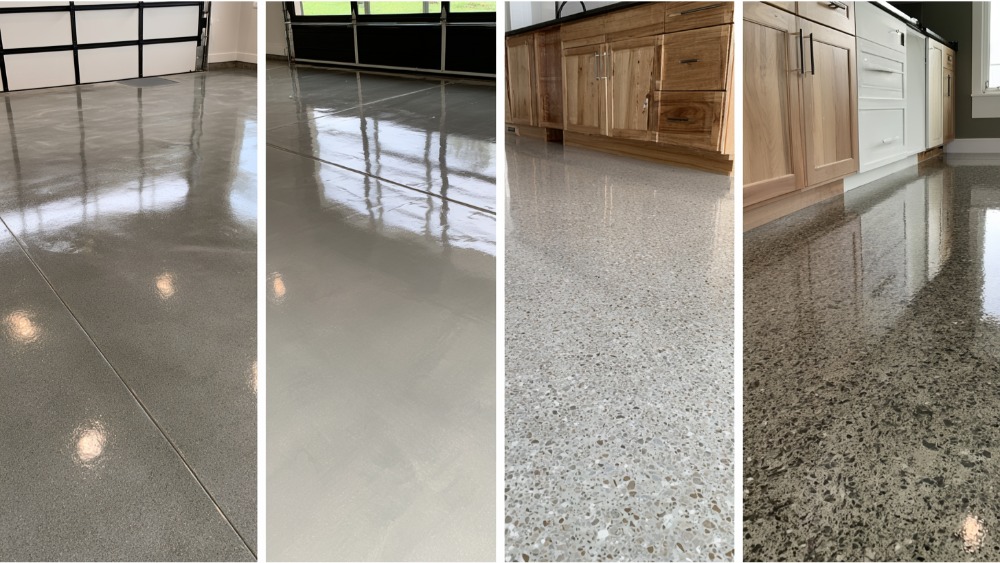
First, clear up a label trick. A one-part "epoxy paint" is not the same as a true two part epoxy coating. The two-part system, mixed on site with thorough mixing, cures into a much harder, more wear-resistant film. If a product pours from a single can, it's closer to floor paint than to a resinous coating system.
Epoxy Coating for Covered and Garage Floors
Two-part epoxy coating is strong where it belongs: garage floors, basement walls, and workspaces. It resists abrasion, hot tire pickup, chemical spills, and oil stains, forming a hard film that shrugs off daily use and delivers real durability on an interior concrete floor. The caveat matters, though. Epoxy has poor weathering and UV resistance under direct sunlight, so it can yellow and chalk on a fully exposed outdoor slab. And glossy epoxy turns slick when wet unless anti-slip aggregate is built into the coating system to increase grip.
Polyaspartic for UV-Stable, High-Wear Surfaces
Polyaspartic and polyurethane systems hold their color under UV exposure and cure fast, which makes them attractive for high-wear surfaces and heavy traffic. These are professional-grade coatings, not weekend products. They still demand a proper surface profile, honest moisture evaluation, and a plan for traction where the surface gets wet. Applied without that groundwork, even the right coating underperforms. No single product is "the best" here for every job. The right one depends on the concrete floor in front of you and its long term performance goals.
The Surface Preparation Checklist That Makes Coatings Last
This is where lasting results are won or lost. The can gets the credit, but surface preparation does the work. Here's the order that keeps a concrete coating stuck down.
- Remove loose and failing paint so the new coating isn't bonding to a layer that's already letting go.
- Degrease and clean the surface. Concrete must be clean, dry concrete, and free of contaminants before anything goes on it.
- Repair cracks and spalling before coating. Coating over damage just hides it for a season.
- Check for an existing sealer, which can block adhesion completely.
- Profile smooth or dense concrete by mechanical grinding or acid etching so the coating has something to grip.
- Test moisture before committing to any product.
- Check pH if chemical etching or cleaning was used, since leftover chemicals hurt adhesion.
- Prime bare concrete when the coating system calls for it.
The industry backs every one of these steps with a standard. ASTM D4258 covers cleaning, D4260 covers acid etching, D4262 covers pH testing afterward, and D4263 covers moisture indication. The ICRI Concrete Surface Profile scale, CSP 1 through 10, gives a shared way to specify roughness, and AMPP's SSPC-SP13/NACE No. 6-2024 covers preparing concrete before a bonded coating. The takeaway for a homeowner is short: smooth, dense concrete needs opening up so the coating can bite. Skip that, and you're painting a peel-up sheet no matter how good the floor paint is.
Weather Windows and Cure Times
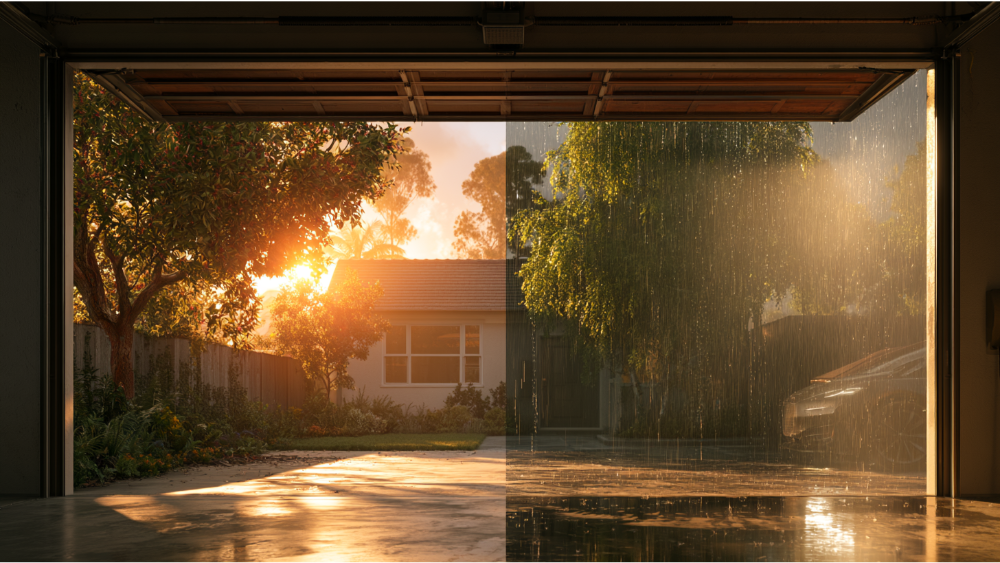
Fresh concrete needs time. New slabs usually need at least 28 days before they are fully cured for a coating, unless a manufacturer-approved specialty system allows earlier application, some as early as 7 days under controlled, tested conditions. Don't generalize the shortcut; it belongs to specific products with specific rules.
For application, most concrete paints commonly want temperatures between 50°F and 85°F, no rain expected within 24 hours, and two coats applied at the manufacturer's coverage rate for even coverage, often with 4 to 6 hours of dry time between coats. Work in sections and keep a wet edge so the first coat and second coat blend into complete coverage without lap marks. Light foot traffic is frequently fine after about 24 hours, while furniture and heavier traffic often need at least 72 hours. Sealers commonly want 1 to 3 days before heavy backyard use.
Read those numbers as "many" and "often," then follow the product data sheet for your project. Patio sealer service life is commonly cited at 3 to 5 years depending on traffic, weather, and exposure. In a climate with real temperature swings and changing weather, that weather window is the part people underestimate most, and environmental conditions are exactly what shorten the durability of an outdoor concrete coating. Weather resistance is only as good as the day you apply.
How Do You Keep Painted Concrete From Being Slippery?
Wet outdoor concrete needs traction, and a glossy coating can make a safe surface dangerous. The fix is texture built into the system. Options include textured coatings, anti-slip aggregate or traction grit broadcast into the coating while it's wet, and anti-skid additives mixed into the product to improve grip.
The standards here are worth handling carefully. ADA requires accessible walking surfaces to be stable, firm, and slip resistant. OSHA does not set one universal coefficient of friction for walking surfaces, though it expects those surfaces to be kept safe and, where feasible, clean and dry. ANSI A326.3 commonly references a 0.42 wet DCOF for level interior floors expected to get wet, but that's an indoor number and shouldn't be treated as a universal outdoor threshold. Exterior concrete surfaces need product and category evaluation of their own. The safe rule: on wet outdoor walking surfaces, choose a textured or anti-slip coating system verified for exterior wet use. The same logic applies to any vertical surfaces near a pool or step, where splash and spray keep the concrete damp.
When You Should Not Paint Concrete
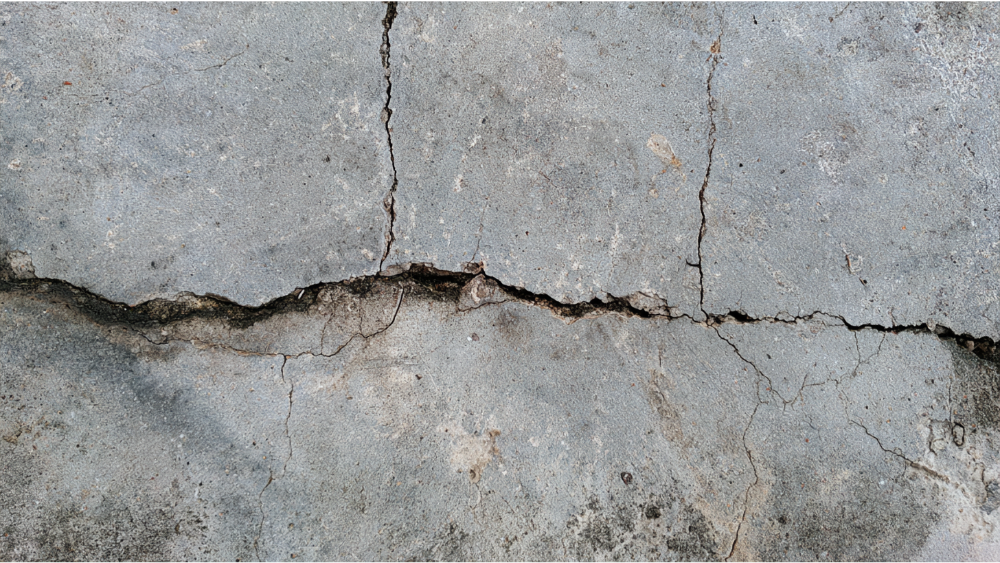
Sometimes the right call is to hold off. Coating over a problem wastes the product and your time. These are important considerations before you buy anything.
- Active moisture or hydrostatic pressure: the coating will bubble and peel from below no matter how well you apply it.
- Severe spalling or crumbling concrete: the surface itself is failing, so there's nothing sound to bond to.
- Unsound old paint: new coating only holds as well as the layer beneath it.
- Very smooth sealed concrete that hasn't been profiled: nothing grips a slick, closed surface.
- Driveways and vehicle-heavy areas without a rated system: paint films abrade fast under tires.
- Sloped wet areas without traction planning: you'd trade appearance for a slip hazard.
How to Maintain a Painted or Coated Concrete Floor
A good coating lasts longer when you protect it. The routine maintenance is light and keeps everyday wear from adding up.
- Sweep regularly so grit doesn't grind into the film underfoot.
- Damp mop with a pH-neutral cleaner for routine cleaning.
- Clean oil spills quickly before they stain or soften the surface.
- Watch traffic paths for wear and reapply protective coatings when wear shows.
- Handle small chips and scratches with spot touch-ups before they spread.
Think of it as protecting an investment you already made. A few minutes of care keeps you from repainting the whole concrete floor early and preserves the durability the coating was built for.
What to Ask Before Hiring a Concrete Painting Contractor
The right questions separate a lasting job from one that peels next winter. Ask a contractor:
- What coating system fits this specific surface and its traffic?
- How will the concrete be cleaned and profiled?
- Will old coating be removed or tested for adhesion first?
- How will moisture be checked before you start?
- What traffic level is the concrete paint rated for?
- How long before I can walk on it, add furniture, or park on it?
- How will slip resistance be handled on wet areas?
- What maintenance should I expect, and is there a warranty?
A contractor who answers these clearly is telling you they treat concrete as a coating system, not a color change. That's the difference we build every project around at Cover Pro Painting: surface preparation first, premium products backed by strong warranties, and clear communication from start to finish. We're a licensed, bonded, and insured, EPA Lead-Safe Certified team based in Edgewood, WA, serving homeowners and businesses across the greater Seattle-Tacoma region, and we handle the full picture, including any rot repair or carpentry a slab or its surroundings need.
Frequently Asked Questions
What is the best floor paint for outdoor concrete with foot traffic?
There's no single winner. For moderate foot traffic on a dry, sound slab, an acrylic concrete porch/patio floor paint works well and gives an attractive finish. Where peeling resistance is the priority, a penetrating stain with a compatible exterior sealer often outlasts outdoor paint.
Can epoxy coating be used outside on concrete?
It can, but with caution. Epoxy coating has poor UV resistance and can yellow on a fully exposed slab, and glossy epoxy gets slick when wet unless anti-slip aggregate is added. It shines on covered and garage floors far more than in outdoor use on open patios.
How long does concrete paint last outside?
There's no fixed number, because durability depends on traffic, weather, moisture, prep, and maintenance. Patio sealers are commonly cited at 3 to 5 years. A well-prepped, well-maintained outdoor concrete coating lasts longer, while poor prep can cut its life dramatically.
How long should new concrete cure before painting?
Usually at least 28 days, unless the coating manufacturer specifies a moisture-tolerant system for exterior use that allows earlier application and moisture testing supports it. Always confirm against the product data sheet.
How do I make painted concrete less slippery?
Build traction into the coating system with a textured product, anti-slip aggregate broadcast into the wet coating, or an anti-skid additive. On wet exterior concrete surfaces, choose a system verified for exterior wet use.
Ready to Get It Done Right
Concrete that gets walked on and weathered deserves more than leftover paint and hope. If you're weighing a patio, porch, steps, or garage concrete floor project, start with a free estimate and we'll walk you through the coating system, the surface preparation, and the timeline for your specific surface, so you know exactly what your project will involve before any work begins. Improving appearance and protection at once is the goal, and it starts with the right plan. Call Cover Pro Painting at 206-222-0435 to schedule your free estimate.
