
%201.svg)


Paint Your Budget Right: A Guide to Commercial Painting Costs

Understanding What Drives Commercial Painting Costs
Commercial painting rates vary significantly based on your project's unique requirements, but understanding the key cost drivers can help you budget effectively and make informed decisions for your property investment.
Quick Commercial Painting Rate Overview:
- Average cost per square foot: $2-$6 (varies by interior/exterior and complexity)
- Typical hourly rates: $60-$100 per hour for professional painters
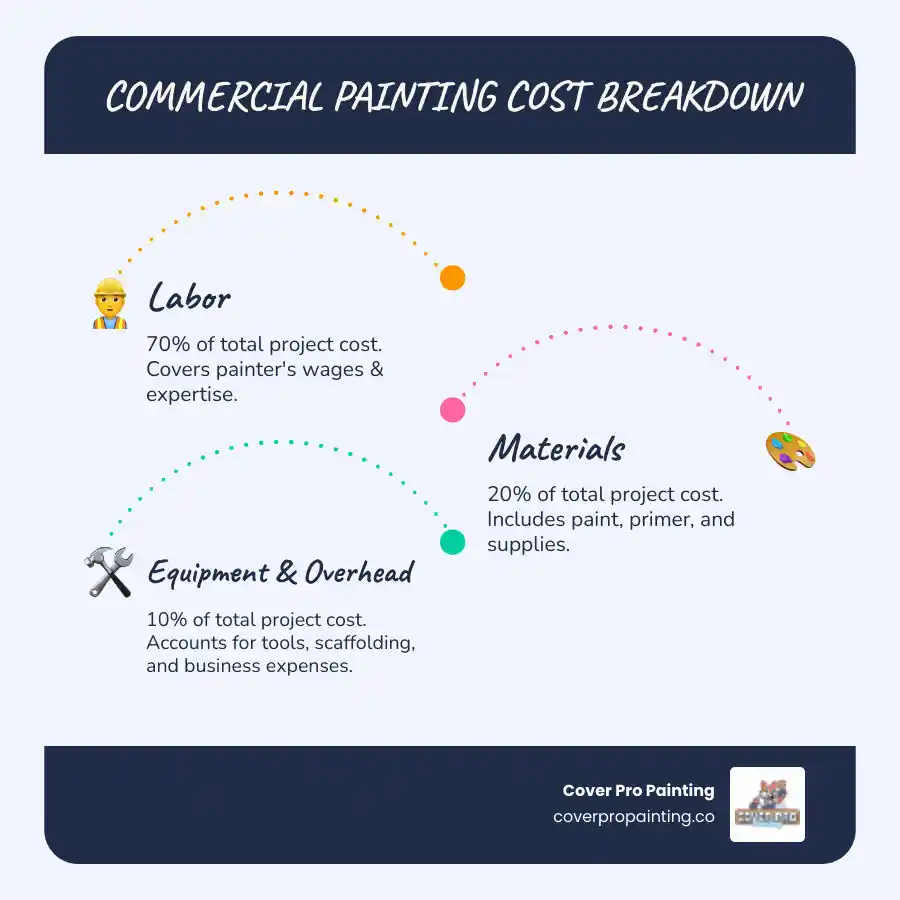
- Labor makes up: 60-70% of total project cost
- Materials account for: 20-30% of total cost
- Equipment and overhead: 10% of total cost
When you're planning a commercial painting project in Edgewood, knowing these baseline rates helps you spot realistic quotes from inflated ones. The research shows that commercial painting is generally more expensive than residential painting because projects are larger, require more specialized equipment, and often need work during off-hours to minimize business disruption.
Three main factors determine your final cost: the size and complexity of your building, the condition of surfaces requiring preparation work, and the quality of materials you choose. A 10,000 square foot building, for example, can range from $15,000 to $40,000 depending on these variables.
The key is understanding that the actual painted area matters more than your building's total square footage. This distinction helps explain why quotes can vary so widely between contractors - some calculate based on floor space while others measure only paintable surfaces.
Understanding Average Commercial Painting Rates
When you're trying to figure out commercial painting rates, it can feel like you're decoding a secret language. The good news? Most professional painting companies use pretty straightforward pricing methods once you understand the basics.
At Cover Pro Painting, we typically use one of three approaches: pricing per square foot, hourly rates, or comprehensive project-based pricing. Each method serves a purpose, and understanding how they work helps you make sense of your estimate and compare quotes fairly.
Cost Per Square Foot: The Industry Benchmark
The per square foot method is the most popular way contractors price commercial painting projects. It's simple to understand and makes comparing different quotes much easier.
Most commercial painting rates fall between $2 and $6 per square foot. But here's where it gets tricky - you need to know exactly what "square foot" means in your quote.
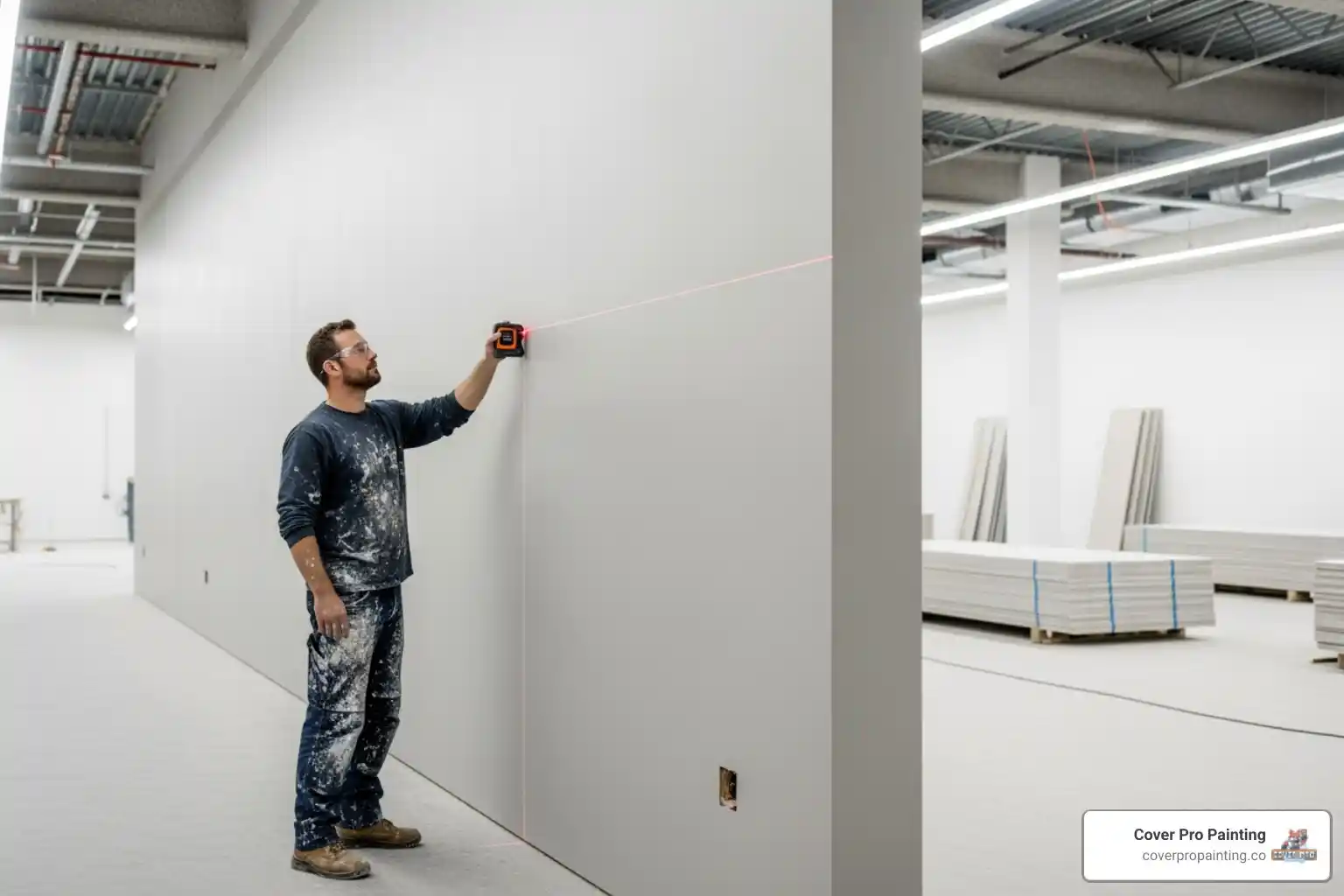
The key difference is between floor area and paintable surface area. Your building might have 5,000 square feet of floor space, but the actual wall and ceiling surfaces could be much more. Think about a warehouse with 20-foot ceilings versus a regular office building - same floor space, completely different amounts of wall to paint.
We always measure the actual paintable surfaces, including every wall, ceiling, and architectural detail. This gives you an accurate estimate instead of a rough guess based on floor plans.
Interior versus exterior projects also have very different costs per square foot. Exterior work typically costs more because it requires weather-resistant paints, extensive surface preparation, and specialized equipment like scaffolding or lifts. The extra prep work and materials needed to protect your building from the elements naturally drives up the price.
For example, a 10,000 square foot building could range anywhere from $15,000 to $40,000 depending on whether it's interior or exterior work, how much prep is needed, and the complexity of the job.
Typical Hourly Rates and How They Affect Commercial Painting Rates
While square foot pricing gives you the big picture, hourly rates help explain the labor costs - which make up about 60-70% of your total project cost.
Professional commercial painters typically charge between $60 and $100 per hour. This might seem steep compared to other trades, but several factors justify these rates.
Painter experience makes a huge difference in both cost and quality. Skilled painters work faster and deliver better results, which often saves money in the long run. They know which techniques work best for different surfaces and can spot potential problems before they become expensive fixes.
Geographic location also plays a big role in hourly rates. Painters in busy areas like Seattle or Bellevue typically charge more than those in smaller towns, reflecting higher costs of living and greater demand for services. Here in the Edgewood area, we keep our rates competitive while maintaining the quality you expect.
Project complexity can push hourly rates higher when jobs require specialized skills or challenging conditions. Working on high ceilings, intricate architectural details, or in tight spaces naturally takes more time and expertise.
Off-hours work often comes with premium rates too. Many commercial projects happen evenings or weekends to avoid disrupting your business operations. This convenience factor typically adds to the hourly cost.
Understanding these hourly rates helps explain why painting quotes can vary so much. You're not just paying for paint application - you're investing in expertise, efficiency, and the peace of mind that comes with professional results. The labor cost research from Indeed provides additional insights into current market rates for painting professionals.
Key Factors That Influence Your Project's Final Cost
When it comes to commercial painting rates, the devil really is in the details. Think of your painting quote like an iceberg - the basic square footage rate is just what you see on the surface. The real cost drivers are hiding underneath, waiting to either pleasantly surprise you or give you a bit of sticker shock.
At Cover Pro Painting, we've learned that transparency from the start saves everyone headaches later. That's why we take the time to walk through your property and identify every factor that could influence your final investment. No surprises, no "oh, we didn't account for that" moments halfway through your project.
Project Scope: Size, Height, and Complexity
Here's where things get interesting. A 10,000 square foot warehouse and a 10,000 square foot office building might sound similar on paper, but they're completely different beasts when it comes to painting costs.
Building size matters, but it's not the whole story. That open warehouse with smooth walls and high ceilings? It's actually pretty straightforward to paint. But an office building with the same square footage, packed with individual rooms, hallways, doorframes, and intricate trim work? That's a whole different level of complexity. Every corner, every piece of trim, every architectural detail adds time and precision to the job.
Building height is where costs can really climb - literally. Single-story buildings are straightforward, but once you start going up, you need specialized equipment. Scissor lifts, boom lifts, and scaffolding don't come cheap, often adding hundreds or even thousands to your project cost. Plus, working at height requires experienced professionals who know how to operate this equipment safely.
Then there's the architectural complexity factor. Buildings with ornate details, multiple colors, or unique design elements require what we call "precision work." It's the difference between painting with a roller on a large wall versus carefully cutting in around dozens of window frames. Both are painting, but one takes significantly more skill and time.
Surface Condition and Preparation Work
There's an old saying in our industry: "A great paint job is 90% preparation." This isn't just painter wisdom - it's the truth that determines whether your new paint job looks professional and lasts for years, or starts peeling within months.
Surface types each have their own personality. Concrete walls need different treatment than metal siding, which needs different prep than wood trim or stucco exterior. Each material has its own quirks, and experienced painters know exactly how to work with each one.
Surface condition is where we often find the biggest variables in pricing. Are we working with well-maintained surfaces that just need a good cleaning and light sanding? Or are we dealing with peeling paint, cracks, water damage, or other issues that need serious attention first?
The preparation work itself can include power washing to remove years of dirt and grime, sanding and scraping to create smooth surfaces, and caulking to seal gaps and cracks. Sometimes we find issues that need repair work - like the Siding Repair in Milton, WA or Rot Repairs in Tacoma, WA services we provide. These repairs aren't just cosmetic - they're essential for protecting your building's structure and ensuring your new paint job lasts.
The more prep work needed, the more labor hours involved. It's not the most exciting part of the process, but it's absolutely critical for professional results.
The Impact of Paint and Materials on Commercial Painting Rates
While labor makes up the biggest chunk of your painting budget, your choice of materials can significantly impact both your upfront costs and long-term value. This is where the "buy cheap, buy twice" principle really shows itself.
Paint quality ranges from economy options that might save money upfront to premium products that offer superior coverage and durability. Most commercial projects find their sweet spot in the middle - quality paint that provides good coverage and longevity without breaking the budget. You'll typically see costs ranging from around $50 to $75 per gallon for decent commercial-grade paint.
Paint types depend on your specific needs. Latex paints work great for most interior applications and offer easy cleanup with low odor. Oil-based paints provide excellent durability for high-traffic areas and trim work. Epoxy coatings create incredibly tough surfaces perfect for industrial applications.
Some projects need specialized coatings with specific performance characteristics. Anti-graffiti coatings make cleanup easy if vandalism is a concern. Fire-retardant paints provide additional safety protection. Anti-microbial coatings help maintain cleaner environments in healthcare or food service facilities. These specialty products cost more upfront but provide crucial functionality for specific applications.
Don't forget about primer - it's not optional for most commercial projects. Proper primer ensures your paint adheres correctly and provides even coverage, especially when covering stains or making dramatic color changes.
All these material choices add up. While they represent a smaller portion of your total cost compared to labor, choosing the right materials for your specific situation ensures you get lasting results that protect your investment. For more details about the materials and techniques we use, check out More info about our painting services.
How to Get Accurate Quotes and Save Money
Getting the right quote for your commercial painting project isn't just about finding the cheapest option - it's about finding the best value for your investment. Think of it like buying a car: you wouldn't choose one based solely on price without considering reliability, features, and long-term costs. The same principle applies to commercial painting rates.
At Cover Pro Painting, we've seen too many business owners get burned by quotes that seemed too good to be true (and usually were). That's why we believe in complete transparency and helping you understand exactly what you're paying for.

Best Practices for Obtaining Commercial Painting Quotes
The key to getting accurate quotes starts with doing your homework. Never accept a quote from a contractor who hasn't actually seen your property. We can't tell you how many times we've heard horror stories about contractors who quoted over the phone, only to dramatically increase the price once they arrived on-site.
Getting multiple quotes is essential - aim for three to five from reputable companies. This gives you a realistic range and helps you spot any outliers. But remember, if one quote is significantly lower than the others, there's usually a reason (and it's rarely a good one).
During the on-site visit, pay attention to how thorough the contractor is. Are they measuring carefully? Asking detailed questions about your needs? Taking notes about surface conditions? A professional contractor will spend time understanding your project's unique requirements.
Always verify licensing and insurance before moving forward. A legitimate contractor will happily provide proof of both liability insurance and workers' compensation coverage. If they hesitate or make excuses, that's a red flag.
When you receive your estimate, it should be detailed enough that you understand exactly what you're paying for. A comprehensive quote should include labor costs broken down by hours or tasks, specific material costs including paint brands and quantities, detailed prep work descriptions, any equipment rental fees, the cleanup process, a realistic project timeline, and warranty information. If something seems vague or missing, don't be afraid to ask for clarification.
Smart Ways to Manage Your Painting Budget
Once you have accurate quotes, there are several strategies to optimize your budget without sacrificing quality. Timing can make a significant difference in your final cost. Many painting contractors offer better rates during their slower seasons - typically late fall through early spring. If your business can handle the disruption during these times, you might save considerably.
Consider what prep work you can handle yourself, but be realistic about your capabilities. Moving furniture, covering equipment, or clearing the work area can reduce labor hours. However, leave the technical preparation like surface repairs, sanding, and priming to the professionals. Attempting these tasks without proper experience often creates more problems (and costs) down the road.
Choosing the right paint quality is about finding the sweet spot between cost and performance. You don't always need the most expensive premium paint, but going with the cheapest option usually backfires. A good mid-range paint with solid durability features often provides the best value for most commercial applications.
Bundling multiple projects can also lead to savings. If you need both interior and exterior work, or have multiple buildings, many contractors will offer package deals. The efficiency of keeping the same crew on-site for extended work often translates to cost savings they can pass along to you.
Think long-term when making decisions. Investing in quality workmanship and materials now means fewer touch-ups and longer intervals between full repaints. A maintenance plan with your painting contractor can help extend your paint job's life and catch small issues before they become expensive problems.
The goal isn't just to minimize your upfront costs - it's to maximize the value and longevity of your investment in your property's appearance and protection.
Frequently Asked Questions about Commercial Painting Costs
When it comes to commercial painting rates, we get plenty of questions from business owners trying to make sense of their estimates. Let's tackle the most common ones we hear at Cover Pro Painting, so you can feel confident about your investment.
Is commercial painting more expensive than residential painting?
The short answer is yes, and there are solid reasons why your commercial project will likely cost more than painting your home.
Think about it this way: when you paint your living room, you're dealing with maybe 400 square feet and some trim work. Commercial projects are a completely different beast. We're talking about much larger spaces that require significantly more paint, materials, and skilled labor hours to complete properly.
Then there's the equipment factor. Your house painter probably needs a ladder and some drop cloths. Commercial buildings often need specialized equipment like scissor lifts, boom lifts, or scaffolding systems. These aren't cheap to rent or operate, and they require trained professionals who know how to use them safely.
Insurance requirements also drive up costs. Commercial painting contractors carry higher liability coverage because we're working on more valuable properties with greater potential for business disruption. This protection is essential, but it's factored into our pricing.
Many commercial jobs also happen during off-hours work - evenings, weekends, or holidays - to keep your business running smoothly. These premium time slots naturally come with higher labor rates, but they're often worth it to avoid disrupting your daily operations.
Finally, commercial spaces often have specific requirements that homes don't. Maybe you need low-VOC paints for employee health, specialized coatings for high-traffic areas, or colors that match your brand guidelines perfectly. These details add complexity and cost.
While commercial painting requires a bigger upfront investment, it's designed to handle heavy use and last longer than residential work. If you're curious about residential options, you can explore our Residential Painting in Milton, WA services for comparison.
What are some hidden costs in a commercial painting project?
Nobody likes surprises when it comes to their budget, which is why we work hard to provide transparent quotes. However, some costs can pop up during a project that weren't obvious from the start.
Permit fees sometimes catch business owners off guard. Depending on your location and project scope, local authorities might require permits, especially for exterior work or significant changes. We'll help you identify these requirements early, but the fees are typically your responsibility.
The biggest surprise often comes from extensive repairs finded during prep work. While we thoroughly assess your property during our initial visit, some problems only reveal themselves once we start working. That small water stain might hide significant rot damage, or removing old paint might uncover cracks that need professional attention. Our experience with services like HOA Painting in Issaquah, WA has taught us to look for these issues, but sometimes they're well-hidden.
Waste disposal fees add up on larger projects. All those old paint cans, used drop cloths, and prep work debris have to go somewhere, and disposal costs are real - especially for commercial-sized projects.
Don't forget about potential business operation disruptions. While we minimize interference with your daily operations, there might be indirect costs if certain areas become temporarily inaccessible or if the work affects customer traffic patterns.
Unforeseen site conditions can also impact your budget. Extreme weather delays, poor previous workmanship that needs correction, or site access issues we couldn't anticipate during the initial assessment can all add time and cost to your project.
The best defense against these surprises is a detailed initial assessment and clear communication throughout the project.
How does interior vs. exterior commercial painting pricing differ?
Interior and exterior commercial painting are like comparing apples to oranges - they each have unique challenges that affect pricing in different ways.
Exterior commercial painting typically costs more per square foot because of the demanding conditions. Weather-resistant paints are formulated to handle UV rays, temperature swings, rain, and wind - making them more expensive than interior paints. These specialized coatings often require specific primers and multiple coats for proper protection.
The extensive prep work required for exterior surfaces drives up labor costs significantly. Years of weather exposure leave buildings with dirt, grime, peeling paint, and sometimes structural damage. This means more power washing, scraping, sanding, and caulking before we can even think about applying new paint.
Lifts and scaffolding are often unavoidable for exterior work, adding substantial equipment rental costs. These aren't just expensive to rent - they require trained operators and strict safety protocols that all factor into the final price.
Interior commercial painting has its own cost drivers, though they're different from exterior work. The focus shifts to precision and detail work, especially in offices, retail spaces, or restaurants where appearance directly impacts your business image.
Many interior projects require low-odor paints or zero-VOC formulations to maintain air quality for employees and customers. While these paints sometimes cost more, they're often necessary for occupied buildings.
The biggest challenge with interior work is minimal disruption to your operations. This often means working around your schedule, potentially during off-hours, or carefully coordinating with your daily activities - all of which can affect labor rates.
Interior projects typically need less heavy equipment than exterior jobs, but they often involve more intricate work around fixtures, furniture, and multiple surface types within the same space.
Both interior and exterior painting protect your investment, but understanding these different cost factors helps you budget appropriately for your specific needs. For more details on exterior services, check out our Exterior Painting in Maple Valley, WA page.
Conclusion: Investing in Quality for a Lasting Finish
When you step back and look at the big picture, understanding commercial painting rates is really about seeing the whole story behind that final number on your quote. It's not just math - it's the careful balance of your building's unique personality, the current state of its surfaces, the quality of materials that will protect it, and the skilled hands that will transform it.
We've walked through how labor takes the biggest slice of your budget, how proper surface preparation can make or break your investment, and why choosing the right paint is like buying a good insurance policy for your building. These aren't just line items on an estimate - they're the building blocks of a finish that will serve your business well for years to come.
At Cover Pro Painting, we've been serving communities throughout Washington for years, from the busy streets of Edgewood to the growing neighborhoods of Puyallup and the scenic areas of Gig Harbor. What we've learned is that every building tells a story, and our job is to help write the next chapter - one that's both beautiful and built to last.
Quality over price isn't just a catchy phrase - it's the difference between repainting in three years versus eight years. It's the difference between a finish that makes your customers smile and one that makes them wonder about your attention to detail. When you invest in professional painting services, you're not just buying paint and labor. You're investing in the long-term value of your property and the professional image of your business.
The transparent quotes we provide aren't just numbers on paper - they're our commitment to you. No surprises, no hidden costs, just honest pricing for quality craftsmanship that reflects our dedication to excellence. Whether it's refreshing an interior office space or protecting your building's exterior from Washington's ever-changing weather, we bring the same attention to detail to every project.
Ready to transform your commercial space? Explore our interior painting services in Milton, WA to get started. We're here to help you make the right investment in your property - one that will pay dividends in durability, beauty, and peace of mind for years to come.
