
%201.svg)


Can You Use Exterior Paint Inside? What Homeowners in Puget Sound Should Know
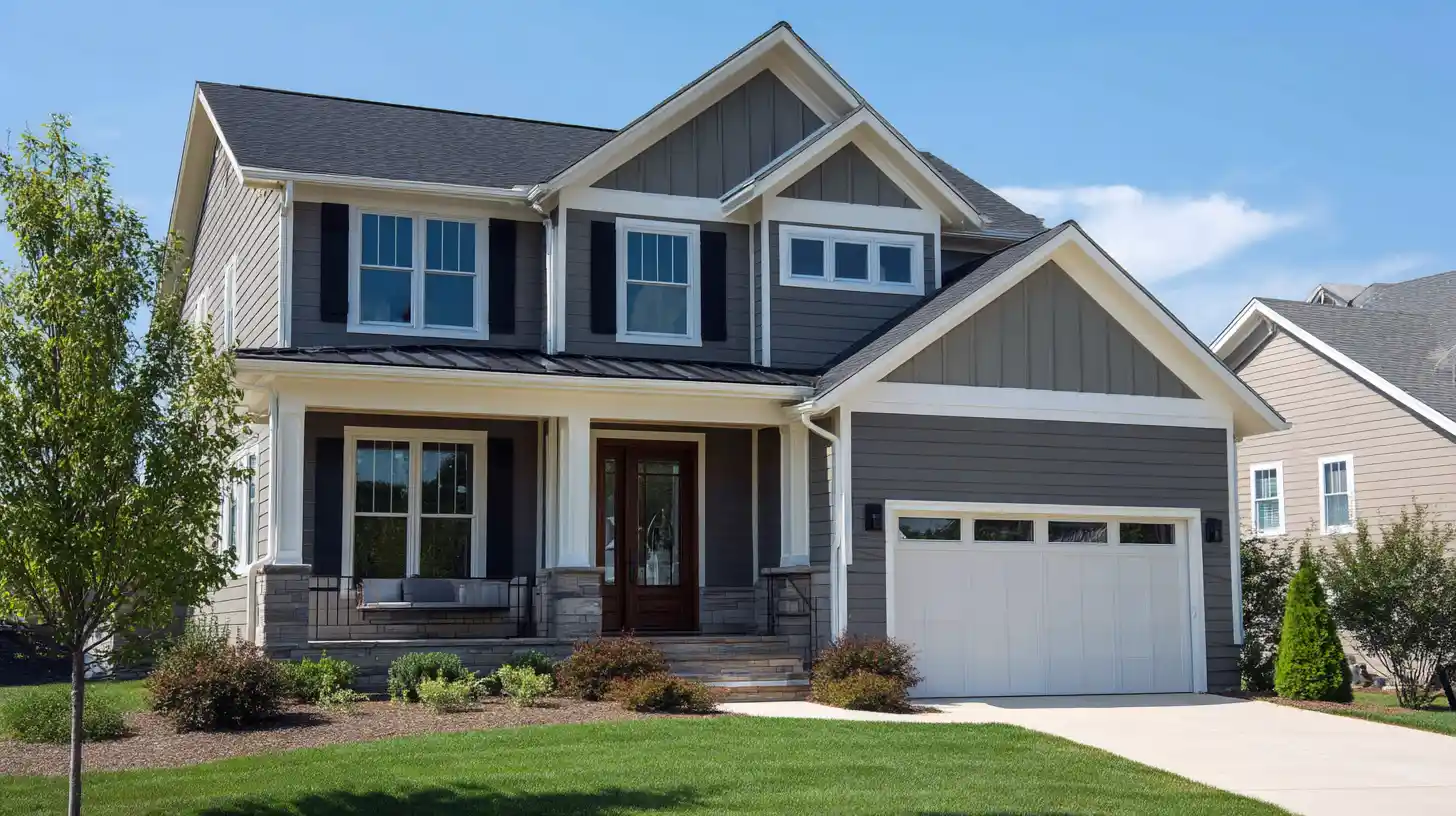
Many homeowners across Puget Sound eventually ask the same question when facing a new paint job: Can you use exterior paint inside, especially if you have leftover paint in the garage? The short answer is that you should not use exterior paint inside, and there are clear reasons related to health concerns, durability, indoor air quality, and how different formulas are specially formulated for their correct uses. At Cover Pro Painting, we take pride in helping homeowners choose the right paint for their interior spaces and exterior surfaces, and we use our experience of over two decades in the painting industry to help families avoid problems that can show up long after the coat is applied.
This complete guide explains why you should never use exterior paint indoors, how interior paint and exterior paint differ, and what to do if you accidentally use exterior paint inside your house.
The Short Answer: No, You Should Not Use Exterior Paint Indoors
When people ask if they can use exterior paint inside, convenience is usually the reason. Maybe the leftover paint in the garage seems close enough in color, or you want to save time. However, using exterior paint indoors creates real health risks because exterior paint contains harmful chemicals and additives that are weather resistant and intended to hold up against outdoor elements, UV rays, temperature swings, mildew, and extreme weather conditions.
Exterior paint is not designed for enclosed spaces or indoor surfaces, and many exterior paints contain volatile organic compounds that off-gas for long periods of time. When used in a living space, these fumes can increase VOC exposure and lead to chemical sensitivities, dizziness, headaches, or breathing issues. Because exterior paint indoors can off-gas for weeks, even low-odor formulas cannot make exterior paint safe for indoor use.
Interior paint is created for people who live inside the home. It is designed to protect indoor air quality while providing a smooth, washable finish. This is why professionals always use interior paint on interior walls, trim, door frames, drywall, and other surfaces inside a house.
Why Exterior Paint Is Formulated Differently
Exterior and interior paints are not interchangeable because each type is specially formulated for its environment.
Designed for Weather Resistance
Exterior paint must survive extreme temperatures, extreme weather conditions, UV rays, moisture, and wind. To protect exterior surfaces such as siding, fences, trim, and door frames, many paints made for the outdoors are created with flexible resins, mildew-resistant additives, acrylic latex binders, and other chemicals that help them remain durable and fade resistant even when exposed to constant sun and rain. These additives are essential outdoors, but they are unnecessary and unsafe inside your house.
Why These Additives Are Unsafe Indoors
Exterior paint has higher levels of chemicals because it must tolerate outdoor elements. These chemicals are not safe for indoor use. They off-gas into enclosed spaces and create poor air quality. Exterior paint inside a bedroom or kitchen can lead to health hazards, especially for children, pets, or anyone who already experiences chemical sensitivities.
Interior paint, especially high-quality interior paint with low VOC formulas, is created specifically for living space environments. It does not rely on harsh additives or solvents to adhere properly. Instead, it is designed to provide a clean finish on indoor surfaces without releasing harmful chemicals into the air.
Comparison Between Interior and Exterior Paint
Interior paint is easy to clean, low odor, and formulated for smooth walls. Exterior paint contains strong additives that help it bond to exterior surfaces but make it risky and ineffective on interior walls. If you use exterior paint inside, it may never fully dry the way interior paint does, and the fumes can linger far longer than homeowners expect.
Health Risks of Using Exterior Paint Indoors
High VOC Content and Off-Gassing Issues
Exterior paint contains higher levels of volatile organic compounds and other chemicals. When you use exterior paint inside, these compounds off-gas into the air and can create breathing problems or irritation. Prolonged exposure can cause discomfort and raise health concerns because the chemicals were never meant to be trapped in enclosed spaces.
Impact on Sensitive Groups
Children, pets, and older adults are especially vulnerable to fumes released by exterior paint indoors. Even people without chemical sensitivities can become uncomfortable with the smell. Maintaining good indoor air quality is important for every home, and using the right paint is one of the easiest ways to protect it.
Professional Standards and Safety Expectations
Professional painters do not use exterior paint inside for any reason. Using interior paint outdoors is also incorrect because interior paint cannot survive outdoor weather. Every product is designed for one environment or the other, and mixing them creates safety and durability problems. At Cover Pro Painting, part of providing a reliable paint job is choosing the right paint for every room and every situation.
Performance Problems When Exterior Paint Is Used Inside
Poor Adhesion on Indoor Surfaces
Exterior paint is designed for rough exterior surfaces like wood, siding, or masonry. It does not adhere properly to smooth drywall or interior walls. Homeowners may notice peeling, bubbling, uneven curing, or a tacky texture, even after the paint appears dry.
Slower and Uneven Drying
Exterior paint dries much slower indoors because it expects fresh air and open airflow. Inside a house, it can remain soft, trapping dust or leaving fingerprints. Without proper airflow, it may never fully dry, which affects the durability of the paint job.
Rougher Texture and Inconsistent Finish
Because it is not meant for controlled interior spaces, exterior paint inside often dries unevenly. The sheen can look patchy or dull. Many exterior formulas contain acrylic latex blends or other additives that are not created for smooth finishing.
Difficult to Clean and Maintain
Interior walls and door frames need washable surfaces. Exterior paint is not made for repeated cleaning, and it may scuff easily or lose color indoors. This defeats the purpose of using paint that should look great and last long inside your house.
Rare Exceptions When Exterior Paint Might Be Used Indoors
There are very limited cases where homeowners sometimes use exterior paint indoors, usually because of leftover paint that they do not want to waste. Examples include painting inside a garage, a utility room, or a workshop.
Non-Living Spaces
These areas typically have better airflow and do not function as living spaces. Even then, professionals still recommend proper interior paint for safety reasons.
Only With Low VOC Exterior Paint
Even low VOC exterior products contain more chemicals than interior paint, and strong odors may still occur.
Why Professionals Avoid It
Professionals avoid the use of exterior paint indoors because it causes long-term problems. Even if it looks fine on day one, the fumes, toxins, and adhesion issues can show up later.
What To Do If You Accidentally Used Exterior Paint Inside
Step 1: Ventilate the Room
Open windows, run fans, and bring in fresh air to reduce fumes.
Step 2: Inspect the Surface
Check whether the paint has dried properly or feels tacky.
Step 3: Apply a Primer
A sealing primer helps block odors, reduce chemicals, and prepare the surface for repainting.
Step 4: Repainting Correctly
Apply proper interior paint that is safe for indoor use and designed for long-term durability inside a living space. This often solves the problem without replacing drywall, and our team can assist with correcting any issues.
How Professionals Choose the Right Paint for Every Room
Matching Sheen and Surface
Interior and exterior paints differ in sheen options. Interior walls often benefit from eggshell or satin, while trim and door frames may need semi-gloss.
Choosing Paint for Moisture
Bathrooms and kitchens require water-soluble, mildew-resistant formulas designed specifically for indoor use.
Selecting High-Quality Materials
We never cut corners. Many paints on the market vary in quality, so we choose durable, low-odor, high-quality interior paint that provides long-lasting results and smooth coverage.
Benefits of Using Proper Interior Paint
Better Air Quality
Using interior paint indoors keeps your house safe and breathable.
Easy Maintenance
Most interior paint is washable and easy to clean without damaging the finish.
Smooth Appearance
Interior paint is created to look great on walls, trim, door frames, and other surfaces.
Long-Lasting Finish
Correct formulas last longer inside because they are designed for indoor use, consistent temperatures, and controlled conditions.
Why Hiring a Professional Painter Matters
Avoid Mistakes
Professionals know when to use exterior paint outdoors and interior paint indoors.
Long-Lasting Results
A durable, beautiful paint job comes from careful preparation, correct primer selection, and choosing the right paint every time.
Stress-Free Experience
Our team communicates clearly, arrives on time, and treats every house like it is our own.
FAQs About Using Exterior Paint Inside
Is exterior paint toxic indoors?
Yes, exterior paint indoors can release harmful chemicals and fumes.
Can I use exterior paint on furniture inside my house?
It is not recommended because it may off-gas.
Can I use exterior paint in a bathroom?
No, bathrooms require moisture-resistant interior formulas.
Can I fix exterior paint inside by adding primer?
Primer helps but you still need repainting with proper interior paint.
Does exterior paint last longer indoors?
No, it often performs worse because it was not designed for indoor use.
Conclusion: Always Choose the Right Paint for the Right Space
Using exterior paint inside may seem like a shortcut, but it creates unnecessary health risks and long-term problems. Choosing proper interior paint protects your air quality, your family, and the beauty of your home. When you want a professional, reliable, high-quality paint job done right the first time, Cover Pro Painting is here to help with expertise, honesty, and craftsmanship you can trust.
