



Can You Paint Pressure Treated Wood?
Key Takeaway
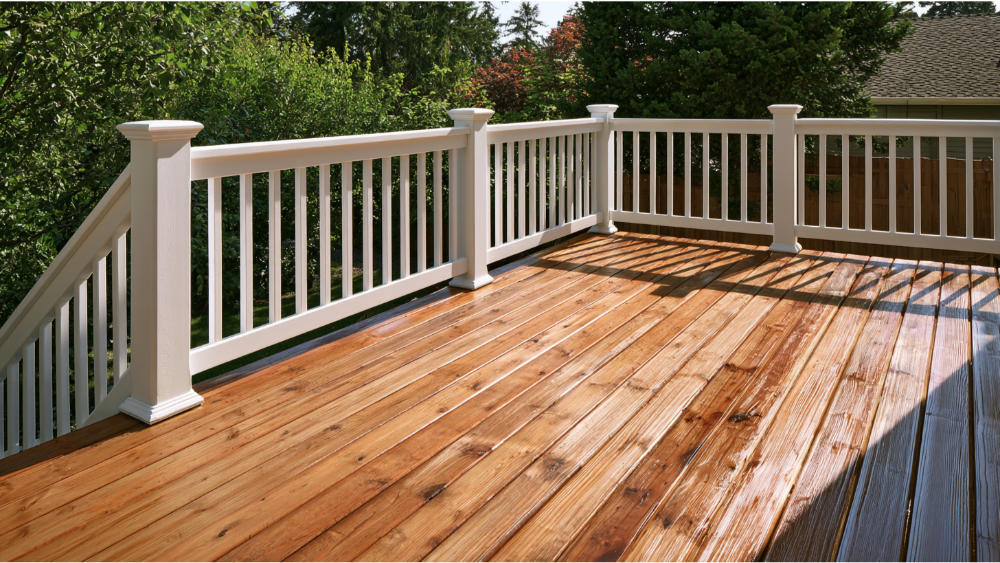
Yes, you can paint pressure treated wood, but the wood must reach 15% moisture content or lower before any coating goes on. Freshly treated lumber like Southern Pine can leave the treatment cylinder above 50% moisture, making painting too soon the leading cause of blistering and peeling. Use a wood moisture meter to confirm readiness rather than relying on a calendar rule. KDAT and ADAT lumber dry faster but still need testing before you coat.
Yes, you can paint pressure treated wood. The catch is that it has to be clean, structurally sound, and dry enough for the coating system you plan to use, not simply old enough to hit a number on the calendar. The real deciding factor is moisture content. Most coating manufacturers want the wood at or below 15% moisture before paint goes on, and painting too soon is the fastest way to end up with peeling and adhesion failure within a season or two.
This guide is for homeowners planning a fence, railing, porch, or deck project who want a finish that lasts. We'll walk through four questions that decide the outcome: Is the wood dry enough? Is it sound enough? Is paint right for that surface? And is the system compatible?
Why New Pressure Treated Lumber Is Hard to Paint

Pressure treatment forces preservatives deep into the wood to protect it against rot, fungal decay, and insects. The common waterborne process adds a significant amount of water to the lumber. Freshly treated wood like Southern Pine can leave the treatment cylinder above 50% moisture content, which is far wetter than anything you'd want to coat.
Paint is a film. When you stretch that film over wet wood, the moisture trapped underneath has to go somewhere, and as it escapes it pushes the paint right off the surface. That's what blistering and flaking actually are. This is why good surface prep starts with moisture, not with sanding. Rush the drying process and the coating will fail no matter how carefully you brush it on.
How Long Should You Wait Before You Paint Pressure Treated Timber?
There is no universal waiting period, and anyone who gives you one is guessing. Drying time depends on real variables:
- Whether the lumber was redried after treatment
- Board thickness and species
- Climate and humidity
- Rain exposure after delivery or installation
- Sun and airflow around the wood
You'll often see "wait six months." That's a conservative, product-specific recommendation from Southern Pine for standard pressure treated timber delivered wet, not a law that applies to every board. KDAT (kiln-dried after treatment) and ADAT (air-dried after treatment) PT lumber have already been returned toward a workable moisture level and can usually be coated a lot longer before any issue appears, often much sooner after you install them. Even then, check the current moisture, because lumber can reabsorb rain or jobsite water during transport and storage. If you've just built a new deck, this waiting window matters as much as the build itself.
How to Tell When Pressure Treated Wood Is Ready to Paint

Moisture content is the standard, so measure it. A wood moisture meter is more reliable than any rule of thumb. Test several boards and several locations: shaded areas, end grain, and boards near the ground tend to hold the most water.
Two numbers cause confusion. Around 19% is a common classification for KDAT or dry dimension lumber. No higher than 15% is the typical coating-application recommendation from manufacturers, and the product's own technical data always controls. Above 20%, blistering and peeling become extremely likely.
Here's how those moisture readings translate to whether the wood is ready for paint:
Moisture ReadingWhat It MeansReady to Paint?At or below 15%Typical coating-application recommendation from manufacturers; product technical data always controlsYes, verify with meter and follow product dataAround 19%Common classification for KDAT or dry dimension lumber, but still above most coating limitsNot yet, keep drying and re-testAbove 20%Too wet; blistering and peeling become extremely likelyNo, do not coat
The water-drop test is a quick secondary screen, nothing more. Splash a little water on the surface: if water beads up, the wood isn't ready; if the wood can absorb it, the surface may be ready. The problem is it only shows surface absorption. Wood can drink water at the top while staying wet inside, which is exactly why the meter wins.
Should You Paint or Stain Pressure Treated Wood?
A deck, a fence, and a railing are not the same project, and treating them the same is a common mistake. Paint and solid color are film coatings that sit on top of the wood. A penetrating stain soaks in instead.
- Paint works well on: fence pickets, railings and balusters, a pergola post, trim, porch structure, and decorative exterior carpentry. These are vertical or protected surfaces where water runs off.
- Stain is usually smarter for: fully exposed deck boards and stair treads. Horizontal walking surfaces collect standing water, take direct sun, and face foot-traffic abrasion that makes a film coating peel.
The trade-offs are simple. If you stain pressure treated wood, it penetrates, skips the primer step, and renews easily, but it typically needs reapplication more often. Paint gives durable, opaque color on the right surfaces and may need repainting every two to three years depending on exposure. Pick the finish to match the surface, not the other way around.
Inspect for Rot and Damage Before You Paint
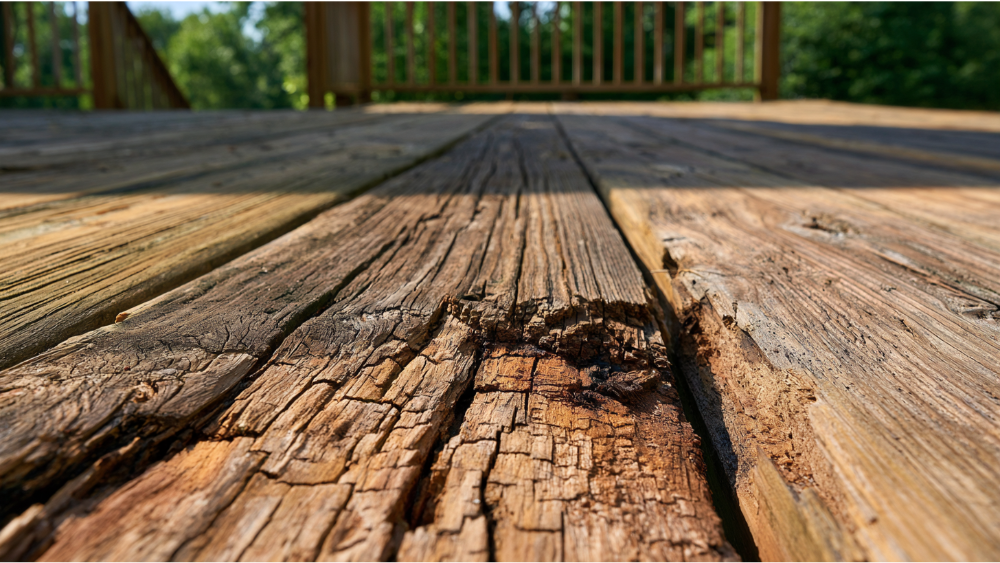
Paint protects and transforms sound wood. It does not restore structural stability, and it won't hide rot for long. Even treated wood deteriorates when it has the wrong exposure rating, stays persistently wet, has exposed cuts, or can't drain and dry.
Before any prep, check for soft or crumbling spots, large splits, small cracks that let water in, visible decay, and failed fasteners. Any section that's soft or compromised should be repaired or replaced first. This is where full-service capability helps: the same team can assess the substrate, handle rot repair or carpentry, and build the coating over sound wood, so you're not juggling separate contractors.
How to Prepare Treated Wood to Paint Pressure Treated Surfaces
- Confirm the treatment type. Check the end tag for the preservatives, Use Category, and intended application. Paint does not upgrade above-ground lumber to a ground-contact rating.
- Clean thoroughly with a mild cleaning solution to remove dirt, mildew, biological growth, debris, and factory residue.
- Remove failing or incompatible coatings where chipping has started.
- Rinse fully if you used any cleaners.
- Go easy with the pressure washer. Too much pressure erodes soft fibers, raises the grain, and adds drying time. Controlled rinsing or scrubbing is safer for most projects.
- Let the coat dry completely and the wood return to the required moisture level, then verify with the meter.
- Lightly sand where appropriate to open the grain for better primer adhesion, with proper dust precautions.
When you begin to coat, avoid direct sun and extreme temperatures so the paint cures the way it's designed to. Don't paint in cold weather or when snow and freezing conditions are in the forecast, and wait for a dry window so the finish seals properly and lasts a lot longer.
Choosing a Compatible Primer and Exterior Paint
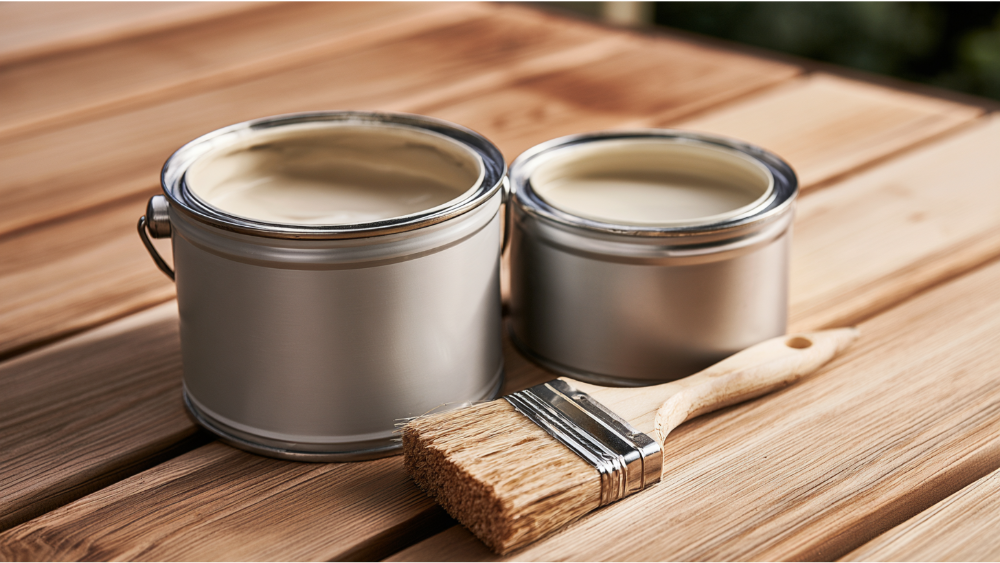
For painting, build a complete system rather than grabbing a single can. Start with an exterior wood primer compatible with your treated lumber, then follow with a compatible exterior topcoat. A high-quality water based paint, specifically an acrylic latex exterior system, is a common choice for dry, waterborne-treated wood because it flexes with outdoor temperature swings and gives a long lasting result. Two thin coats generally outperform one heavy coat, and most products are ready to recoat in a matter of hours.
Follow the product's technical data for the moisture limit, temperature range, number of coats, and recoat time. Skip the absolute chemistry rules you'll read online, like "never use oil" or "latex only." Compatibility depends on the preservative, the exposure, and the specific product you purchase.
Why Paint Peels From Pressure Treated Wood (and How to Avoid It)
Almost every peeling job traces back to one of these:
- Painting wet wood or freshly treated wood too soon
- Skipping primer
- Inadequate cleaning before coating
- Painting over rot
- Using film paint on high-traffic deck boards
- Moisture entering through end grain, joints, or ground contact
- Aggressive pressure washing that damages the surface
Once the finish is on, regular inspection and touch-ups extend its longevity and how long it holds, whether you applied it by brush or roller. Get the moisture and prep right first, and maintenance stays easy. This is the kind of detail our customers mention most when their finish still looks sharp seasons later.
Safety Notes for Older Treated and Painted Wood
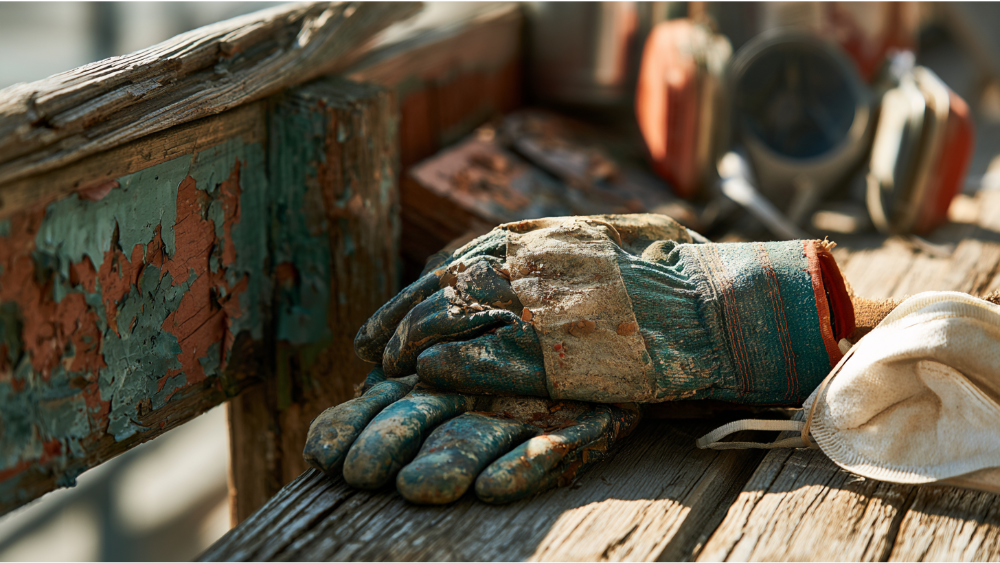
Keep two separate hazards straight. The first is the wood preservative. Virtually all residential uses of chromated copper arsenate (CCA) were canceled effective December 31, 2003, but older decks, fences, and play structures may still contain it. Take dust precautions when cutting or sanding older treated lumber, and never burn treated wood.
The second is the paint. If existing paint on a pre-1978 home or child-occupied facility is being scraped or sanded, federal lead-safe (RRP) requirements may apply to paid work. Cover Pro Painting is EPA Lead-Safe (RRP) Certified, which matters when prep disturbs old coatings. A certified person on site keeps that process safe.
When It's Worth Calling a Professional
Plenty of small jobs are fine to handle yourself. A professional makes sense when you're dealing with a large deck, fence, or exterior structure, widespread peeling, rot or carpentry that needs repair before coating, uncertainty about moisture level or treatment type, or an older painted structure that needs lead-safe prep.
Being full-service means the same team can test the substrate, complete rot repair or siding and carpentry work, and build the coating system over sound wood, with clear communication and a transparent estimate before anything starts. Start with a free estimate. Call 206-222-0435. We're based in Edgewood, WA and serve the greater Seattle-Tacoma region.
Frequently Asked Questions
What paint will stick to pressure treated wood?
A compatible exterior primer followed by a quality water-based acrylic latex exterior topcoat, applied to dry, clean wood. Follow the product's technical data for moisture, temperature, and recoat times.
How long do I have to wait to paint pressure treated wood?
There's no fixed rule. Standard wet-treated lumber may need roughly six months, while KDAT or ADAT material can be ready in a matter of weeks. Go by moisture content, 15% or lower, not the calendar.
Is it better to stain or paint pressure treated wood?
Paint suits vertical, protected surfaces like fences, railings, and trim. A penetrating stain is usually better for fully exposed deck boards and stair treads that take standing water and foot traffic.
What happens if you paint over pressure treated wood too soon?
The short answer: trapped moisture pushes the coating off as it escapes, causing blistering, peeling, and adhesion failure. That means redoing the job, so it's worth waiting until the wood tests dry and its appearance holds up for years.
