
%201.svg)


Bathroom Paint Colors That Hold Up to Moisture
Key Takeaway
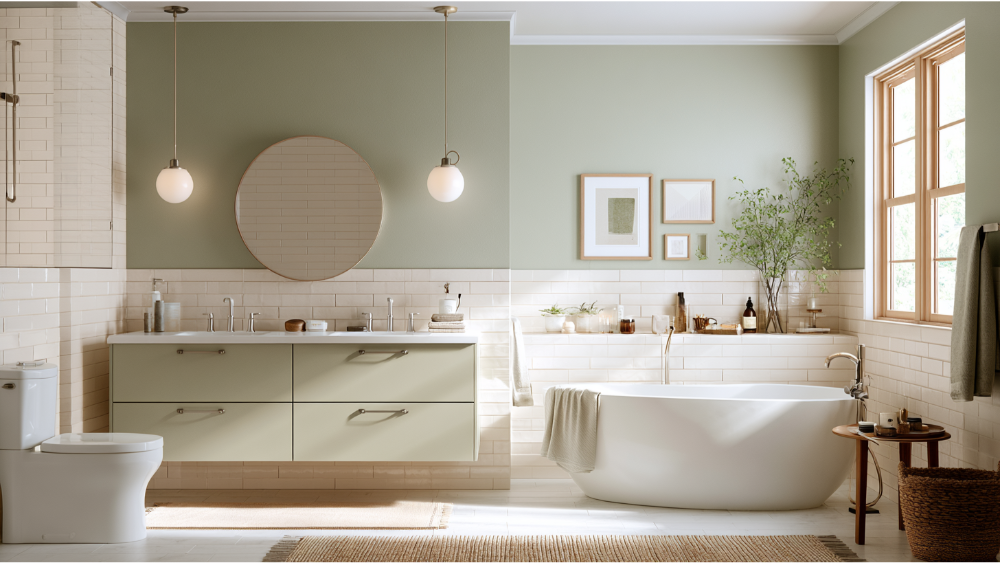
The best bathroom paint colors that hold up to moisture are warm white, soft greige, muted sage green, pale blue, blue-gray, and soft taupe. Apply these in a 100% acrylic or latex paint with a satin finish (20 to 35 gloss units) or semi-gloss for trim and high-splash zones. Color shapes the look, but finish, surface prep, and ventilation keeping humidity between 30% and 50% are what make it last.
The Best Bathroom Paint Colors That Hold Up to Moisture
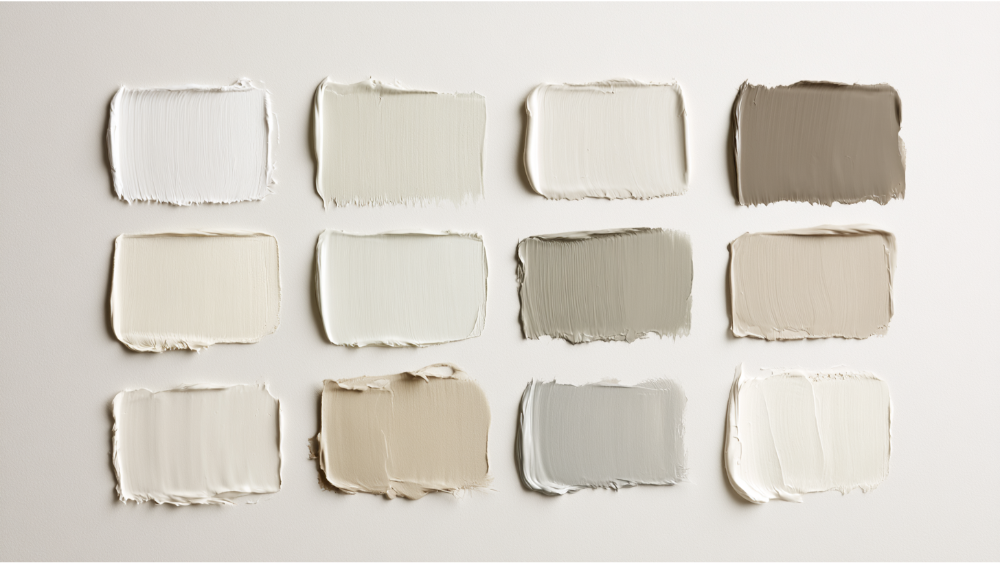
The best bathroom paint colors that hold up to moisture are light-to-mid-tone hues: warm white, soft greige, muted sage green, pale blue, blue-gray, and soft taupe. Apply any of these paint colors in a moisture resistant acrylic or latex paint with a satin or semi gloss finish, and you get a color that stays clean-looking after months of steam and cleaning. These hues reflect light well and hide the faint condensation marks that show up on bathroom walls around showers and mirrors. If you want a bathroom that still looks fresh a year from now, remember this: the color shapes how the space feels, but the finish, formula, and prep are what make it last.
Why Paint Color Alone Doesn't Create Moisture Resistance
A bathroom can hit close to 100% humidity after a hot shower, and that daily cycle of steam and drying is what breaks down a weak paint job. Pigment color has almost nothing to do with surviving it. What survives is the coating system: the paint formula, the sheen, the surface prep underneath, primer where it's needed, and how well the space ventilates.
Light paint colors do earn their place. They bounce available light around and make small condensation streaks less obvious on your walls. But choosing a soft greige over a bold navy won't stop peeling if the bathroom walls weren't cleaned and deglossed first, or if there's no working fan. Think of color as the look and the rest as the protection. The sections below walk through each piece so your color choice actually holds up.
Best Paint Colors and Color Families That Age Well
These color families tend to look good over time because they play nicely with bathroom lighting and hide everyday marks. Use them as inspiration when you build a color scheme for the space, and lean on our color experts if you want a second opinion before committing.
- Warm whites and soft off-whites. Bright and spa like. A warm white avoids the sterile feel of a stark white while still reflecting the most light, which is a big help in a small space or a windowless room.
- Greige, taupe, and warm neutrals. These mid-tones are forgiving. They hide water spots and fingerprints better than pure white, so the walls stay looking clean between deep cleanings.
- Muted greens and sage. Calming and fresh. Softened green hues read as natural and relaxed, and their mid-range depth conceals minor condensation marks on bathroom surfaces well.
- Pale blues and blue-grays. These lighter colors promote a relaxed, spa like mood, and blue-gray in particular pairs cleanliness with warmth without feeling cold.
- Soft clay, blush, and earthy tones. Gentle pinks and warm earth shades add depth and coziness and flatter skin tone in mirror light, which matters more in a bathroom than most people expect.
- Dark and dramatic colors. Deep charcoal, navy, or forest green can look genuinely high-end, but only in a well-lit, well-ventilated room. In a dim or steamy bath, dark bathroom walls magnify every water streak.
How to Choose Paint Colors for Your Type of Bathroom
The right color depends as much on the room as on your taste and style. These bathroom color ideas can point you toward a good starting shade.
- Small bathroom or full bath. Lighter paint colors make a small bathroom feel larger by reflecting light. If the space is bright, a single saturated wall can add drama without closing it in.
- Powder room. Little to no shower use means less moisture stress, so a powder room gives you more freedom for bolder color, a moodier color scheme, or a deeper green.
- Master bath. Spa like neutrals and a cohesive scheme across walls, trim, and ceilings create a calm, pulled-together look in a master bath.
- Bathroom with no natural light. With no natural light to work with, lean toward lighter, higher-LRV colors that reflect the artificial light you do have. LRV runs on a 0-100 scale, and higher numbers bounce back more light.
- Heavy-shower bathroom. Color matters less here than moisture management. Prioritize finish, prep, and ventilation, then pick a shade that hides marks.
- Rental, HOA, or commercial restroom. Durable, neutral, and easy to clean wins. We paint for homeowners and businesses, and in shared spaces a wipeable neutral in the right finish saves a lot of touch-ups.
Why Paint Finish Matters More Than Color
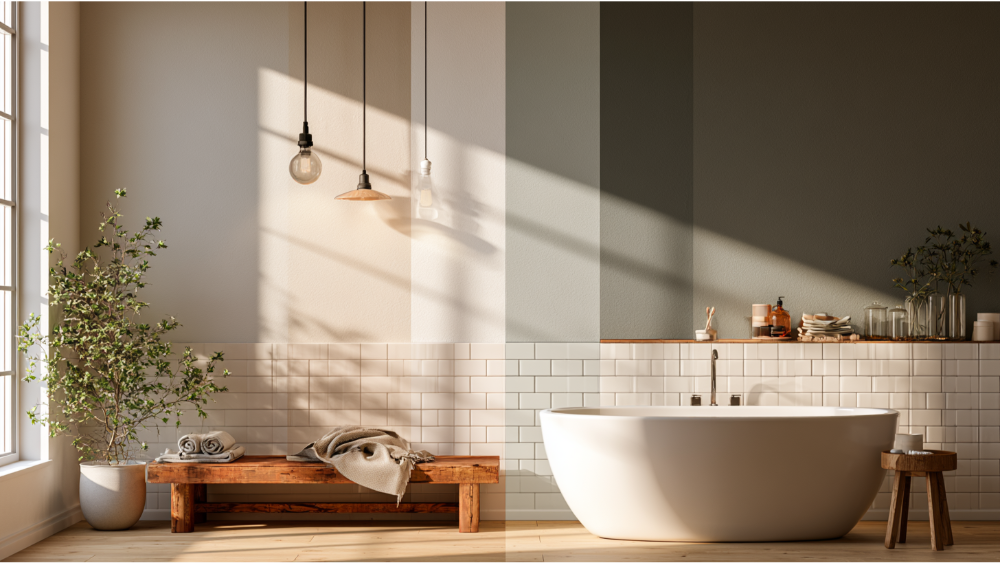
Sheen is the single biggest factor in how bathroom paint handles moisture and cleaning. Flat and matte finishes soak up moisture, show watermarks, and are harder to wipe down, which is why they're a poor default for a full bathroom.
For most bathroom walls, satin is the sweet spot. Satin finishes resist mold and mildew growth on the film, clean easily, and don't glare. In sheen terms, satin sits around 20 to 35 gloss units at 60 degrees. For trim, doors, metal fixtures, high-splash zones, and sometimes ceilings, step up to semi gloss (about 35 to 70 gloss units), which is tougher and even easier to clean. The right paint finish is what keeps color looking new.
Here's how the common finishes compare for bathroom use, using the gloss and placement guidance above:
Higher sheen has one catch: it reveals every flaw underneath. Roller marks, patched dents, and rough spots show more as gloss climbs, which is exactly why surface prep isn't optional. A specialty matte can work in a bathroom, but only when the product is rated for high moisture areas and ventilation is strong. Treat that as the exception, not the starting point. Whatever type of paint you choose, a smooth, well-prepped surface underneath is what lets it shine.
What to Look for in Moisture Resistant Paints for Bathroom Surfaces
The right moisture resistant paints for a humid room share a few traits, and a high quality paint tends to check all of these boxes for bathroom surfaces:
- An interior formula specifically designed for high moisture areas.
- A 100% acrylic or quality latex base, which flexes and holds up to repeated moisture cycles.
- A mildew resistant paint film, where mildewcide additives help protect the coating itself and support mildew resistance over time.
- A low-VOC option where appropriate, for better indoor air during and after painting.
One honest clarification: mildew resistant paint protects the paint film. It does not replace moisture control, proper ventilation, or regular cleaning. EPA guidance on treated products makes clear that an antimicrobial additive is there to guard the product, not to solve a moisture problem for you. We use premium products backed by lifetime manufacturer warranties, and we match the formula to the room rather than reaching for whatever's on the shelf. For high humidity bathrooms, that matching step is a practical choice that pays off.
Surface Prep on Bathroom Walls, Cabinets, and Surfaces: The Step That Makes Paint Last
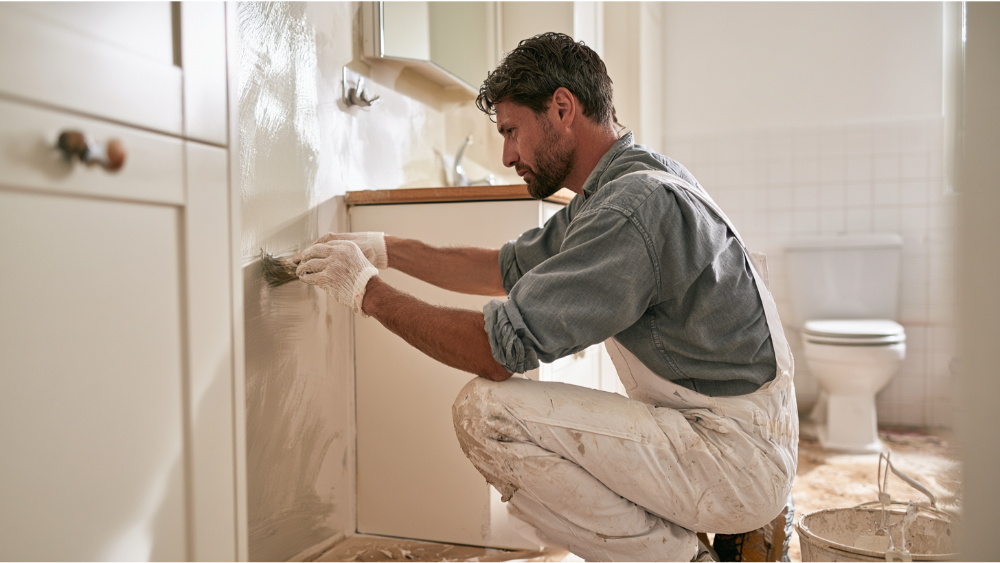
Prep is the reason a bathroom paint job lasts or fails, and it's where corner-cutting shows up first. Paint over soap scum or a damp wall and it will peel, no matter how good the color. Here's the order that protects the finish on your walls and other bathroom surfaces:
- Clean thoroughly. Wipe down surfaces with a mild detergent to remove soap film, body oils, hairspray residue, and any mildew so paint can actually bond.
- Let surfaces dry fully. Painting over damp drywall traps moisture behind the film.
- Repair what's failing. Address peeling, bubbling, cracks, water stains, failed caulk, and damaged trim before anything gets coated.
- Sand and degloss. Scuff any glossy existing paint so the new coat grips.
- Mask clean edges. Painter's tape along trim, cabinetry, and countertops keeps lines crisp and protects nearby finishes.
- Prime where it counts. Use a mold-blocking interior primer over stains, repairs, and major color changes.
If we find soft drywall, rotted trim, or damage behind the paint, we handle it. That full-service capability, from carpentry to the finish coat, means the walls and bathroom cabinets are actually sound before color goes on. We take the same care around flooring, cabinetry, and countertops so nothing gets damaged in the process.
Ventilation and Humidity: The Part Paint Can't Do for You
No paint can outrun a bathroom that stays wet. Recurring condensation will eventually lift even a strong coating, so ventilation does the heavy lifting to prevent mold from taking hold.
- Target the right humidity. Aim for roughly 30% to 50% indoor relative humidity, and avoid sustained levels above 50% to 60%, per EPA and CDC guidance.
- Vent outdoors. The exhaust fan should push air outside, not into an attic or wall cavity, where you'd just relocate the moisture.
- Size the fan right. National benchmarks call for at least 50 CFM for intermittent operation or 20 CFM for continuous. HVI suggests about 1 CFM per square foot for bathrooms up to 100 square feet, with a 50 CFM minimum.
These are national guidance figures, not a universal legal requirement, but they're a solid reference. Run the fan during and after showers, and good paint gets a fair chance to last.
Special Cases: Ceilings, Peeling Paint, and Older Bathrooms
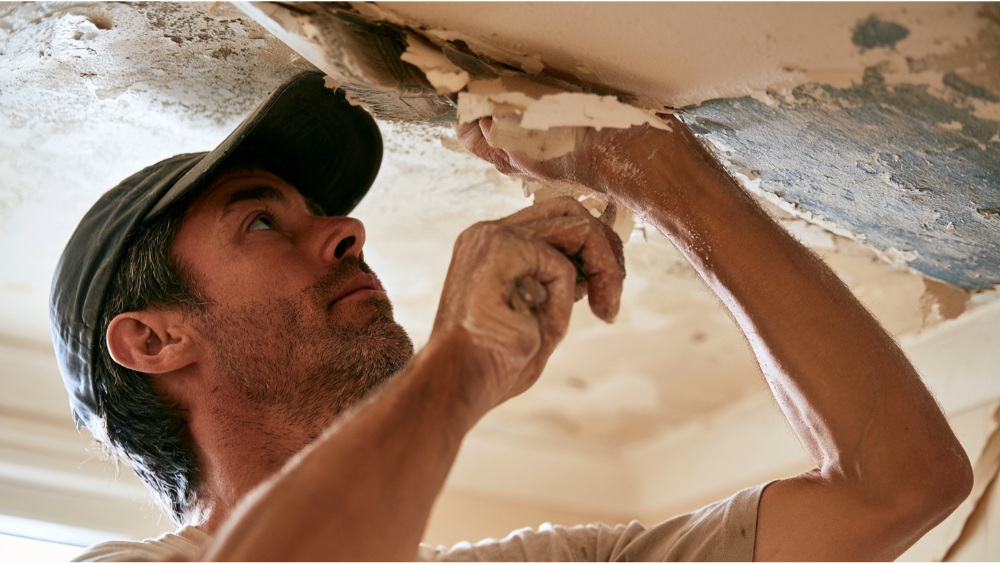
Bathroom ceilings above a shower. This is one of the toughest high moisture areas, so skip flat ceiling paint here. A satin or semi gloss moisture resistant finish holds up far better on ceilings, and stains should be primed before painting.
Existing peeling or bubbling paint. Find and fix the moisture source first, whether it's a weak fan, a leak, or trapped dampness. Only then do the cleaning, scraping, and priming pay off.
Poor ventilation. Color and finish help, but they can't compensate for a room that never dries. Improve airflow before you invest in a repaint.
Older, pre-1978 bathrooms. When paid work disturbs painted surfaces in a home built before 1978, EPA's Renovation, Repair and Painting Rule applies. We're EPA Lead-Safe (RRP) Certified, so scraping and sanding in older homes is handled with the right precautions.
Dark colors in humid rooms. They can look striking, but only pair them with strong lighting and reliable ventilation, or condensation marks will show.
When to Bring in a Professional
Some signs point to a problem paint alone won't fix. Call in help when you see:
- Paint that peels again after you've repainted.
- Mildew that keeps returning even after cleaning.
- Water stains or soft, spongy drywall.
- Damaged trim, failed caulk, or rot around windows and baseboards.
These usually mean there's a moisture or substrate issue under the surface. Because we handle rot repair, carpentry, and painting with the same team, you're not juggling multiple contractors to get a bathroom sorted. Every project starts with a free color consultation and careful surface prep, so the result is clean, long-lasting, and done right the first time. Choosing the right paint and the right team is the surest way to transform a tired bath into a spa like sanctuary.
Start With a Free Estimate
We're a founder-led team, and we treat every home like it's our own. You get a transparent estimate up front and clear communication start to finish, with no surprises before work begins. Cover Pro Painting is licensed, bonded, and insured in Washington State, and EPA Lead-Safe Certified. Call 206-222-0435 or reach out online to Schedule My Interior Painting Estimate. Don't see your city listed? Contact us to confirm service availability, and we'll let you know how we can help.
What is the best paint for a high-moisture bathroom?
A 100% acrylic or quality latex paint with a mildew resistant film, applied in a satin or semi gloss finish. Just as important, prep the bathroom walls properly and keep the space ventilated. The product, prep, and airflow work together to make the finish last. For a room that fights daily steam, that combination is the ideal choice.
What paint colors make a bathroom look expensive?
Soft greige, warm white, muted sage green, and deep blue-gray all read as high-end. A cohesive color scheme across walls and trim, the right satin finishes, and good lighting create that calm, spa like look far more than any single color does.
What color should you not paint a bathroom?
There's no banned color, but avoid flat or matte finishes in a full bathroom, and skip very dark hues in poorly lit, poorly ventilated rooms. In those conditions, condensation marks and moisture streaks show more than they would elsewhere. Sticking within a lighter color family is the safer bet.
What is the most flattering paint color for a bathroom?
Warm whites, soft neutrals, and gentle blues or greens tend to flatter skin tone in mirror light. They feel fresh and clean, and they keep the mirror from casting a harsh or unnatural cast on your reflection. Let your own style guide the final pick from the shades you like best.
Will mildew resistant paint stop mold?
Not on its own. The mildewcide additives protect the paint film and add mildew resistance, but per EPA guidance on treated products, they don't replace moisture control, ventilation, and cleaning. Fix the underlying humidity and the paint has a real chance to stay clean and help hold mold at bay.
