
%201.svg)


Addressing Wood Rot Issues in Maple Valley Home's Window Sills

Wood rot in window sills is a common issue for many Maple Valley homeowners. It usually starts small, often with some discoloration, swelling, or soft wood, and grows quietly until the damage becomes more serious. Left unchecked, rot can weaken window frames, affect your home’s insulation, and even lead to expensive structural damage. What starts as a minor eyesore can spread far beyond the sill itself.
Whether you're maintaining an older home or trying to keep a newer one in top shape, addressing wood rot early is key. Timely repair not only restores the appearance of your windows but also protects the value and safety of your home. It is especially important in areas like Maple Valley, where climate conditions play a big role in the wear and tear on exterior wood features.
Causes of Wood Rot in Window Sills
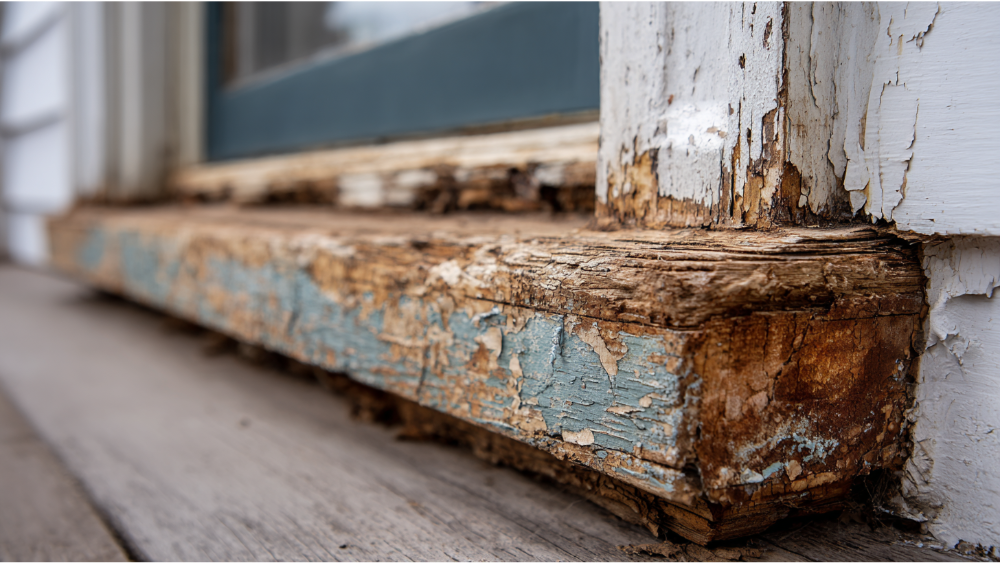
Window sills take a hit from moisture over time. Between rain, humidity, and temperature changes throughout the year, wood materials around windows can break down when they are not properly sealed or maintained. Mold and fungus thrive in these damp conditions and begin to feed on the wood, leading to noticeable rot.
Here are the most common reasons rot develops in window sills in Maple Valley:
- Poor drainage: When water collects around your windows instead of draining away, it increases the risk of saturation in the wood.
- Damaged caulking or paint: The paint or sealant acts as a barrier, stopping water from seeping into the wood. Gaps, cracks, or missing caulking allow moisture to slip in.
- Old or soft wood: Some older homes still have window sills made from wood species that are not naturally resistant to moisture.
- Condensation from indoors: Temperature differences between indoor and outdoor environments can cause condensation on window frames, which can slowly drip into the sills and settle in cracks.
In Maple Valley, late-summer humidity and brief rainstorms can create cycles of wet and dry conditions that promote rot. Even if your window sill looks fine now, the underlying wood could develop issues if it is not inspected and maintained regularly.
Identifying Wood Rot in Window Sills
Recognizing the early signs of wood rot is the first step to preventing long-term damage. Knowing what to look for and checking your window sills as part of your seasonal maintenance routine can save time and money.
Some of the most common signs of wood rot include:
- Discoloration or stain marks on the sill
- Softness or spongy texture when pressed
- Peeling or bubbling paint in one area
- Small cracks or visible fungus growth
- Wood that crumbles when poked with a screwdriver
To inspect your window sills:
1. Start on a dry day when the window areas are visible and clear.
2. Run your hand along the sill, checking for soft or spongy spots.
3. Gently press on any discolored areas to see if the surface gives way or crumbles.
4. Look at the edges, especially around the joints or corners, where moisture collects.
5. If needed, use a flashlight and a flathead screwdriver to probe deeper into areas you're unsure about.
For example, a homeowner in Maple Valley thought the slight peeling on their living room window trim was just sun damage. But after checking, they found the wood underneath was soft and darkened in spots, confirming the early stages of rot. Identifying the problem early allowed them to schedule rot repairs quickly before it spread further inside the frame.
If you're seeing any of these signs, it's time to take action. Small issues can turn into larger repairs fast, especially when weather shifts into wetter conditions at the start of fall.
Repairing Wood Rot in Window Sills
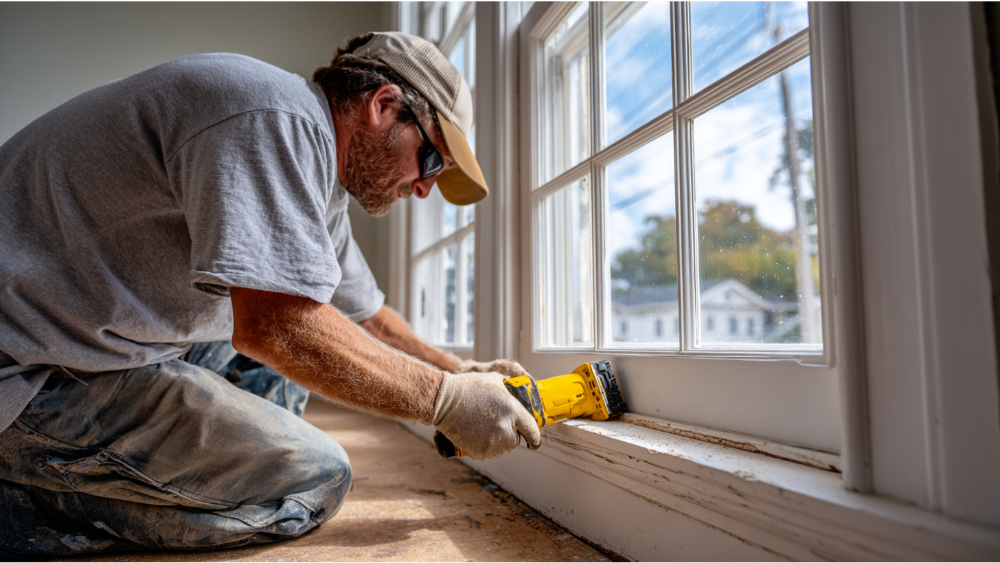
Once wood rot has been identified in your window sills, it is important to act quickly. Rot spreads when moisture keeps seeping in, and ignoring it only gives it time to compromise more of the surrounding materials. In Maple Valley, where rainy weather and moisture-pooling are frequent issues, delays can increase both the size and cost of the problem.
For minor damage, repairs may appear straightforward, but the real challenge lies in fully removing the decayed wood and preventing future moisture buildup. If rot extends into the wall framing or affects the integrity of the window structure, the job becomes more involved and requires precision, the right tools, and proper safety handling. In most residential cases, it is hard to spot the full extent of the issue just by looking at the surface. Many homeowners patch the visible area, but hidden wood deterioration is left behind, continuing to weaken the sill. This is why trusting our professionals to perform a full assessment and restoration is the smarter route.
When our technicians handle rot repairs in Maple Valley homes, we focus on two areas: stopping the spread and giving the sill lasting protection. That includes removing all compromised wood, treating the surface, installing new rot-resistant material, and sealing everything to block future intrusion. The outcome not only fixes the problem but also helps prevent it from coming back.
Preventing Future Wood Rot
Keeping your window sills protected from future rot comes down to consistency and good materials. Preventative efforts do not have to be complicated, but they do require awareness of how quickly small things like a hairline crack or dirty windows can let moisture sit and settle.
Here are five practical ways to protect your window sills from rot:
1. Inspect your sills every season, especially before and after rainy months.
2. Reapply exterior caulking at the first sign of peeling or cracking.
3. Make sure your gutters and downspouts direct water away from windows properly.
4. Repaint or re-stain your exterior trim every few years using water-sealing products.
5. Keep shrubs or plants trimmed away so they do not trap moisture near window frames.
One Maple Valley homeowner had new vinyl windows installed but soon noticed wood rot forming under the sill. It turned out the frame was not properly sealed during the installation, and water had pooled beneath the exterior edge. By having the area inspected and fully resealed, including applying a high-grade primer and weather-protective finish, the issue was resolved and has not returned.
The key takeaway is that proper maintenance goes beyond what you can see. Even with good-quality materials, exposure to wind, rain, and sun will eventually erode protection without upkeep. Catching and resolving weaknesses before they create entry points for water should be part of any home care routine.
Ensuring Long-Lasting Protection for Your Maple Valley Home
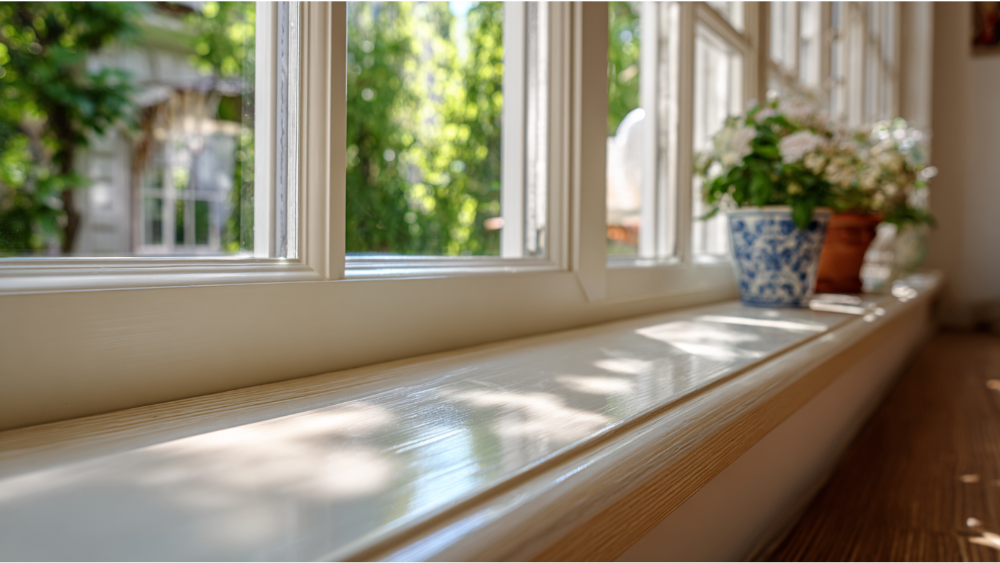
Addressing wood rot quickly helps avoid higher costs, but keeping it from returning should be the ultimate goal. In Maple Valley, changes in temperature and moisture levels can put stress on exterior wood structures year-round. Window sills are especially vulnerable because they take direct exposure from every side.
Whether your home has older wooden frames or more modern materials, the same principles apply. Keep water out, use professional-grade finishes, and do not let small damage go unchecked. Regular care and seasonal inspections go a long way in spotting problems early before they grow into more serious repairs.
Rot repairs in Maple Valley need careful attention and long-term planning. Working with professionals who understand how local conditions affect building materials gives your windows a better chance of staying solid, dry, and looking sharp year after year. Cleaning and painting may seem like small steps, but when done correctly and consistently, they make a real difference.
For a comprehensive solution to wood rot issues, the professionals at Cover Pro Painting specialize in rot repairs in Maple Valley that restore the integrity of your window sills and help prevent further damage. For a quick estimate or to book a service visit, please contact us today.
