
%201.svg)


Addressing Subfloor Wood Rot Issues in Your Milton Home
Subfloor wood rot is one of those hidden threats that many homeowners in Milton don’t think about until it’s too late. It often starts quietly, out of sight, under your floors, yet it can cause serious damage to your home’s foundation if ignored. You may not notice it right away, but over time, it weakens the structure beneath your flooring, making daily life more uncomfortable and repairs more expensive.
Addressing rot under your floors early can help protect your home’s stability and interior spaces. Especially during the summer, moisture buildup from older plumbing or poor drainage may begin to show through signs like soft floorboards or a musty smell. Not acting quickly can lead to widespread damage that isn’t just inconvenient, it can impact your home’s long-term value. Knowing what causes subfloor wood rot, how to identify it, and when to take action is key for any homeowner maintaining a safe and solid home in Milton.
Understanding Subfloor Wood Rot
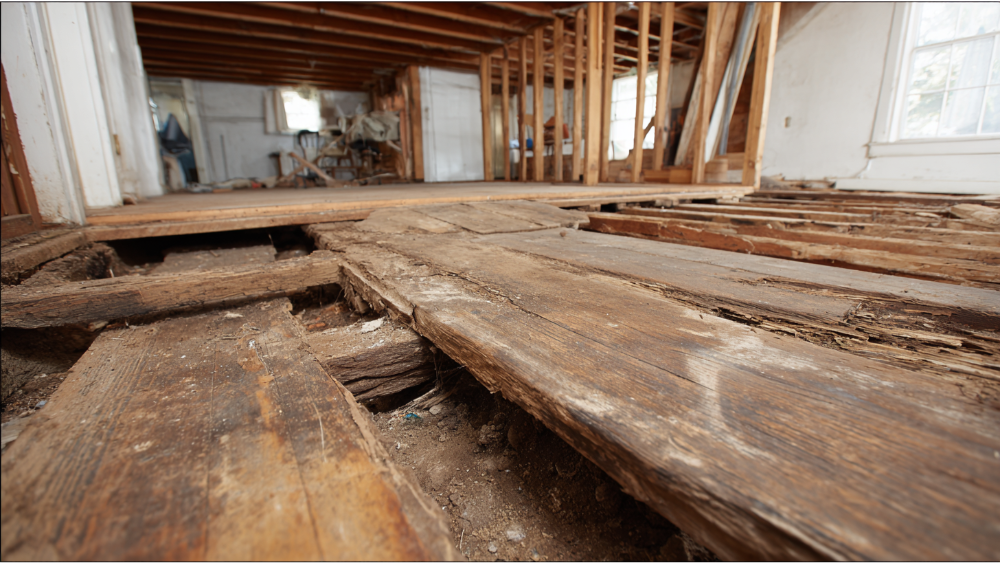
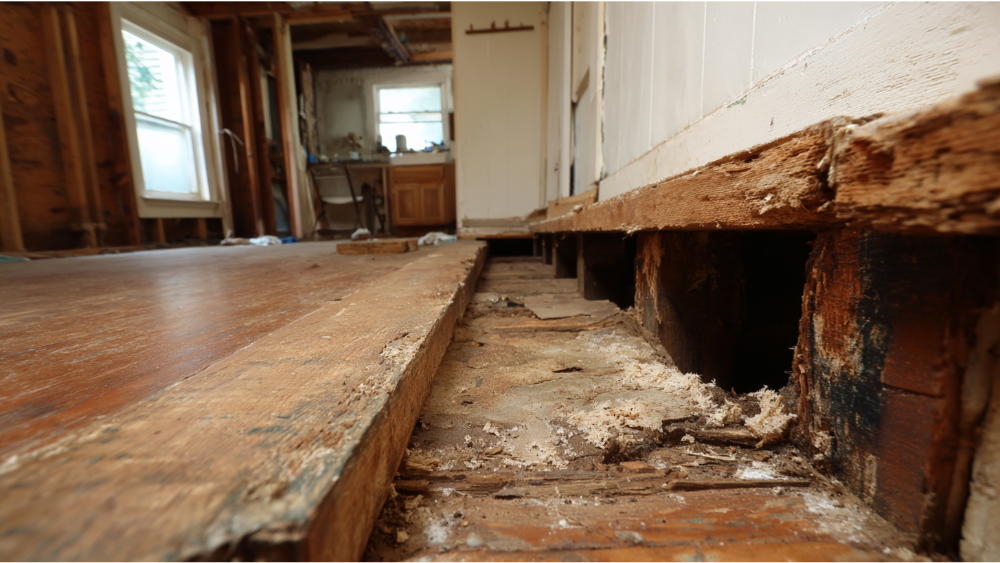
Subfloor wood rot is the result of prolonged moisture exposure causing the wood underneath your flooring to decay. The subfloor is the layer that supports flooring materials like carpet, hardwood, or tile. When the wooden subfloor is exposed to water or high humidity, it can absorb the moisture, break down over time, and lose its strength. Unlike surface-level issues, this damage usually isn’t visible right away and can go undetected until the floor becomes unstable.
There are several common ways subfloor wood rot can start in a typical Milton residence:
1. Plumbing leaks from kitchens, bathrooms, or laundry areas that aren’t addressed quickly
2. Poor ventilation in crawl spaces that traps moisture for long periods
3. Blocked or damaged gutters and downspouts that let water pool near the foundation
4. Flooding or high ground moisture levels after heavy rainstorms
5. Appliances like dishwashers or washing machines leaking onto the floor without detection
Homes with older flooring or outdated waterproofing are especially vulnerable. Once the rot starts spreading, it can weaken the floorboards above and make walking across rooms feel uneven or soft. If any of these issues are familiar, it might be time to get a closer look below the surface.
Signs of Subfloor Wood Rot in Your Milton Home
Early detection plays a big part in keeping subfloor wood rot from getting worse. A few small symptoms can help you catch this problem before it spreads too far. You don’t need to pull up your floor to spot the warning signs either. Many issues show themselves right in daily life through changes in how your floor sounds or feels.
Here are some clear signs that may point to rot developing under your floors:
1. Spongy or soft spots in the floor, especially near water-prone areas like bathrooms or kitchens
2. Uneven or sloping floors that weren’t always that way
3. A lingering musty odor that doesn't go away even after cleaning
4. Floorboards that creak or shift more than they used to
5. Visible discoloration or warping in the flooring surface
If you step on a patch of floor and it sinks slightly or feels compromised, don’t ignore it. These symptoms may not seem major at first, but they almost always lead to bigger issues if left alone. A homeowner in Milton once noticed her laundry room floor felt bouncy, but thought it was just old age. Months later, repairs revealed severe rot that had spread through most of the subfloor.
Routine inspection, especially in areas near water sources, is one of the best ways to prevent this from happening unnoticed. If any of these red flags are familiar, it could be time to bring in professionals who have the right tools to assess the condition beneath the surface.
Preventing Subfloor Wood Rot in Milton Homes
Stopping wood rot before it starts is always going to cost less and cause fewer problems than waiting until there’s visible damage. In Milton, summer moisture and occasional heavy rain can lead to water sitting where it shouldn’t. That moisture, combined with poor ventilation or small leaks, is enough to lead to rot under your floors. Taking time to protect your home now can help you avoid costly repairs later.
Start with your home’s exterior. Make sure your gutters and downspouts are clear and working well. They should direct water away from your foundation, not toward it. Grading around your home should slope away from the structure so water doesn’t pool or seep underneath. Indoors, use exhaust fans when cooking, showering, or doing laundry. These fans lower humidity, especially in rooms that hold steam or moisture.
In crawl spaces or basements, keeping things dry is key. You can lower the risk of rot by installing vapor barriers and ensuring there’s enough airflow. If your home has had moisture problems in the past, it might be a good time to check whether a dehumidifier is needed or whether hidden leaks are soaking into the subfloor.
Here’s a short list of actions that help prevent wood rot in Milton homes:
1. Fix plumbing leaks as soon as they appear
2. Direct rainwater away from your foundation with working gutters and proper drainage
3. Use exhaust fans and keep rooms with high water use properly ventilated
4. Avoid storing items directly on the ground in crawl spaces, which can trap moisture
5. Inspect washing machines, sinks, tubs, and toilets for slow leaks
6. Check crawl spaces and underfloor areas every few months for standing water or damp smells
Being proactive with moisture management is usually a lot easier than dealing with floor replacements later. If your home is older or you notice any moisture issues near your baseboards or vents, take it seriously. Rot-free flooring starts with keeping excess water out and airflow in.
Professional Solutions for Rot Repairs in Milton
When subfloor wood rot has already set in, repairs need to be done safely and correctly to protect your home’s structure. That means a full evaluation is the first step. Our professionals begin by identifying how far the damage has gone and whether it has spread to deeper support beams or joists. The surface may look stable, but the rot could have started eating away the layers beneath.
Once the issue is located and examined, our technicians remove all the rotted wood. This stops the spread and allows them to work with a solid, clean base. We use replacement subflooring that matches the original specifications and provides long-lasting strength. During this phase, our team also inspects for leaks, damp insulation, or mold, all signs the issue might return if not addressed.
Repairs are wrapped up with sealing and treatment to guard against moisture coming back in. In some cases, additional steps like repairing vents or regrading soil next to crawl spaces may be part of a complete solution. Each home is different, so getting the proper fix tailored to your specific structure and layout is important. Rushing through repairs or missing small details can lead to more repairs down the line.
Hiring a professional service for rot repairs in Milton gives you peace of mind. You gain the expertise to spot root causes and use proper materials for lasting strength. Many homeowners who try to cover over the problem end up needing full replacements later. Identifying and fixing the source, along with replacing the damage, helps keep homes protected long into the future.
Keeping Subfloors Strong Long After Repairs
After the rot is removed and the floor is restored, the next goal is keeping it in good shape for years to come. Preventing new damage starts with regular inspections. Every few months, look in rooms along the edges of your flooring, especially where bathrooms or laundry areas connect to the walls. If anything feels soft, damp, or smells strange, check it out.
Keep indoor humidity in check. If you notice condensation on windows or your AC struggles to keep the air dry, your subfloor could be at risk too. Our professionals often recommend using a hygrometer, a simple tool to help monitor moisture in key areas of the home. During the warmer Milton months, it’s even more important to manage moisture as the air holds humidity more easily.
Leaks from plumbing are another common issue. One slow drip from a supply line or drain pipe is all it takes to restart the rot process. Any time you replace appliances like a dishwasher or water heater, inspect the surrounding floor afterward to ensure no water escaped. After heavy rain, check the perimeter of your home for signs that water may be draining toward it instead of away.
Repairs won’t go to waste if homeowners stay involved with upkeep. Routine checks, ventilation, and quick responses to leaks help preserve your new floor’s strength and prevent future surprises.
Keeping Your Milton Home Secure and Sturdy
Subfloor wood rot may seem hidden, but it’s far from harmless. It puts stress on your entire flooring system and slowly affects how comfortable and safe your Milton home feels. Catching it early or preventing it can save time, stress, and money. A few regular habits, like checking for leaks, using fans, and watching for floor changes, make a real difference.
When damage appears or small problems keep coming back, trusted professionals with experience in rot repairs are the right way to go. They understand construction, moisture control, and structural needs specific to residential homes. By investing in strong repairs and sticking to upkeep afterward, you greatly improve the lifespan and value of your home’s flooring.
If you suspect hidden damage beneath your floors, addressing it early can make all the difference. At Cover Pro Painting, our team is equipped to handle comprehensive rot repairs in Milton, helping restore the integrity of your home from the ground up. For a quick estimate or to book a service visit, please contact us today.
